
Venturing through the sun-drenched streets and vibrant urban landscapes of California is an experience many travelers cherish. From the iconic beaches of Los Angeles to the rolling hills of San Francisco and the bustling Gaslamp Quarter of San Diego, the Golden State offers an unparalleled array of destinations and attractions. As visitors immerse themselves in the local atmosphere, whether exploring famous places or seeking hidden gems, a common question often arises: “Is jaywalking legal in California?” This seemingly simple query delves into the nuances of pedestrian law, an area that has recently undergone significant changes. Understanding these laws is not just about avoiding fines; it’s about ensuring your safety and enhancing your overall travel experiences in this dynamic state.
For many years, jaywalking in California was largely considered illegal, with pedestrians expected to strictly adhere to designated crosswalks and pedestrian signals. However, a pivotal shift occurred, reflecting a broader reconsideration of pedestrian rights and urban mobility. This article will unravel the complexities of California’s current jaywalking laws, explain the significant legislative changes, and offer essential tips for pedestrians to navigate California’s diverse environments safely and confidently. Whether you’re planning a luxury travel getaway, a budget travel adventure, a family trip, or a business stay, knowing the rules of the road—or sidewalk—is paramount to a smooth and enjoyable journey.
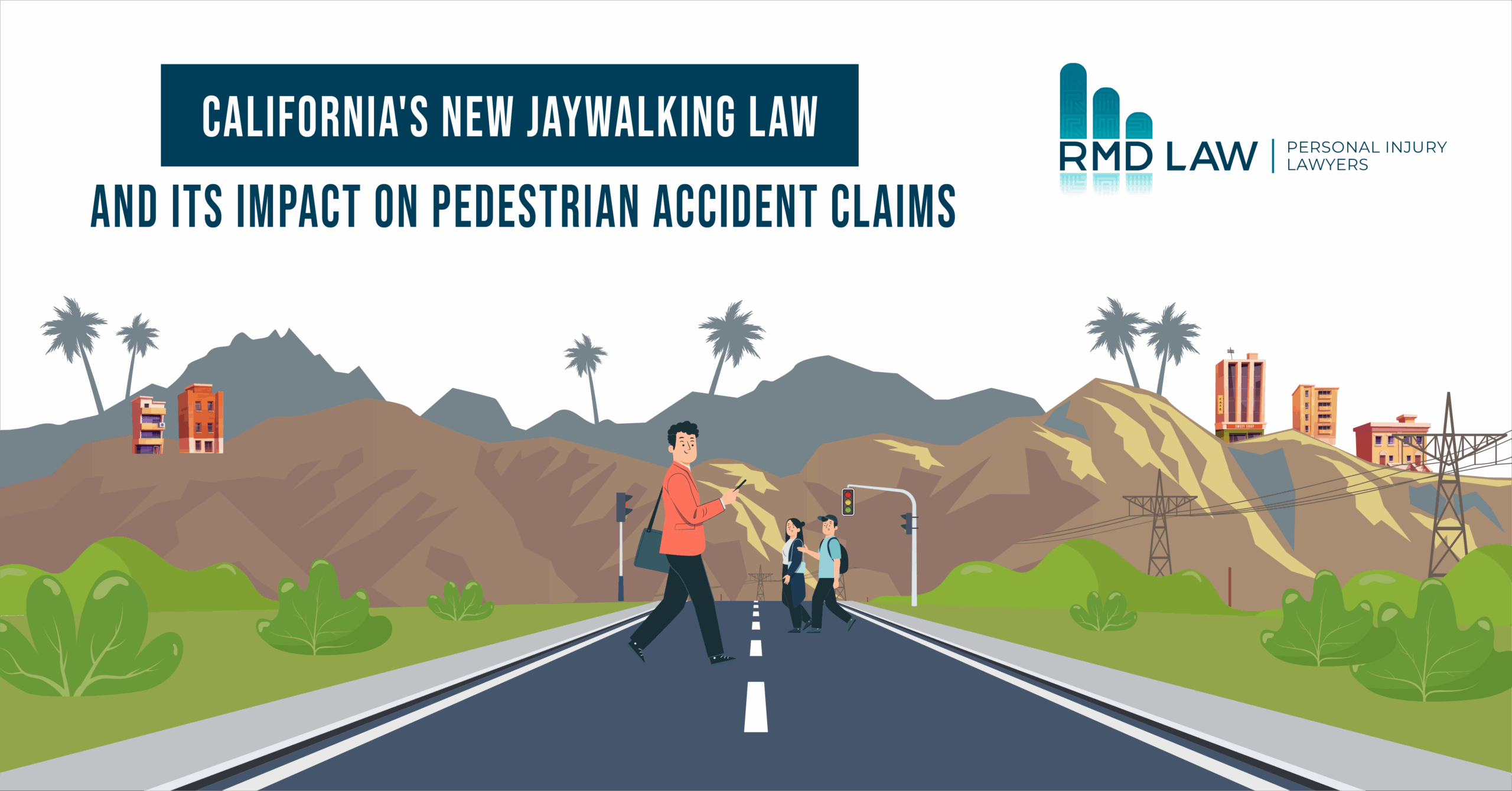
Understanding California’s Pedestrian Laws: A Shift Towards the Freedom to Walk
For decades, the concept of “jaywalking” has been ingrained in the public consciousness as an illegal and often dangerous act. Its origins can be traced back to early 20th-century campaigns, often spearheaded by the burgeoning automotive industry, to shift blame for road accidents from drivers to pedestrians. In California, this history manifested in strict regulations, but recent legislation has ushered in a new era for pedestrians.
The Traditional Stance: Vehicle Code 21955 and Jaywalking’s Origins
Historically, California’s approach to pedestrian crossings was codified primarily under Vehicle Code 21955. This section stipulated that: “Between adjacent intersections controlled by traffic control signal devices or by police officers, pedestrians shall not cross the roadway at any place except in a crosswalk.” In essence, if there was a marked crosswalk or a controlled intersection nearby, pedestrians were legally obligated to use it. Failure to do so could result in a citation, often carrying a fine.
This law, like many others across the United States, was designed with vehicle flow and accident prevention in mind. While well-intentioned, its application often led to disproportionate enforcement in certain communities and raised questions about pedestrian autonomy, especially in areas with limited or inconveniently placed crosswalks. For visitors unfamiliar with the intricacies of California’s traffic laws, this often meant a cautious approach, sticking strictly to marked crossings to avoid any legal troubles during their vacation or stay.
Introducing the Freedom to Walk Act: Assembly Bill 2147 Changes the Game
A monumental shift in this paradigm occurred with the signing of Assembly Bill 2147, also known as the Freedom to Walk Act, into law. This groundbreaking legislation fundamentally altered how jaywalking is treated in California. Effective January 1, 2023, the act states that law enforcement officers can no longer stop or cite a pedestrian for jaywalking unless “a reasonably careful person would realize there is an immediate danger of a collision with a moving vehicle or other conveyance.”
What does this mean in practical terms? It effectively decriminalizes jaywalking when it is conducted safely. Pedestrians now have the legal right to cross a street outside of a marked crosswalk or against a pedestrian signal, provided they are not creating an “immediate hazard.” This change reflects a growing movement to prioritize pedestrian safety while also acknowledging practical realities of urban mobility and addressing concerns about equity in law enforcement. For those exploring California’s bustling cities and serene landscapes, this update offers a degree of flexibility, though it absolutely does not grant a carte blanche to disregard safety.

What “Safe” Really Means: Navigating the Nuances of the New Law
While the Freedom to Walk Act has indeed provided pedestrians with more leeway, the critical component lies in the interpretation and application of “safety.” The law is not a license to disregard traffic or place oneself in harm’s way; rather, it empowers pedestrians to make judgment calls about crossing, provided those decisions do not create an “immediate hazard.” Understanding this nuance is crucial for both residents and especially for those visiting California for tourism or travel.
Defining “Immediate Hazard”: When Jaywalking Remains Illegal
The core of the Freedom to Walk Act hinges on the concept of “immediate hazard.” What constitutes an immediate hazard? Generally, it means a situation where a pedestrian’s actions would require a driver to take evasive action (like braking or swerving) to avoid a collision. It implies that a collision is highly probable if the pedestrian proceeds with their crossing.
Examples of situations that would likely still be considered an immediate hazard, and thus illegal jaywalking, include:
- Stepping into the path of an oncoming vehicle that is too close to stop safely. This is perhaps the most obvious scenario.
- Crossing a multi-lane highway or a particularly busy thoroughfare where traffic moves at high speeds.
- Walking into traffic from between parked cars, where drivers have limited visibility.
- Crossing at night while wearing dark clothing, making oneself difficult to see by drivers.
- Disregarding active traffic flow or pedestrian signals at busy intersections where vehicles have the right-of-way and are actively moving.
Essentially, if a reasonable person would look at the situation and conclude that crossing would likely cause a driver to react immediately to prevent an accident, then it’s an “immediate hazard.” Law enforcement retains the authority to issue citations if a pedestrian is deemed to be creating such a dangerous situation. The intent of the law is to protect pedestrians from being cited for minor, harmless infractions, not to absolve them of responsibility for their own safety or the safety of others.

Pedestrian Responsibility: Your Role in Ensuring Safety
While the law has changed, the fundamental principles of pedestrian safety remain paramount. The new legislation places a greater emphasis on individual judgment, but that judgment must be exercised responsibly. For any traveler exploring California’s diverse locales, from the urban sprawl of Los Angeles to the historic streets of San Francisco, adhering to these principles is key to a trouble-free visit.
Always be aware of your surroundings. This includes traffic patterns, vehicle speeds, and the presence of other pedestrians or cyclists. Avoid distractions like mobile phones, which can significantly impair your awareness.
Make eye contact with drivers. If you are crossing outside a crosswalk, try to make eye contact with approaching drivers to ensure they have seen you. Never assume a driver sees you, especially in bright sunlight or at night.
Judge distances and speeds carefully. Before stepping into the street, accurately assess the distance and speed of oncoming vehicles. If there’s any doubt about whether you can cross safely without forcing a driver to react, it’s always best to wait.
Prioritize designated crossings when available. Even though the law is more flexible, using marked crosswalks and obeying pedestrian signals remains the safest and often most efficient way to cross streets, particularly in congested areas or near major landmarks.
Your vigilance and responsible decision-making are critical. The Freedom to Walk Act isn’t an invitation to be careless; it’s a call for informed and safe pedestrian behavior, fostering a better relationship between pedestrians and drivers across California.
Implications for Travelers: Exploring California’s Destinations Safely and Smartly
For visitors enjoying a travel experience in California, understanding the nuances of the new jaywalking law is more than just academic; it directly impacts their safety, convenience, and overall enjoyment. Whether you’re navigating the sprawling urban centers or exploring quaint coastal towns, being a smart and safe pedestrian is an essential part of your tourism toolkit.
Navigating Urban Landscapes: Tips for Pedestrians in California Cities
California’s cities are vibrant hubs of activity, culture, and constant motion. Each city, from Los Angeles with its extensive road networks to the pedestrian-friendly yet hilly terrain of San Francisco, presents unique challenges and opportunities for pedestrians. Knowing the law allows for a more relaxed exploration, but practical caution remains paramount.
- Observe Local Habits: While the state law provides a framework, local driving and walking habits can vary. In some areas, drivers might be more accustomed to pedestrians crossing mid-block, while in others, they might be less so. Take a moment to observe the flow of traffic and pedestrian behavior before making your move.
- Be Extra Cautious in High-Traffic Areas: Areas around major attractions, landmarks, or popular shopping districts often have higher vehicle and pedestrian density. Even with the Freedom to Walk Act, these are places where creating an “immediate hazard” is much more likely. Stick to marked crosswalks in these zones.
- Understand Different Road Types: California has a mix of small residential streets, bustling commercial avenues, and multi-lane boulevards. Crossing a quiet residential street mid-block might easily be deemed safe, whereas attempting the same on a six-lane arterial road without a signal is almost certainly an immediate hazard.
- Nighttime Visibility: If you’re out exploring California’s nightlife or simply returning to your accommodation after dark, be acutely aware of your visibility. Wear lighter colored clothing, and consider carrying a flashlight if walking in dimly lit areas. Drivers’ ability to see you decreases significantly at night.
For those using travel guides to plan their itineraries, incorporating pedestrian safety into daily explorations is essential. Your choice of hotels, resorts, or other accommodation options will often dictate how much walking you’ll do, making this knowledge even more valuable.
Beyond the Crosswalk: General Pedestrian Safety for a Worry-Free Trip
Beyond the legalities of jaywalking, embracing general pedestrian safety practices will ensure a smoother and more enjoyable trip to California. These guidelines are universally applicable and complement the spirit of the Freedom to Walk Act by promoting responsible decision-making.
- Always Prioritize Designated Crossings: While you now have more freedom, marked crosswalks and pedestrian signals are still the safest bet. They indicate where drivers are most likely to expect pedestrians and often have traffic control devices to manage vehicle flow.
- Avoid Distractions: Put away your phone. Resist the urge to text, talk, or browse social media while walking near or crossing streets. A moment of inattention can have severe consequences. Immerse yourself in the local culture, but do so with your eyes and ears alert.
- Walk Facing Traffic Where No Sidewalk Exists: If you find yourself in an area without sidewalks, walk on the shoulder facing oncoming traffic. This allows you to see vehicles approaching and react if necessary.
- Be Predictable: Drivers expect pedestrians to behave in a certain way. Avoid sudden movements or darting into traffic. Make your intentions clear, whether you’re waiting to cross or proceeding through an intersection.
- Be Aware of Right-Turning Vehicles: Even when you have the right-of-way in a crosswalk, drivers making right turns on red (where permitted) may be looking for oncoming traffic and not for pedestrians. Always look both ways and ensure the driver sees you.
- Children and Pets: If traveling with children or pets, ensure they are always supervised and understand pedestrian safety rules. Hold hands with children, especially near busy roads.
By integrating these safety measures into your daily routine, you can confidently explore California’s diverse landscape, from the architectural wonders of San Francisco to the natural beauty of its state parks, without unnecessary risks or legal concerns. This mindful approach contributes significantly to a fulfilling travel experience.
The Broader Impact: Why Understanding Pedestrian Laws Enhances Your California Experience
The changes to California’s jaywalking laws signify more than just a legal amendment; they reflect an evolving understanding of urban mobility, pedestrian rights, and equitable enforcement. For the discerning traveler, grasping these broader implications can deepen their appreciation for the state and ensure a more seamless and enjoyable lifestyle experience during their visit.
Connecting Safety to Seamless Travel and Local Immersion
Knowing that you can cross a street when it’s genuinely safe, without fear of an immediate citation, can significantly enhance your sense of freedom and ease while exploring. Imagine you’re staying in one of the many exquisite hotels or charming apartments booked through a comparison site, and a local cafe or a fascinating landmark is just across a momentarily quiet street. The Freedom to Walk Act empowers you to make that safe, efficient crossing, rather than walking several blocks out of your way to a distant crosswalk. This convenience contributes to a more authentic and unhindered experience of the local culture and food scene.
This flexibility, however, is a privilege that comes with responsibility. A safe and efficient pedestrian environment benefits everyone—drivers, cyclists, and walkers alike. When pedestrians act predictably and responsibly, it reduces congestion, minimizes road rage, and most importantly, prevents accidents. This harmonious interaction contributes to the overall positive atmosphere that makes California such a desirable destination. By understanding and respecting these laws, travelers don’t just protect themselves; they contribute positively to the collective experience of everyone sharing California’s public spaces. Whether you’re researching booking options for suites or villas or reading reviews for long-term stay accommodation, peace of mind regarding local laws adds another layer of comfort to your journey.
Potential Penalties and Ensuring a Smooth Journey
Despite the new leniency, it’s crucial to remember that jaywalking can still be illegal if it creates an “immediate hazard.” A citation for unsafe jaywalking can lead to fines and an unwelcome interruption to your travel plans. While the exact fine amount can vary by jurisdiction within California, even a minor citation can be a financial and logistical headache for a tourist. It means spending valuable vacation time dealing with legal matters instead of enjoying California’s countless activities and experiences.
Furthermore, serious pedestrian incidents, even those where the pedestrian is at fault, can have tragic consequences, leading to injuries or worse. No amount of freedom is worth compromising personal safety. Therefore, the most prudent approach for any visitor is to always prioritize safety above convenience. Utilize crosswalks and pedestrian signals whenever possible, exercise extreme caution when crossing outside them, and continually assess the traffic situation.
In conclusion, the answer to “Is jaywalking legal in California?” is now a nuanced “yes, if it’s safe.” The Freedom to Walk Act represents a significant step forward in pedestrian rights, but it places a greater onus on the individual to make responsible decisions. For travelers exploring the wonders of California, from its impressive architecture in bustling cities like Sacramento to its serene nature trails, embracing these laws with a mindset of vigilance and respect for road safety will undoubtedly lead to a more enriching, worry-free, and ultimately, unforgettable travel experience. Remember, a smooth journey often begins with safe steps.
LifeOutOfTheBox is a participant in the Amazon Services LLC Associates Program, an affiliate advertising program designed to provide a means for sites to earn advertising fees by advertising and linking to Amazon.com. Amazon, the Amazon logo, AmazonSupply, and the AmazonSupply logo are trademarks of Amazon.com, Inc. or its affiliates. As an Amazon Associate we earn affiliate commissions from qualifying purchases.