
The question of when the next hurricane might strike Florida is a perennial concern for residents and a crucial factor for anyone planning a visit to the Sunshine State. While pinpointing the exact timing of a tropical cyclone is impossible far in advance, understanding the patterns of hurricane season, historical trends, and the factors influencing storm development provides valuable insight for preparedness and travel planning. This comprehensive guide delves into these aspects, offering a nuanced perspective for those navigating the potential impacts of hurricanes on Florida‘s vibrant tourism landscape.
Understanding Hurricane Season and Its Predictors
Florida lies within the Atlantic hurricane basin, which officially runs from June 1 to November 30 each year. This six-month period encompasses the vast majority of tropical cyclone activity in the region. The season is typically divided into phases, with the early part of the season (June and July) often seeing fewer, less intense storms, and the peak of the season occurring from mid-August through October.
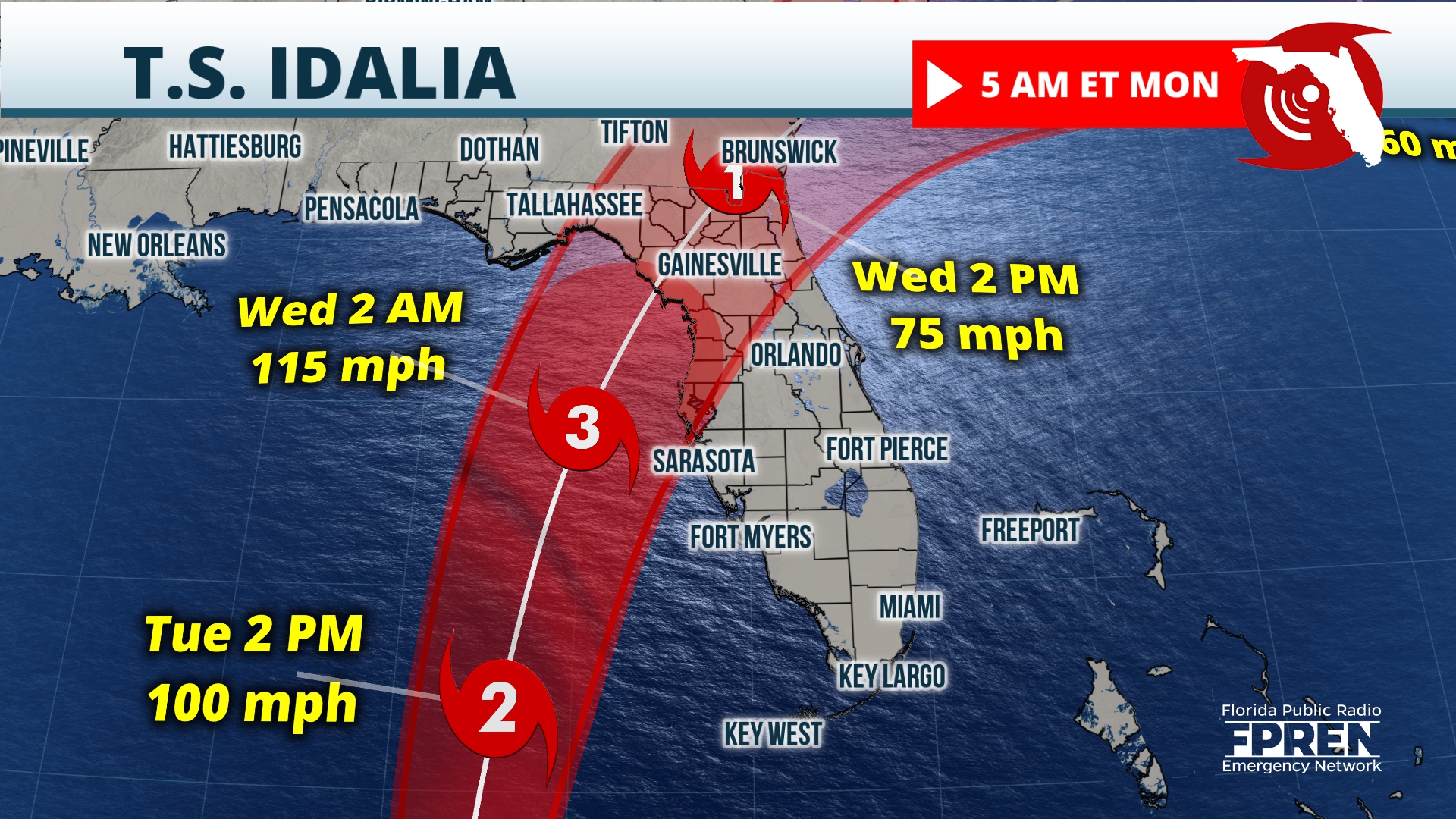
Several factors contribute to the intensity and frequency of hurricanes during a given season. These include:
- Sea Surface Temperatures (SSTs): Warmer ocean waters provide the fuel for hurricanes. Anomalously warm SSTs across the Atlantic Ocean and Caribbean Sea can lead to a more active season.
- Atmospheric Conditions: Phenomena like El Niño and La Niña, collectively known as the El Niño-Southern Oscillation (ENSO), play a significant role. During La Niña years, wind shear in the Atlantic tends to be lower, which is more conducive to hurricane development. Conversely, El Niño years often see increased wind shear, which can disrupt storm formation.
- The Madden-Julian Oscillation (MJO): This is a 30- to 60-day cycle of cloudiness and rainfall near the equator. When the MJO is in an active phase over the Atlantic, it can enhance tropical storm formation.
Meteorological agencies, such as the National Oceanic and Atmospheric Administration (NOAA), issue seasonal hurricane outlooks, typically starting in late spring. These outlooks provide probabilistic forecasts for the number of named storms, hurricanes, and major hurricanes expected during the season. While these are broad predictions, they are based on extensive data analysis and serve as an important early warning system for potential threats.
Peak Activity and Notable Periods
While hurricanes can occur at any point during the official season, certain periods are statistically more active. The “conveyor belt” of tropical activity often shifts westward and intensifies as the season progresses.
- August: The western Atlantic, including areas near the Bahamas and Florida, begins to see increased activity. Storms that form here can sometimes track towards the Florida coastline.
- September: This is historically the most active month for hurricanes in the Atlantic basin. Storms that form in the Cape Verde region can travel across the ocean and pose a threat to the Eastern Seaboard, including Florida. The Gulf of Mexico also becomes a more active area for storm development and intensification.
- October: While activity generally begins to wane in October, significant storms can still form, particularly in the Caribbean Sea and the western Atlantic. The Florida Keys and southern Florida remain susceptible to tropical systems during this month.
It is crucial to remember that even a single storm can cause significant disruption, regardless of the overall seasonal forecast. A “quiet” season does not eliminate the risk, and a “busy” season does not guarantee every storm will impact Florida.
Preparing for Potential Impacts: A Traveler’s Perspective
For travelers, understanding hurricane season is not about canceling plans preemptively but about informed decision-making and preparedness.
Travel Planning and Flexibility
When booking a trip to Florida during hurricane season, especially between August and October, it is wise to:
- Purchase Travel Insurance: Comprehensive travel insurance can protect your investment if your trip is canceled or interrupted due to a hurricane. Ensure the policy covers weather-related events.
- Book Flexible Reservations: Opt for accommodations and flights with flexible cancellation or rebooking policies. Many airlines and hotels understand the risks and offer such options during hurricane season.
- Monitor Forecasts: Stay informed about weather forecasts leading up to and during your trip. Reputable sources like the National Hurricane Center (NHC) provide timely and accurate information.
- Have a Contingency Plan: Consider alternative activities or even destinations within Florida that might be less affected by a storm. For example, if a hurricane is threatening the southern part of the state, inland attractions or the panhandle might remain accessible.
Safety and Evacuation
In the event of a hurricane threat, safety is paramount. Travelers should be aware of:
- Hotel Policies: Familiarize yourself with your hotel’s hurricane preparedness and evacuation procedures. Many resorts and hotels in Florida have well-established protocols.
- Evacuation Routes: If an evacuation order is issued, follow the guidance of local authorities. Understand the designated evacuation routes from your location.
- Emergency Supplies: While it’s unlikely for tourists to carry extensive emergency kits, it’s wise to have a small supply of water, non-perishable snacks, a flashlight, and any necessary medications.
Understanding Different Regions of Florida
Florida‘s extensive coastline means that different regions can experience varying degrees of impact from a single storm.
- South Florida: Including Miami, Fort Lauderdale, and the Florida Keys, this region is vulnerable to storms forming in the Caribbean Sea or the western Atlantic.
- Central Florida: Areas like Orlando and Tampa Bay can be affected by storms tracking across the Gulf of Mexico or curving northward from the Caribbean. While inland, these areas can still experience strong winds, heavy rainfall, and tornadoes.
- Northwest Florida (The Panhandle): This region is susceptible to storms forming in the Gulf of Mexico or tracking eastward from the Central Gulf Coast.
- Northeast Florida: Cities like Jacksonville can be impacted by storms moving up the Atlantic Coast or curving inland from the Bahamas.
The Role of the National Hurricane Center
The National Hurricane Center (NHC), a division of the National Weather Service, is the primary source of official hurricane information for the Atlantic basin. They provide:
- Tropical Weather Outlooks: Daily updates on tropical cyclone activity during hurricane season.
- Hurricane Watches and Warnings: Issued when hurricane conditions are expected or occurring within specific areas.
- Advisory Statements: Detailed information on storm track, intensity, and potential impacts.
- Probabilistic Forecasts: Providing the likelihood of a storm affecting certain areas within a specified timeframe.
Staying connected to NHC advisories is essential for both residents and visitors to make informed decisions. Their website and social media channels are invaluable resources.

Beyond the Forecast: Long-Term Perspectives
While the focus is often on the immediate threat, understanding the long-term patterns of hurricane activity can also inform planning. Climate change is an area of ongoing research, with scientists investigating its potential influence on hurricane intensity and frequency. While definitive conclusions are still being drawn, the possibility of more intense storms in the future underscores the importance of robust preparedness and resilient infrastructure in Florida.
For frequent visitors or those considering longer stays, being aware of historical hurricane tracks and the general behavior of storms in the Atlantic can add another layer to planning. However, it is vital to reiterate that every season is unique, and past patterns are not perfect predictors of future events.
In conclusion, while no one can definitively state when the next hurricane is “supposed to hit Florida,” a thorough understanding of hurricane season, its contributing factors, and the resources available for monitoring and preparation empowers individuals to travel and reside in this beautiful state with greater confidence and safety. By staying informed and planning flexibly, the magic of Florida can be enjoyed year-round, with due respect for the natural forces that shape its climate.
LifeOutOfTheBox is a participant in the Amazon Services LLC Associates Program, an affiliate advertising program designed to provide a means for sites to earn advertising fees by advertising and linking to Amazon.com. Amazon, the Amazon logo, AmazonSupply, and the AmazonSupply logo are trademarks of Amazon.com, Inc. or its affiliates. As an Amazon Associate we earn affiliate commissions from qualifying purchases.