
Florida’s tropical allure is, in no small part, thanks to its vibrant flora, with the hibiscus flower standing as a quintessential symbol of the Sunshine State’s exotic beauty. These showy blooms, ranging from fiery reds and oranges to delicate pinks and whites, transform gardens and landscapes into breathtaking displays. However, to ensure continued prolific blooming and maintain healthy, vigorous plants, strategic pruning is essential. Understanding when and how to cut back hibiscus in Florida is key to unlocking their full potential, allowing them to thrive in the unique subtropical climate. This guide will delve into the optimal timing and techniques for pruning these beloved plants, ensuring your Florida garden remains a spectacle of color year-round.

Understanding Hibiscus Growth Cycles in Florida
The key to successful hibiscus pruning in Florida lies in understanding their growth patterns within this specific climatic zone. Unlike regions with distinct temperate seasons, Florida’s climate is characterized by warm temperatures year-round, with a distinct wet season and a slightly cooler, drier winter. This environment allows hibiscus plants to grow and bloom almost continuously, but they still experience periods of reduced growth and flowering.
The Impact of Florida’s Climate on Hibiscus
Florida’s consistent warmth and abundant sunshine provide an ideal environment for hibiscus, which are native to tropical and subtropical regions. However, the intensity of the summer heat and the occasional frost or freeze in North Florida can influence their growth.
- Spring Growth Flush: As temperatures consistently rise after the cooler months, hibiscus plants typically experience a significant surge in new growth. This is a prime time for the plants to prepare for their most abundant flowering period.
- Summer Bloom and Potential Stress: During the peak of summer, hibiscus can bloom profusely. However, extreme heat and humidity can sometimes stress the plants, leading to a slight dip in flowering or increased susceptibility to pests and diseases.
- Fall Flowering: Many hibiscus varieties continue to produce flowers well into the fall, especially in South Florida where frost is rare. This period often sees a beautiful resurgence in blooms as the intense summer heat subsides.
- Winter Dormancy (Relative): While hibiscus in South Florida rarely experience true dormancy, plants in North Florida may show reduced growth or leaf drop during colder spells. Even in warmer regions, a slight slowdown in growth can occur.
Identifying Hibiscus Varieties in Florida Gardens
Florida gardens are home to a diverse range of hibiscus. While the principles of pruning are similar, understanding the specific type can inform your approach.
- Tropical Hibiscus (Hibiscus rosa-sinensis): This is the most commonly recognized and beloved hibiscus in Florida, known for its large, vibrant, and often exotic-looking flowers. They are generally more sensitive to cold and require more consistent pruning for shape and bloom.
- Rose Mallow (Hibiscus moscheutos): Also known as Hardy Hibiscus, these varieties are more tolerant of colder temperatures and can be pruned back more aggressively as they die back to the ground in cooler regions. Their flowers are also exceptionally large, often exceeding 10 inches in diameter.
- Confederate Rose (Hibiscus mutabilis): This unique variety changes color throughout the day, opening white or pale pink in the morning and maturing to deep pink or red by evening. It also tends to die back in cooler areas and benefits from a yearly pruning.
Optimal Pruning Times for Florida Hibiscus
The question of “when” to cut back hibiscus in Florida is nuanced, as the “best” time often depends on the specific goals of pruning, the plant’s health, and its location within the state. However, there are general guidelines that maximize flowering and plant vigor.
Post-Blooming Pruning for Shape and Health
One of the most important pruning times is immediately after a major blooming period. This allows you to shape the plant, remove spent flowers, and encourage new growth that will lead to future blooms.
- After Spring Bloom Flush: As the initial wave of spring flowers begins to fade, typically in late spring or early summer, this is an excellent time for a moderate pruning. This will tidy up the plant and stimulate it to produce more flowers throughout the summer. Focus on removing any crossing branches, weak stems, or stems growing inwards.
- Addressing Overgrowth: If your hibiscus has become leggy or overgrown at any point during its active growing season, a light to moderate pruning can be performed. This is particularly true for tropical hibiscus that can grow quite rapidly in Florida’s climate.
Pre-Blooming Pruning for Enhanced Flower Production
While not strictly a “cut back” in the sense of a heavy pruning, strategic light pruning before a major growth spurt can significantly enhance flowering.
- Late Winter/Early Spring: For most of Florida, the late winter or very early spring, before the significant growth of spring begins, is an ideal time for a more substantial pruning. This encourages the plant to channel its energy into producing strong new growth, which will bear abundant flowers. It also helps to rejuvenate older plants and maintain a desirable size and shape.
Considerations for North Florida vs. South Florida

The difference in winter temperatures between North Florida and South Florida significantly impacts pruning strategies.
- South Florida: In the warmer southern regions, where frost is a rare occurrence, hibiscus can be pruned year-round with caution. However, the late winter/early spring timing remains a critical period for shaping and encouraging robust growth for the upcoming blooming season. Overly aggressive pruning too late in the fall could potentially stimulate new growth that is then damaged by unexpected cold snaps.
- North Florida: In North Florida, where there is a greater likelihood of frost or freezing temperatures, it is advisable to delay any significant pruning until after the last threat of frost has passed. For hardy varieties like the Rose Mallow, a severe dieback is expected, and they can be cut back to the ground in late winter. For tropical hibiscus, wait until you see signs of new growth appearing before undertaking more substantial pruning.
Types of Pruning and Their Benefits
The “how” of cutting back your hibiscus is as important as the “when.” Different pruning techniques serve different purposes, from maintaining aesthetics to promoting plant health and maximizing blooms.
Light Pruning (Deadheading and Shaping)
This is the most frequent type of pruning and can be done whenever needed throughout the growing season.
- Deadheading: Removing spent flowers before they go to seed not only keeps the plant looking tidy but also redirects the plant’s energy from seed production back into producing more blooms. Simply snip off the faded flower just above a set of leaves or a side shoot.
- Shaping: Lightly trim back any stems that are growing awkwardly, crossing other branches, or extending too far beyond the desired shape of the plant. This helps maintain a balanced and attractive form.
Moderate Pruning (Encouraging Bushiness and Bloom)
This involves removing a larger portion of the plant, typically one-third to one-half of the current season’s growth.
- Stimulating New Growth: Moderate pruning encourages the plant to produce more branching, resulting in a bushier plant with more flowering sites. Cut back stems to just above an outward-facing bud or leaf node.
- Improving Air Circulation: Removing some interior branches can improve air circulation within the plant, reducing the risk of fungal diseases.
- Timing is Crucial: This type of pruning is best done in late winter or early spring, before the main growth flush.
Heavy Pruning (Rejuvenation and Control)
This is the most aggressive form of pruning, where you cut back a significant portion of the plant, sometimes down to a few inches from the ground.
- Rejuvenating Old Plants: For older, leggy, or neglected hibiscus, heavy pruning can stimulate vigorous new growth from the base, effectively rejuvenating the plant.
- Controlling Size: If a hibiscus has become too large for its space, heavy pruning can be used to drastically reduce its size.
- For Hardy Varieties: As mentioned, hardy hibiscus (Rose Mallow) and Confederate Roses often benefit from being cut back to the ground in late winter, as they tend to die back naturally in cooler climates.
- Use with Caution: This type of pruning should be used sparingly on tropical hibiscus and only when necessary, as it will sacrifice the current season’s blooms to allow for strong regrowth. Always ensure there are healthy buds or root systems remaining.
Essential Tools and Techniques for Pruning
Using the right tools and employing proper techniques will ensure clean cuts, minimize stress on the plant, and promote faster healing.
Recommended Tools for Pruning Hibiscus
- Hand Pruners (Secateurs): Essential for cutting small to medium-sized stems. Choose bypass pruners for cleaner cuts that heal better. Keep them sharp and clean to prevent disease transmission.
- Loppers: Useful for thicker branches that are too large for hand pruners. They provide more leverage.
- Pruning Saw: For very thick, woody stems that loppers cannot handle. Again, a sharp, clean saw is crucial.
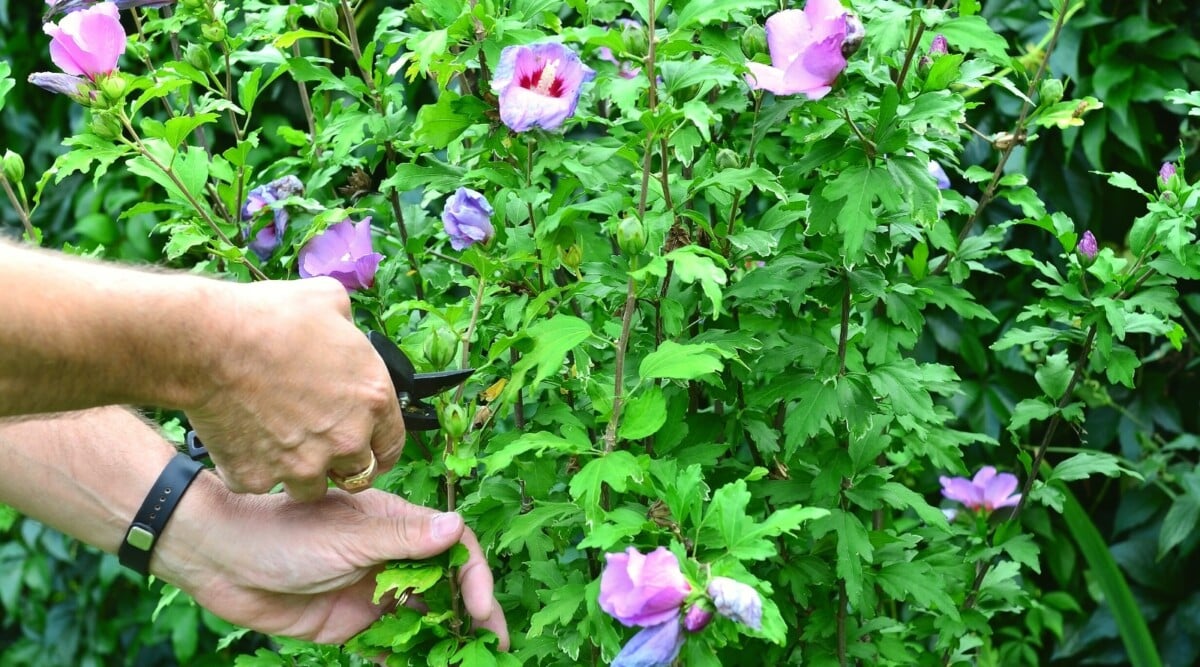
Proper Pruning Techniques
- Make Clean Cuts: Always use sharp tools to make clean cuts. Jagged cuts can be entry points for pests and diseases.
- Cut Above an Outward-Facing Bud: When pruning stems, make your cut at a slight angle, about a quarter-inch above an outward-facing bud or leaf node. This encourages new growth to go outwards, maintaining an open and desirable shape for the plant.
- Remove Diseased or Damaged Wood: At any time of year, promptly remove any branches that show signs of disease, pest infestation, or physical damage. Cut back to healthy wood.
- Avoid Stubbing: Do not leave long stubs when pruning. These are unsightly and can die back, becoming entry points for decay.
- Sanitize Your Tools: If you are pruning a diseased plant, it is imperative to clean and sanitize your tools (e.g., with rubbing alcohol or a bleach solution) between cuts and especially before moving to a healthy plant.
By adhering to these guidelines on when and how to prune your hibiscus in Florida, you can ensure these magnificent plants remain healthy, vigorous, and continue to provide a spectacular display of color throughout the year, contributing to the breathtaking beauty of your Florida garden. Whether you are tending to a classic tropical hibiscus or a hardy Rose Mallow, timely and appropriate pruning is your secret to unlocking their full, vibrant potential.
LifeOutOfTheBox is a participant in the Amazon Services LLC Associates Program, an affiliate advertising program designed to provide a means for sites to earn advertising fees by advertising and linking to Amazon.com. Amazon, the Amazon logo, AmazonSupply, and the AmazonSupply logo are trademarks of Amazon.com, Inc. or its affiliates. As an Amazon Associate we earn affiliate commissions from qualifying purchases.