
When one speaks of iconic landmarks and the pinnacle of themed entertainment, the name Walt Disney World Resort in Florida invariably arises. This sprawling complex, a global beacon for families and a testament to visionary storytelling, is far more than just a collection of theme parks; it represents a significant chapter in American architectural history and a monumental undertaking in large-scale project management. Understanding its genesis, particularly the timeline of its construction, offers a profound insight into the ambitious spirit that conceived and executed such a colossal endeavor. The question of “When was Disney World Florida built?” is not a simple date; it’s a narrative of meticulous planning, groundbreaking innovation, and the realization of a dream that would redefine the concept of a vacation destination.
The Genesis of the Florida Project: A Dream Takes Root
The idea for a second Disney resort, one that would surpass the successes and limitations of Disneyland in California, began to germinate in the mind of Walt Disney himself. Following the opening of Disneyland in 1955, Walt recognized the potential for a much larger, more comprehensive entertainment complex. He envisioned a place that would not only offer rides and attractions but also serve as a showcase for technological innovation and a model for future city planning, embodied in his concept of the Experimental Prototype Community of Tomorrow (EPCOT).
Early Planning and Land Acquisition
The search for a suitable location began in the early 1960s. Walt Disney and his team scouted various sites across the United States, but ultimately, the climate, abundant land, and relative seclusion of central Florida proved ideal. The specific tract of land, a vast expanse of undeveloped swampland and pine forests in Osceola and Orange counties, was chosen for its accessibility via major highways and its potential for expansion.
The acquisition of over 27,000 acres was a clandestine operation. To avoid inflating land prices, Walt Disney Productions established a network of dummy corporations to purchase the land discreetly throughout the mid-1960s. This was a crucial step, ensuring that the full scope of the project could be realized without interference or exorbitant costs. The secrecy surrounding the land deal and the project’s true purpose was paramount to its success.
The Visionary’s Passing and the Project’s Continuation
Tragically, Walt Disney passed away in December 1966, before his grand Florida project could break ground. This loss cast a shadow of uncertainty over the future of the ambitious undertaking. However, his brother, Roy O. Disney, stepped in to ensure that Walt’s final, greatest dream would be realized. Roy famously declared that “Walt’s dream would be dedicated to the dreams of others,” committing himself to overseeing the construction and financing of the Florida resort. He spent his remaining years championing the project, ensuring its financial stability and adherence to Walt’s original vision.
The Blueprint for Magic: Construction and Development
The period following Walt’s death was one of intense planning and the commencement of physical construction. The scale of the project was unprecedented, requiring innovative approaches to infrastructure, theme park design, and resort development.
Infrastructure and Engineering Marvels
Before any iconic structures could rise, the land itself had to be transformed. This involved massive earthmoving operations, the draining of wetlands, and the creation of a sophisticated infrastructure system. A key engineering feat was the development of the Resort’s own power generation facilities and an extensive network of canals and waterways.
Perhaps the most famous, yet unseen, element of the infrastructure is the intricate tunnel system beneath Magic Kingdom. Known as the “Utilidors,” this underground network allows park staff to move merchandise, waste, and themselves discreetly, maintaining the illusion of a seamless, magical experience for guests above. The planning and construction of these Utilidors were a direct manifestation of Walt’s desire for operational efficiency and a pristine guest environment.
Thematic Design and Architectural Flourishes
The architectural and thematic design of Walt Disney World Resort was overseen by a team of talented Imagineers. Drawing inspiration from various architectural styles and historical periods, they created distinct environments that transported guests to different worlds.
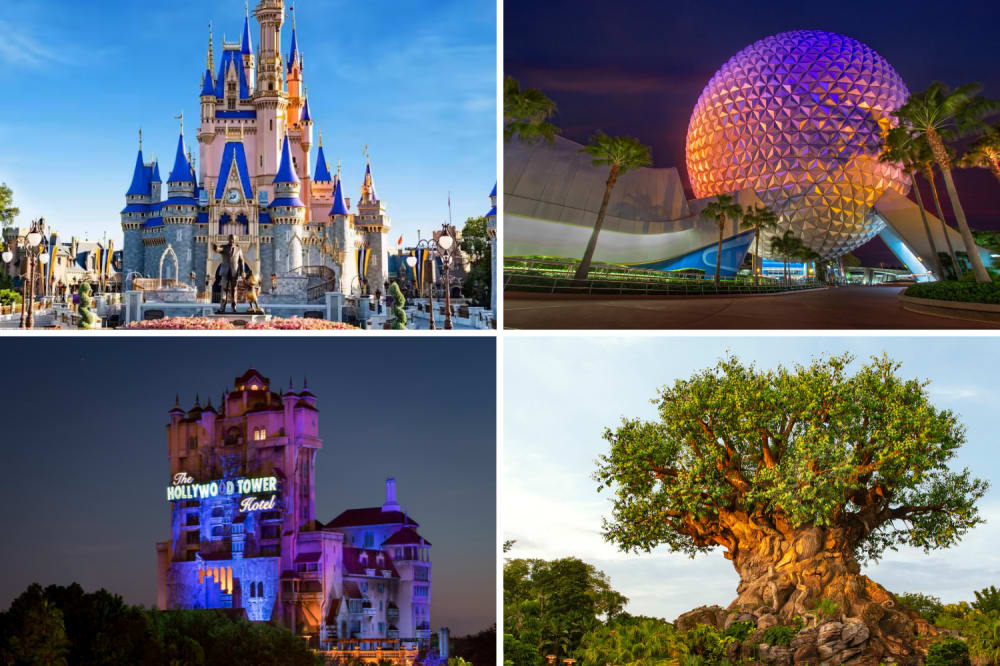
- Magic Kingdom: This park, the first to open, was designed as a fantasy kingdom, with Cinderella Castle serving as its breathtaking centerpiece. The design of the castle was inspired by real European castles, but with a distinctly Disney flair, embodying romance and grandeur. The surrounding lands – Adventureland, Frontierland, Liberty Square, and Fantasyland – were meticulously crafted to evoke specific historical and imaginative eras.
- EPCOT Center: Originally conceived as the Experimental Prototype Community of Tomorrow, EPCOT was re-imagined as a dual-purpose park, celebrating technological innovation in Future World and showcasing the cultures of various nations in the World Showcase. The geodesic dome of Spaceship Earth became an iconic symbol of this park’s focus on progress and global understanding.
Construction Timeline and Key Milestones
The construction of Walt Disney World Resort was a phased development, with the initial components opening in stages.
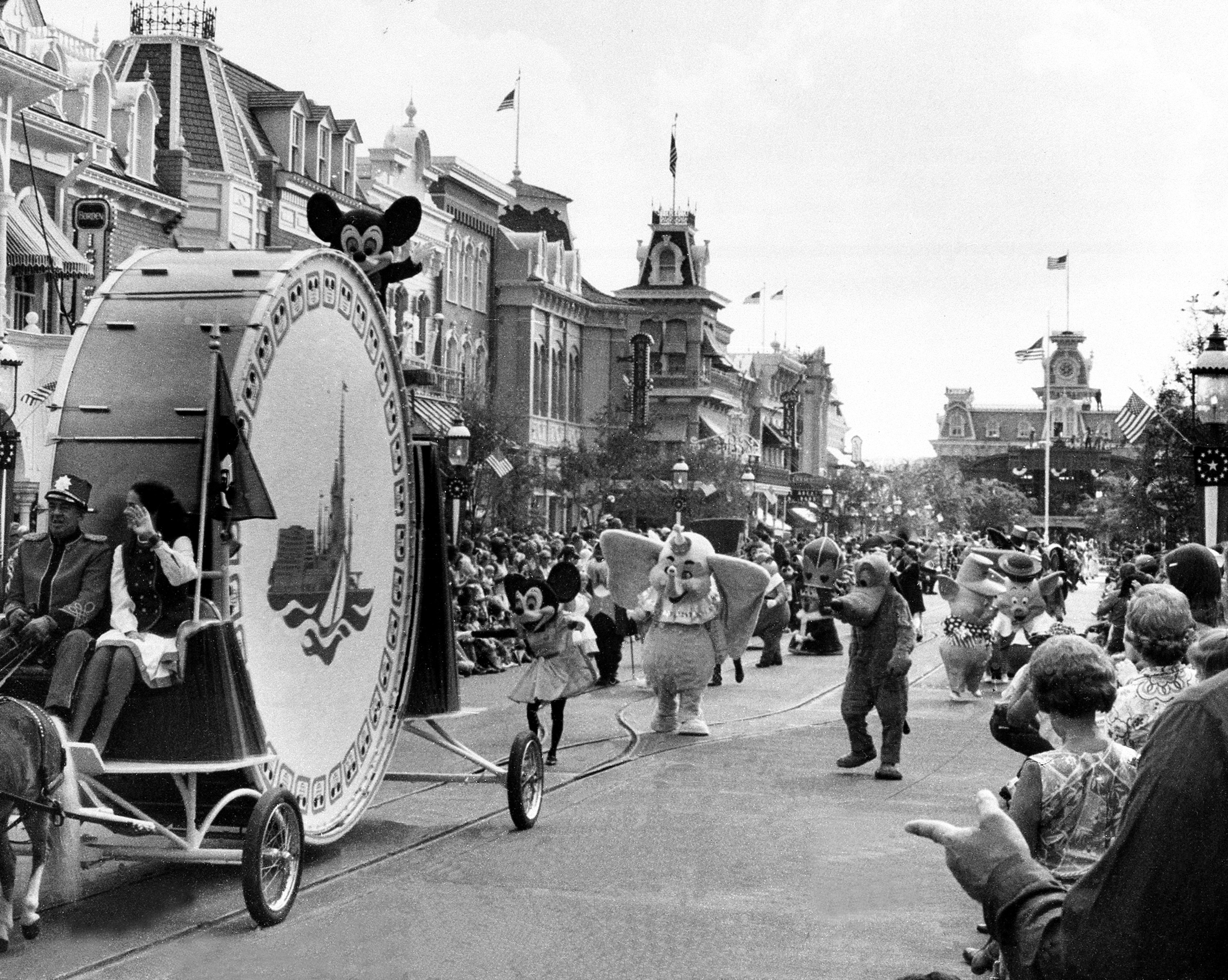
- October 1, 1971: This is the landmark date for the grand opening of the first phase of the resort, which included the Magic Kingdom theme park, two resort hotels – the Disney’s Contemporary Resort and Disney’s Polynesian Village Resort – and a recreational area. This opening marked the culmination of years of planning and construction, fulfilling Walt’s and Roy’s vision.
- Early 1970s: Following the initial opening, development continued at a rapid pace. Disney’s Fort Wilderness Resort opened in 1974, followed by Disney’s Lake Buena Vista Club (later renamed Disney’s Village Resort) in 1975.
- October 1, 1982: This date marked the opening of EPCOT Center, the second major theme park at the resort. Its opening significantly expanded the offerings and cemented Disney World’s status as a multi-day destination.
- Subsequent Decades: The resort continued to evolve with the opening of Disney-MGM Studios (now Disney’s Hollywood Studios) in 1989 and Disney’s Animal Kingdom in 1998. Each park represented a new phase of construction and thematic expansion, turning the initial vision into a vast entertainment empire.
The Enduring Legacy: More Than Just a Theme Park
The construction of Walt Disney World Resort was not merely an exercise in building attractions; it was an act of creation that shaped the landscape and economy of central Florida. The resort’s opening had an immediate and profound impact on the region, transforming it from a relatively quiet agricultural area into a global tourist mecca.
Economic and Societal Impact
The sheer scale of the construction project employed tens of thousands of workers and spurred the development of supporting industries. Post-opening, Disney World became a major employer, drawing people from across the country and the world to live and work in the surrounding communities. The development of infrastructure, such as the expansion of highways and the growth of hotels and restaurants outside the resort’s immediate perimeter, can be directly attributed to the presence of Disney’s monumental project. The resort’s success also inspired the development of other entertainment and hospitality ventures in the region, solidifying central Florida’s reputation as a premier vacation destination.

Architectural and Experiential Innovation
Walt Disney World Resort set new standards for themed entertainment, immersive environments, and guest experience. The dedication to detail, the integration of storytelling into every aspect of the guest journey, and the pioneering use of technology in attractions have influenced countless other entertainment venues worldwide. From the iconic silhouettes of its castles and domes to the hidden infrastructure that ensures seamless operation, every element of the resort reflects a deliberate and masterful approach to design and construction. The building of Disney World was, and continues to be, a dynamic process of evolution, demonstrating a lasting commitment to innovation and the creation of magical experiences.
LifeOutOfTheBox is a participant in the Amazon Services LLC Associates Program, an affiliate advertising program designed to provide a means for sites to earn advertising fees by advertising and linking to Amazon.com. Amazon, the Amazon logo, AmazonSupply, and the AmazonSupply logo are trademarks of Amazon.com, Inc. or its affiliates. As an Amazon Associate we earn affiliate commissions from qualifying purchases.