
The story of Orlando, Florida is one of transformation, a journey from a sparsely populated frontier settlement to a global epicenter of entertainment and innovation. While the magic and theme parks that define modern Orlando are relatively recent, the city’s roots run deeper, entwined with the rich history of the Sunshine State. Understanding its establishment involves tracing the early days of settlement, the key figures who shaped its identity, and the pivotal moments that set it on its path to prominence.
Early Settlements and the Genesis of Orlando
Long before the allure of Walt Disney World Resort drew millions, the land that is now Orlando was home to the indigenous Seminole people. Their presence marked the earliest human habitation in the region, utilizing the abundant natural resources for sustenance and shelter. The landscape was characterized by vast pine forests, saw palmetto scrub, and numerous lakes, offering a stark contrast to the bustling urban environment of today.
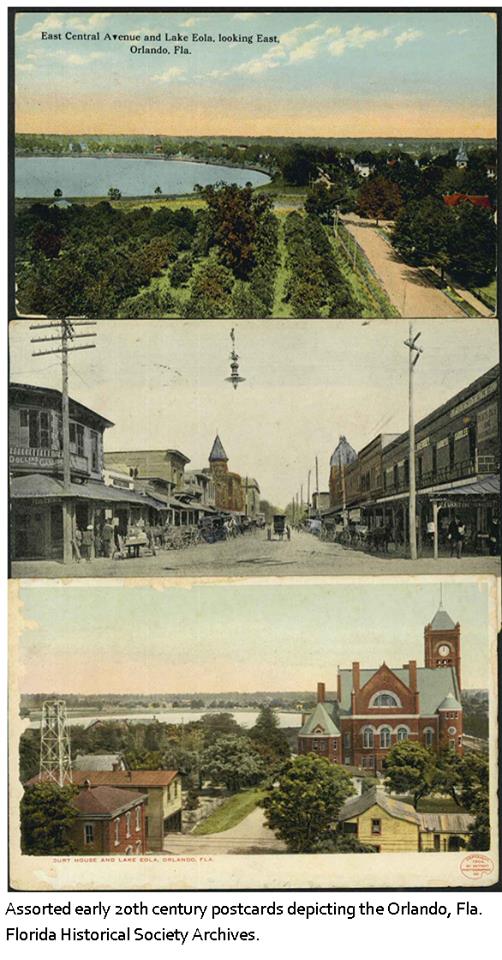
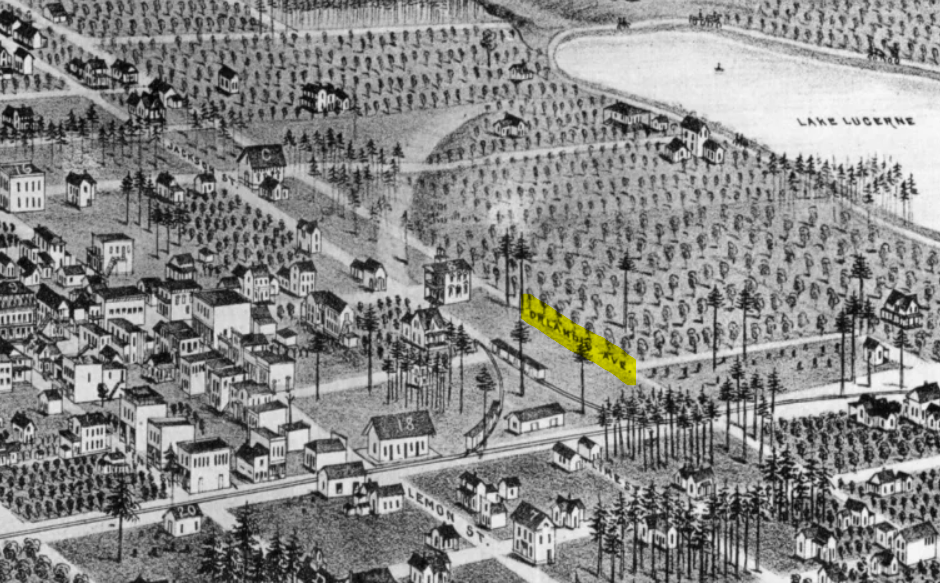
European settlement began to take hold in the mid-19th century. The area was initially known by various names, reflecting the transient nature of early frontier life. One of the earliest named settlements in the vicinity was called “Jernigan,” after prominent settler J.Q. Jernigan. This early outpost was situated near a significant lake, which would later become instrumental in the city’s identity.
The establishment of a military fort, Fort Gatlin, during the Second Seminole War in the 1840s, also contributed to the nascent community’s growth. The fort served as a strategic point and brought more people into the region, including soldiers and their families, further solidifying a sense of permanence.
The Naming of Orlando
The pivotal moment in the city’s formal establishment arrived in the 1850s. The burgeoning community, still informally known as Jernigan, sought a more formal designation. The catalyst for this change was the establishment of a post office. A key figure in this transition was a wealthy cattle rancher named Aaron Jernigan, who was instrumental in lobbying for the post office.
The legend surrounding the naming of Orlando is a charming piece of local lore. While various theories exist, the most widely accepted and celebrated narrative attributes the name to the character Orlando from Shakespeare’s play “As You Like It.” It is said that a militiaman named George W. Heath, a fervent admirer of Shakespeare, suggested the name. He reportedly chose it because he felt the area’s beauty and potential reminded him of the pastoral settings described in the play. This renaming took place in 1857, marking the official birth of Orlando as a recognized settlement.
The change from “Jernigan” to “Orlando” signified a deliberate effort to forge a distinct identity for the community, moving beyond the initial settler’s name to something more evocative and aspirational. This new name was not only adopted for the post office but also for the growing settlement itself.
The Road to Incorporation and Early Growth
Following its renaming, Orlando continued to grow, albeit at a modest pace. The surrounding fertile lands attracted farmers and ranchers, and the development of the citrus industry became a significant economic driver in the late 19th century. The arrival of the railroad was a transformative event, connecting Orlando to other parts of Florida and beyond, facilitating trade and encouraging further settlement.
Official Incorporation
The desire for self-governance and a more structured community led to the formal incorporation of the City of Orlando. This significant milestone occurred on July 31, 1875. Incorporation granted the city legal status, allowing it to establish a municipal government, enact ordinances, and provide essential services to its residents. The first elected mayor and city council took office, marking the beginning of organized civic life in Orlando.
The late 19th and early 20th centuries saw Orlando evolve from a frontier town into a more established regional center. The citrus boom, despite occasional setbacks due to freezes, brought prosperity and attracted new residents. Key infrastructure, such as schools and churches, began to appear, laying the groundwork for a more developed urban landscape.
Orlando’s Transformation: From Orange Groves to Theme Park Capital
The true metamorphosis of Orlando into the global destination it is today began in the latter half of the 20th century. While the city had a solid foundation as a regional hub, its destiny as a world-renowned entertainment mecca was set in motion by a visionary project.
The Disney Era and Beyond
The announcement and subsequent opening of Walt Disney World Resort in 1971 was a watershed moment for Orlando. This ambitious undertaking by The Walt Disney Company single-handedly reshaped the local economy and its global perception. The creation of Magic Kingdom park, followed by EPCOT, Disney’s Hollywood Studios, and Disney’s Animal Kingdom, transformed the landscape and attracted unprecedented numbers of tourists.
The success of Disney spurred further development in the tourism and hospitality sectors. Competitors like Universal Orlando Resort, with its own array of theme parks and attractions, soon followed, creating a dynamic and competitive entertainment district. Numerous hotels, resorts, convention centers, and dining establishments sprang up to cater to the influx of visitors.
Modern Orlando
Today, Orlando is far more than just theme parks. It is a vibrant metropolitan area with a diversified economy, a growing tech sector, and a rich cultural tapestry. Its strategic location in central Florida, coupled with its established infrastructure for tourism, has made it a major player in national and international travel. The city’s commitment to innovation and continuous development ensures that its story, which began with a humble post office and a Shakespearean name, continues to unfold with boundless possibilities. The journey from its establishment in the mid-19th century to its current status as a global icon is a testament to its resilience, foresight, and enduring appeal.
LifeOutOfTheBox is a participant in the Amazon Services LLC Associates Program, an affiliate advertising program designed to provide a means for sites to earn advertising fees by advertising and linking to Amazon.com. Amazon, the Amazon logo, AmazonSupply, and the AmazonSupply logo are trademarks of Amazon.com, Inc. or its affiliates. As an Amazon Associate we earn affiliate commissions from qualifying purchases.