
The relentless sun and sweltering humidity are synonymous with the Sunshine State, but for many Floridians and visitors, the question isn’t if Florida is hot, but when it will finally offer a respite. While “cool” is a relative term in this subtropical climate, understanding the seasonal patterns and the factors influencing temperature shifts is key to planning your perfect Florida experience, whether you’re seeking vibrant city exploration, tranquil beach escapes, or thrilling theme park adventures. This guide delves into the climatic rhythm of Florida, offering insights to help you navigate its warmth and anticipate its cooler interludes.
Understanding Florida’s Unique Climate
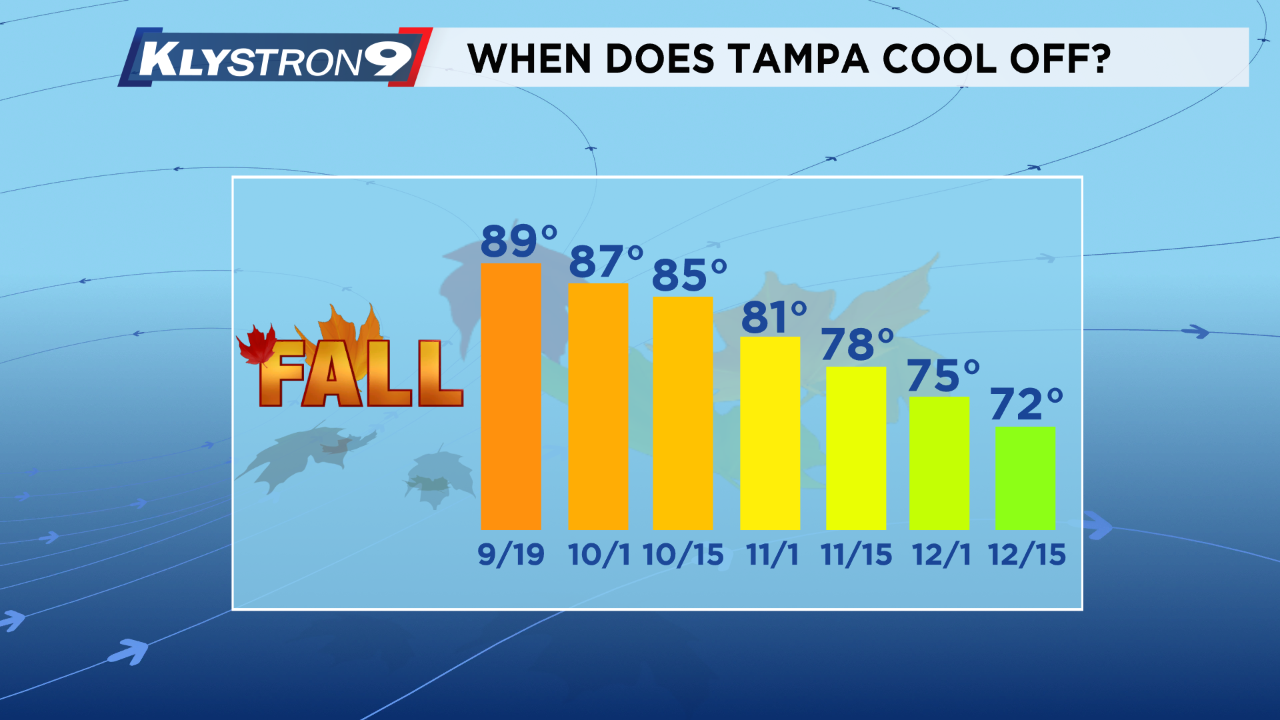
Florida’s heat is not a monolithic entity. It’s a complex interplay of geography, ocean currents, and atmospheric conditions. Situated on a peninsula with extensive coastlines on both the Atlantic Ocean and the Gulf of Mexico, the state benefits from moderating sea breezes, yet its low elevation and proximity to the tropics mean heat and humidity often prevail.
The Tropical Influence
Florida lies within the subtropics, bordering the tropics. This geographical position dictates much of its weather. High solar insolation throughout the year, coupled with the warm, moist air masses originating from the Caribbean Sea and the Gulf of Mexico, contribute to consistently high temperatures and humidity levels for much of the year. The state experiences two primary seasons from a temperature perspective: a hot, humid summer and a warm, drier winter. The shoulder seasons, spring and autumn, offer transitional periods with varying degrees of relief.
The Role of the Gulf Stream and Atlantic Currents
The warm waters of the Gulf Stream, which flows northward along Florida’s Atlantic coast, and other regional ocean currents play a significant role in moderating coastal temperatures. While they prevent extreme cold from settling in, they also contribute to the overall warmth of the surrounding environment. This means that even during the “cooler” months, coastal areas often remain balmy, offering a distinct advantage for travelers seeking year-round sunshine.
Inland vs. Coastal Differences
It’s crucial to recognize that temperatures can vary significantly between inland areas and coastal regions. Coastal areas generally experience more moderate temperatures due to the cooling effect of sea breezes. Inland Florida, particularly in the central and southern parts, can experience more extreme highs and greater humidity, as these areas are further from the moderating influence of the ocean. Cities like Orlando and Tampa might feel hotter than Miami or Key West during the peak summer months, despite being at similar latitudes, due to the absence of consistent ocean breezes.
The Seasons of Sunshine: When to Expect Cooler Air
While “cool” might be a subjective term in Florida, there are distinct periods when temperatures become more pleasant and the oppressive humidity begins to recede. Understanding these seasonal shifts is vital for planning your visit to avoid the most intense heat.
The “Cool” Season: November to April
This is unequivocally Florida’s most sought-after period for many travelers, and for good reason. From November through April, the state experiences its mildest and driest weather.
Winter Wonders: December to February
During these months, daytime temperatures typically range from the comfortable 60s to the pleasant 70s Fahrenheit across most of the state. Northern Florida, including cities like Jacksonville and the Panhandle, can occasionally see temperatures dip into the 50s, and rarely, the 40s, especially during early mornings and late evenings. This offers a refreshing change for those escaping colder climates. Even southern Florida, including Miami and the Florida Keys, enjoys average highs in the low 70s, making it an ideal time for exploring attractions like Everglades National Park or enjoying the beaches without the scorching sun.
Spring Transition: March to April
As Florida transitions into spring, temperatures begin to climb, but the humidity generally remains lower than in summer. March often continues the pleasant winter-like conditions, while April sees a gradual increase in warmth, with daytime highs frequently reaching the 80s Fahrenheit. This period is excellent for outdoor activities, from visiting Walt Disney World to exploring the historic streets of St. Augustine. However, it’s also a popular time for visitors, so expect larger crowds at major attractions and higher accommodation rates.
The Shoulder Seasons: May and October
These months represent the transitional periods between the intense heat of summer and the relative coolness of winter. They can offer a good balance of warm weather and slightly less humidity, but with an increasing chance of rain.
Late Spring Warm-up: May
May marks the beginning of summer-like conditions. Temperatures consistently reach into the 80s and often the low 90s Fahrenheit. While still generally more pleasant than the peak summer months, the humidity begins to rise, and afternoon thunderstorms become more common. This month can be a good time to visit before the true onslaught of summer heat and hurricane season.
Early Autumn Appeal: October
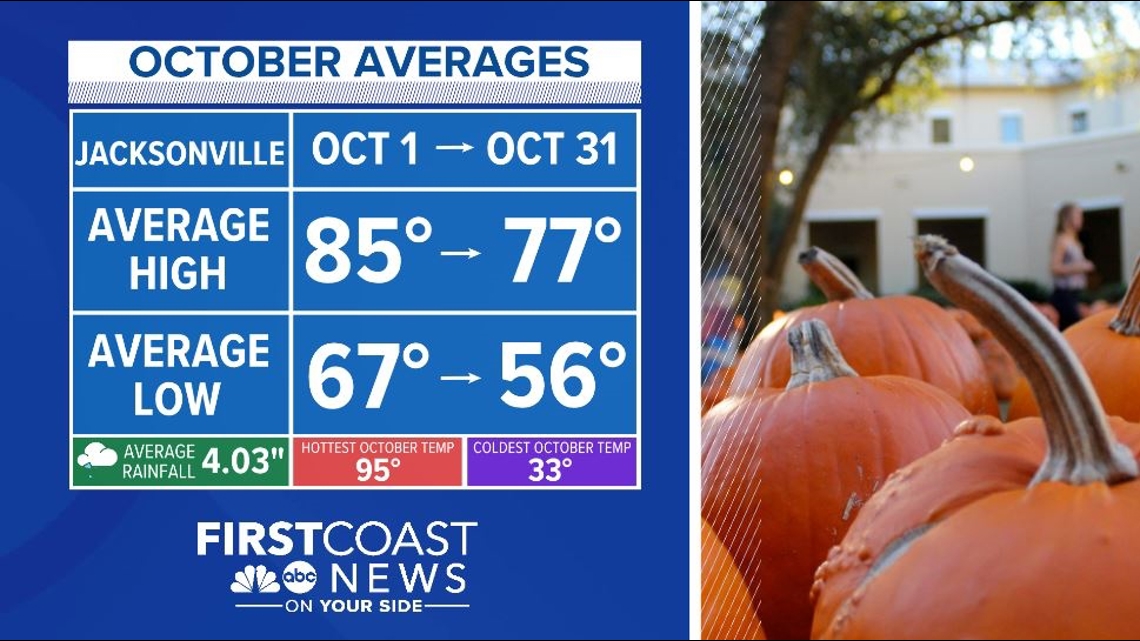
October is a highly desirable month for many Florida visitors. The most intense heat of summer has usually broken, and temperatures begin to moderate, with daytime highs typically in the high 70s to low 80s Fahrenheit. The humidity also starts to decrease, and the threat of daily thunderstorms lessens. This makes it an excellent time to enjoy outdoor activities, explore the beaches of Clearwater or Siesta Key, or visit the many art festivals and cultural events that Florida hosts during this time. It’s also a prime time for enjoying the vibrant nightlife of cities like Fort Lauderdale.
The Hot Season: June to September
This period is characterized by high temperatures, intense humidity, and frequent, often dramatic, thunderstorms. While many visitors still flock to Florida during these months, especially for summer vacations, it requires a different approach to managing the heat.
The Height of Summer: June to August
Daytime temperatures consistently soar into the 90s Fahrenheit, often feeling hotter due to the high humidity levels, which can push the heat index into the triple digits. The afternoons are typically marked by heavy, albeit brief, thunderstorms that can bring dramatic lightning displays and torrential rain. These storms usually dissipate as quickly as they form, leaving behind steamy, warm conditions. Despite the heat, these months are popular for families on summer break, eager to enjoy the theme parks in Orlando or the beaches along the Gulf Coast. Staying hydrated, seeking air-conditioned indoor attractions, and planning outdoor activities for the early morning or late evening are essential strategies.
The End of Summer and Start of Fall: September
September is often still very hot and humid, though the intensity of the heat may begin to slightly wane from its August peak. The biggest concern in September is the heightened risk of tropical systems. While hurricanes can occur from June 1st to November 30th, the peak of hurricane season is typically in August and September. This means that while the temperatures might feel slightly less oppressive than July or August, the possibility of disruptive weather necessitates constant monitoring of forecasts.
Factors Influencing Temperature Shifts
Beyond the broad seasonal patterns, several localized and atmospheric factors can influence when Florida feels cooler.
Cold Fronts and Canadian Air Masses
The most significant and noticeable “cooling” events in Florida occur when cold fronts push southward from the continent. These fronts, originating from Canada and the northern United States, are typically more active during the fall, winter, and early spring. When a strong cold front moves through, it can bring several days of significantly cooler and drier air, with daytime temperatures dropping into the 50s and 60s Fahrenheit, and nighttime lows potentially reaching the 40s in northern Florida. These events are temporary, usually lasting a few days to a week, but they provide a welcome break from the heat and are often anticipated by residents.
Localized Thunderstorms and Evening Breezes
Even during the hottest months, localized thunderstorms can temporarily lower the temperature in their immediate vicinity. The heavy rainfall and cloud cover can provide a short-lived respite. Furthermore, the consistent sea breeze that develops along the coasts, particularly in the late afternoon and evening, can offer a noticeable cooling effect, making coastal areas feel more comfortable than inland locations. This is why a sunset stroll along the beaches of Sarasota or a visit to the waterfront in St. Petersburg can be so refreshing.
El Niño and La Niña Phenomena
Larger-scale climate patterns, such as El Niño and La Niña (collectively known as ENSO – El Niño-Southern Oscillation), can also influence Florida’s temperature and precipitation patterns. During an El Niño year, Florida may experience cooler and wetter conditions, especially during its winter and spring. Conversely, La Niña years can bring warmer and drier conditions. While these phenomena have a global impact, their influence on regional weather can be subtle but measurable, affecting the typical temperature ranges and the timing of seasonal transitions.
Planning Your Florida Visit for Optimal Comfort
For travelers aiming to experience Florida without the most intense heat and humidity, strategic planning is key.
The Sweet Spot: Late October to Early May
To maximize your chances of pleasant weather and avoid the peak heat, aim for a visit between late October and early May. This period generally offers the mildest temperatures and lowest humidity. Within this window, consider the following:
- December to February: Ideal for experiencing the “coolest” weather, perfect for outdoor activities and enjoying attractions without extreme heat. This is also a popular time for snowbirds escaping colder climates, so book accommodations and flights in advance.
- March to April: Continues the pleasant weather with a gradual warming trend. Good for theme park visits and spring break trips, but expect larger crowds and higher prices.
- Late October to November: Offers a transition from summer heat to cooler, drier air. It’s often less crowded than the winter months and provides a comfortable climate for exploring.
- May: A good option for those who prefer warmer temperatures but want to avoid the most intense humidity and thunderstorm activity of June through September.

Navigating the Summer Heat
If your travel plans are limited to the summer months, embrace the warmth with smart strategies:
- Hydrate: Drink plenty of water throughout the day.
- Seek Air Conditioning: Plan indoor activities like museum visits, shopping, or enjoying shows during the hottest parts of the day.
- Early Mornings and Late Evenings: Schedule outdoor excursions, such as beach visits or theme park rides, for the cooler parts of the day.
- Embrace the Storms: Enjoy the dramatic afternoon thunderstorms from a safe, covered location, often followed by a refreshing drop in temperature.
- Choose Coastal Stays: Resorts and hotels along the coast, like those in Naples or Palm Beach, benefit from sea breezes that can significantly temper the heat.
Ultimately, Florida offers a diverse range of experiences year-round. By understanding its climatic patterns and planning accordingly, you can ensure your visit is as comfortable and enjoyable as possible, allowing you to truly appreciate the magic of the Sunshine State, regardless of the thermometer’s reading.
LifeOutOfTheBox is a participant in the Amazon Services LLC Associates Program, an affiliate advertising program designed to provide a means for sites to earn advertising fees by advertising and linking to Amazon.com. Amazon, the Amazon logo, AmazonSupply, and the AmazonSupply logo are trademarks of Amazon.com, Inc. or its affiliates. As an Amazon Associate we earn affiliate commissions from qualifying purchases.