
Florida, a state synonymous with sunshine and warmth, often conjures images of year-round beach days and vibrant outdoor activities. However, like any region with a diverse climate, Florida does experience cooler periods, particularly during the winter months. Understanding these seasonal shifts is crucial for both residents and visitors planning their perfect escape to the Sunshine State. This exploration delves into the nuances of Florida’s “cold” seasons, examining the typical weather patterns, regional variations, and the best times to experience a cooler, yet still delightful, Florida.
Understanding Florida’s “Cold” Season
While “cold” in Florida is relative to its notoriously hot summers, the state does experience a noticeable drop in temperatures from late November through February. This period, often referred to as the winter season, offers a refreshing respite from the intense humidity and heat.

Typical Winter Temperatures
Florida’s winter temperatures vary significantly by region. The northern parts of the state, closer to the Georgia border, tend to be cooler, with average daily temperatures often ranging from the low 50s to the mid-70s Fahrenheit. Freezing temperatures are not unheard of in these areas, particularly overnight, though prolonged deep freezes are rare.
Central Florida, including popular destinations like Orlando and Tampa, typically enjoys milder winters. Daytime highs usually hover in the 60s and 70s, while nights can dip into the 40s and 50s.
South Florida, encompassing cities like Miami and the Florida Keys, experiences the warmest winters in the continental United States. Here, daytime temperatures often remain in the 70s and 80s, and frost is exceptionally rare. The “cold” in South Florida is more likely to be felt as a crisp breeze or a dip into the low 60s on a particularly cool day.
Factors Influencing Temperature
Several meteorological factors contribute to Florida’s cooler periods:
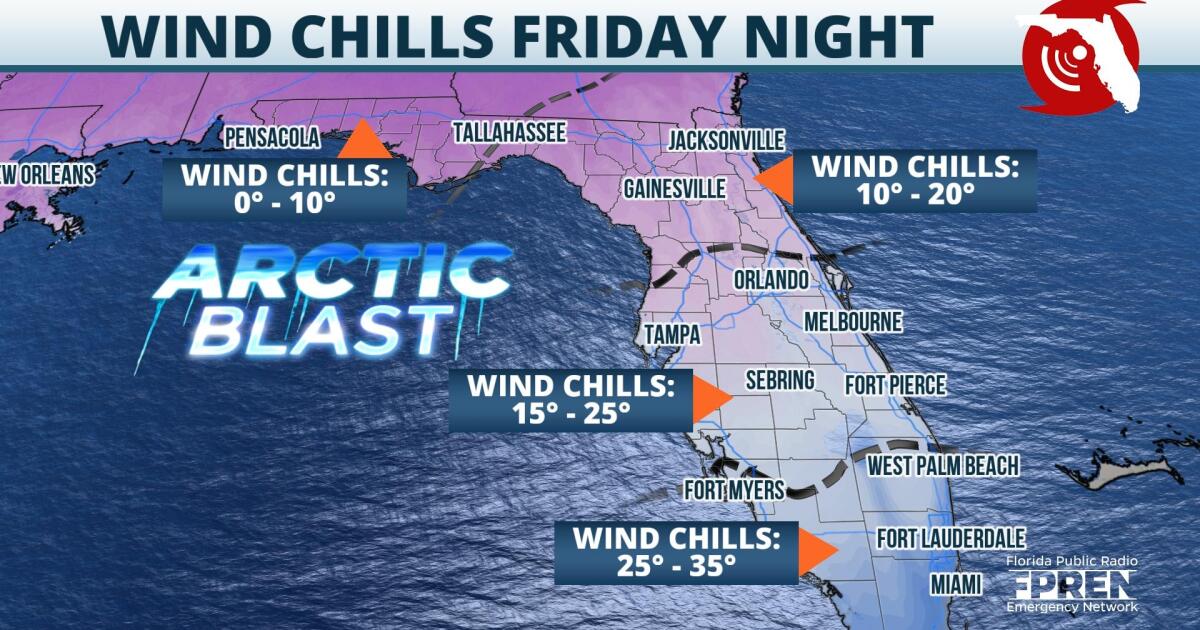
- Arctic Air Masses: During winter, cold air masses originating from Canada and the northern United States can push southward, bringing temporary drops in temperature across Florida. These “cold fronts” are usually short-lived, lasting a few days to a week.
- Latitude: As with most geographical locations, Florida’s position on the map plays a significant role. The further north one travels within the state, the more pronounced the seasonal temperature variations will be.
- Proximity to Water: Florida’s extensive coastline and numerous lakes and rivers moderate temperatures. Coastal areas generally experience less extreme temperature swings than inland regions. The Atlantic Ocean and the Gulf of Mexico retain heat longer, providing a warming influence.
What “Cold” Means in Florida
It’s important to define what “cold” means in the context of Florida. For many, a daytime temperature in the 60s with a comfortable breeze is considered pleasant rather than cold. Overnight lows in the 40s or 50s might prompt the use of a light jacket or sweater, but rarely heavy winter clothing. Snowfall is an exceedingly rare phenomenon, typically occurring only in the northernmost regions during exceptionally severe cold snaps, and even then, it seldom accumulates. Freezing rain or sleet is also uncommon. The primary characteristic of Florida’s “cold” season is the absence of oppressive heat and humidity, making outdoor activities more enjoyable for many.
Planning Your Visit: Best Times for Cooler Florida Experiences
The desire for cooler weather in Florida often stems from a wish to escape the sweltering summer heat and humidity, making the winter and shoulder seasons ideal for travel.
Peak Winter Season (December – February)
This period offers the most consistent cool temperatures across the state.
- Northern Florida: Expect average highs in the 60s and lows in the 40s. This is perfect weather for exploring historic sites in St. Augustine or enjoying outdoor activities in areas like the Florida Panhandle.
- Central Florida: Temperatures are generally mild, with highs in the high 60s to low 70s and nighttime lows in the 50s. This is an excellent time for theme park visits to Walt Disney World or Universal Orlando Resort without the overwhelming summer crowds and heat.
- South Florida: The warmest part of the state, with highs in the mid-70s and lows in the low 60s. This is ideal for beach activities, exploring the Everglades National Park, or enjoying the vibrant nightlife of South Beach.
Activities to Consider:
- Outdoor Adventures: Hiking, biking, kayaking, and exploring state parks become more comfortable.
- Cultural Excursions: Museums, art galleries, and historical tours are more enjoyable without the heat.
- Festivals and Events: Many of Florida’s most popular festivals, including art shows and food festivals, are held during the cooler months.
Considerations:
- Crowds: This is peak tourist season, especially around the holidays and school breaks. Booking accommodations and popular attractions in advance is highly recommended.
- Accommodations: Prices for hotels and vacation rentals tend to be higher during this period. Consider staying in areas slightly outside the main tourist hubs for better value.
Shoulder Seasons (November & March)
These months offer a transitional period, often providing a sweet spot between the peak winter chill and the impending summer heat.

- November: Generally sees a cooling trend, especially in the latter half of the month. Temperatures can range from the 60s to 70s Fahrenheit across much of the state. It’s a great time for pre-holiday travel before the peak season crowds arrive.
- March: Marks the beginning of warming, but often still provides pleasant, mild temperatures before the intense summer heat kicks in. Daytime highs are typically in the 70s, with evenings cooling down into the 60s. This is an excellent time for spring break travel without the extreme heat, though popular spring break destinations can still be crowded.
Activities to Consider:
- Enjoying the Transition: Experience the last of the cooler days before spring blooms fully, or catch the early signs of warmer weather.
- Less Crowded Attractions: While still popular, these months can offer a slightly less crowded experience compared to December and January.
Considerations:
- Unpredictable Weather: While generally pleasant, weather can be more variable during these transitional months, with occasional unseasonably warm or cool days.
- Spring Break Impact: March can see significant crowds due to spring break, especially in coastal areas.
Regional Variations: Where to Find the “Coldest” Florida
Florida’s geographical diversity means that “cold” is a relative term, and certain regions experience it more frequently and intensely than others.
Northern Florida (The Panhandle and North Central)
This is the region most likely to experience actual cold weather. Cities like Tallahassee, Pensacola, and Jacksonville are more susceptible to cold fronts.
- Winter Characteristics: Average daytime temperatures can range from the high 50s to the low 70s Fahrenheit, with overnight lows frequently dipping into the 30s and occasionally the 20s. Frost is common, and light snow flurries are a rare but documented occurrence.
- Best for: Travelers seeking a more traditional “winter” feel with crisp air, perhaps enjoying seasonal decorations and a more subdued, cozy atmosphere. Outdoor activities are still abundant, but visitors should be prepared for cooler conditions with appropriate layering.
Central Florida (Orlando, Tampa Bay)
This region offers a more moderate winter experience, balancing cooler mornings and evenings with pleasant daytime temperatures.
- Winter Characteristics: Daytime highs typically fall between the mid-60s and low 70s Fahrenheit. Nights can cool down to the 40s or 50s. Freezing temperatures are infrequent but can occur on clear, cold nights.
- Best for: Those looking for comfortable weather for theme park visits, exploring attractions, and enjoying outdoor dining without the intense summer heat. It’s a popular choice for families and anyone seeking a balance of warmth and cooler air.
South Florida (Miami, Fort Lauderdale, Florida Keys)
This is the quintessential “warm winter” destination in the United States.
- Winter Characteristics: Expect mild and pleasant weather with daytime highs in the mid-70s to low 80s Fahrenheit. Nights are comfortably cooler, usually in the low 60s. Frost is extremely rare, and freezing temperatures are virtually nonexistent.
- Best for: Beach lovers, sun-seekers, and those who wish to escape winter entirely. It’s ideal for water sports, exploring vibrant city life, and enjoying the lush tropical environment. The “cold” here is often just a gentle, refreshing breeze.
Experiencing Florida’s “Cold” Weather: Activities and Preparedness
Even in Florida, a little preparation can ensure you enjoy the cooler months to the fullest.
What to Pack
While you won’t need heavy winter gear, packing for Florida’s “cold” season involves a few key items:
- Light Jackets and Sweaters: Essential for cooler evenings and mornings, especially in Northern and Central Florida.
- Long-Sleeved Shirts and Pants: Comfortable for daytime wear and layering.
- Closed-Toe Shoes: Practical for exploring and provide more warmth than sandals.
- Scarf and Hat (Optional): For those particularly sensitive to the cold or visiting the northernmost parts of the state during a cold snap.
- Rain Gear: Florida’s weather can be unpredictable; a light raincoat or umbrella is always a good idea.
Activities Suited for Cooler Weather
The cooler temperatures unlock a different set of Florida experiences:
- Theme Park Adventures: Enjoying attractions at SeaWorld Orlando or Busch Gardens Tampa Bay is significantly more comfortable without the summer heat and humidity.
- Exploring Nature:
- Hiking and Biking: Trails in state parks like Myakka River State Park or O’Leno State Park are a delight in cooler weather.
- Wildlife Viewing: Observing manatees in their winter aggregation sites, such as those at Blue Spring State Park, becomes a prime activity as the water temperatures drop.
- Kayaking and Canoeing: Paddling on calmer waters without the oppressive heat allows for longer, more enjoyable excursions.
- Cultural Immersion:
- Historic Sites: Exploring the rich history of places like St. Augustine’s historic district or the Salvador Dalí Museum in St. Petersburg is ideal.
- Museums and Galleries: Many world-class museums are scattered across the state, offering indoor refuge and cultural enrichment.
- Outdoor Dining and Events: Florida’s patios and outdoor cafes are at their most inviting during the cooler months. Many cities host outdoor festivals, farmers’ markets, and concerts that are perfect for experiencing local life.
By understanding the nuances of Florida’s climate and planning accordingly, visitors and residents can embrace the unique charm of its cooler seasons, enjoying the Sunshine State at its most temperate and comfortable. Whether seeking a mild respite or a genuinely crisp atmosphere, Florida offers a diverse range of “cold” weather experiences to suit every preference.
LifeOutOfTheBox is a participant in the Amazon Services LLC Associates Program, an affiliate advertising program designed to provide a means for sites to earn advertising fees by advertising and linking to Amazon.com. Amazon, the Amazon logo, AmazonSupply, and the AmazonSupply logo are trademarks of Amazon.com, Inc. or its affiliates. As an Amazon Associate we earn affiliate commissions from qualifying purchases.