
Florida, the Sunshine State, is synonymous with warmth and perpetual summer. For many, this is its primary allure, drawing millions of visitors annually seeking sun-drenched beaches, vibrant theme parks, and a laid-back atmosphere. However, the very characteristic that defines it can also be its most challenging aspect, especially during the peak of its notoriously hot and humid seasons. For travelers and residents alike, the question “When will it get cooler in Florida?” is a perennial one, hinting at a desire for a respite from the intense heat and a shift towards more temperate conditions conducive to enjoying the state’s myriad attractions. Understanding Florida’s climate patterns is key to planning the perfect visit, avoiding the most uncomfortable periods, and maximizing the enjoyment of its outdoor wonders.
Decoding Florida’s Climate: Seasons of Sun and Humidity
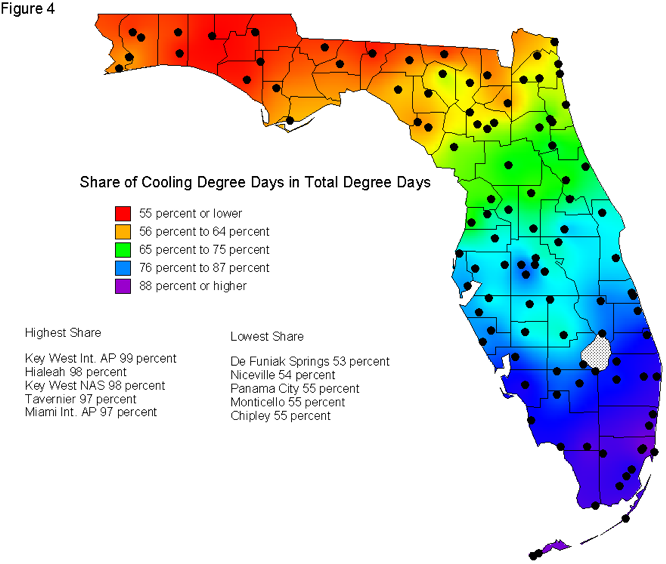
Florida’s climate is largely subtropical, characterized by hot, humid summers and mild, dry winters. However, this broad definition doesn’t fully capture the nuances that influence the perception of “cooler” weather. The state experiences distinct microclimates, with South Florida generally remaining warmer year-round than North Florida.
The Summer Grind: Heat and Humidity Peak
From late May through early October, Florida grapples with its most intense heat. This period is marked by consistently high temperatures, often soaring into the high 80s and 90s Fahrenheit, frequently accompanied by stifling humidity. The “feels like” temperature can easily surpass 100 degrees Fahrenheit, making prolonged outdoor activities challenging without careful planning and hydration.
The humidity is a critical factor. It traps heat, making it harder for the body to regulate its temperature through perspiration. This can lead to a feeling of oppressive warmth, even when the actual thermometer reading is not at its absolute peak. Thunderstorms are also a daily occurrence during these months, often bringing brief but intense downpours that can offer a temporary cooling effect, though the humidity typically returns quickly.
For travelers planning a trip during this time, it’s essential to acknowledge that “cooler” is a relative term. While direct relief from the heat might be scarce, strategic planning can mitigate its impact.
The Transition Zones: Shoulder Seasons
The periods between the extremes of summer and winter are often the most pleasant for experiencing Florida. These are the “shoulder seasons,” where the oppressive humidity begins to wane, and temperatures become more manageable.
-
Spring (March to May): As winter recedes, Florida experiences a gradual warming trend. While March can still offer pleasantly mild days, April and May see temperatures steadily climb. However, the humidity levels are generally much lower than in the summer months, making outdoor exploration more comfortable. This is a popular time for festivals, outdoor sports, and visiting attractions like the Everglades National Park and the beaches of Clearwater Beach. The average high temperatures during these months range from the mid-70s to the low 90s Fahrenheit, with significantly less oppressive humidity than the summer.
-
Fall (September to November): This is arguably the most anticipated period for those seeking a break from the intense heat. As September progresses, the relentless summer heat and humidity begin to recede, albeit slowly at first. October and November often bring the most welcome relief. Temperatures become more moderate, with daytime highs typically in the 70s and 80s Fahrenheit, and the air feels drier and crisper. This makes it an ideal time to explore cities like Orlando and Miami, visit Walt Disney World Resort, or enjoy activities along the Florida Keys. The chance of hurricanes also decreases significantly after September.
The Winter Oasis: The Coolest Months
From December through February, Florida enjoys its “coolest” and driest season. While “cool” is relative and might not feel like winter in northern latitudes, these months offer a significant reprieve from the summer’s heat and humidity.
Daytime temperatures typically range from the 60s to the low 70s Fahrenheit in the northern parts of the state, and the 70s Fahrenheit in South Florida. Evenings can bring cooler temperatures, sometimes dropping into the 40s and 50s Fahrenheit in the northern regions, necessitating light jackets. Humidity is at its lowest during these months, making the air feel refreshing. This is prime tourist season, with visitors flocking to enjoy the pleasant weather, especially during holidays like Christmas and New Year’s Eve. Destinations like Tampa, St. Petersburg, and the beaches of the Gulf Coast are particularly popular.
When to Plan Your Florida Escape for Cooler Weather
For travelers whose primary concern is avoiding the most intense heat and humidity, timing is everything. The question “When will it get cooler?” directly informs optimal travel planning.
Avoiding the Peak Heat and Humidity
If your definition of “cooler” means escaping the high 80s and 90s Fahrenheit with 70-80% humidity, then the summer months (June, July, August, and early September) are best avoided for prolonged outdoor activities. While these months are popular for school holidays, those sensitive to heat or seeking a more comfortable experience might consider alternative travel times.
Embracing the Shoulder Seasons for Comfort

The sweet spot for many visitors seeking a balance of pleasant temperatures and reduced humidity lies within the shoulder seasons:
- Late Spring (April-May): Offers warm days without the full force of summer humidity.
- Early Fall (October-November): Provides a significant drop in temperature and humidity, creating ideal conditions for exploring. This period often boasts sunny days and comfortable evenings, perfect for enjoying attractions like Busch Gardens Tampa Bay or experiencing the unique urban landscape of Ybor City.
Maximizing Winter’s Mildness
The winter months (December-February) truly offer the “coolest” and driest weather in Florida. This is the time when the state feels most temperate, ideal for those who find even the shoulder seasons a bit too warm. It’s the perfect time for visiting outdoor attractions without the fear of overheating. While prices for accommodations and flights might be higher due to demand, the comfortable climate is often worth the investment for many travelers.
Navigating Florida’s Temperature Variations by Region
Florida is a long state, and its geography significantly influences its climate. Understanding these regional differences can help in answering the question of when it will get cooler.
North Florida: The Cooler Edge
Regions like the Panhandle (Pensacola, Tallahassee) and Northern Central Florida (Gainesville) experience more distinct seasons and generally cooler temperatures compared to the southern parts of the state. Winters here can be genuinely cool, with occasional frost. Summers are still hot and humid, but the cooling trend in the fall arrives earlier, and the winter chill is more pronounced.
Central Florida: The Theme Park Hub
Cities like Orlando and Tampa lie in Central Florida and experience a blend of North and South Florida climates. Summers are intensely hot and humid, while winters are mild. The shoulder seasons of spring and fall offer the most comfortable weather for visiting the numerous theme parks, such as Universal Orlando Resort and SeaWorld Orlando.
South Florida: The Tropical Embrace
From Tampa Bay southward to Miami, Fort Lauderdale, and the Florida Keys, the climate is more truly tropical. Summers are long, hot, and extremely humid, with temperatures rarely dipping below the high 70s Fahrenheit even at night. Winters are very mild, with daytime temperatures often in the comfortable 70s Fahrenheit. While “cooler” is a relative term here, the period from November to April offers the most pleasant escape from the oppressive heat and humidity.
Preparing for Florida’s Weather: Tips for Travelers
Regardless of when you visit, being prepared for Florida’s unique climate is crucial for an enjoyable experience.
Hydration and Sun Protection
Always carry water, especially when spending extended periods outdoors. Sunscreen, hats, and sunglasses are essential year-round to protect against the strong Florida sun, even on cloudy days.
Embracing Indoor Activities
For days when the heat is particularly intense, consider incorporating indoor activities into your itinerary. Museums, aquariums, indoor shopping malls like the Mall at Millenia, and of course, air-conditioned attractions offer a welcome respite.
Staying Informed About Weather Patterns
The weather in Florida can be dynamic. It’s always wise to check the local forecast before and during your trip, especially during hurricane season (June 1 to November 30). Understanding the possibility of thunderstorms, particularly in the summer, can help in planning your day.
Ultimately, the answer to “When will it get cooler in Florida?” depends on one’s tolerance for heat and humidity. For those seeking genuine relief, the winter months (December-February) offer the most temperate conditions. However, the shoulder seasons of spring (April-May) and fall (October-November) provide a fantastic balance, allowing visitors to experience the best of Florida without the extreme heat, making them ideal times to plan that perfect sun-drenched getaway.
LifeOutOfTheBox is a participant in the Amazon Services LLC Associates Program, an affiliate advertising program designed to provide a means for sites to earn advertising fees by advertising and linking to Amazon.com. Amazon, the Amazon logo, AmazonSupply, and the AmazonSupply logo are trademarks of Amazon.com, Inc. or its affiliates. As an Amazon Associate we earn affiliate commissions from qualifying purchases.