
Florida, a state synonymous with sunshine, theme parks, and vibrant natural landscapes, is also home to a fascinating and ancient predator: the American crocodile. While often overshadowed by its more ubiquitous cousin, the American alligator, crocodiles inhabit specific niches within the Sunshine State, offering a unique opportunity for wildlife enthusiasts and curious travelers. Understanding where to find these magnificent reptiles requires a closer look at their preferred habitats and the distinct geographical areas they call home.
Understanding Florida’s Crocodilian Residents
Before venturing out to spot crocodiles, it’s essential to distinguish them from the American alligator, which is far more prevalent throughout Florida. While both are formidable reptiles belonging to the order Crocodilia, subtle differences in appearance, behavior, and habitat preference set them apart.

American Crocodile vs. American Alligator: Key Distinctions
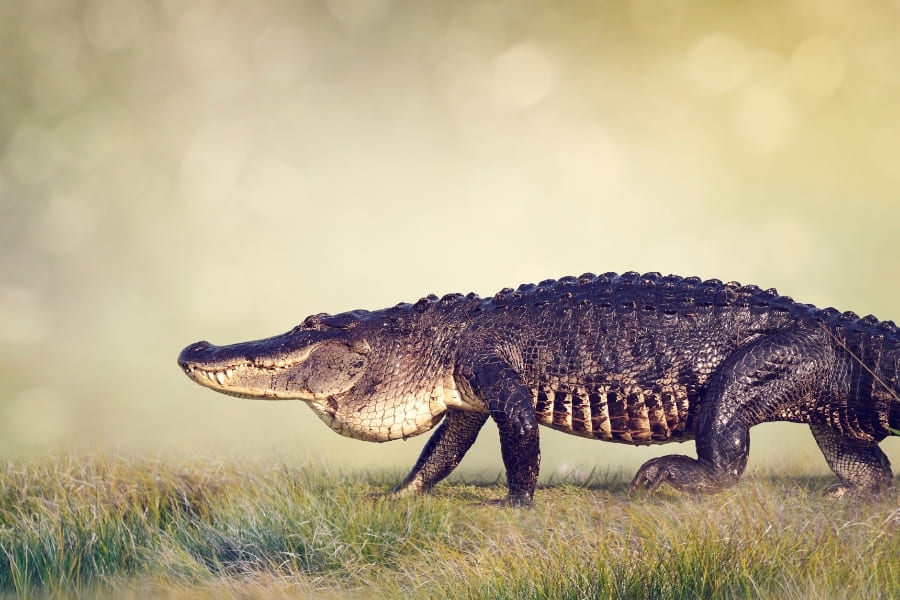
- Snout Shape: The most noticeable difference is the snout. American crocodiles possess a narrower, more V-shaped snout, whereas American alligators have a broader, U-shaped snout.
- Teeth: When an American crocodile’s mouth is closed, the large fourth tooth on its lower jaw is visible, fitting into a groove on the upper jaw. In alligators, this tooth is typically hidden.
- Coloration: Crocodiles tend to have a lighter, more olive-green or grayish coloration, while alligators are usually darker, almost black.
- Habitat Preference: Alligators are found in freshwater environments like swamps, rivers, and lakes across the entire state. Crocodiles, however, are more tolerant of saltwater and brackish water, leading them to inhabit coastal areas.
- Temperament: While both are wild animals and should be treated with respect and caution, crocodiles are generally considered more shy and less aggressive towards humans than alligators, though this is not a rule to rely on for safety.
The American Crocodile’s Niche in Florida
The American crocodile (Crocodylus acutus) is a species that has made a remarkable comeback in Florida, thanks to dedicated conservation efforts. Historically, their populations were in serious decline. Today, they are a protected species, and sightings, while becoming more common, are still concentrated in particular regions. Their presence is a testament to the success of habitat preservation and management programs.
Prime Crocodile Habitats in South Florida
The vast majority of Florida’s crocodile population resides in the southernmost parts of the state, where the unique blend of freshwater and saltwater environments provides the ideal conditions for their survival and reproduction.
The Florida Keys: A Coastal Haven
The Florida Keys archipelago offers a significant portion of the American crocodile’s habitat. These islands, stretching southwest from the mainland, create a mosaic of mangrove forests, saltwater marshes, and shallow bays that are perfectly suited for crocodiles.
- Mangrove Ecosystems: The dense, intricate root systems of mangrove trees provide essential shelter, hunting grounds, and nesting sites for crocodiles. The brackish water within these areas is a key attraction.
- Protected Areas: Several wildlife refuges and parks within the Keys are crucial for crocodile conservation. These areas often restrict human activity, allowing crocodiles to thrive undisturbed.
- Specific Sightings: While not guaranteed, areas around Key Largo and the undeveloped islands of the Lower Keys offer some of the best chances for spotting crocodiles, particularly in tidal creeks and along protected shorelines. It’s important to observe from a safe distance and never disturb their habitat.
Everglades National Park: A Wilderness Sanctuary
Everglades National Park, a sprawling wilderness of wetlands, swamps, and coastlines, is another critical stronghold for Florida’s crocodile population. The park’s vast and varied ecosystems encompass both freshwater and saltwater environments, catering to the species’ adaptable nature.
- Coastal Bays and Estuaries: The southern and eastern coastal areas of the Everglades, particularly near Flamingo, are known crocodile habitats. These estuarine environments are rich in the fish and crustaceans that form the crocodile’s diet.
- Royal Palm and Long Pine Key: While more inland, areas within the park like Royal Palm and Long Pine Key can sometimes host crocodiles, especially during periods of high tides or unusual weather patterns. However, the coastal regions remain their primary domain.
- Ranger-Led Programs: For the best chance of a safe and informative sighting, consider participating in ranger-led boat tours or educational programs within the park. These programs often highlight the park’s unique wildlife, including opportunities to learn about crocodile behavior and conservation.
Biscayne National Park: The Marine Ecosystem

Adjacent to the Everglades, Biscayne National Park is largely an underwater park, but its mangrove-fringed islands and coastal waters also provide habitat for American crocodiles. This park protects a significant portion of Biscayne Bay, a vital estuarine system.
- Northernmost Range: For many years, the mangrove islands within Biscayne National Park represented the northernmost breeding and resident population of crocodiles.
- Limited Access: Much of the park is accessible only by boat, making it a less visited but highly valuable crocodile habitat. Kayaking or boating tours can offer opportunities to explore these areas respectfully.
Beyond the Coast: Occasional Sightings and Considerations
While the southern coastal regions are undeniably the epicenters for crocodiles, there are instances of these reptiles venturing further north or into slightly different environments. These occurrences are less common and often linked to specific environmental factors.
Transient Individuals and Range Expansion
In recent decades, there has been evidence of American crocodiles slowly expanding their range northward along Florida’s coasts. This is likely a result of successful population recovery and possibly warming ocean temperatures.
- Coastal Waterways: Some sightings have been reported in coastal waterways and estuaries as far north as Miami-Dade County and occasionally even further up the Atlantic coast, though these are typically solitary individuals and not established breeding populations.
- Artificial Habitats: In rare cases, crocodiles might be found in or near human-modified environments such as canals, power plant outflows (which create warmer water), or golf course water features, particularly if they offer a suitable salinity balance and food sources. However, these are exceptions, and the natural coastal and estuarine environments remain their preferred and most critical habitats.
Factors Influencing Crocodile Distribution
Several environmental factors play a crucial role in determining where crocodiles are found in Florida:
- Salinity Levels: As mentioned, crocodiles are more tolerant of saltwater than alligators. They thrive in brackish or marine environments, which limits their distribution to coastal areas.
- Temperature: Crocodiles are ectothermic, meaning they rely on external sources to regulate their body temperature. Warmer climates are essential for their survival, which is why they are primarily found in South Florida.
- Nesting Sites: Suitable nesting grounds, typically sandy areas or elevated banks in protected locations, are vital for reproduction. The availability of such sites influences population distribution.
- Food Availability: Their diet, consisting mainly of fish, crustaceans, birds, and small mammals, dictates their presence in areas with abundant prey.
Responsible Wildlife Viewing and Conservation
Encountering a wild crocodile in its natural habitat is an unforgettable experience. However, it is paramount that these encounters are approached with the utmost respect for the animal and its environment.
Safety First: Respecting Wild Animals
- Maintain Distance: Always keep a safe and respectful distance from any crocodile you see. Never attempt to feed, touch, or approach them. A general rule of thumb is to maintain at least 50 feet (approximately 15 meters) from the animal.
- Never Corner: Avoid cornering or startling crocodiles. They are wild animals and can be dangerous if they feel threatened.
- Supervise Children and Pets: Always keep children and pets under close supervision when in areas where crocodiles might be present.
Supporting Conservation Efforts
The continued presence of American crocodiles in Florida is a success story for conservation. Travelers interested in these reptiles can contribute by:
- Visiting Protected Areas: Supporting national parks and wildlife refuges through entrance fees and donations directly aids habitat preservation.
- Educating Yourself and Others: Learning about crocodile behavior, habitat needs, and conservation challenges helps foster a greater appreciation and understanding of these animals.
- Reporting Sightings (if appropriate): In some cases, wildlife agencies may ask for reported sightings to track population distribution and health. Always follow official guidelines for reporting.
By understanding their habitat preferences and embracing responsible viewing practices, visitors to Florida can gain a profound appreciation for the elusive and majestic American crocodile, a true icon of the state’s wild and untamed landscapes.
LifeOutOfTheBox is a participant in the Amazon Services LLC Associates Program, an affiliate advertising program designed to provide a means for sites to earn advertising fees by advertising and linking to Amazon.com. Amazon, the Amazon logo, AmazonSupply, and the AmazonSupply logo are trademarks of Amazon.com, Inc. or its affiliates. As an Amazon Associate we earn affiliate commissions from qualifying purchases.