
The unpredictable nature of Florida’s weather, particularly its susceptibility to severe storms, often raises urgent questions about safety and impact. When the skies darken and the sirens wail, one of the most immediate and critical pieces of information needed is the precise location of any weather events, especially tornadoes. Understanding the path and impact of such events is crucial not only for immediate safety but also for the long-term recovery and resilience of communities. This article delves into the critical aspects of tornado events in Florida, focusing on how information is disseminated, the typical impact zones, and what these events mean for the state’s tourism and its residents.
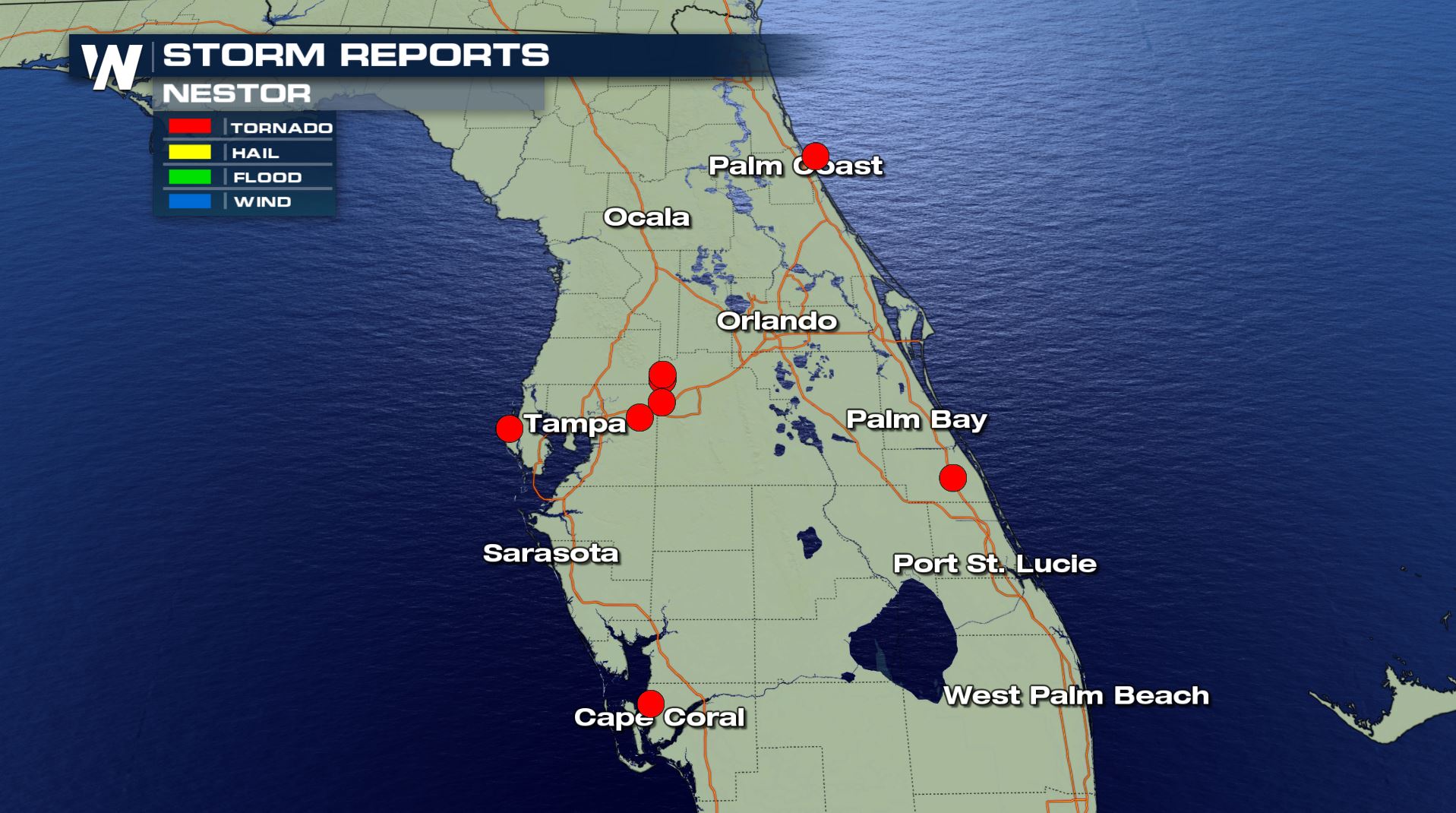
Understanding Tornado Impact and Reporting
Tornadoes are a significant concern in Florida, a state frequently impacted by severe weather due to its warm, humid climate and its location in a region prone to tropical systems. The formation of tornadoes can be linked to various weather phenomena, including hurricanes, tropical storms, and strong cold fronts. When a tornado strikes, the immediate priority is the safety of individuals and the assessment of damage.
The Role of the National Weather Service
The National Weather Service plays a pivotal role in issuing tornado warnings and watches. These alerts are critical for public safety, providing vital lead time for residents to seek shelter. Tornado watches indicate that conditions are favorable for tornadoes to develop in a specific area, while tornado warnings signify that a tornado has been sighted or indicated by weather radar. Understanding the difference between these alerts and knowing where to access this information is paramount. Official sources like the National Weather Service website, NOAA Weather Radio, and local news channels are the most reliable for real-time updates.
Geographic Vulnerability in Florida
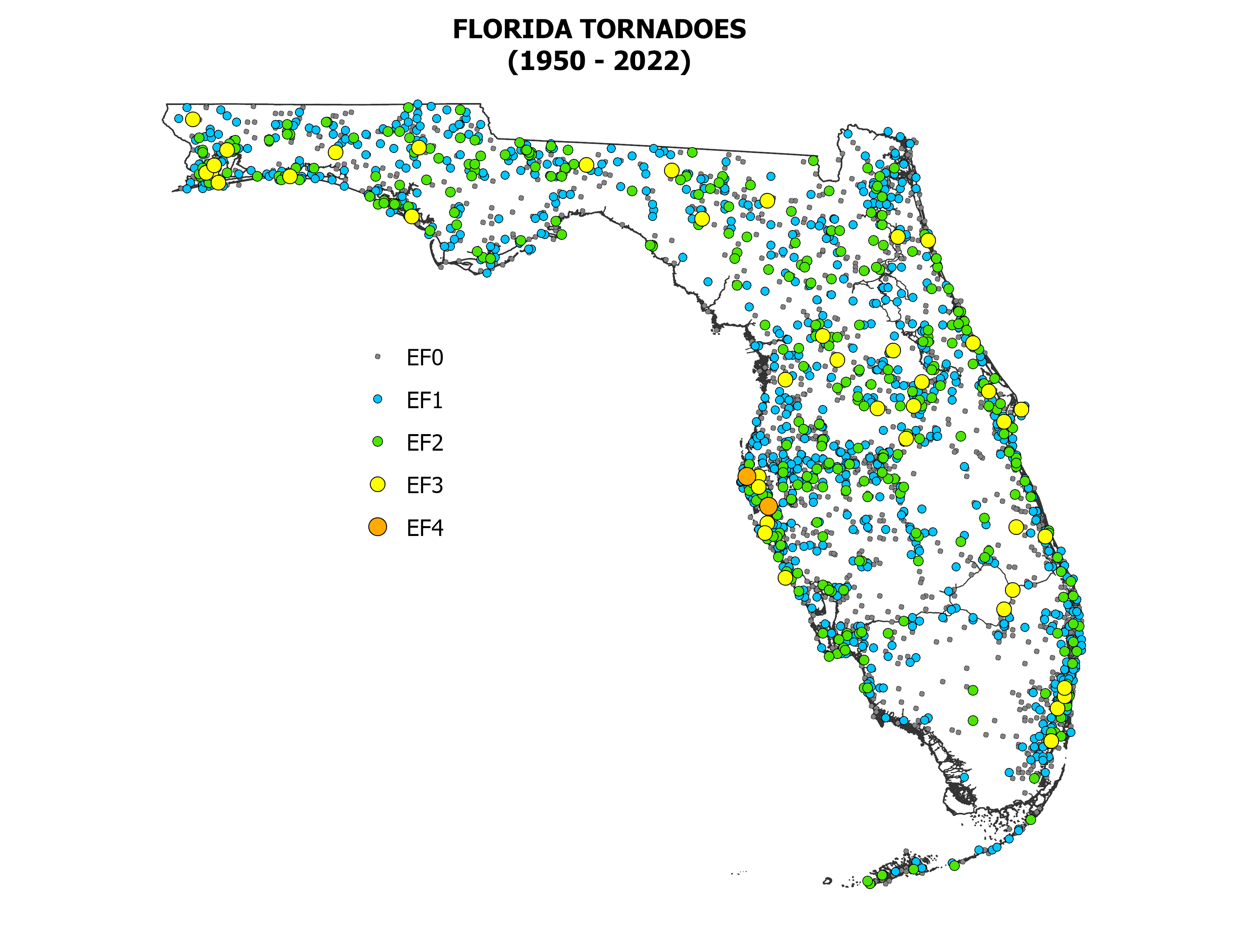
While tornadoes can occur anywhere in Florida, certain areas have historically experienced a higher frequency of these events. These often include the central and western parts of the state, though no region is entirely immune. Understanding historical tornado data can offer insights into potential risk areas, but it’s essential to remember that any community can be affected. Factors such as proximity to coastlines, inland geography, and atmospheric conditions all contribute to the localized risk of tornado formation and impact.
Tracking and Damage Assessment
Following a tornado event, swift and accurate tracking of its path is essential for emergency responders and for understanding the scope of the damage. Damage assessment teams, often composed of local emergency management personnel, FEMA representatives, and volunteers, work to survey affected areas. This process helps in prioritizing aid, allocating resources, and initiating recovery efforts. The impact of a tornado can range from minor property damage to complete devastation, affecting homes, businesses, infrastructure, and natural landscapes. The intensity of a tornado is often measured on the Enhanced Fujita Scale, which estimates wind speeds and damage levels.
Impact on Tourism and Local Communities
Florida’s identity is intrinsically linked to its vibrant tourism industry and the well-being of its local communities. Severe weather events, including tornadoes, can have a profound and immediate impact on both.
Immediate Disruptions to Travel and Leisure
When a tornado strikes, especially in a popular tourist destination, the immediate consequences for tourism can be significant. Airports may close, roads can become impassable, and popular attractions may suffer damage or be shut down for safety inspections. This can lead to canceled flights, rerouted travel plans, and a general disruption of the visitor experience. Hotels and resorts in affected areas might experience cancellations or reduced bookings in the immediate aftermath. For tourists already in the state, safety becomes the paramount concern, with travel advisories and emergency shelter instructions taking precedence over leisure activities. The Florida Department of Economic Opportunity and local tourism boards often work in tandem with emergency management to provide updates and guidance to visitors and businesses.
Economic Repercussions
The economic fallout from a tornado can be substantial. For businesses, especially those in the tourism sector, damaged properties, lost revenue from closures, and the cost of repairs can be devastating. Small businesses, often operating with tighter margins, can be particularly vulnerable. Beyond the direct damage to infrastructure, the perception of safety can also affect long-term tourism prospects. News of significant tornado activity can deter potential visitors, leading to a decrease in bookings and economic activity. This underscores the importance of rapid and effective recovery efforts to restore confidence and resume normal operations as quickly as possible.
Community Resilience and Recovery
The resilience of Florida communities in the face of such challenges is often remarkable. Residents, local authorities, and volunteer organizations frequently come together to support one another during and after a tornado event. Recovery efforts involve not only rebuilding physical structures but also addressing the emotional and psychological toll on those affected. For the tourism industry, a swift and organized recovery is crucial for regaining its footing. This includes clear communication about the extent of damage, the progress of rebuilding efforts, and assurances of safety and accessibility for future visitors. Initiatives to support local businesses and promote the return of tourism are vital components of the recovery process.
Preparing for Tornado Season in Florida
While the exact “where” of a tornado strike is reactive information, proactive preparation for potential tornado events is a continuous effort for residents and visitors alike in Florida.
Essential Preparedness Measures
Individuals and families should have a plan in place for tornado events. This includes identifying the safest place in their home or accommodation to shelter – typically a basement, an interior room on the lowest floor, or a designated shelter. It’s also advisable to have an emergency kit stocked with essential supplies such as water, non-perishable food, a first-aid kit, a flashlight, batteries, and a portable radio. For those in hotels or vacation rentals, familiarizing oneself with the building’s emergency procedures and designated shelter areas is crucial.
Staying Informed During Severe Weather
During periods of heightened severe weather risk, staying informed is critical. This means monitoring weather alerts from the National Weather Service and local authorities through multiple channels, including weather apps, NOAA Weather Radio, and local news broadcasts. Understanding the difference between a tornado watch and a tornado warning, and knowing what actions to take for each, can save lives. For visitors, this also means being aware of the specific emergency protocols in place at their accommodation and in the local area.

The Importance of Community Preparedness
Community-level preparedness is equally important. Local governments and emergency management agencies are responsible for developing and implementing comprehensive emergency plans, which include public education campaigns, early warning systems, and coordinated response strategies. Businesses, including hotels and resorts, should also have their own emergency action plans, trained staff, and clear communication channels to ensure the safety of their guests. This collective approach to preparedness strengthens the overall resilience of Florida against the threats posed by severe weather. The ability of a community to respond effectively to a tornado event can significantly mitigate its impact and accelerate the recovery process, ensuring that the state can continue to welcome visitors and maintain its cherished way of life.
LifeOutOfTheBox is a participant in the Amazon Services LLC Associates Program, an affiliate advertising program designed to provide a means for sites to earn advertising fees by advertising and linking to Amazon.com. Amazon, the Amazon logo, AmazonSupply, and the AmazonSupply logo are trademarks of Amazon.com, Inc. or its affiliates. As an Amazon Associate we earn affiliate commissions from qualifying purchases.