
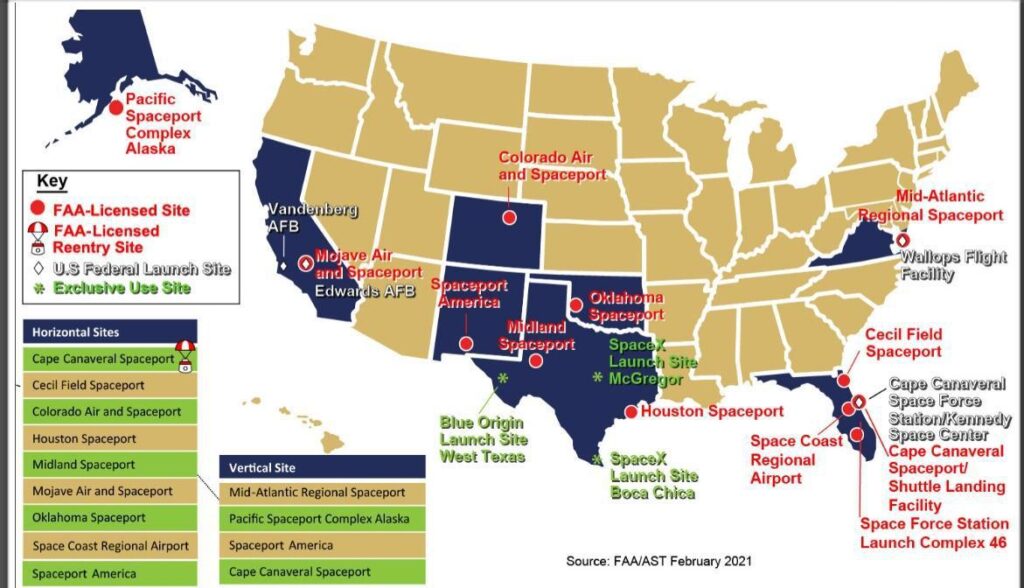
Florida, a state synonymous with sunshine, beaches, and theme parks, also holds a unique and powerful position in the history and future of space exploration. For decades, the skies above the Sunshine State have been the launchpad for humanity’s boldest journeys into the cosmos. While the image of a rocket blasting off might conjure visions of vast, remote deserts, Florida’s Atlantic coast has proven to be an exceptionally advantageous location for space launches. The question of “Where do they launch rockets in Florida?” leads us to two primary, iconic sites, each with its own rich history and ongoing significance in the space race and beyond.

The Historic Hub: Kennedy Space Center
The most globally recognized name associated with rocket launches in Florida is undoubtedly the Kennedy Space Center (KSC). Located on Merritt Island, a barrier island on the Atlantic coast of central Florida, KSC has been the nerve center for NASA’s human spaceflight endeavors since its establishment in 1962. Its strategic placement was no accident. The Atlantic Ocean provides a crucial safety buffer; in the unlikely event of a launch anomaly, any debris would fall into the sea, minimizing risk to populated areas. Furthermore, Florida’s location at a lower latitude means that launches eastward into orbit can take advantage of the Earth’s rotation, providing a significant boost in velocity and reducing the amount of fuel required. This efficiency is paramount for sending heavy payloads into space.
A Legacy of Innovation and Exploration
From the groundbreaking missions of the Apollo program, which landed humans on the Moon, to the iconic launches of the Space Shuttle program, the Kennedy Space Center has witnessed some of the most significant achievements in human history. Visitors today can immerse themselves in this legacy through the various attractions and exhibits at the Kennedy Space Center Visitor Complex. This complex offers a deep dive into the past, present, and future of space exploration.
- Rocket Garden: This outdoor exhibit showcases historic rockets that paved the way for modern space travel, offering a tangible sense of scale and engineering evolution.
- Space Shuttle Atlantis: An awe-inspiring display featuring the actual Space Shuttle Atlantis as it would have appeared in orbit, complete with its payload bay doors open. The exhibit details the shuttle’s incredible missions and the ingenuity behind its design.
- Saturn V Center: Home to the colossal Saturn V rocket, the most powerful rocket ever built, which propelled the Apollo astronauts to the Moon. Standing beneath this giant is a truly humbling experience.
- Astronaut Encounter: An opportunity to meet and interact with veteran astronauts, gaining firsthand insights into life in space and the challenges and triumphs of space missions.
- Heroes & Legends featuring the U.S. Astronaut Hall of Fame: This exhibit celebrates the courage and dedication of American astronauts, chronicling their extraordinary journeys.
The Kennedy Space Center is not just a museum; it is a living, breathing launch facility. While public access is primarily to the visitor complex, authorized launches continue from the adjacent launchpads, offering spectators a chance to witness history in the making. The sheer power and spectacle of a rocket ascent from KSC are unforgettable, drawing crowds from around the globe eager to experience this pinnacle of human achievement.
The Private Sector Powerhouse: Cape Canaveral Space Force Station
Adjacent to the Kennedy Space Center and sharing much of the same geographically advantageous coastline lies Cape Canaveral Space Force Station (formerly known as Cape Canaveral Air Force Station). While KSC is primarily associated with NASA’s human spaceflight programs, Cape Canaveral Space Force Station has historically been and continues to be a vital launch site for a wide array of missions, including military, scientific, and commercial payloads. It is the launching point for countless uncrewed missions, sending satellites, probes, and telescopes to explore our solar system and beyond.

A Diverse Launch Spectrum
The launchpads at Cape Canaveral Space Force Station have been the departure point for many historic uncrewed missions. From early intercontinental ballistic missile (ICBM) tests to the groundbreaking voyages of the Pioneer and Voyager probes, and the numerous satellites that form the backbone of modern communication and navigation systems, this site has played a pivotal role in our understanding of the universe and our technological advancement.
In recent years, Cape Canaveral Space Force Station has also become a crucial hub for the burgeoning private space industry. Companies like SpaceX and Blue Origin utilize launch facilities here, launching their own rockets and spacecraft. This signifies a new era of space exploration, driven by both government agencies and private enterprise, all converging on Florida’s Space Coast. The flexibility of Cape Canaveral Space Force Station allows for a diverse range of launch capabilities, accommodating different rocket sizes and mission objectives.
Experiencing Launches from the Space Coast
For travelers interested in witnessing a rocket launch, the “Space Coast” region, encompassing areas around KSC and Cape Canaveral, offers numerous viewing opportunities. Towns like Titusville, Cocoa Beach, and Cape Canaveral provide various vantage points, from public parks and beaches to designated viewing areas. Launch schedules are publicly available, and attending a launch is a spectacular experience, marked by the thunderous roar of engines and the breathtaking sight of a rocket ascending into the heavens.
Beyond the immediate excitement of a launch, the Space Coast region offers a wealth of attractions related to space exploration and coastal living. Visitors can explore the American Space Museum in Titusville, delve into the history of early spaceflight, or simply relax on the beautiful beaches of Cocoa Beach, a town famously associated with surfing culture and the Gidget movies. The combination of cutting-edge technology and classic Florida charm makes the Space Coast a unique destination for space enthusiasts and vacationers alike.
The Unseen Infrastructure and Future Growth
The success of rocket launches from Florida is not solely dependent on the launchpads themselves. A vast and intricate network of supporting infrastructure is essential. This includes mission control centers, assembly facilities, tracking stations, and transportation networks to move massive components and volatile propellants. The proximity of these elements on the Space Coast, facilitated by the natural waterways and established transportation routes, streamlines the complex logistics of spaceflight.
A Thriving Ecosystem for Space
The presence of major aerospace companies, research institutions, and a skilled workforce has created a thriving ecosystem that supports both NASA and private space ventures. This concentration of expertise and resources makes Florida an unparalleled location for space operations. As the ambitions for space exploration continue to grow, with plans for lunar bases, Martian missions, and increased commercial space activities, Florida’s Space Coast is poised to remain at the forefront.
The state’s commitment to fostering innovation, coupled with its natural advantages, ensures that the question of “Where do they launch rockets in Florida?” will continue to be answered by the iconic launchpads on the Atlantic coast, pushing the boundaries of human knowledge and our reach into the cosmos for generations to come. From the historic grounds of the Kennedy Space Center to the dynamic launch sites of Cape Canaveral Space Force Station, Florida remains the undisputed gateway to space for the United States and a significant player on the global stage of space exploration.
LifeOutOfTheBox is a participant in the Amazon Services LLC Associates Program, an affiliate advertising program designed to provide a means for sites to earn advertising fees by advertising and linking to Amazon.com. Amazon, the Amazon logo, AmazonSupply, and the AmazonSupply logo are trademarks of Amazon.com, Inc. or its affiliates. As an Amazon Associate we earn affiliate commissions from qualifying purchases.