
The California Roll is more than just a culinary creation; it’s a cultural phenomenon that has profoundly shaped the global perception and accessibility of sushi. For many in the Western world, this seemingly simple combination of imitation crab, avocado, and cucumber, wrapped with rice on the outside, was their very first introduction to the intricate art of Japanese cuisine. Its mild flavors, approachable ingredients, and unique inside-out presentation broke down barriers, demystifying a food once considered exotic and intimidating. In doing so, the California Roll didn’t just become a menu staple; it became a gateway to a broader world of culinary exploration, a testament to fusion cuisine’s power, and an integral part of the modern travel and tourism experience.
Whether you’re a seasoned globetrotter exploring the finest dining establishments in Tokyo or a casual traveler seeking a quick, satisfying meal in a bustling airport, the California Roll often makes an appearance. Its pervasive presence across menus, from high-end hotel restaurants to humble take-out counters, speaks volumes about its enduring appeal. It’s a dish that transcends geographical and cultural boundaries, often serving as a comforting culinary touchstone in unfamiliar destinations. This article delves into the intriguing history, defining characteristics, and widespread impact of the California Roll, exploring how this humble sushi roll became a global icon deeply intertwined with our modern lifestyle and the ways we discover the world through food.

The Genesis of an Icon: Tracing the California Roll’s Origins
The story of the California Roll is a fascinating tale of culinary innovation born out of necessity and a desire to adapt to new tastes. It challenges the traditional narrative of sushi as a purely Japanese invention, instead highlighting the dynamic interplay of cultures that often gives rise to new food experiences. Its birth marked a pivotal moment, ushering in an era where sushi began its journey from an obscure ethnic delicacy to a universally beloved dish.
A Culinary Bridge Between East and West
While the exact origins are debated, most culinary historians credit either Los Angeles, California, or Vancouver, British Columbia, as the birthplace of the California Roll in the late 1960s or early 1970s. One popular theory attributes its creation to Chef Ichiro Mashita of the Tokyo Kaikan restaurant in Los Angeles. Faced with the challenge of introducing raw fish to a Western palate largely unaccustomed to it, Chef Mashita reportedly substituted tuna with cooked crab meat and added avocado, a familiar and creamy ingredient, as a replacement for fatty tuna during off-season. He also made the crucial decision to hide the nori (seaweed) on the inside, placing the rice on the outside (known as uramaki or inside-out roll), making the appearance less intimidating for hesitant diners. This ingenious adaptation immediately resonated with local customers, paving the way for wider acceptance.

Another compelling claim comes from Chef Hidekazu Tojo of Vancouver, who asserts he created the “Tojo Maki” in the early 1970s, which featured crab, avocado, and cucumber with rice on the outside. He named it the “California Roll” because of its popularity among visitors from California. Regardless of the precise origin, what is clear is that the roll was designed specifically to appeal to a non-Japanese audience, cleverly bridging the gap between traditional Japanese culinary practices and Western dietary preferences. This innovative approach to sushi made it accessible and enjoyable, setting the stage for its rapid expansion across North America and beyond.
Ingredients That Define an Era
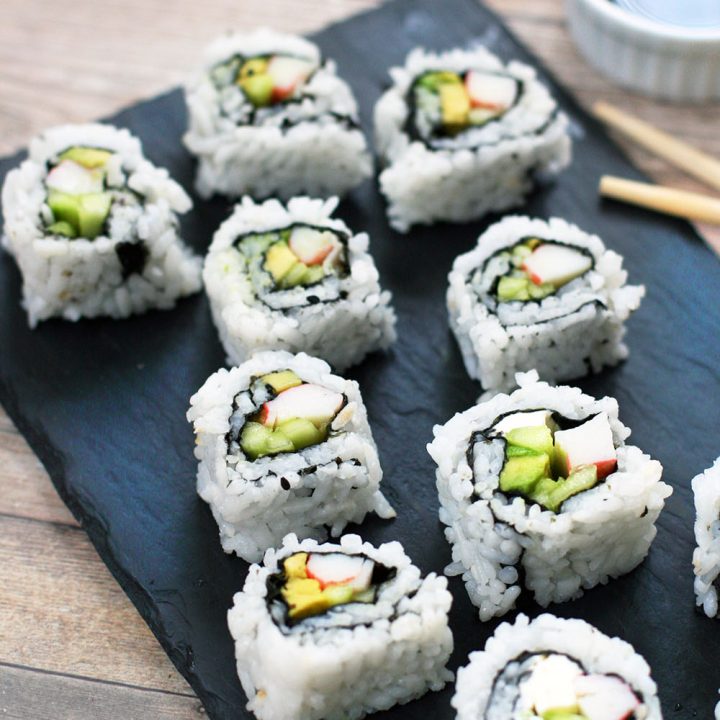
The core ingredients of a classic California Roll are deceptively simple yet perfectly balanced to create its signature mild and appealing flavor profile. These include:
- Sushi Rice: Perfectly seasoned short-grain rice, forming the outer layer of the roll, giving it a comforting texture and familiar appearance.
- Nori (Seaweed): Tucked inside, surrounding the fillings, it provides a subtle umami note without being visually prominent.
- Imitation Crab Meat (Surimi): Often called “kani” in sushi restaurants, this cooked, processed fish product offered a sweet, savory, and familiar taste that was less challenging than raw seafood for many first-time sushi eaters.
- Avocado: The creamy texture and mild, buttery flavor of ripe avocado were revolutionary additions. It provided a rich mouthfeel and a popular ingredient that many Americans already enjoyed.
- Cucumber: Sliced into thin sticks, the cucumber adds a refreshing crunch and a clean, crisp counterpoint to the richness of the avocado and crab.
These components were carefully chosen to avoid strong, potentially off-putting flavors or textures for an unfamiliar palate. The absence of raw fish was a key factor in its initial success, making it a safe and palatable option for those venturing into sushi for the first time. The inside-out design also meant that the seaweed, a texture many found unusual, was hidden, further enhancing its appeal. This combination proved to be a stroke of genius, transforming a niche ethnic dish into a mainstream favorite that laid the groundwork for the modern sushi boom.
A Global Phenomenon: The California Roll’s Impact on Travel and Tourism
From its humble beginnings in the kitchens of Los Angeles, the California Roll quickly transcended its regional roots to become a true global ambassador for sushi. Its widespread acceptance has had a significant impact on how we perceive and consume food while traveling, making it a remarkable case study in culinary globalization and its relationship with tourism.
From Local Delicacy to International Staple
The popularity of the California Roll exploded in the late 20th century, first across the United States and then internationally. Its success wasn’t just about taste; it was also about timing. As global travel became more accessible and diverse, people were increasingly open to trying new cuisines. The California Roll, with its familiar ingredients and non-threatening presentation, served as the perfect entry point. It allowed travelers to feel adventurous without stepping too far outside their comfort zones.
Today, you’d be hard-pressed to find a city of any significant size in North America, Europe, Asia, or Australia that doesn’t feature the California Roll on its sushi menu. It has become a standard offering, alongside more traditional Japanese rolls, in a testament to its universal appeal. For those embarking on food tourism, discovering how the California Roll has adapted or been interpreted in different cultures can be an interesting part of their journey. Some regions might add their own local twist, perhaps incorporating a unique seasoning or a locally sourced ingredient, reflecting the vibrant tapestry of globalized food culture. This ubiquitous presence means that even when you’re far from home, there’s a good chance you can find a taste of this comforting American-Japanese hybrid.
Finding the California Roll Abroad: A Traveler’s Guide
For the modern traveler, the California Roll offers a reliable and often delicious dining option, no matter where their journeys take them. Its presence across various types of accommodation and dining venues highlights its versatility.
- Hotels and Resorts: Many high-end hotels and resorts worldwide, from a Hyatt Regency in Dubai to a Sheraton in London, include the California Roll on their room service menus or in their in-house Japanese restaurants. This makes it an incredibly convenient option for guests seeking a familiar, light meal after a long day of exploring attractions or attending business meetings. The quality can vary, but reputable establishments typically maintain a high standard, offering a gourmet version of this classic.
- Airport Lounges and Cafes: Even in the busiest of travel hubs, like Changi Airport or Heathrow, you can often find pre-packaged California Rolls in grab-and-go sections of cafes or in executive lounges. They serve as a quick, relatively healthy, and satisfying snack for travelers on the move, aligning perfectly with the demand for efficiency in modern travel.
- Local Restaurants and Sushi Bars: Of course, the most authentic and diverse experiences of the California Roll can be found in dedicated sushi restaurants and Japanese eateries in cities like New York City or Paris. Here, chefs might experiment with variations, offering premium crab meat, adding tobiko (flying fish roe) for an extra pop, or using different types of avocado to enhance the flavor. Seeking out these local interpretations can be a delightful part of any culinary adventure. For travelers staying in apartments or villas with kitchen amenities, picking up fresh sushi from a local market or deli is also a fantastic option, combining convenience with a taste of the local food scene.
- Cruise Ships: On cruise ships traversing the world’s oceans, the California Roll is a common sight in specialty restaurants or as part of buffet offerings, catering to a diverse international passenger base looking for familiar yet exciting food options during their voyage.
The ubiquitous nature of the California Roll means that no matter where your guides or tips take you, you’re likely to find this iconic dish, often representing a comfortable and delicious bridge between cultures.
The California Roll and the Modern Lifestyle
Beyond its culinary appeal and global presence, the California Roll has seamlessly integrated itself into various aspects of the modern lifestyle, influencing everything from everyday dining choices to specialized culinary workshops and unique travel experiences. Its adaptability and broad appeal make it a perfect fit for the dynamic demands of contemporary living.
A Versatile Choice for Every Traveler
The appeal of the California Roll extends across a wide spectrum of personal preferences and travel styles, making it a truly versatile food option.
- Healthy Eating: For those mindful of their diet, the California Roll often presents itself as a lighter, healthier alternative to heavier meals. With its fresh vegetables, lean crab meat, and relatively small portion of rice, it aligns well with healthy eating lifestyles. Many even opt for brown rice versions or extra vegetable fillings to boost its nutritional profile.
- Quick and Convenient: In our fast-paced world, convenience is key, especially for business travelers on tight schedules or families exploring landmarks. The California Roll is easily portable, requires no utensils, and can be eaten on the go, making it an ideal choice for a quick lunch between meetings or during a day of sightseeing. Its availability in supermarkets, delis, and airport terminals caters directly to this demand for efficiency.
- Family-Friendly Option: Traveling with children can often present dining challenges, especially when introducing them to new cuisines. The California Roll’s mild flavor and cooked ingredients make it an excellent entry point for younger palates. It’s often the first sushi roll children try and love, making family dining while on vacation much easier and more enjoyable. It’s a testament to its broad appeal that it can satisfy both adventurous foodies and picky eaters alike.
- Luxury vs. Budget Travel: Whether you’re indulging in luxury travel at a five-star resort with a renowned sushi chef or practicing budget travel by grabbing a meal from a local market, the California Roll fits. It’s versatile enough to be elevated with premium ingredients like real crab and artisanal rice or kept affordable with more standard components, providing a quality meal experience across all price points.
Beyond the Roll: Culinary Experiences and Workshops
The cultural significance and enduring popularity of the California Roll have also made it a focal point for hands-on culinary experiences and educational activities, especially for those interested in exploring local culture through food.
- Sushi Making Classes: Many resorts, hotels, and independent culinary schools around the world now offer sushi making classes. The California Roll is almost always a featured item in these workshops due to its relative simplicity for beginners and its inside-out technique, which is a fundamental skill in uramaki preparation. These experiences provide travelers with a fun, interactive way to learn about Japanese food culture and take home a new skill. Imagine learning to roll your own California Rolls during your stay at a boutique hotel in Maui or a cooking school in Rome—it adds a memorable dimension to any trip.
- Food Festivals and Culinary Tours: The California Roll frequently appears at food festivals globally, often as part of “fusion” or “international cuisine” sections. Culinary tours in cities known for their diverse food scenes, such as San Francisco or Melbourne, might include a stop at a sushi bar to sample a gourmet California Roll, highlighting its role in the evolution of modern gastronomy.
- Home Cooking and Entertaining: Beyond travel, the California Roll has also become a popular dish for home cooks and entertainers. With readily available ingredients and countless online guides and recipes, people enjoy making sushi at home, often starting with the familiar California Roll before venturing into more complex preparations. This reflects its deep integration into everyday lifestyles and the joy of sharing global food experiences with friends and family.
In essence, the California Roll has transformed from a mere dish into a symbol of culinary globalization, cultural adaptation, and modern convenience. It’s a testament to how food can transcend borders, sparking curiosity and inviting people to explore new tastes and traditions, whether they’re at home or thousands of miles away.
The California Roll stands as a remarkable testament to culinary innovation and the power of fusion cuisine. From its disputed origins in Los Angeles or Vancouver, it swiftly transitioned from a novel adaptation to an international standard, democratizing sushi for millions across the globe. It’s not merely a roll of rice and fillings; it’s a bridge between Eastern and Western palates, a symbol of approachability, and a cornerstone of the global sushi boom.
For the modern traveler, the California Roll is a comforting constant. Its ubiquitous presence in hotels, resorts, airports, and local eateries across diverse destinations makes it an accessible, reliable, and often delicious choice, perfectly aligning with various lifestyles—from those seeking healthy options to families on vacation or business travelers on the go. Furthermore, it serves as an excellent gateway for culinary experiences, inviting enthusiasts to participate in sushi making classes and deepen their appreciation for food culture.
Ultimately, the story of the California Roll is a microcosm of modern travel itself: an evolution driven by curiosity, adaptation, and the desire to connect with the world in new and exciting ways. So, the next time you savor a California Roll, remember that you’re enjoying more than just a meal; you’re tasting a piece of global culinary history, a dish that truly put the “roll” in “global roll-out” for sushi and irrevocably changed how we eat and explore.
LifeOutOfTheBox is a participant in the Amazon Services LLC Associates Program, an affiliate advertising program designed to provide a means for sites to earn advertising fees by advertising and linking to Amazon.com. Amazon, the Amazon logo, AmazonSupply, and the AmazonSupply logo are trademarks of Amazon.com, Inc. or its affiliates. As an Amazon Associate we earn affiliate commissions from qualifying purchases.