
For those seeking an escape from the ordinary, the vast and untamed beauty of Big Bend National Park in Texas often conjures images of rugged mountains, dramatic desert landscapes, and the winding course of the Rio Grande. However, the title “Where Is Big Bend Florida On The Map?” presents a fascinating geographical puzzle and a journey into a less-traveled, yet equally captivating, corner of the Sunshine State. This query likely stems from a desire to explore a region that shares a certain wild, remote character with its more famous namesake, but is distinctly Floridian in its ecology and appeal.

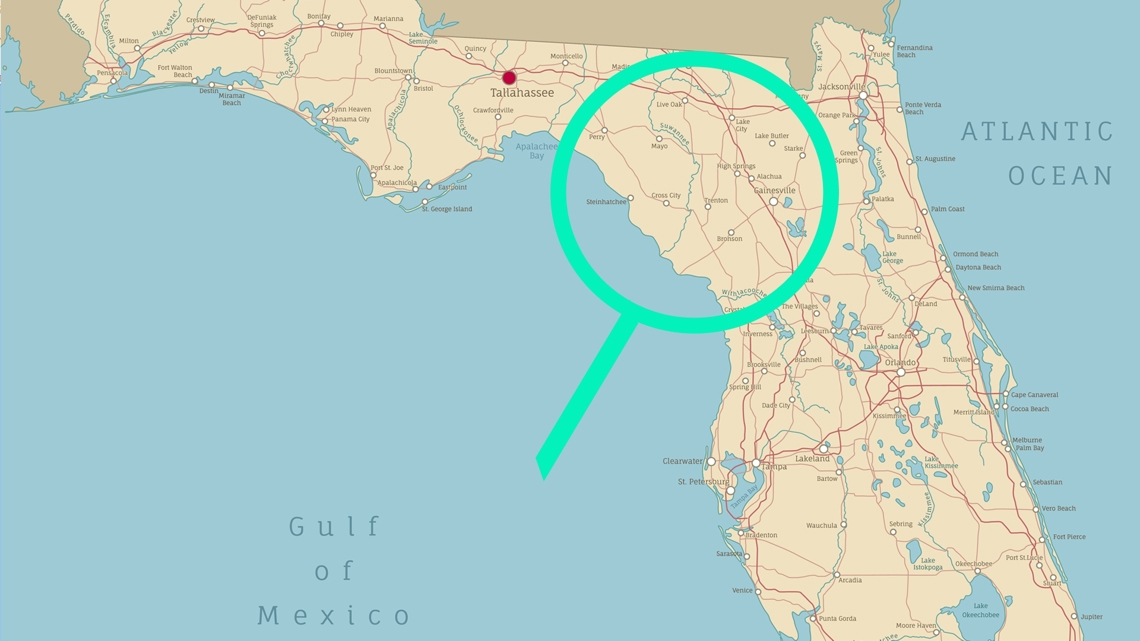
The “Big Bend” of Florida refers not to a single national park, but to a sprawling, sparsely populated region in the northwestern part of the state, encompassing several counties that hug the coastline of the Gulf of Mexico. This area is characterized by its unique blend of coastal ecosystems, including pristine salt marshes, mangrove forests, barrier islands, and estuarine waters, all contributing to an environment rich in biodiversity and offering a tranquil retreat for nature enthusiasts. Unlike the arid, mountainous terrain of its Texan counterpart, Florida’s Big Bend is defined by water – the ebb and flow of tides, the shimmering expanse of shallow bays, and the migratory pathways of countless bird species.
Unveiling the Geography of Florida’s Big Bend
To pinpoint Florida’s Big Bend on a map, one must look towards the panhandle region, specifically the coastline stretching from Apalachicola westward towards the Florida Keys and then curving southwards along the Gulf coast. The region is loosely defined but generally includes counties such as Franklin, Wakulla, Jefferson, Taylor, and Dixie. This is a land where development is minimal, roads are often unpaved, and the natural environment takes precedence. It’s a stark contrast to the more developed coastlines of central and southern Florida.
Defining the Boundaries
While not an officially designated national park, the concept of “Big Bend Florida” evokes a sense of place defined by its ecological significance and its relative remoteness. The northern boundary could be considered the line where the coastal plain begins to transition into the more inland pine forests, while the southern and western edges are clearly demarcated by the Gulf of Mexico. The area is characterized by a low population density and a strong connection to the natural world.
Key Geographic Features
The defining features of Florida’s Big Bend are its extensive coastal wetlands. These include:
- Salt Marshes: Vast expanses of grasses adapted to brackish water, providing crucial habitat for a myriad of marine and avian life.
- Mangrove Forests: Dense, tangled root systems of mangrove trees that act as natural nurseries for fish and shellfish, and protect the coastline from erosion.
- Barrier Islands: Unspoiled islands, often only accessible by boat, offering pristine beaches and nesting grounds for sea turtles and shorebirds.
- Estuaries: The vital transitional zones where freshwater rivers meet saltwater from the Gulf, creating highly productive ecosystems that support diverse fisheries.
Exploring the Natural Wonders and Attractions
The allure of Florida’s Big Bend lies in its undeveloped, natural beauty and the opportunities it presents for experiencing a wilder side of Florida. It’s a destination for those who appreciate solitude, wildlife observation, and outdoor adventures that are deeply connected to the marine environment.
St. Marks National Wildlife Refuge
A crown jewel of the region is the St. Marks National Wildlife Refuge. This expansive refuge, spanning over 70,000 acres, is a haven for migratory birds, including the iconic Monarch butterfly during its fall migration. Visitors can explore miles of trails, drive scenic routes, and visit historic sites like the St. Marks Lighthouse, a beacon that has guided mariners for over a century. The refuge offers unparalleled opportunities for birdwatching, photography, and kayaking through its intricate network of salt marshes and tidal creeks.
Apalachicola National Forest and Wildlife Management Areas
The inland areas of Florida’s Big Bend are equally compelling, with vast tracts of Apalachicola National Forest and numerous Wildlife Management Areas offering a different, yet complementary, natural experience. These forests are characterized by longleaf pine ecosystems, cypress swamps, and clear, blackwater streams. Hiking, fishing, and hunting are popular activities here, providing a chance to immerse oneself in the heart of the panhandle’s unique flora and fauna.
The Forgotten Coast
The stretch of coastline within Florida’s Big Bend is often referred to as the “Forgotten Coast“. This moniker aptly describes its relative obscurity compared to other Florida destinations. Towns like Apalachicola, Port St. Joe, and St. George Island offer a glimpse into a more traditional Florida, with charming historic districts, fresh seafood, and a relaxed pace of life. St. George Island, in particular, is renowned for its pristine beaches and the St. George Island State Park, a barrier island paradise.
Activities and Experiences in Florida’s Big Bend
The experiences available in Florida’s Big Bend are intrinsically tied to its natural environment. It’s a destination for active exploration, quiet contemplation, and deep appreciation for the wild.
Kayaking and Canoeing
The calm, shallow waters of the bays and estuaries, along with the numerous winding creeks and rivers, make Florida’s Big Bend a kayaker’s and canoeist’s dream. Paddling through mangrove tunnels, exploring tidal flats, and spotting marine life like dolphins and manatees are common occurrences. Many outfitters in towns like Steinhatchee and Perry offer rentals and guided tours, allowing visitors to access hidden coves and secluded beaches.
Birdwatching and Wildlife Viewing
With its diverse habitats, Florida’s Big Bend is a paradise for birdwatchers. The region is a critical stopover point for migratory birds, and resident species are abundant. From wading birds like herons and egrets in the marshes to raptors soaring overhead and various songbirds in the forests, the opportunities for observation are endless. Beyond birds, visitors may encounter alligators, river otters, deer, and a variety of marine mammals.
Fishing and Boating
The fertile waters of the Gulf of Mexico and the numerous bays and rivers offer excellent fishing opportunities. Whether you’re casting a line from a pier, launching a small boat into a quiet cove, or heading out for a charter fishing trip, the region is renowned for its redfish, trout, and flounder. Boating enthusiasts will find marinas and launch points scattered throughout the area, providing access to both inshore and offshore fishing grounds.
Exploring Coastal Towns
While nature is the primary draw, the small coastal towns of Florida’s Big Bend offer their own unique charm. Apalachicola, with its historic architecture and vibrant seafood scene, is a must-visit. Carrabelle boasts the “World’s Smallest City Hall,” and Steinhatchee is a popular spot for fishing and scalloping. These towns provide a glimpse into the local culture, often centered around maritime traditions and a slower way of life.
Planning Your Visit to Florida’s Big Bend
A trip to Florida’s Big Bend requires a different approach than planning a visit to a more developed tourist destination. The emphasis is on preparation, self-sufficiency, and a willingness to embrace the wild.
Best Time to Visit
The best time to visit Florida’s Big Bend depends on your interests. Spring and fall offer pleasant temperatures and are ideal for birdwatching, especially during migration seasons. Summer can be hot and humid, with the possibility of afternoon thunderstorms, but it is also peak season for scallop harvesting. Winter offers cooler temperatures, fewer crowds, and is a good time for exploring the coastal areas and forests.
Accommodation Options
Accommodation in Florida’s Big Bend tends to be more rustic and locally owned. You won’t find large chain hotels or sprawling resorts here. Instead, expect charming inns, bed and breakfasts, vacation rentals, and a few basic motels in the small towns. Camping is also a popular option, with several campgrounds within state parks and national forests offering a more immersive nature experience.
Getting Around
A personal vehicle is essential for exploring Florida’s Big Bend. While some towns are walkable, the vastness of the region and the dispersed nature of its attractions necessitate driving. Many roads, especially those leading to more remote natural areas, are unpaved, so a vehicle with decent clearance is advisable, though not always strictly necessary for all main attractions.

Packing Essentials
Given the outdoor focus, packing appropriately is key. This includes:
- Insect repellent: Essential, especially during warmer months.
- Sun protection: Hats, sunscreen, and sunglasses are vital.
- Sturdy walking shoes: For exploring trails and natural areas.
- Rain gear: Sudden showers can occur.
- Binoculars: For birdwatching and wildlife viewing.
- Water bottles: Staying hydrated is crucial, especially in the heat.
- Camera: To capture the stunning natural beauty.
Florida’s Big Bend, while geographically distinct from its Texan namesake, offers a profound connection to nature and a chance to experience a wild, untamed Florida that is rapidly disappearing. It’s a destination for the intrepid traveler, the nature lover, and anyone seeking an escape to a landscape where the rhythm of the tides and the calls of the wild set the pace.
LifeOutOfTheBox is a participant in the Amazon Services LLC Associates Program, an affiliate advertising program designed to provide a means for sites to earn advertising fees by advertising and linking to Amazon.com. Amazon, the Amazon logo, AmazonSupply, and the AmazonSupply logo are trademarks of Amazon.com, Inc. or its affiliates. As an Amazon Associate we earn affiliate commissions from qualifying purchases.