
Florida State University (FSU) stands as a cornerstone of higher education and a significant landmark within the Sunshine State. For prospective students, visiting families, alumni returning for events, or even curious travelers exploring the rich tapestry of Florida, understanding its precise location is key. FSU is not a fleeting entity but a sprawling campus with a deep-rooted presence, offering a vibrant mix of academic rigor, historical significance, and engaging local culture.
The Heart of Tallahassee: FSU’s Primary Campus
Florida State University’s main campus is strategically located in Tallahassee, the capital city of Florida. This location places the university at the nexus of state governance, cultural institutions, and a thriving urban environment. The campus itself is a destination, a testament to architectural evolution and a hub of student life.

Navigating the University Grounds
The primary campus spans a considerable area, bordered by various thoroughfares that make it accessible yet distinct. Key streets include West Tennessee Street to the south, Appleyard Drive to the west, Stadium Drive to the north, and Mahan Drive to the east, though these are broad boundaries encompassing numerous internal roads and pedestrian walkways.
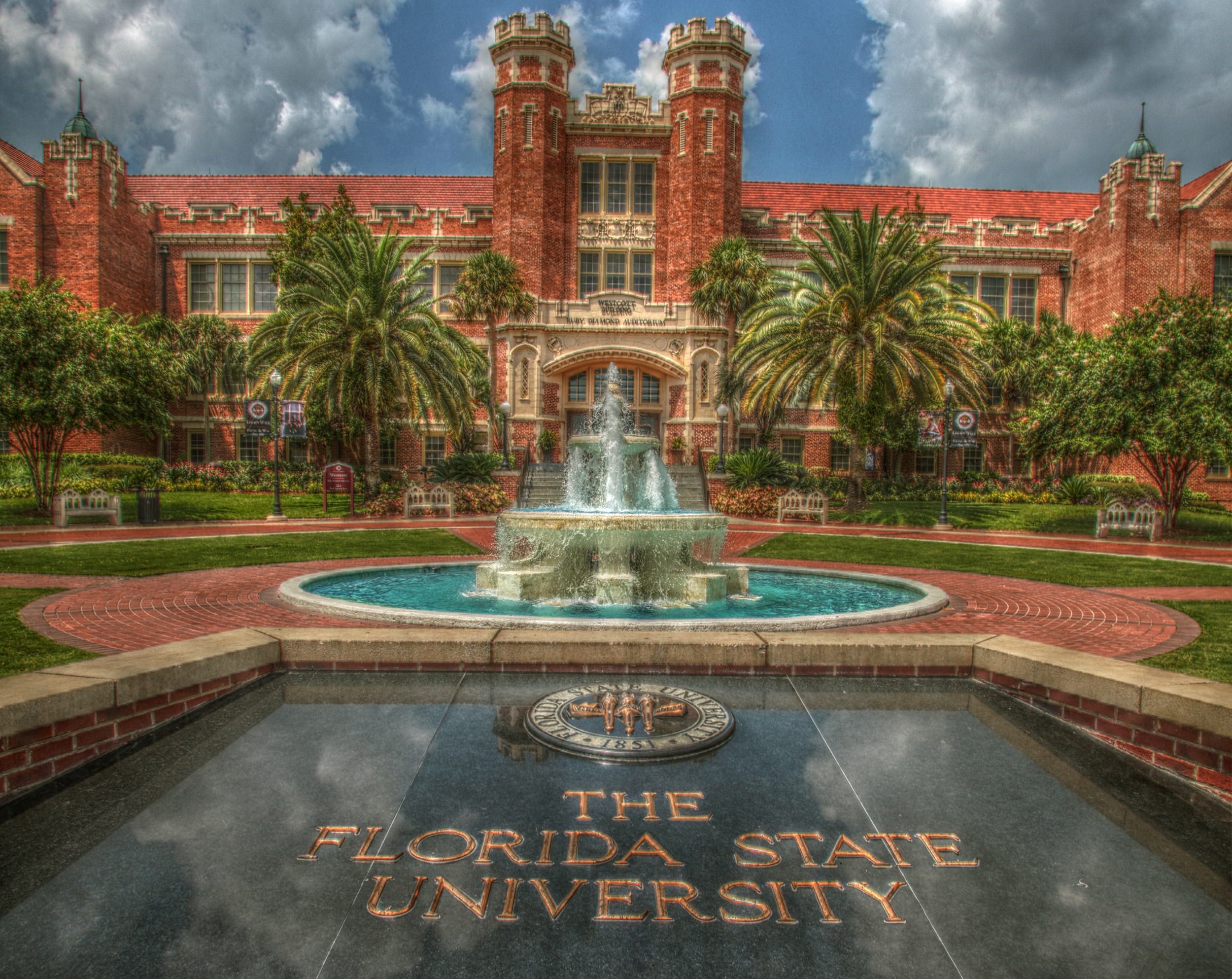
The physical heart of the university can be considered University Center, often housing administrative offices, student services, and central gathering spaces. Iconic structures like the Westcott Building, with its distinctive clock tower, serve as navigational beacons and historical markers. For those arriving by car, numerous parking garages and surface lots are available, with specific access points clearly marked for visitors. Utilizing GPS navigation systems with the university’s main address – 1075 West Tennessee Street, Tallahassee, FL 32306 – will guide visitors directly to the vicinity of the campus.
Key Landmarks Within the Campus
Within the sprawling grounds of Florida State University, several landmarks stand out, offering both functional purpose and aesthetic appeal, contributing to the overall visitor experience:
- Doak Campbell Stadium: Home to the Florida State Seminoles football team, this iconic stadium is a major draw, especially during the fall season. Its presence shapes the northern edge of the main campus and is visible from various vantage points.
- Ruby Diamond Concert Hall: This premier performing arts venue hosts a wide array of musical and theatrical productions, drawing audiences from across the region. It is centrally located and easily accessible.
- Oglesby Union: Serving as a central student hub, the Union offers dining options, retail spaces, and recreational facilities. It’s a prime location to experience the daily pulse of student life.
- The Legacy Walk: This beautifully landscaped pathway connects many of the university’s historic buildings and public art installations, providing a scenic route for exploration and appreciation of the campus’s aesthetic and historical narrative.
Beyond the Main Campus: FSU’s Wider Reach
While the core of Florida State University resides in Tallahassee, its influence and operational footprint extend to other locations, primarily for specialized programs, research, and outreach.
The FSU Panama City Campus
For students pursuing specific undergraduate and graduate degrees, the Florida State University Panama City campus offers a distinct educational experience. Located on 1600 Starfish Drive, Panama City Beach, FL 32408, this branch campus provides a more intimate learning environment situated in a beautiful coastal setting. It allows students to benefit from FSU’s academic excellence while enjoying the unique lifestyle of the Florida Panhandle. The campus is designed to foster close student-faculty interaction and offers programs tailored to regional needs and opportunities.
Research Centers and Off-Site Facilities

FSU also operates various research centers and facilities that, while not traditional campus locations, are integral to its academic mission. These might include marine laboratories along the coast, environmental research stations in different ecological zones within Florida, and collaborative spaces in other cities. For instance, the FSU Coastal and Marine Laboratory is a significant research outpost, though its specific public accessibility for general tourism is limited to organized tours or academic engagements. These facilities underscore FSU’s commitment to scientific inquiry and its engagement with the diverse natural environments of Florida.
Experiencing FSU: A Destination for More Than Just Academics
The presence of Florida State University imbues Tallahassee with a distinct energy, transforming it into a destination that appeals to a broad spectrum of visitors beyond prospective students. The university acts as a cultural anchor and a driver of local economic activity, offering unique experiences for those who venture to its grounds.
Cultural and Sporting Events
FSU is a powerhouse of cultural and sporting events that draw significant crowds. Attending a Florida State Seminoles football game at Doak Campbell Stadium is a quintessential Florida experience, characterized by passionate fans, vibrant tailgating, and a thrilling atmosphere. Beyond sports, the university’s arts programs are highly acclaimed. The Ruby Diamond Concert Hall and various smaller venues regularly host performances by student ensembles, faculty artists, and visiting professional troupes, offering everything from classical music to contemporary theater and dance. These events provide a rich cultural immersion into the university’s dynamic arts scene.
Exploring Tallahassee’s Connection to FSU
The city of Tallahassee itself is deeply intertwined with Florida State University. The university’s student population and faculty contribute significantly to the local economy and cultural landscape. Visitors can explore the areas surrounding the campus, which are often dotted with student-oriented businesses, restaurants, and entertainment venues. The CollegeTown district, adjacent to the university, is a prime example, offering a concentrated area of dining, shopping, and nightlife that caters to both students and the wider public. This vibrant district exemplifies the symbiotic relationship between the university and its host city.
Historical and Architectural Significance
Florida State University’s campus is not just a place of learning; it is also a repository of history and architectural interest. Many buildings on the main campus boast significant historical value and showcase evolving architectural styles. The aforementioned Westcott Building, a neoclassical masterpiece, is a prime example, standing as a symbol of the university’s enduring legacy. Strolling through campus, particularly along the Legacy Walk, allows visitors to appreciate the integration of historical structures with modern facilities, creating a visually engaging and historically rich environment. The campus itself can be considered a landmark, offering a glimpse into the educational heritage of Florida.
Planning Your Visit to Florida State University
For individuals planning a visit to Florida State University, whether for an official tour, an academic conference, a cultural event, or simply to explore, strategic planning can enhance the experience.
Accommodation Options
Given FSU’s presence in Tallahassee, visitors will find a range of accommodation options to suit various budgets and preferences. Several hotels are conveniently located near the university campus, providing easy access for those attending events or engaging in campus tours. Options range from well-known chains to boutique establishments. For those seeking extended stays or a more home-like atmosphere, apartment rentals and vacation homes are also available in the surrounding neighborhoods. Researching lodging in proximity to West Tennessee Street or the CollegeTown area often yields the most convenient choices for campus visitors.
Getting to and Around FSU
Reaching Florida State University is straightforward, with Tallahassee International Airport (TLH) serving as the primary gateway for air travelers. From the airport, taxis, ride-sharing services, and rental cars are readily available to transport visitors to the university. For those driving, Interstate 10 (I-10) provides major access to Tallahassee, with subsequent connections to local roads leading to the FSU campus.
Once in Tallahassee and near FSU, navigating the campus can be done on foot, especially for exploring the core areas. The Seminole Express bus system offers on-campus transportation, providing a convenient way to traverse the larger university grounds. For exploring the wider city and its attractions beyond the immediate FSU vicinity, rental cars or ride-sharing services are recommended. Understanding campus maps and signage will greatly assist in efficient navigation during your visit.
LifeOutOfTheBox is a participant in the Amazon Services LLC Associates Program, an affiliate advertising program designed to provide a means for sites to earn advertising fees by advertising and linking to Amazon.com. Amazon, the Amazon logo, AmazonSupply, and the AmazonSupply logo are trademarks of Amazon.com, Inc. or its affiliates. As an Amazon Associate we earn affiliate commissions from qualifying purchases.