
Orlando, a vibrant metropolis nestled in the heart of Central Florida, stands as a globally recognized epicenter of entertainment, family fun, and a gateway to numerous adventures. Its geographical positioning is not merely a dot on a map but a strategic nexus that draws millions of visitors annually, seeking its unique blend of world-class theme parks, burgeoning culinary scenes, and diverse natural beauty. Understanding its location provides context to its popularity and accessibility, making it a prime destination for travelers from across the globe.
Geographical Placement and Connectivity
Orlando is situated in Orange County, within the state of Florida. This central location within the Sunshine State is a significant advantage, offering relatively easy access to both the Atlantic and Gulf coasts, each presenting distinct experiences. The city itself lies inland, approximately 50 miles east of the Gulf of Mexico and about 85 miles west of the Atlantic Ocean. This inland position contributes to its generally warm and humid subtropical climate, characterized by hot summers and mild winters.
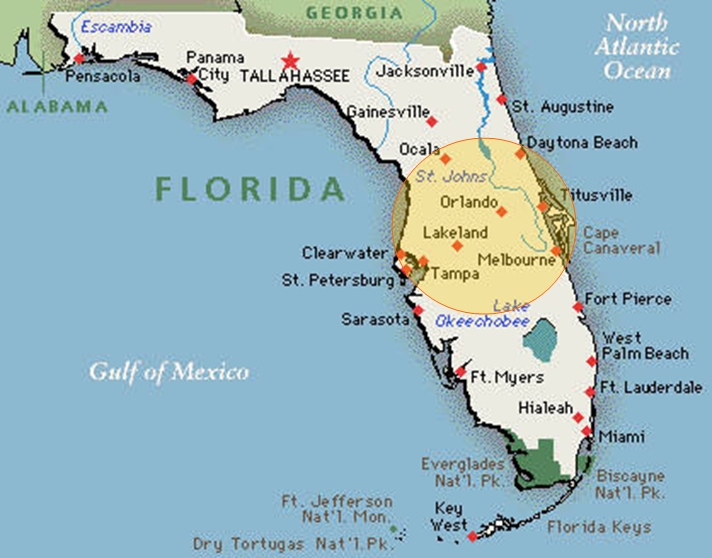
The metropolitan area of Orlando is part of the larger Central Florida region, which is known for its flat topography, characterized by numerous lakes and wetlands. This geographical feature has historically influenced its development, from its early days as a citrus-growing region to its current status as a major tourist hub.
Transportation Hub
Orlando’s strategic location is amplified by its robust transportation infrastructure. The primary gateway for air travelers is the Orlando International Airport (MCO), one of the busiest airports in the world. Its extensive network of domestic and international flights makes Orlando exceptionally accessible. Beyond air travel, the city is well-connected by a comprehensive network of highways.
- Interstate 4 (I-4): This major north-south interstate runs directly through Orlando, serving as a vital artery for both local traffic and tourists heading to various attractions.
- Florida’s Turnpike: A toll road that provides convenient access to and from other parts of Florida, including South Florida cities like Miami and Tampa.
- State Road 528 (Beachline Expressway): This highway connects Orlando to the east coast and the Kennedy Space Center, offering a direct route to the beaches and space exploration sites.
This extensive connectivity ensures that reaching Orlando and navigating its surrounding areas is a seamless experience for visitors, regardless of their starting point.
Proximity to Key Attractions and Regions
Orlando’s placement on the map is intimately linked to its world-renowned theme parks and its role as a central point for exploring Central Florida’s diverse offerings. Its location facilitates easy day trips and excursions to a variety of popular destinations.
The Theme Park Capital of the World
The city’s global fame is largely attributed to its concentration of iconic theme parks. The most prominent include:

- Walt Disney World Resort: A sprawling complex that encompasses multiple parks, including Magic Kingdom, Epcot, Disney’s Hollywood Studios, and Disney’s Animal Kingdom. This massive resort is located just southwest of the city center.
- Universal Orlando Resort: Home to Universal Studios Florida, Universal’s Islands of Adventure, and the thrilling water park, Universal’s Volcano Bay. This resort is situated northwest of downtown Orlando.
- SeaWorld Orlando: A marine-life theme park and conservation center.
- ICON Park: Featuring the iconic Orlando Eye, Madame Tussauds, and Sea Life Aquarium.
The proximity of these major attractions to Orlando’s core and its transportation hubs makes it an ideal base for visitors planning an extended stay focused on entertainment.
Gateway to Florida’s Natural and Coastal Wonders
Beyond the manufactured magic of the theme parks, Orlando’s location serves as an excellent launching point for exploring Florida’s natural landscapes and coastline.
- Kennedy Space Center Visitor Complex: Located on the east coast, approximately an hour’s drive east of Orlando, this historic site offers an unparalleled look into space exploration.
- Central Florida’s Lakes and Springs: The region is dotted with numerous natural springs, such as Wekiwa Springs State Park and Blue Spring State Park, offering opportunities for swimming, kayaking, and enjoying Florida’s pristine aquatic environments.
- Beaches: Within a 1-2 hour drive, visitors can reach the shores of the Atlantic Ocean, including popular destinations like Cocoa Beach and Daytona Beach. The Gulf Coast, with its calmer waters and white-sand beaches like those near Clearwater and St. Pete Beach, is also accessible within a few hours’ drive.
This central positioning allows visitors to experience the multifaceted beauty and adventure that Florida has to offer, making Orlando a truly strategic choice for a comprehensive vacation.
Orlando’s Role in the Global Travel Landscape
Orlando’s presence on the world map is synonymous with its impact on the global tourism industry. Its consistent ranking among the most visited cities in the United States and worldwide underscores its significance. The city’s development into a tourism powerhouse began in earnest with the opening of Walt Disney World in 1971, which acted as a catalyst for widespread growth and infrastructure development.
Economic Engine and International Appeal
The tourism sector is the economic backbone of Orlando and the surrounding region. Millions of international visitors arrive each year, contributing significantly to the local economy. The city’s ability to cater to a diverse range of international tastes and expectations, from language services to a variety of international cuisines, further enhances its global appeal. Its well-established reputation for family-friendly entertainment means that many international families plan their vacations specifically around a visit to Orlando.

Beyond the Parks: Evolving Identity
While theme parks remain its primary draw, Orlando’s identity on the map is evolving. The city is increasingly recognized for its burgeoning culinary scene, vibrant arts and culture, and growing business and convention sector. The presence of numerous hotels, from budget-friendly motels to luxury resorts, and a wide array of dining establishments, supports this expanding tourism landscape. The Orange County Convention Center, one of the largest convention centers in North America, further solidifies Orlando’s position as a destination for both leisure and business travel.
The continuous investment in new attractions, entertainment venues, and the enhancement of existing facilities ensures that Orlando remains at the forefront of the global travel industry. Its location, accessibility, and diverse offerings collectively make it a dynamic and essential destination on the world’s travel map.
LifeOutOfTheBox is a participant in the Amazon Services LLC Associates Program, an affiliate advertising program designed to provide a means for sites to earn advertising fees by advertising and linking to Amazon.com. Amazon, the Amazon logo, AmazonSupply, and the AmazonSupply logo are trademarks of Amazon.com, Inc. or its affiliates. As an Amazon Associate we earn affiliate commissions from qualifying purchases.