
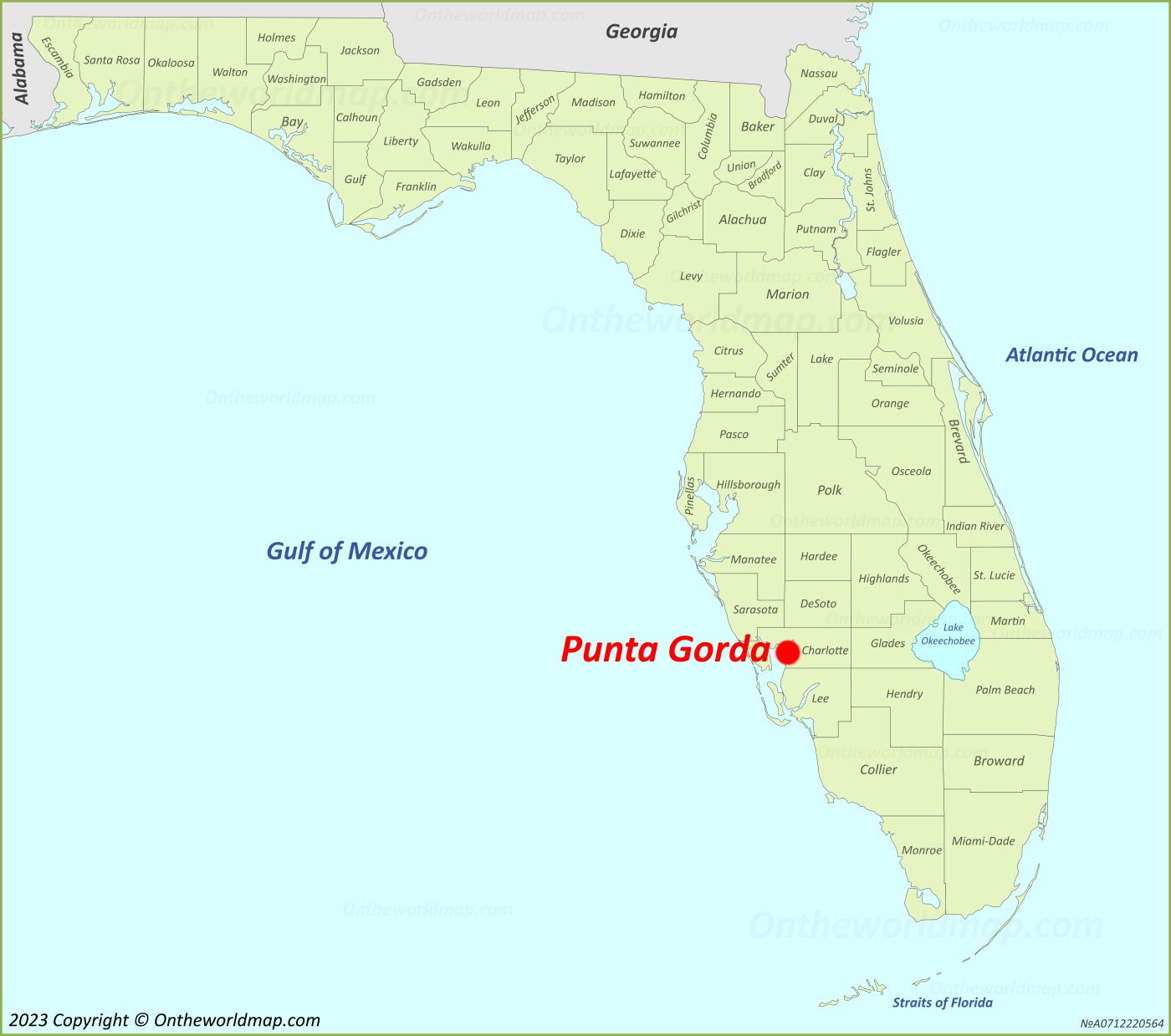
Punta Gorda, Florida, a picturesque city nestled along the southwestern coast of the Sunshine State, offers a captivating blend of coastal charm, historic appeal, and vibrant community life. Its strategic location provides residents and visitors alike with convenient access to stunning natural beauty, diverse recreational opportunities, and a burgeoning cultural scene. Understanding its geographical placement is key to appreciating the unique allure of this Gulf Coast gem.
Coastal Charm and Strategic Positioning
Punta Gorda is situated on the northern shore of Charlotte Harbor, a significant estuarine system that opens directly into the Gulf of Mexico. This prime waterfront positioning is not merely scenic; it dictates much of the city’s character and economic activity, historically and presently. The harbor itself is a focal point, offering protected waters ideal for boating, fishing, and a variety of watersports. The city’s name, “Punta Gorda,” meaning “Fat Point” in Spanish, likely refers to a prominent peninsula jutting into the harbor, a geographical feature that has shaped its development over centuries.
Proximity to Major Urban Centers and Transportation Hubs
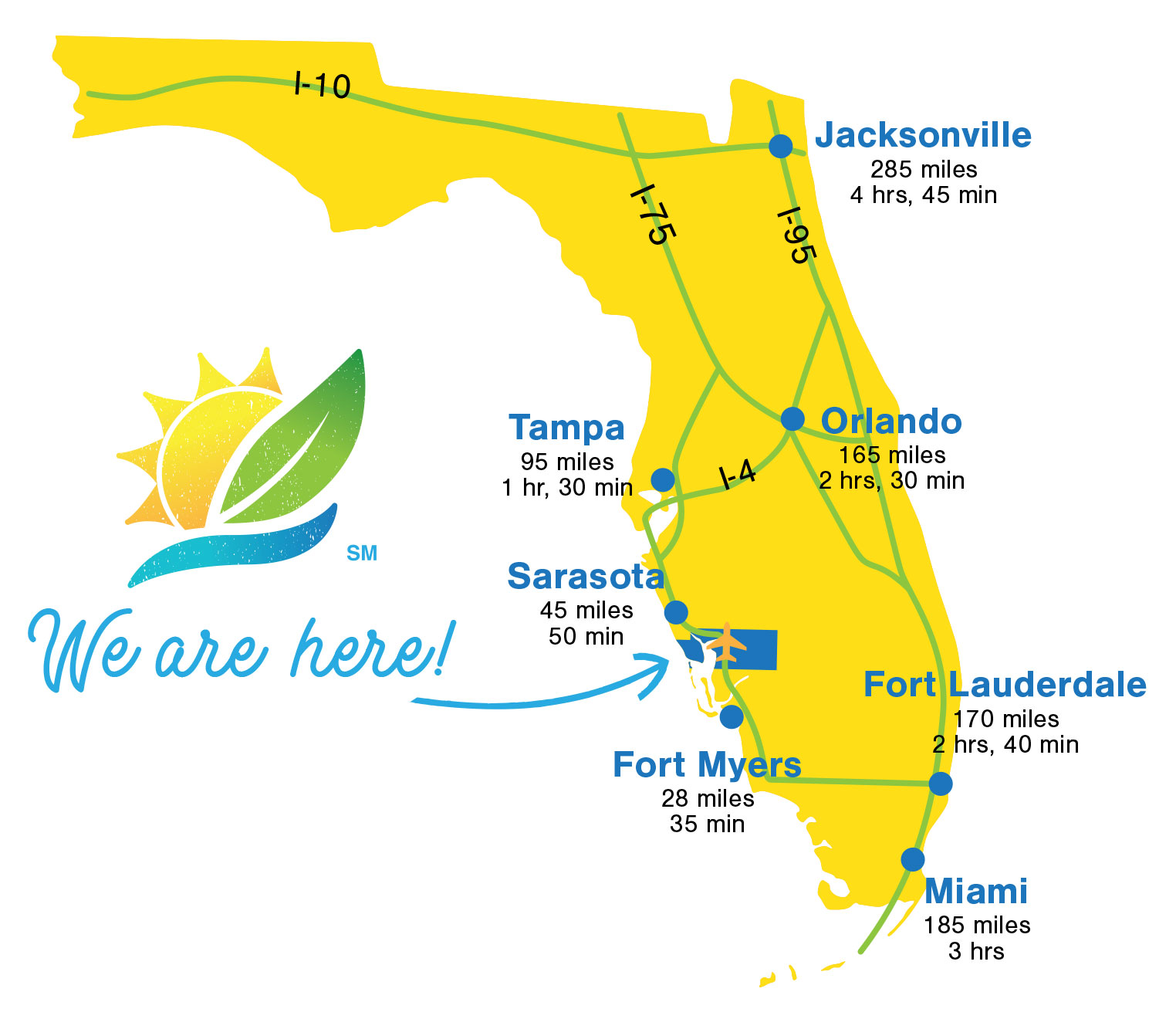
One of the most significant advantages of Punta Gorda’s location is its accessibility. The city is strategically positioned between two major metropolitan areas: Tampa to the north and Fort Myers to the south. This proximity offers residents and visitors the convenience of accessing the amenities and attractions of larger cities while enjoying the more relaxed pace of life in Punta Gorda.
- Tampa: Approximately 100 miles north of Punta Gorda, Tampa is a major hub for business, entertainment, and international travel. Visitors can easily reach Punta Gorda from Tampa via Interstate 75 (I-75), a primary north-south artery in Florida. The drive typically takes around 1.5 to 2 hours, depending on traffic conditions. Tampa International Airport (TPA) is a major gateway for those flying in from domestic and international destinations.
- Fort Myers: Located about 30 miles south of Punta Gorda, Fort Myers offers its own set of attractions, including the historic homes of Thomas Edison and Henry Ford. Accessing Fort Myers from Punta Gorda is straightforward via US-41 or I-75, with a travel time of roughly 30 to 45 minutes. Southwest Florida International Airport (RSW) in Fort Myers is another convenient airport option for reaching the region.
Gateway to Southwest Florida’s Natural Wonders
Punta Gorda serves as an excellent launching point for exploring the rich natural landscapes of Southwest Florida. The Charlotte Harbor Estuary, a designated “Outstanding Florida Water,” is a critical ecosystem teeming with diverse marine life, including manatees, dolphins, and numerous species of fish. The harbor’s extensive network of mangrove forests and seagrass beds provides vital habitats and contributes to the region’s reputation as a premier destination for eco-tourism and recreational fishing.
- Barrier Islands: Just offshore from Punta Gorda lie several beautiful barrier islands, such as Cabbage Key, Gasparilla Island, and Little Gasparilla Island. These islands are accessible by boat and offer pristine beaches, secluded coves, and opportunities for shelling, swimming, and sunbathing away from the mainland bustle. Boca Grande, a charming village on Gasparilla Island, is renowned for its historic lighthouse and upscale boutiques.
- State Parks and Wildlife Refuges: The surrounding area boasts several protected natural spaces. Myakka River State Park, one of Florida’s oldest and largest state parks, is a short drive inland and offers extensive opportunities for hiking, camping, birdwatching, and canoeing along the scenic Myakka River. The J.N. “Ding” Darling National Wildlife Refuge on nearby Sanibel Island (accessible via Fort Myers) is a critical sanctuary for migratory birds and a must-visit for nature enthusiasts.
Historical Roots and Urban Development
The geographical placement of Punta Gorda has also deeply influenced its history and urban development. The area was inhabited by the Calusa Native American tribe for centuries before European settlement. Spanish explorers likely visited the area in the 16th century, but sustained European colonization began much later, primarily in the 19th century with cattle ranching and fishing industries.
The Role of the Railroad
A pivotal moment in Punta Gorda’s history, and a direct consequence of its coastal location, was its inclusion in the westward expansion of the Florida Southern Railway in the late 1880s. The railway connected Punta Gorda to the burgeoning interior of Florida and further north, transforming it from a small fishing village into a more established port and a popular destination for winter visitors from the northern United States. The arrival of the railroad spurred significant growth, leading to the development of hotels, businesses, and a more structured community. The historic downtown area still retains much of its early 20th-century architecture, a testament to this period of prosperity.
Modern Growth and Redevelopment
In recent decades, Punta Gorda has experienced significant redevelopment, particularly after being impacted by Hurricane Charley in 2004. The recovery and subsequent rebuilding efforts have focused on enhancing the city’s infrastructure, revitalizing its waterfront areas, and promoting sustainable growth. The city has invested in a beautiful waterfront park system, including Fisherman’s Wharf and the Punta Gorda Boardwalk, which offer scenic views, dining options, and access to the harbor. This focus on enhancing its natural assets and providing public access has further solidified Punta Gorda’s appeal as a desirable place to live and visit.
Navigating Punta Gorda: Local Geography and Neighborhoods
Understanding Punta Gorda’s internal geography is essential for exploring its various facets. The city is generally divided into distinct areas, each with its own character and offerings.
Downtown and the Waterfront District
The heart of Punta Gorda is its revitalized Downtown area, centered around Taylor Street and Marion Avenue. This district is characterized by its historic buildings, boutique shops, art galleries, and a variety of restaurants. The Punta Gorda Waterfront, stretching along Charlotte Harbor, is a major draw, featuring the aforementioned Fisherman’s Wharf and the Punta Gorda Yacht Club. This area is perfect for leisurely strolls, enjoying sunset views, and experiencing the vibrant local atmosphere. The Charlotte Harbor Environmental Center is also located nearby, offering educational programs about the local ecosystem.
Residential Areas and Golf Communities
Beyond the downtown core, Punta Gorda is known for its extensive network of residential neighborhoods, many of which feature canal-front properties, providing direct access to the harbor and the Gulf. The city has also become a popular location for golf communities and active adult communities, offering a high quality of life for retirees and those seeking a relaxed yet engaged lifestyle. These communities often boast their own amenities, including golf courses, clubhouses, and swimming pools, contributing to Punta Gorda’s reputation as a sought-after retirement and leisure destination.
East and West Punta Gorda
Geographically, the city can be broadly considered as East and West Punta Gorda, separated by the Peace River. West Punta Gorda encompasses the historic downtown, waterfront, and many of the older residential neighborhoods. East Punta Gorda, including areas like Punta Gorda Isles and Burnt Store Colony, is characterized by a higher concentration of newer developments, canal homes, and extensive recreational facilities, including marinas and golf courses. The Burnt Store Marina, one of the largest marinas on the west coast of Florida, is located in this part of the city and is a significant landmark for boaters.
Accessing Punta Gorda: Travel and Transportation
Reaching Punta Gorda is relatively straightforward, thanks to its well-connected location and nearby transportation infrastructure.
By Air
As mentioned, the closest major airports are Southwest Florida International Airport (RSW) in Fort Myers and Tampa International Airport (TPA). Both offer a wide range of domestic and international flights. Smaller regional airports, such as the Punta Gorda Airport (PGD), also serve the area, primarily catering to charter flights and some low-cost carriers, which can offer a more direct and potentially cost-effective option for travelers. Car rental services are readily available at all these airports, providing the flexibility needed to explore Punta Gorda and the surrounding region.
By Road
Interstate 75 (I-75) is the primary north-south highway serving the Punta Gorda area. Exiting I-75 at Exit 164 for US-17/North Duncan Road provides direct access to Punta Gorda. Alternatively, U.S. Route 41 (Tamiami Trail) runs parallel to I-75 along the coast and offers a more scenic, albeit sometimes slower, route. For those traveling from the east coast of Florida, State Road 70 provides a route westward across the state, connecting to Punta Gorda. The city is well-served by local roads, making navigation within the city and to nearby attractions straightforward.

By Water
Given its prominent harbor location, Punta Gorda is also accessible by boat. The city boasts several marinas and docking facilities, catering to private vessels and charter services. The extensive network of canals, particularly in areas like Punta Gorda Isles, allows many waterfront homes direct access to the Peace River and Charlotte Harbor, facilitating a boating lifestyle. Navigational charts and local knowledge are essential for mariners approaching the area.
In conclusion, Punta Gorda, Florida, is strategically situated on the southwestern coast, benefiting immensely from its location on Charlotte Harbor and its proximity to major transportation routes and urban centers like Tampa and Fort Myers. This positioning not only defines its historical development and economic drivers but also enhances its appeal as a destination offering abundant natural beauty, recreational opportunities, and a vibrant community spirit. Whether arriving by air, road, or sea, visitors will find Punta Gorda a welcoming gateway to the charms of Southwest Florida.
LifeOutOfTheBox is a participant in the Amazon Services LLC Associates Program, an affiliate advertising program designed to provide a means for sites to earn advertising fees by advertising and linking to Amazon.com. Amazon, the Amazon logo, AmazonSupply, and the AmazonSupply logo are trademarks of Amazon.com, Inc. or its affiliates. As an Amazon Associate we earn affiliate commissions from qualifying purchases.