
Putnam County, Florida, often a hidden gem for those not intimately familiar with the Sunshine State’s diverse geography, is nestled in the northeastern part of the state. It is a region characterized by its rich natural landscapes, historical significance, and a slower pace of life that appeals to those seeking an escape from the bustling metropolises. Understanding its precise location is the first step to uncovering the unique attractions and experiences it offers, making it an intriguing destination for travelers and those interested in Florida’s less-trodden paths.
Geographic Location and Boundaries
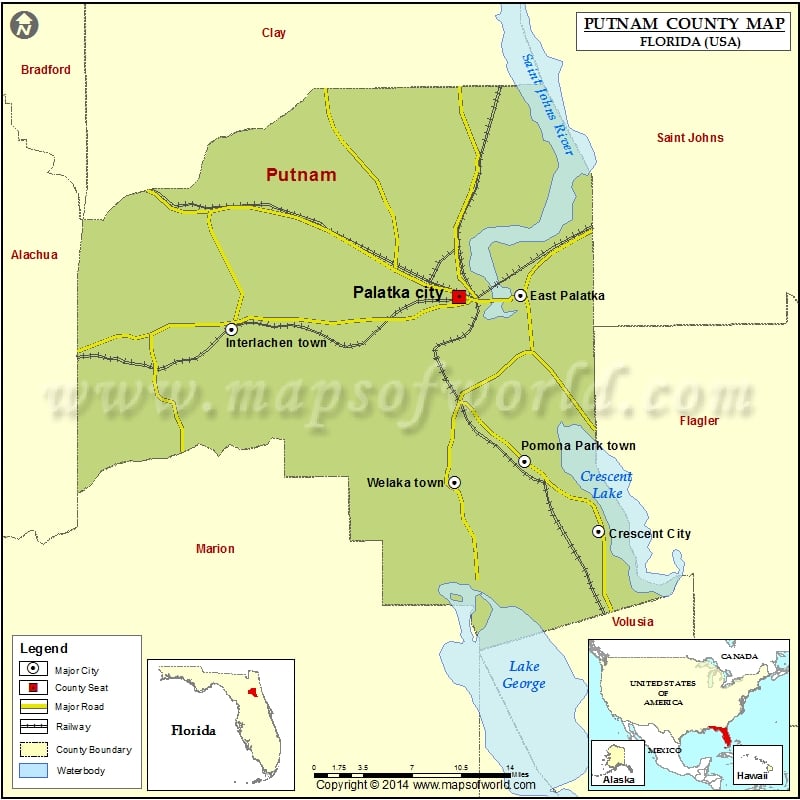
Putnam County is strategically positioned within Northeastern Florida. It shares borders with several other counties, each contributing to the broader regional tapestry of the state. To its north lies Bradford County, and to the east, the expansive waters of the St. Johns River form a natural boundary, separating it from Putnam County, Clay County, and St. Johns County. To the south, Marion County and Lake County mark its southern expanse, while to the west, Alachua County provides another neighborly connection.

This location places Putnam County within a significant geographic corridor, influencing its climate, ecosystems, and historical development. The presence of the St. Johns River, Florida’s longest river, is a defining feature, shaping much of the county’s natural beauty and recreational opportunities. The river acts as a vital artery, supporting diverse wildlife and offering scenic vistas that are central to the county’s appeal as a travel destination.
Proximity to Major Hubs
While Putnam County offers a serene retreat, its location also provides convenient access to larger urban centers, balancing its rural charm with the conveniences of proximity. The county seat, Palatka, is approximately an hour’s drive west of Jacksonville, Florida’s most populous city. This makes it an accessible day-trip or weekend getaway destination for residents and visitors of the larger metropolitan area.
To the south, Orlando and its world-renowned theme parks are roughly a two-hour drive away, offering another point of reference for travelers planning their Florida itinerary. This strategic positioning allows visitors to experience the tranquility of Putnam County without being entirely isolated from major attractions and transportation hubs.
Understanding Putnam County’s Identity
Putnam County is more than just a dot on the map; it’s a region with a distinct character shaped by its natural resources, history, and the communities that call it home. Its identity is deeply intertwined with the St. Johns River, which has historically served as a major transportation route, a source of sustenance, and a scenic backdrop for life in the area. The county is part of the larger Ocala National Forest region, known for its pristine springs, diverse flora and fauna, and opportunities for outdoor recreation.
Natural Resources and Ecosystems
The ecological landscape of Putnam County is a significant draw for nature enthusiasts. The county is characterized by pine flatwoods, cypress swamps, and the riverine habitats associated with the St. Johns River. These diverse ecosystems support a rich array of wildlife, including various bird species, alligators, and numerous fish species, making it a prime location for birdwatching, fishing, and wildlife photography.
The presence of numerous springs, though not as concentrated as in some other North Florida counties, contributes to the area’s natural beauty and recreational appeal. These springs feed into the St. Johns River and its tributaries, offering opportunities for swimming, kayaking, and canoeing in crystal-clear waters.
Historical Significance
Putnam County’s history is as rich and varied as its natural landscape. The area was inhabited by Native American tribes long before European settlement. Spanish explorers were among the first Europeans to traverse the St. Johns River, recognizing its strategic importance. Later, during the 19th century, Putnam County experienced growth and development driven by agriculture, particularly citrus farming, and the timber industry. The river played a crucial role in transporting goods and people, fostering the growth of towns like Palatka.
Remnants of this historical period can still be found throughout the county, from antebellum homes to historical markers detailing the region’s past. The development of the railroad also influenced the county’s growth, connecting it to wider markets and contributing to its evolution. This historical context adds a layer of depth for visitors interested in exploring the stories behind the landscapes.
Key Destinations and Attractions
For travelers seeking an authentic Florida experience away from the crowded tourist hotspots, Putnam County offers a compelling array of destinations. Its attractions are largely centered around its natural beauty and historical heritage, providing a more laid-back and immersive travel experience.
Palatka: The River City
Palatka, the county seat, is the primary hub of Putnam County and is often referred to as the “St. Johns River City.” Its downtown area, situated along the riverfront, offers a glimpse into the county’s past, with historic buildings and a charming atmosphere. The Riverfront Park is a focal point, providing scenic views of the St. Johns River and serving as a venue for local events and festivals.
Palatka is also known for its association with the historic Florida Azalea Festival, an annual event that celebrates the region’s natural beauty and horticultural heritage. The city’s maritime history is evident in its boat ramps and marinas, catering to those who wish to explore the river by boat.
Putnam County’s Natural Parks and Preserves
Beyond Palatka, Putnam County is dotted with numerous natural areas that invite exploration. The Ravenswood Historic Site offers a chance to step back in time and explore preserved historical structures within a natural setting. For those seeking more active engagement with nature, several parks and preserves provide trails, picnic areas, and opportunities for wildlife viewing.
The George R. M. George State Park, while not directly in Putnam County, is a significant natural attraction in the broader region, known for its springs and recreational facilities, and serves as a popular nearby destination for residents and visitors of Putnam County. Closer to home, smaller local parks and county-managed natural areas offer accessible natural beauty for residents and visitors alike.
Exploring the St. Johns River
The St. Johns River is the undisputed centerpiece of Putnam County’s recreational offerings. It is one of the few rivers in the United States that flows north, creating a unique ecosystem and a diverse range of habitats. Boating is a primary activity, with opportunities for fishing, waterskiing, and leisurely cruising.
Kayaking and canoeing are also popular, allowing for a more intimate experience with the river’s quieter tributaries and marshy edges, where one can observe wading birds and other wildlife. The river is renowned for its excellent fishing, attracting anglers seeking bass, bream, and catfish. Several boat ramps and marinas are conveniently located throughout the county, facilitating access to the water.
Experiencing Putnam County: Activities and Lifestyle
Putnam County offers a lifestyle and set of activities that appeal to those seeking a connection with nature, a slower pace of life, and a genuine glimpse into rural Florida. It’s a destination that encourages exploration and immersion rather than a hurried checklist of sights.
Outdoor Recreation
The emphasis on outdoor activities is paramount in Putnam County. Fishing is a way of life for many, with the St. Johns River and its many tributaries providing abundant opportunities. Boating, whether for leisure or sport, is another popular pastime. The county’s numerous boat ramps and marinas make accessing the water straightforward.
Hiking and nature walks are encouraged in the county’s parks and preserves, allowing visitors to immerse themselves in the unique Florida scrub and wetlands. Birdwatching is particularly rewarding, given the diverse avian populations that inhabit the area, especially along the river and in the wetlands. The relatively undeveloped nature of the county makes it an ideal location for stargazing, far from the light pollution of major cities.
Local Culture and Community
The culture of Putnam County is rooted in its history and its close-knit communities. Small towns and rural communities dot the landscape, each with its own unique character and traditions. Local events and festivals, often tied to agricultural seasons or historical commemorations, provide opportunities to experience the local flavor and interact with residents.
The pace of life here is intentionally slower, fostering a sense of community and neighborliness. Visitors who appreciate genuine interactions and a less commercialized travel experience will find Putnam County particularly welcoming. The local cuisine often reflects the agricultural heritage of the region, with fresh produce and seafood featuring prominently.

A Relaxed Pace of Travel
Putnam County is best explored at a relaxed pace. It’s a destination for those who wish to unwind, connect with nature, and escape the pressures of modern life. Rather than rushing from one attraction to another, visitors are encouraged to linger, explore backroads, and savor the simple pleasures.
This approach to travel is perfectly suited for those seeking a tranquil getaway, a place to recharge and reconnect. Whether it’s a quiet morning spent fishing on the river, an afternoon exploring a historic site, or an evening enjoying the sounds of nature, Putnam County offers an opportunity to experience Florida at its most authentic and serene.
In conclusion, Putnam County, Florida, is a region defined by its strategic location in northeastern Florida, its profound connection to the St. Johns River, and its rich tapestry of natural beauty and historical depth. It stands as an inviting destination for those looking beyond the typical tourist trails, offering a genuine taste of Florida’s heartland, where nature, history, and a peaceful way of life converge.
LifeOutOfTheBox is a participant in the Amazon Services LLC Associates Program, an affiliate advertising program designed to provide a means for sites to earn advertising fees by advertising and linking to Amazon.com. Amazon, the Amazon logo, AmazonSupply, and the AmazonSupply logo are trademarks of Amazon.com, Inc. or its affiliates. As an Amazon Associate we earn affiliate commissions from qualifying purchases.