
The vast and varied coastline of Florida is a dream destination for millions, offering sun-drenched beaches, vibrant cities, and a unique blend of natural beauty and cultural attractions. However, when discussions turn to the state’s coastal regions, a common point of curiosity arises: precisely where is the Gulf Coast of Florida? This region, distinct from its Atlantic counterpart, boasts its own set of charms, landscapes, and experiences that define its identity.
The Gulf Coast of Florida essentially encompasses the entire western coastline of the state, bordering the Gulf of Mexico. Unlike the often more rugged and wave-swept Atlantic Coast, the Gulf Coast is characterized by its generally calmer, warmer waters and its famously soft, sugar-white sand beaches. This distinction leads to a different type of coastal experience, often favored by families, retirees, and those seeking tranquility and water sports that benefit from placid conditions.
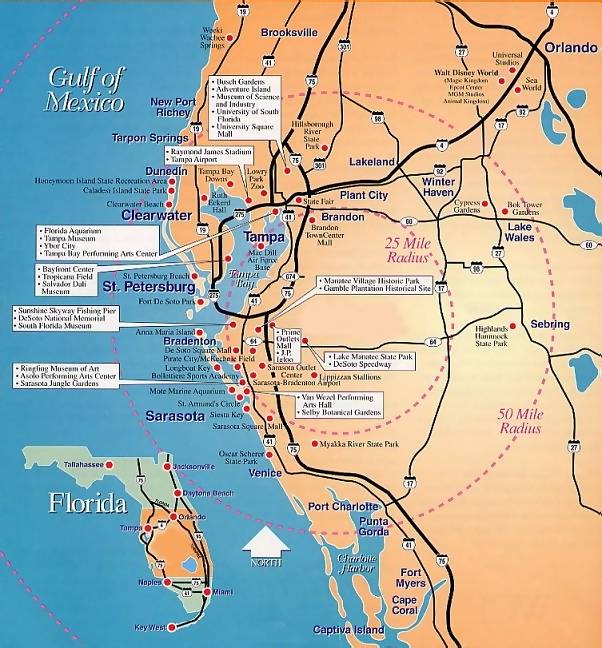
Defining the Boundaries and Key Regions
To truly understand the Gulf Coast of Florida, it’s helpful to break it down into its major geographical and cultural segments. While there are no hard, official boundaries that delineate the coast, it’s broadly understood to stretch from the Florida Panhandle in the north, down to the southwestern tip of the state near Naples and Marco Island.
The Panhandle’s Emerald Coast
The northernmost stretch of the Gulf Coast is often referred to as the Emerald Coast. This area, particularly from around Pensacola eastward to Destin and Panama City Beach, is renowned for its exceptionally clear, emerald-green waters and its powdery white sand, which is composed of almost pure quartz. The landscape here is a picturesque mix of dunes, pine forests, and coastal marshes. This region offers a more laid-back, classic beach vacation vibe, with numerous state parks and protected natural areas.
The Big Bend’s Wild Charm
Moving south along the coast, one encounters the Big Bend region. This is a less developed and more ecologically significant part of the Gulf Coast. Characterized by its shallow waters, extensive salt marshes, and estuary systems, the Big Bend is a haven for wildlife, including migratory birds and marine life. It’s a destination for nature enthusiasts, kayakers, and anglers who appreciate a more rugged and unspoiled coastal environment. Cities here are fewer and farther between, with smaller communities like Cedar Key offering a glimpse into traditional coastal Florida living.
The Tampa Bay Area: Urban Energy and Beaches
Further south, the Tampa Bay area marks a transition to more urbanized centers combined with accessible, world-class beaches. This region includes major cities like Tampa, St. Petersburg, and Clearwater. The barrier islands offshore, such as Clearwater Beach and St. Pete Beach, consistently rank among the nation’s best for their pristine sands and family-friendly atmosphere. The Tampa Bay area offers a dynamic mix of cultural attractions, professional sports, and a lively dining and entertainment scene, all set against the backdrop of the beautiful Gulf of Mexico.
Southwest Florida’s Upscale Allure and Natural Wonders
The southwestern part of the Gulf Coast is often characterized by its affluent communities, stunning natural beauty, and a more sophisticated resort experience. Cities like Sarasota, Fort Myers, Naples, and Marco Island are prominent here. This stretch of coast is famous for its calm, clear waters, abundant shelling opportunities, and a reputation for luxury. Sarasota, with its cultural institutions and beautiful beaches like Siesta Key, offers a blend of arts and relaxation. Further south, Naples is synonymous with upscale shopping, fine dining, and pristine beaches, while the nearby Everglades National Park provides a dramatic natural contrast.
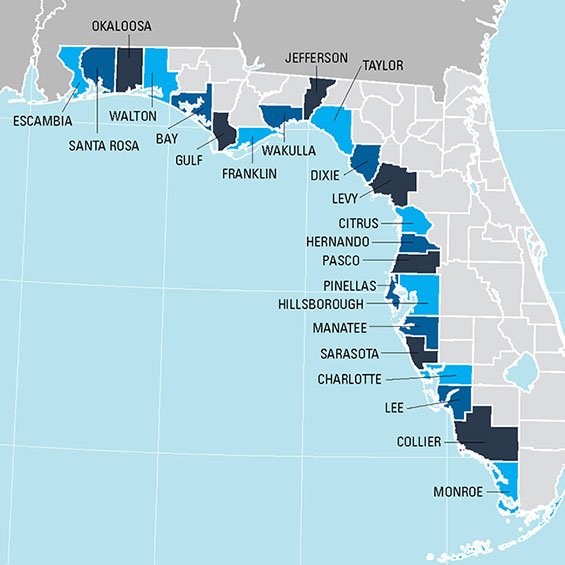
Distinguishing the Gulf Coast from the Atlantic Coast
The question of “Where is the Gulf Coast of Florida?” often arises in comparison to its eastern counterpart. The Atlantic Coast of Florida, facing the Atlantic Ocean, generally experiences more active surf, a wider range of water temperatures throughout the year, and is known for its more diverse marine life due to deeper offshore waters. Destinations like Miami, Fort Lauderdale, and Jacksonville on the Atlantic offer a different coastal vibe, often attracting surfers and those interested in deep-sea fishing.
In contrast, the Gulf Coast is defined by its gentle surf, making it ideal for swimming, paddleboarding, kayaking, and other water activities that require calmer conditions. The sand on many Gulf Coast beaches is notably softer and whiter, a characteristic attributed to its composition of finely ground quartz. This unique sand not only feels pleasant underfoot but also reflects sunlight, keeping the beaches cooler than those with darker sand.
Experiences and Attractions of the Gulf Coast
The diverse regions of the Gulf Coast of Florida offer a wealth of experiences catering to every type of traveler. From the natural wonders of its state parks to the sophisticated urban centers, there is always something new to discover.
Beach Bliss and Aquatic Adventures
The primary draw for many visiting the Gulf Coast is its exceptional beaches. Destinations like Siesta Key Beach, consistently ranked among the world’s best, offer an unparalleled sand experience. Beyond lounging, the calm waters are perfect for swimming, snorkeling around artificial reefs, and exploring diverse marine ecosystems. Dolphin tours are a popular activity, offering the chance to see these magnificent creatures in their natural habitat. Kayaking and paddleboarding through mangrove tunnels, especially in areas like the Ten Thousand Islands near Naples, provide a more intimate connection with the coastal environment.
Nature and Wildlife Encounters
The Gulf Coast is a critical habitat for a wide array of wildlife. The Big Bend region is particularly renowned for its birdlife, attracting ornithologists and nature photographers. Caladesi Island State Park and Honeymoon Island State Park offer protected natural beauty and are excellent for birdwatching and exploring coastal flora. Further south, the Corkscrew Swamp Sanctuary offers a chance to see ancient cypress trees and a variety of wetland creatures.
Cultural and Urban Exploration
The larger cities along the Gulf Coast provide rich cultural experiences. Sarasota is a hub for the arts, home to the Ringling Museum of Art and a thriving performing arts scene. St. Petersburg boasts the renowned Dalí Museum and a burgeoning craft brewery and arts district. The Tampa Bay area offers a wide array of attractions, from theme parks like Busch Gardens Tampa Bay to historical districts and vibrant culinary scenes.

Planning Your Gulf Coast Visit
Understanding the geography of the Gulf Coast of Florida is the first step in planning an unforgettable visit. Whether you’re drawn to the tranquil waters of the Emerald Coast, the wild beauty of the Big Bend, the energetic pulse of Tampa Bay, or the refined allure of Southwest Florida, this coastal stretch offers a distinct and captivating slice of the Sunshine State. Each segment of the Gulf Coast promises a unique experience, united by the gentle embrace of the Gulf of Mexico and the allure of its legendary shores.
LifeOutOfTheBox is a participant in the Amazon Services LLC Associates Program, an affiliate advertising program designed to provide a means for sites to earn advertising fees by advertising and linking to Amazon.com. Amazon, the Amazon logo, AmazonSupply, and the AmazonSupply logo are trademarks of Amazon.com, Inc. or its affiliates. As an Amazon Associate we earn affiliate commissions from qualifying purchases.