
The arrival of a hurricane in Florida is a concern for residents and visitors alike, impacting travel plans, outdoor activities, and the overall tourism landscape. Understanding the current location and trajectory of a storm is paramount for safety and for making informed decisions about travel and leisure. This guide focuses on the implications of hurricane activity for those engaging with the vibrant tourism sector of the Sunshine State, offering insights into how to stay informed and adapt plans.
Navigating Florida’s Tourism During Hurricane Season
Florida’s identity is inextricably linked to its appeal as a premier travel destination. From the theme parks of Orlando to the pristine beaches of the Florida Keys and the vibrant cultural scene of Miami, millions flock to the state annually. However, hurricane season, typically from June 1st to November 30th, introduces an element of unpredictability that can significantly alter the tourism experience. The National Hurricane Center (NHC) is the primary source of information, providing crucial data on storm formation, intensity, and predicted paths. Staying updated with their advisories is the first step for any traveler or tourism operator.

Understanding Hurricane Watches and Warnings
When a hurricane threat emerges, the NHC issues different alerts to guide public action. A Hurricane Watch signifies that hurricane conditions are possible within the specified area, generally within 48 hours. This is the time to review your plans, gather supplies, and consider making necessary adjustments. A Hurricane Warning, conversely, indicates that hurricane conditions are expected in the specified area within 36 hours. This is a more urgent alert, often necessitating evacuation or seeking secure shelter. For the tourism industry, these warnings directly impact operations, leading to temporary closures of attractions, transportation disruptions, and advisories for lodging establishments.
Impact on Travel and Transportation
The presence of a hurricane can cause widespread disruption to travel infrastructure. Airports, such as Orlando International Airport and Miami International Airport, may experience flight cancellations and delays. Major highways, including I-95 and the Florida Turnpike, can be closed due to flooding or hazardous conditions. Cruise lines often reroute ships to avoid affected areas, impacting itineraries that might include ports like PortMiami or Port Everglades. For tourists, this means flexibility is key. Rebooking flights, adjusting rental car plans, and understanding the policies of transportation providers are essential steps when a storm is active.
Adapting Tourism Activities and Attractions
Florida’s wealth of attractions, from theme parks like Walt Disney World Resort and Universal Orlando Resort to natural wonders like the Everglades National Park, are highly susceptible to hurricane impacts. Many attractions have specific emergency protocols and may temporarily close their gates for guest safety and operational assessments. Visitors should always check the official websites or social media channels of these attractions for the most up-to-date information on operating status. Outdoor activities, such as beach excursions in Clearwater Beach or boat tours in the Florida Keys, are often suspended during severe weather. This period can, however, present opportunities for indoor tourism, such as museums, aquariums, or culinary experiences, provided they are not directly affected by the storm.
Staying Informed: Resources for Hurricane Tracking
In the face of a potential or active hurricane, access to reliable and timely information is critical. Several resources are dedicated to tracking storms and providing safety advisories.
The National Hurricane Center (NHC)
The National Hurricane Center is the definitive source for hurricane information in the Atlantic basin. Their website provides:
- Public Advisories: Detailed reports on storm location, intensity, and forecast track.
- Satellite Imagery and Radar Data: Visual tools to understand storm structure and movement.
- Forecast Maps: Projections of the storm’s path and potential impact zones.
- Tropical Cyclone Updates: Frequent updates as the storm evolves.
Local Emergency Management Agencies
Each county in Florida has its own emergency management agency. These agencies disseminate information specific to their local areas, including evacuation orders, shelter locations, and debris removal updates. Websites and social media accounts for agencies in counties like Miami-Dade County, Orange County, and Pinellas County are invaluable for localized safety information.
Weather Channels and News Outlets
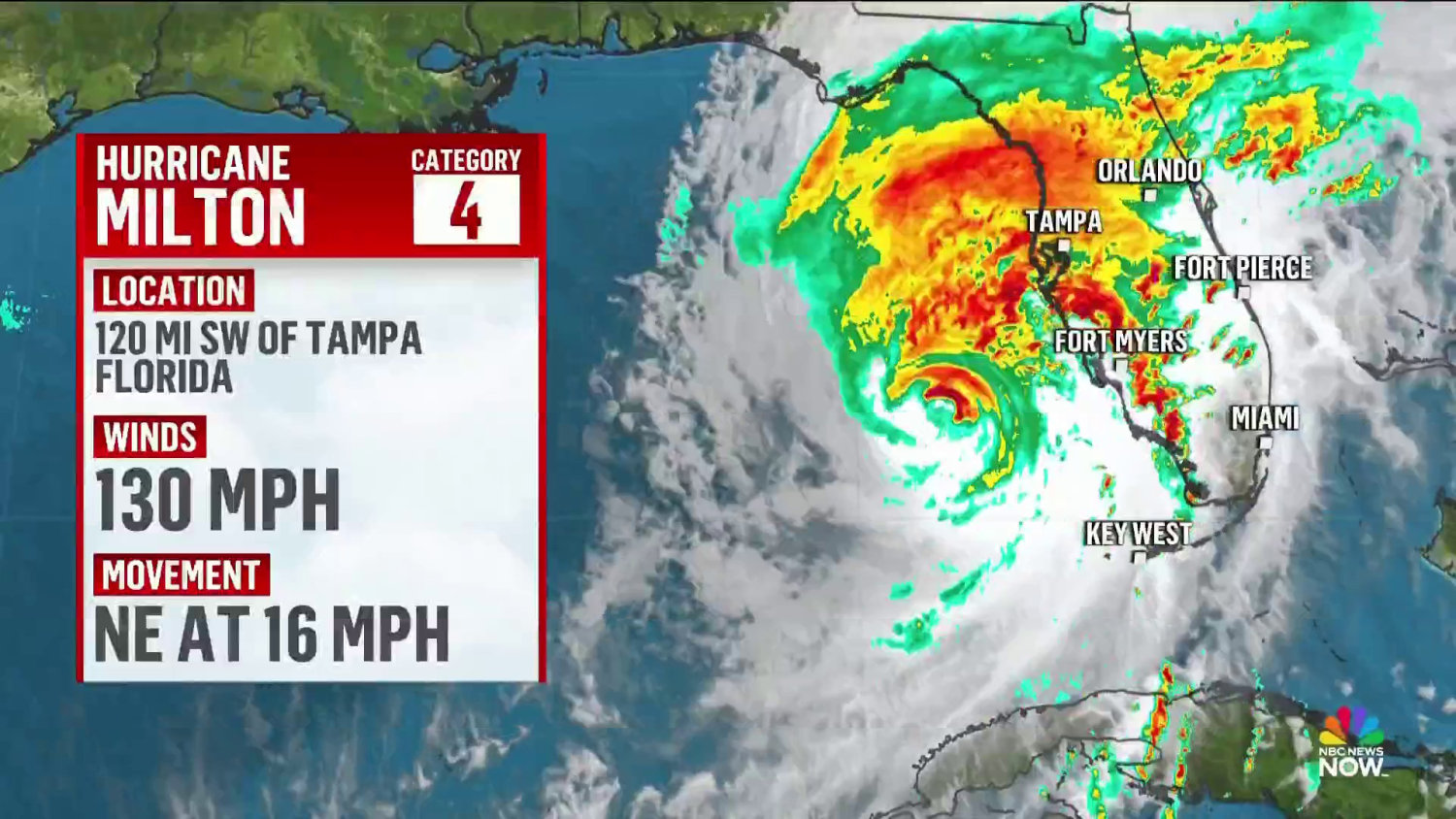
Reputable weather channels and news organizations provide comprehensive coverage of developing storms. Many offer live streaming, dedicated storm tracking sections on their websites, and mobile apps that deliver push notifications for critical updates. These outlets often translate the technical data from the NHC into more accessible formats for the general public.
Planning and Re-planning: A Traveler’s Toolkit
The possibility of hurricanes necessitates a proactive approach to travel planning in Florida.
Travel Insurance Considerations
When booking a trip to Florida during hurricane season, purchasing comprehensive travel insurance is highly recommended. Many policies offer coverage for trip cancellations or interruptions due to severe weather events, including reimbursement for non-refundable expenses like flights and accommodation. It is crucial to carefully review the policy’s terms and conditions regarding hurricanes and natural disasters.
Flexibility in Itineraries
Embrace flexibility. If a hurricane is forecast to impact your destination, be prepared to alter your plans. This could mean shifting your travel dates, changing your destination within Florida if one region is less affected, or even postponing your trip altogether. Many hotels and airlines have adjusted their cancellation and rebooking policies during hurricane season to accommodate travelers.
Communication is Key
Maintain open lines of communication with your accommodation provider, tour operators, and airline. Before your trip, understand their policies regarding weather-related disruptions. During a developing storm, check in regularly for any changes in service or advisories. If you are already in Florida and a storm is approaching, confirm your lodging arrangements and any planned activities.
Post-Hurricane Tourism: Recovery and Resilience
While the immediate focus is on safety, the aftermath of a hurricane also has significant implications for the tourism industry. The recovery process can be lengthy, and understanding the status of popular destinations is important for future travel considerations.
Assessing Damage and Reopening
Following a significant storm, a period of assessment and recovery is necessary. Infrastructure damage, power outages, and debris can render areas inaccessible or unsafe. Tourism boards and local authorities work diligently to restore services and reopen attractions as quickly and safely as possible. Information regarding the reopening status of key tourist areas, such as theme parks and beach towns, will be disseminated through official channels.
Supporting Local Economies
For many communities in Florida, tourism is the lifeblood of their economy. Once it is safe to travel, visiting these areas can provide vital support for local businesses and residents working to rebuild. Choosing to patronize local restaurants, shops, and attractions that have reopened contributes to the resilience and recovery of these destinations.

Future Travel Considerations
For travelers planning future trips to Florida, especially during hurricane season, staying informed about seasonal patterns and historical storm activity can aid in planning. While no one can predict the exact path of a storm, understanding the general risks associated with specific months can help in choosing travel dates or destinations that might be less prone to severe weather. The state’s robust infrastructure and emergency preparedness continue to evolve, aiming to mitigate the impact of these natural phenomena on its vital tourism sector.
In conclusion, while hurricanes pose a challenge to Florida’s vibrant tourism, informed planning, reliable information, and a flexible approach can enable travelers to navigate the season safely and continue to experience the many wonders the Sunshine State has to offer. The key lies in staying connected with official sources and being prepared to adapt plans as circumstances evolve.
LifeOutOfTheBox is a participant in the Amazon Services LLC Associates Program, an affiliate advertising program designed to provide a means for sites to earn advertising fees by advertising and linking to Amazon.com. Amazon, the Amazon logo, AmazonSupply, and the AmazonSupply logo are trademarks of Amazon.com, Inc. or its affiliates. As an Amazon Associate we earn affiliate commissions from qualifying purchases.