
West Palm Beach, Florida, a vibrant jewel on the Atlantic coast, occupies a prime position in the southeastern United States, nestled within the expansive and diverse region known as South Florida. More than just a dot on the map, its location is a strategic advantage, offering a gateway to a rich tapestry of experiences, from sun-drenched beaches and sophisticated urban life to a thriving cultural scene and natural wonders. Understanding its geographic placement is the first step to unlocking the myriad of opportunities and attractions that define this dynamic city.
Geographic Setting and Regional Context
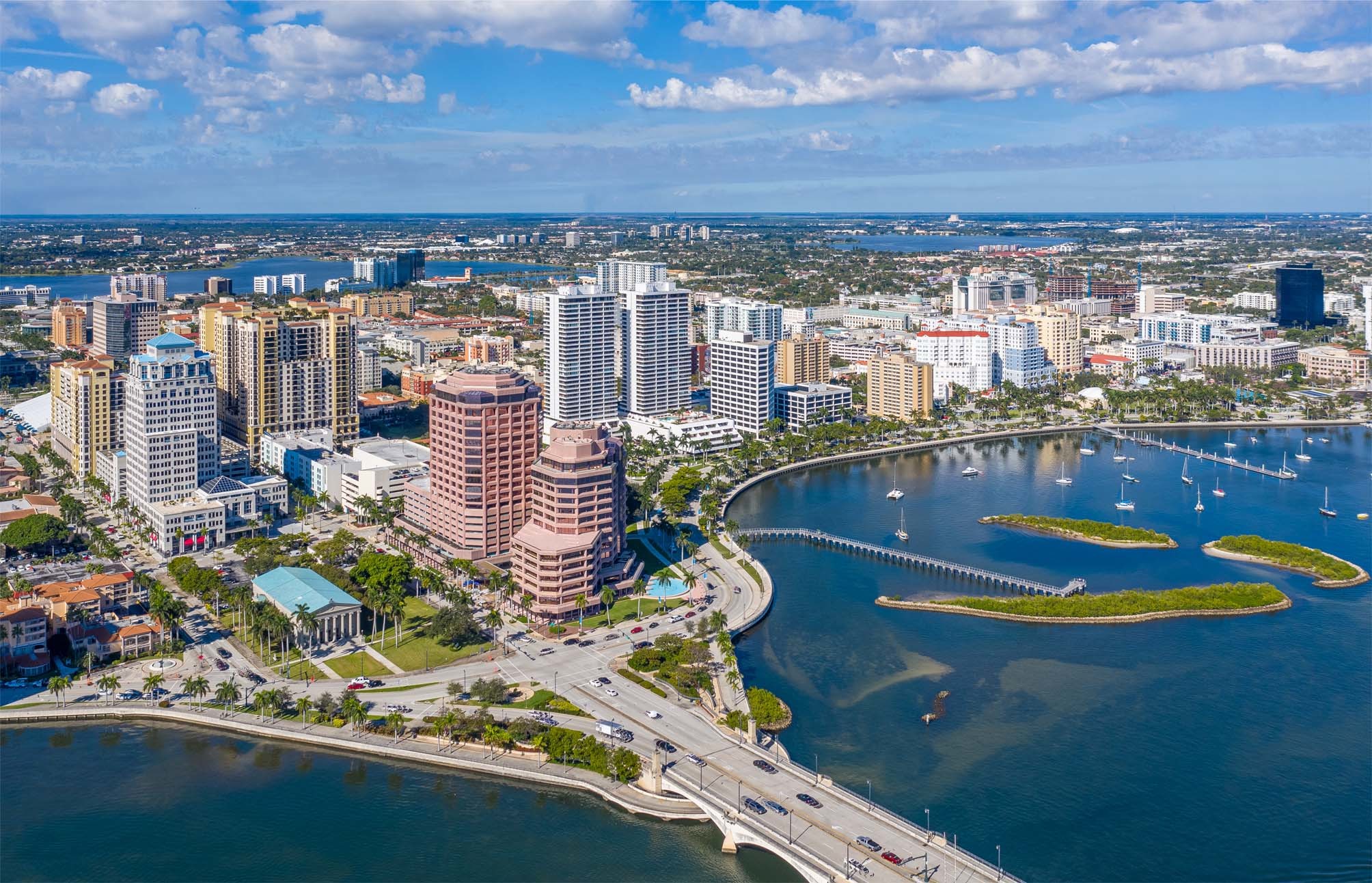
West Palm Beach is situated on the eastern edge of the Palm Beach County in the state of Florida. It lies directly across the Intracoastal Waterway from the prestigious island town of Palm Beach, a distinction that often leads to its identification as the “mainland” counterpart to its affluent island neighbor. This proximity to Palm Beach is a defining characteristic, influencing its development, economy, and the types of visitors it attracts.

Neighboring Municipalities and Proximity
The city is part of a larger metropolitan area known as the Treasure Coast, an unofficial designation for a series of coastal communities stretching roughly from Jupiter in the north down to Stuart and beyond. To the south, West Palm Beach shares borders with the city of Lake Worth Beach, further integrating it into the fabric of Palm Beach County’s urban sprawl. Its inland neighbors include communities like Wellington, known for its equestrian sports.
Coastal and Inland Influence
West Palm Beach’s location on the eastern seaboard of Florida grants it direct access to the Atlantic Ocean’s recreational opportunities and influences its climate. The warm waters of the Gulf Stream, flowing just offshore, contribute to its subtropical weather patterns, characterized by warm, humid summers and mild, dry winters. This coastal influence is paramount to its identity as a popular tourist destination, drawing visitors for its beaches, boating, and fishing.
Inland, the city is shaped by the broader landscape of South Florida, including its proximity to the unique Everglades ecosystem, though West Palm Beach itself is a coastal urban center rather than a part of the direct Everglades wilderness. The presence of numerous lakes and canals within and around the city, remnants of the region’s development and drainage projects, also play a role in its geography and the availability of waterfront properties and activities.
Transportation and Accessibility
The strategic placement of West Palm Beach makes it a highly accessible destination, catering to both domestic and international travelers. Its robust transportation infrastructure is a key factor in its appeal as a tourist and business hub.
Air Travel Hub
The primary gateway for air travelers is the Palm Beach International Airport (PBI). Located just a few miles southwest of downtown West Palm Beach, PBI serves a wide range of domestic airlines, connecting the city to major hubs across the United States. Its convenient location means that many visitors can be in their hotels or at their destination within minutes of landing. For those seeking more international flight options, Fort Lauderdale-Hollywood International Airport (FLL) and Miami International Airport (MIA) are significant international gateways within a drivable distance, approximately one to two hours south, offering a broader selection of global connections.
Road and Highway Networks
West Palm Beach is well-served by a network of major highways. The Florida Turnpike, a primary north-south toll road, runs west of the city, providing easy access to other parts of Florida, including Orlando and Miami. Interstate 95 (I-95), another critical north-south artery, runs directly through the eastern part of the county, making travel to and from cities like Fort Lauderdale and Jacksonville straightforward. U.S. Route 1 runs along the coast, offering scenic drives and access to local communities. These highways facilitate efficient car travel for exploring the region or for business commuting.
Public Transportation and Waterways
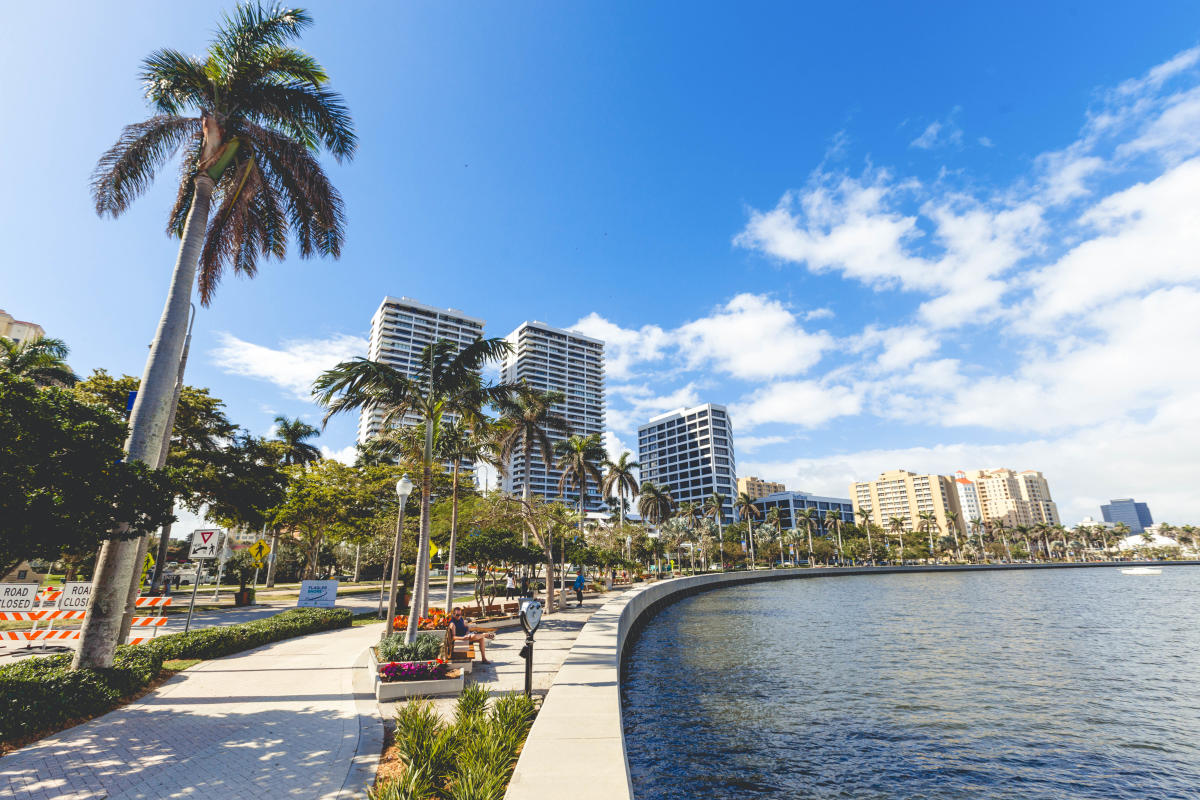
Within West Palm Beach and its surrounding areas, public transportation options are available, although car ownership is prevalent. The Palm Tran bus system serves the county, providing a more affordable way to navigate between different neighborhoods and nearby towns. For those looking to explore the waterways, water taxis and ferry services operate, particularly connecting the mainland to areas on Palm Beach Island and offering unique perspectives of the coastline. The city’s extensive network of canals and its position on the Intracoastal Waterway also make it a popular destination for private boaters and yachts, with numerous marinas and docking facilities.
Climate and Environmental Factors
West Palm Beach’s location within Florida places it firmly in a subtropical climate zone. This designation profoundly impacts the types of activities available year-round and the natural environment that surrounds the city.
Subtropical Climate Characteristics
The city experiences a distinct wet season from May to October, characterized by warm temperatures, high humidity, and frequent afternoon thunderstorms. The dry season, from November to April, offers milder temperatures, lower humidity, and abundant sunshine, making it the peak tourist season. Average annual temperatures hover around 75 degrees Fahrenheit (24 degrees Celsius), with summer highs often reaching the high 80s and low 90s (around 30-35 degrees Celsius), while winter lows typically stay in the 50s and 60s (10-15 degrees Celsius).
Hurricane Season and Coastal Resilience
As a coastal city in the southeastern United States, West Palm Beach is subject to hurricane season, which officially runs from June 1st to November 30th. The city and Palm Beach County have developed robust hurricane preparedness plans and infrastructure, including strict building codes and evacuation routes, to mitigate the impact of tropical storms and hurricanes. This environmental factor is a significant consideration for residents and visitors alike.
Natural Resources and Outdoor Recreation
The subtropical climate and coastal setting foster a rich natural environment that is central to West Palm Beach’s appeal. The city is blessed with miles of sandy beaches along the Atlantic Ocean, ideal for sunbathing, swimming, surfing, and various water sports. The warm waters are also perfect for snorkeling and scuba diving, with numerous artificial reefs and natural formations teeming with marine life. Beyond the beaches, the Intracoastal Waterway and numerous inland lakes and canals offer opportunities for boating, kayaking, paddleboarding, and fishing. The region’s unique flora and fauna can be explored in local parks, nature preserves, and the nearby Everglades National Park (though access points are further west).
Cultural and Economic Significance of Location
The location of West Palm Beach is not merely a geographical fact; it is intrinsically linked to its cultural vibrancy and economic prosperity. Its position as a gateway and a hub for affluent communities shapes its identity and attracts a diverse range of people and industries.
Gateway to Palm Beach’s Affluence
West Palm Beach serves as the mainland access point to the exclusive island of Palm Beach. This proximity draws a significant flow of visitors and residents who come to experience the renowned luxury shopping, fine dining, and cultural institutions associated with the island. This connection fuels the local economy, supporting a sophisticated hospitality sector, high-end retail, and a demand for premium services.
Hub for Arts, Culture, and Entertainment
The city itself has cultivated a strong identity as a center for arts, culture, and entertainment. Its location in the bustling South Florida region allows it to attract world-class performers, artists, and cultural organizations. The Kravis Center for the Performing Arts is a prime example, hosting Broadway shows, concerts, and ballets. Downtown West Palm Beach, particularly along Clematis Street and the waterfront, buzzes with restaurants, galleries, and live music venues, reflecting its development into a dynamic urban destination. The Norton Museum of Art stands as a significant cultural landmark.
Economic Development and Business Nexus
West Palm Beach’s strategic location, coupled with its excellent transportation links and a skilled workforce, makes it an attractive locale for businesses. Its economy is diverse, encompassing sectors such as finance, technology, healthcare, aviation, and tourism. The presence of major corporations and a growing entrepreneurial ecosystem benefits from the city’s connectivity to national and international markets. Furthermore, its appeal as a desirable place to live and work contributes to a stable and growing business environment. The city’s position as a principal city in the Palm Beach metropolitan area solidifies its role as a key economic engine for South Florida.
LifeOutOfTheBox is a participant in the Amazon Services LLC Associates Program, an affiliate advertising program designed to provide a means for sites to earn advertising fees by advertising and linking to Amazon.com. Amazon, the Amazon logo, AmazonSupply, and the AmazonSupply logo are trademarks of Amazon.com, Inc. or its affiliates. As an Amazon Associate we earn affiliate commissions from qualifying purchases.