
The Marchman Act in Florida is a powerful piece of legislation designed to address the critical issue of substance abuse and addiction. Unlike many other legal interventions, its focus is not on punitive measures but on providing a pathway to involuntary treatment for individuals who are unable or unwilling to seek help on their own. Understanding who qualifies for this intervention, and the intricate process involved, is crucial for families, friends, and even the individuals themselves who are grappling with the devastating effects of addiction.
The Marchman Act, formally known as the Hal S. Marchman Substance Abuse Services Act of 1993, is a civil court proceeding. It allows for the involuntary assessment and stabilization of individuals with a substance abuse disorder, and if necessary, their subsequent commitment to a licensed treatment facility for a period of up to 60 days. This is a significant distinction from criminal proceedings, as the goal is rehabilitation, not punishment. The act recognizes that addiction is a disease and that, in certain circumstances, intervention is necessary to protect the individual’s health, safety, and well-being, as well as that of the community.
Eligibility Criteria for a Marchman Act Petition
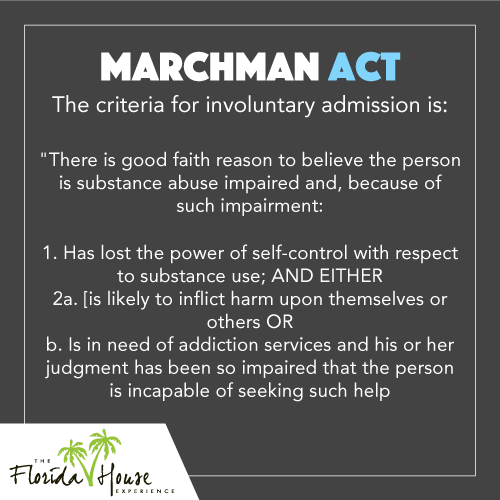
The core of determining who gets a Marchman Act in Florida lies in demonstrating that an individual meets specific criteria related to substance abuse. The law is designed to target those who pose a danger to themselves or others due to their substance use, or those who are incapacitated by it. It is not intended for casual drug users or those who can manage their consumption without causing harm.
Demonstrated Substance Abuse Disorder
The first and most fundamental criterion is the presence of a substance abuse disorder. This is not merely about occasional use but a pattern of compulsive drug or alcohol seeking and use, despite harmful consequences. The petition must clearly articulate this pattern, providing evidence that the individual has:
- Continued use despite negative consequences: This could include job loss, relationship problems, legal troubles, or health issues directly linked to their substance use.
- Tolerance: The individual requires increasingly larger amounts of the substance to achieve the desired effect.
- Withdrawal: Experiencing physical or psychological symptoms when the substance is stopped or reduced.
- Loss of control: Inability to cut down or control substance use, even when intending to do so.
- Preoccupation with the substance: Spending excessive time obtaining, using, or recovering from the effects of the substance.
The petition will often require corroboration from witnesses, such as family members, friends, or even medical professionals, who can attest to the observed behaviors and consequences.
Danger to Self or Others
A key element for a successful Marchman Act petition is proving that the individual’s substance abuse has led to a situation where they are a danger to themselves or others. This can manifest in several ways:
- Self-neglect: The individual is failing to care for their basic needs, such as hygiene, nutrition, or medical care, due to their substance use. This could lead to severe health deterioration or even death.
- Impaired judgment: Their substance use has significantly impaired their judgment, leading to actions that put themselves or others at risk of serious physical harm. Examples include reckless driving under the influence, engaging in dangerous activities, or neglecting dependent children.
- Suicidal or homicidal ideation: While not directly caused by the substance itself, if the addiction has led to severe mental distress and expressions of suicidal or homicidal intent, this can be a critical factor.
- Incapacitation: The individual is so severely under the influence of a substance that they are unable to care for themselves or are at imminent risk of serious harm or death from the substance’s effects. This is often seen in cases of overdose or severe intoxication.
The “danger” aspect is crucial and must be articulated with specific examples and evidence. Vague statements are generally not sufficient.
Refusal or Inability to Obtain Voluntary Treatment
The Marchman Act is designed as a last resort. Therefore, a critical component of eligibility is demonstrating that the individual is either unwilling or unable to seek and obtain voluntary treatment. This means the person:
- Refuses to acknowledge the problem: They may deny having a substance abuse issue or minimize its severity.
- Resists recommendations for help: They actively reject suggestions from loved ones or professionals to enter a treatment program.
- Is incapable of making rational decisions about treatment: Due to the severity of their addiction or co-occurring mental health issues, they cannot make sound decisions about their own care.
In essence, the petition argues that without court intervention, the individual will likely continue on a destructive path with severe consequences.
Who Can Initiate a Marchman Act Petition?
The Marchman Act is not a tool that can be wielded by just anyone. The law specifies who has the standing to file a petition with the court. This is to prevent its misuse and ensure that petitions are filed by individuals with a genuine concern for the well-being of the person in need of help.
Concerned Relatives and Friends
The most common initiators of a Marchman Act petition are close family members and friends. The law defines these individuals broadly to include:
- Spouses
- Parents
- Adult children
- Siblings
- Step-parents and step-children
- Any other blood relative
- Individuals who have cohabited with the person for at least one year and have a close relationship.
These individuals are typically the ones who witness the progression of the addiction firsthand and are most affected by its consequences. They can provide firsthand accounts and evidence of the individual’s behavior and the dangers they face.
Law Enforcement and Healthcare Professionals
In certain circumstances, law enforcement officers or licensed healthcare professionals can also initiate a Marchman Act petition. This usually occurs when they encounter an individual who meets the criteria during their professional duties.
- Law Enforcement: If an officer encounters an individual exhibiting severe signs of intoxication or impairment that poses an immediate danger, and the individual is unwilling or unable to seek help, they may initiate the process. This often involves taking the individual to a detoxification facility.
- Healthcare Professionals: Doctors, nurses, or other licensed medical practitioners who have direct knowledge of a patient’s substance abuse disorder and the resulting danger to themselves or others can petition the court. This might happen in a hospital setting or during a medical evaluation.
These professionals bring an objective and informed perspective, often backed by medical assessments, which can strengthen the petition.
The Marchman Act Process: From Petition to Treatment
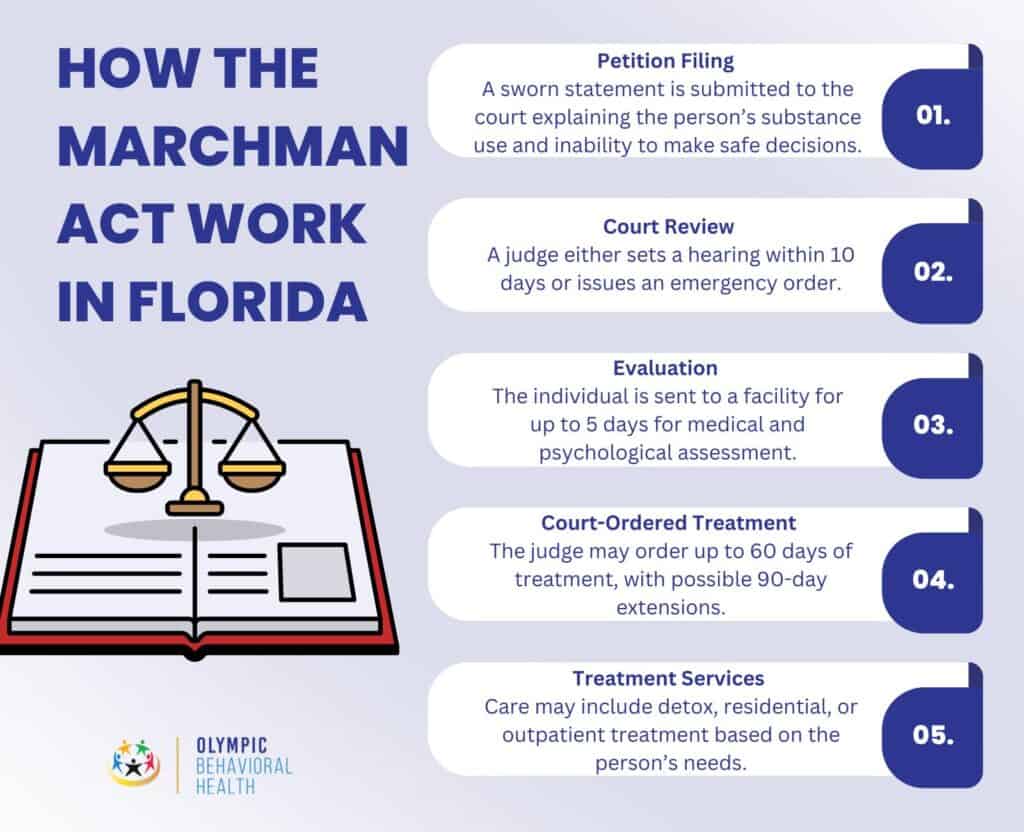
The journey from realizing a loved one needs help to them receiving involuntary treatment is a structured legal process governed by the Florida Statutes. Understanding these steps is vital for anyone considering or involved in a Marchman Act case.
The Initial Petition and Ex Parte Order
The process begins with the filing of a petition for involuntary assessment and stabilization with the appropriate county court. This petition must be supported by the sworn testimony of at least two persons (often the petitioner and another concerned individual or professional) who have personal knowledge of the respondent’s substance abuse and the associated dangers.
Upon review of the petition, if the court finds probable cause to believe the respondent meets the criteria for involuntary assessment, it will issue an ex parte order. This order authorizes law enforcement to take the respondent into custody and transport them to a designated assessment facility for a period of up to five days. This initial period is crucial for immediate stabilization and a more thorough evaluation by medical and clinical professionals.
The Probable Cause Hearing
Within the five-day period of assessment, a probable cause hearing is held. At this hearing, the court will hear evidence and testimony from both the petitioner and the respondent. The respondent has the right to legal counsel, and if they cannot afford an attorney, one will be appointed to them. The court will determine if there is sufficient evidence to proceed with further involuntary treatment. If probable cause is not found, the respondent will be released.

The Full Hearing and Treatment Order
If probable cause is established, the court will schedule a full hearing within a specified timeframe, typically within 10 days of the probable cause hearing. At this final hearing, the court will hear extensive evidence, including expert testimony from addiction specialists and medical professionals. The respondent will again have the right to legal representation.
If the court determines, by clear and convincing evidence, that the respondent has a substance abuse disorder and is an imminent danger to themselves or others, or is incapacitated, it will issue a treatment order. This order can mandate:
- Inpatient treatment: Commitment to a licensed residential treatment facility for a period of up to 60 days.
- Outpatient treatment: Mandated attendance at outpatient programs and regular drug testing.
- Other conditions: The court may impose specific requirements based on the individual’s needs.
The goal of this treatment order is to provide the individual with the structured care and support necessary to begin their recovery journey. The law emphasizes that this is a civil process aimed at rehabilitation, and while involuntary, it is rooted in the principle of providing life-saving care.
The successful navigation of the Marchman Act process in Florida requires a thorough understanding of its legal framework, strict adherence to procedural requirements, and a genuine commitment to the recovery and well-being of the individual. It is a complex but often essential tool for intervening in the devastating grip of addiction.
LifeOutOfTheBox is a participant in the Amazon Services LLC Associates Program, an affiliate advertising program designed to provide a means for sites to earn advertising fees by advertising and linking to Amazon.com. Amazon, the Amazon logo, AmazonSupply, and the AmazonSupply logo are trademarks of Amazon.com, Inc. or its affiliates. As an Amazon Associate we earn affiliate commissions from qualifying purchases.