
Understanding overtime pay regulations is crucial for both employees and employers in Florida’s dynamic tourism and hospitality sector. The Sunshine State, with its thriving travel industry encompassing everything from theme parks to beach resorts, relies heavily on a workforce that often includes hourly employees. Navigating the nuances of overtime eligibility can prevent disputes, ensure fair compensation, and maintain a positive working environment. This exploration delves into the specific categories of workers who may be exempt from overtime pay under Florida law, drawing parallels with federal guidelines that often inform state-level interpretations.
Federal vs. Florida Overtime Regulations
The Fair Labor Standards Act (FLSA) forms the bedrock of overtime pay requirements in the United States, and Florida generally adheres to these federal standards. The FLSA mandates that most employees engaged in interstate commerce, or who produce goods for interstate commerce, must be paid at least one and a half times their regular rate of pay for all hours worked over 40 in a workweek. However, the FLSA also establishes specific exemptions. These exemptions typically fall into two broad categories: “white-collar” exemptions and certain other vocational or industry-specific exemptions.
Florida’s wage and hour laws, while largely mirroring the FLSA, do not typically create additional categories of overtime-exempt employees beyond those recognized federally. Therefore, determining overtime eligibility in Florida primarily involves assessing whether an employee meets the criteria for one of the federal exemptions. It’s important to note that state laws cannot offer less protection than federal law; they can only offer more. In instances where a Florida statute might seem to diverge, it’s often to provide broader coverage or higher minimum wage standards, not to reduce overtime protections.
Understanding the “White-Collar” Exemptions
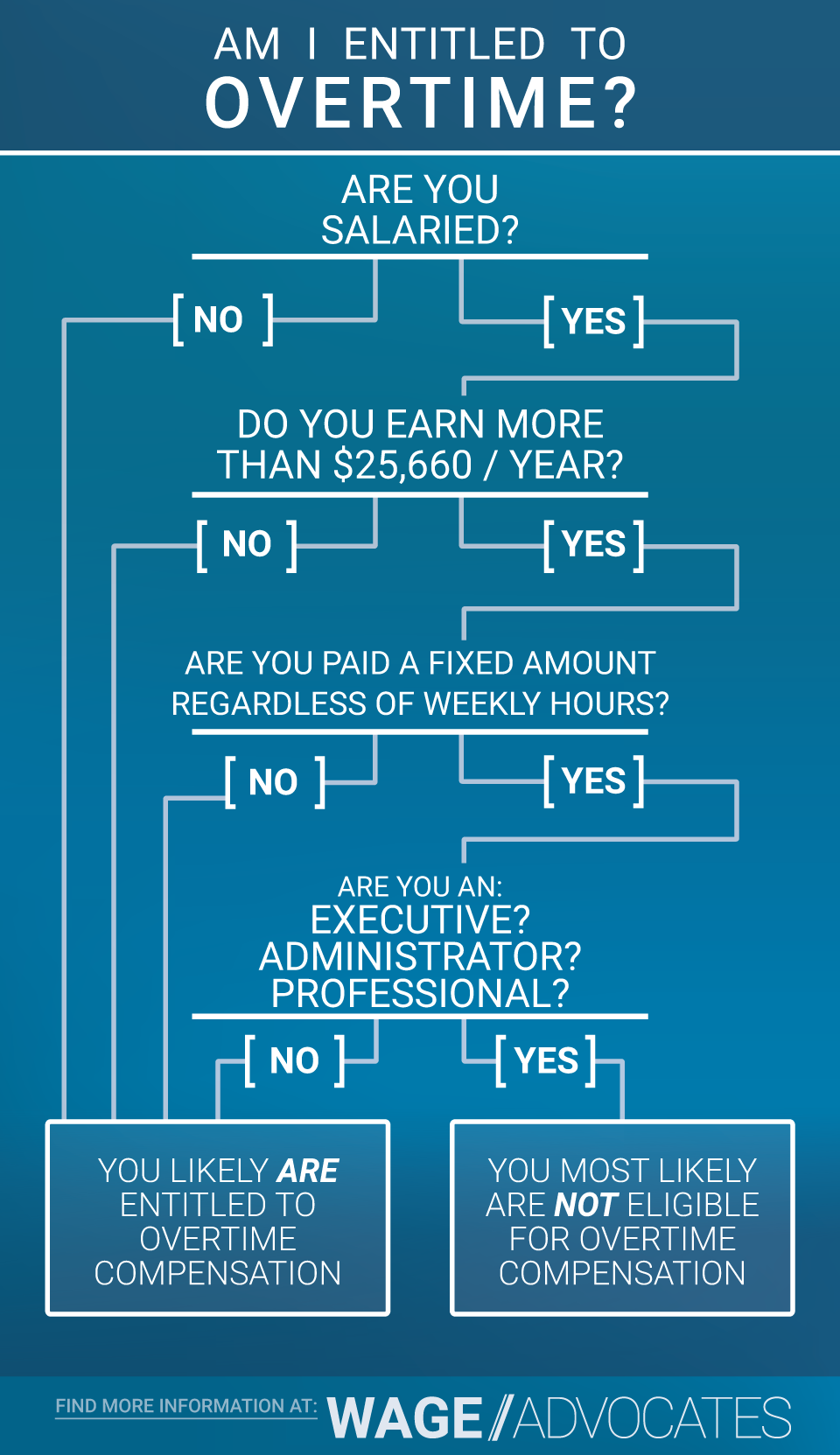
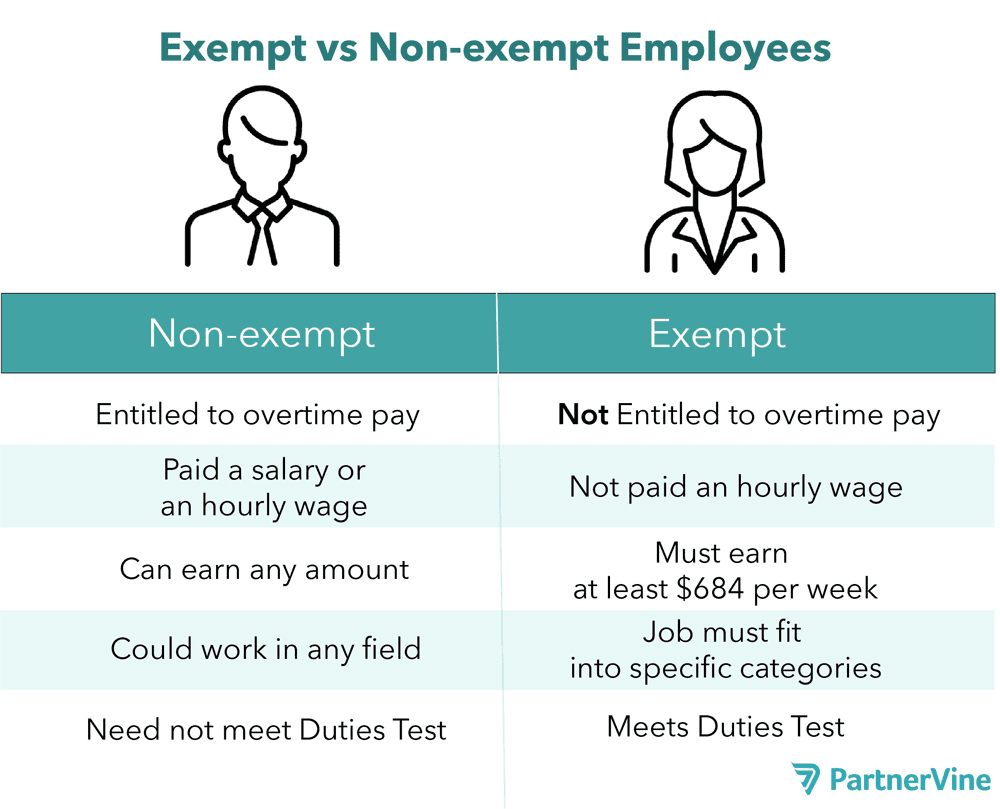
The most common exemptions from overtime pay apply to employees classified as “white-collar” workers. These exemptions are based on the nature of an employee’s job duties and their level of discretion and independent judgment, rather than simply their salary level, although a minimum salary threshold must also be met. For a white-collar employee to be exempt, they must satisfy both a salary basis test and a duties test.
Executive Exemption
To qualify for the executive exemption, an employee’s primary duty must be managing the enterprise or a department within it. This management role must include the customary and regular direction of the work of at least two full-time employees or their equivalent. Key responsibilities often involve hiring, firing, and having the authority to discipline or recommend such actions. For instance, a front desk manager at a major hotel like the Fontainebleau Miami Beach who supervises a team of receptionists and bellhops, and has the authority to approve time off or recommend disciplinary measures, would likely fall under this exemption. Their primary responsibility is managing staff and operations, not performing the day-to-day tasks of the employees they supervise.
Administrative Exemption
The administrative exemption applies to employees whose primary duty involves performing office or non-manual work directly related to management policies or general business operations of the employer or its customers. This exemption also requires the exercise of discretion and independent judgment with respect to matters of significance. This could include employees in human resources, marketing, or finance departments within a large resort or travel company. For example, a human resources specialist at Walt Disney World Resort responsible for developing employee training programs, handling complex employee relations issues, or advising management on policy implementation would likely qualify. They are not performing the day-to-day service tasks but are involved in the critical administrative functions that support the business.
Professional Exemption
The professional exemption covers employees engaged in work that requires advanced knowledge in a field of science or learning, or in a field of artistic nature, customarily acquired by prolonged specialized instruction and study. This category is often divided into “learned professionals” and “creative professionals.”
Learned professionals typically include those in fields like law, medicine, accounting, and teaching. In the context of tourism, a highly specialized role like a resort’s in-house legal counsel or a certified public accountant managing the finances of a large theme park could be exempt.
Creative professionals, on the other hand, are characterized by their invention or originality and their talent in a recognized artistic field. This could encompass individuals like graphic designers creating promotional materials for a cruise line, or perhaps a composer hired to develop theme music for a new attraction at Universal Orlando Resort. Their work requires a high degree of imagination and originality, differentiating it from routine or clerical tasks.
Other Exemptions
Beyond the primary white-collar exemptions, several other categories of employees may be exempt from overtime pay, often due to the specific nature of their industry or employment.
Outside Sales Employees
Employees who are customarily and regularly engaged in making sales or obtaining orders or contracts for services or facilities for which the employer will be paid, and who are customarily and regularly working away from their employer’s place of business, are exempt. This exemption is less common in traditional hospitality roles but could apply to an individual working for a tour operator who travels to different locations to secure bookings or partnerships for excursions or accommodations.
Computer Employees
Certain computer employees can be exempt. This exemption applies to employees who meet specific salary and duties tests related to the design, development, modification, or testing of computer systems or programs. This could include software developers working on a travel booking platform or IT specialists maintaining the complex systems of a large hotel chain.

Certain Commission-Based Employees in Retail
While not a complete exemption from overtime, employees in the retail industry who receive a significant portion of their compensation in commissions may have different overtime calculations. However, the primary retail exemption under the FLSA generally applies to employees of businesses whose annual revenue is not more than a certain threshold and who are primarily engaged in the selling or and servicing of such goods or merchandise. This is less common in the direct service sectors of tourism, like hotels or attractions, where hourly wages or fixed salaries are more prevalent.
Independent Contractors
It is crucial to distinguish between employees and independent contractors. Independent contractors, by definition, are not employees and are therefore not covered by FLSA overtime provisions. However, misclassifying workers as independent contractors when they should be classified as employees is a common violation. The determination hinges on the degree of control the employer has over the worker, the method of payment, the provision of tools and equipment, and the permanency of the relationship, among other factors. A person offering specialized services on a project-by-project basis, without the employer controlling the details of how the work is done, might be an independent contractor.
The Impact of Salary Basis and Duties Tests
It bears reiteration that for the white-collar exemptions, both the salary basis and the duties tests must be met.
Salary Basis Test
Generally, exempt employees must be paid a salary of at least $684 per week (or $35,568 per year) as of January 1, 2024. This salary must be paid on a salary basis, meaning it is a predetermined, fixed sum that is not subject to reduction because of variations in the quality or quantity of work performed. This means that if an employer docks an employee’s pay for absences of less than a day, or for other reasons that would reduce their pay below the minimum threshold, the employee may lose their exempt status.
Duties Test
As outlined above, the duties test focuses on the nature of the employee’s work. This is often the more complex aspect of determining exemption. Even if an employee earns more than the minimum salary, if their primary duties do not align with the specific requirements of an exempt category (e.g., executive, administrative, professional), they will still be entitled to overtime pay. For example, a hotel concierge who primarily handles guest requests, makes reservations, and provides local information, even if paid a good salary, is unlikely to meet the duties test for an administrative or executive exemption. Their role is primarily service-oriented.
Practical Considerations for Florida Tourism Businesses
For businesses operating in Florida’s vibrant tourism sector, understanding these exemptions is not just about legal compliance; it’s about fostering a fair and motivated workforce.
Accurate Job Descriptions
Developing clear and accurate job descriptions that reflect the actual duties performed is paramount. These descriptions can serve as a foundation for determining exemption status.
Regular Review of Exemption Status
Business owners and HR professionals should regularly review the classification of employees, especially as roles evolve or as federal and state regulations are updated. A position that was once exempt might become non-exempt due to changes in responsibilities.
Seeking Professional Advice
Given the complexity of wage and hour laws, consulting with an employment attorney or a qualified HR professional specializing in labor law is highly recommended. This is particularly important when making determinations about employee classifications or when facing potential disputes. Misclassifying even one employee can lead to significant back pay, penalties, and legal fees.
Understanding Public Sector and Non-Profit Roles
While this article primarily focuses on the FLSA, it’s worth noting that specific provisions might apply to government employees or those working for certain non-profit organizations. However, the core principles of overtime pay and exemptions largely remain consistent.
In conclusion, while Florida law generally aligns with federal FLSA standards, the determination of overtime pay exemption is a detailed process. It requires a meticulous examination of an employee’s salary basis and, most critically, their primary job duties. For Florida’s thriving tourism industry, where a diverse range of roles from resort management to theme park operations exist, a thorough understanding of these regulations ensures fair compensation for all workers and protects businesses from costly compliance errors. Whether managing staff at a luxury resort in Naples or coordinating guest experiences at an attraction in Orlando, accurate classification is key.
LifeOutOfTheBox is a participant in the Amazon Services LLC Associates Program, an affiliate advertising program designed to provide a means for sites to earn advertising fees by advertising and linking to Amazon.com. Amazon, the Amazon logo, AmazonSupply, and the AmazonSupply logo are trademarks of Amazon.com, Inc. or its affiliates. As an Amazon Associate we earn affiliate commissions from qualifying purchases.