
Understanding Your Representation in the Sunshine State
Navigating the political landscape of any state can feel like charting an unfamiliar territory. For residents of Florida, understanding who represents them at the state level is crucial for engaging with local governance, voicing concerns, and participating in the democratic process. The year 2024 marks a pivotal time for Floridians, as elections and legislative sessions shape the future of the Sunshine State. This guide aims to demystify the process of identifying your Florida State Representative and understanding their role in advocating for your district’s interests.

The Structure of Florida’s Legislature
The Florida Legislature is a bicameral body, composed of the Florida Senate and the Florida House of Representatives. Each chamber has specific responsibilities and powers. The House of Representatives is the larger of the two bodies, with 120 members, each representing a distinct legislative district. These representatives are elected for two-year terms and are responsible for introducing and voting on legislation, holding hearings, and overseeing state agencies. Their work directly impacts the daily lives of Floridians, influencing everything from education and healthcare to environmental protection and economic development.
The Role of a State Representative
Your State Representative serves as your direct link to the state government. They are elected to be the voice of their constituents within the Florida House of Representatives. This involves several key duties:
- Legislative Action: Proposing, debating, and voting on bills that can become state law.
- Constituent Services: Assisting individuals and communities within their district with issues they may face with state agencies or government programs.
- Oversight: Monitoring the performance of state departments and agencies to ensure accountability and efficiency.
- Budgetary Influence: Participating in the development and approval of the state budget, allocating funds for essential services and initiatives.
- Community Advocacy: Championing the specific needs and concerns of their district at the state level.
Identifying Your Florida State Representative
The most direct way to determine who your State Representative is involves utilizing official resources provided by the state of Florida. These tools are designed to be user-friendly and accessible to all residents.
Online District Finders
The Florida House of Representatives website offers a powerful tool to help you find your representative based on your home address. This is the most accurate and up-to-date method. Typically, you will be prompted to enter your street address, city, and zip code. The system will then cross-reference this information with its database of legislative districts and display the name, contact information, and district details of your elected representative.
- Step-by-Step Online Search:
- Navigate to the official website of the Florida House of Representatives.
- Look for a section titled “Find My Representative,” “Who Represents Me,” or a similar phrasing.
- Enter your complete residential address, including city, state, and zip code.
- Submit the information. The website will display your current State Representative for the 2024 legislative session.
Other Information Resources
While the online district finder is the primary method, other avenues can offer assistance:

- County Supervisor of Elections: Your local Supervisor of Elections office is an excellent resource for voter information, including details about your elected officials at all levels of government. They often have physical offices and websites where you can access this data.
- State Senate Website: Although you are looking for your State Representative, the Florida Senate website may also provide links or information to help you locate your House representative, as legislative districts are often aligned or adjacent.
- Voter Registration Information: If you are registered to vote, your voter registration card may contain information about your district. However, this information can sometimes be outdated.
Understanding Your District
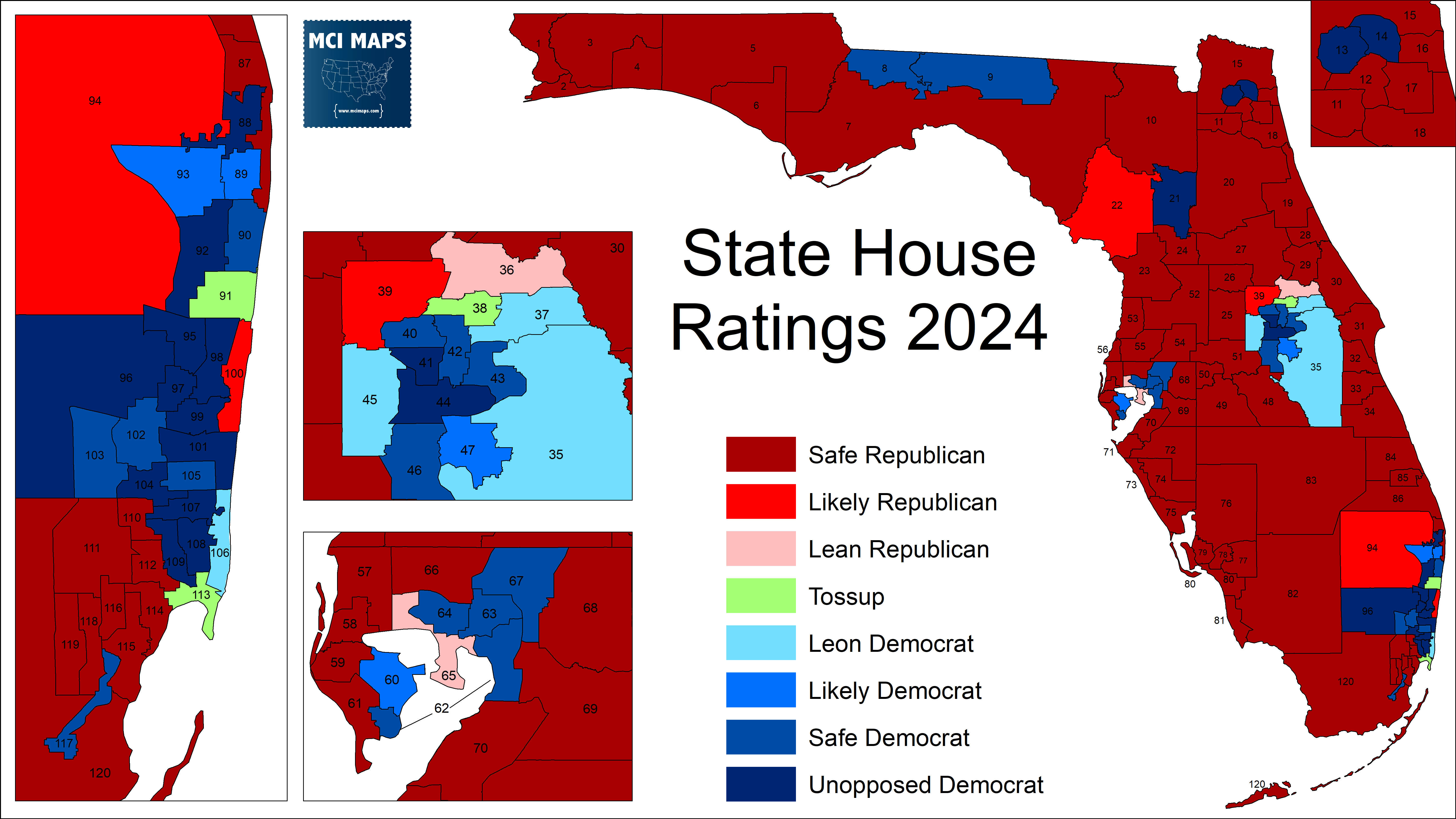
Once you’ve identified your State Representative, it’s beneficial to understand the geographic area they represent. Legislative districts in Florida are drawn based on population to ensure equal representation. These districts can encompass a single city, a portion of a city, or multiple towns and unincorporated areas. Knowing your district’s boundaries helps you understand the unique demographics, economic conditions, and local issues that your representative is likely prioritizing.
Key Aspects of Your District
- Demographics: Understanding the age, ethnicity, income levels, and other demographic characteristics of your district’s population can provide insight into the representative’s priorities and the challenges they face.
- Economic Base: Identifying the primary industries and economic drivers within your district is crucial. This could range from tourism and agriculture in coastal and rural areas to technology and finance in urban centers like Miami or Orlando.
- Local Issues: Every district has its unique set of concerns, whether it’s traffic congestion in Tampa, affordable housing in South Florida, or environmental preservation in the Florida Keys. Your representative is expected to address these specific local needs.
Engaging with Your Representative
Identifying your representative is only the first step. Active engagement is key to ensuring your voice is heard and your concerns are addressed.
Methods of Communication
- Contacting Their Office: State Representatives maintain offices both in their district and in the state capitol. You can typically find phone numbers and email addresses on their official website. Reaching out to their staff is often the most effective way to get information or assistance.
- Attending Town Halls and Events: Many representatives hold town hall meetings or participate in community events within their districts. These provide opportunities for direct interaction, asking questions, and expressing your views.
- Writing Letters and Emails: Formal written communication allows you to clearly articulate your positions on specific issues. Be specific in your requests and provide any relevant background information.
- Social Media: While not a substitute for direct contact, following your representative on social media platforms can keep you informed about their activities and allow for brief interactions.
Advocating for Your Interests
When contacting your representative, be clear about the issue you are addressing. Whether you support or oppose a particular piece of legislation, have a concern about a state agency, or wish to propose a new initiative, your communication should be direct and well-reasoned. Providing examples of how an issue affects you or your community can be particularly impactful.
The 2024 Legislative Landscape
The year 2024 continues to present a dynamic legislative environment in Florida. Key issues that may be on the agenda for your representatives include economic recovery, environmental sustainability, education reform, and healthcare access. Understanding the broad strokes of these debates can help you frame your own engagement with your representative.
Key Policy Areas
- Economic Development: Representatives are focused on fostering job growth, supporting small businesses, and attracting investment to their districts. This might involve advocating for tax incentives, infrastructure improvements, or workforce training programs.
- Environmental Concerns: With Florida’s unique ecosystems and vulnerability to climate change, environmental policies are often a significant focus. This could include issues related to water quality, coastal protection, and conservation efforts, impacting areas from the Everglades National Park to the state’s beaches.
- Education: Improving educational outcomes, funding for schools, and addressing teacher shortages are perennial concerns for legislators. Your representative’s stance on these issues can have a profound impact on local schools.
- Healthcare: Access to affordable healthcare, mental health services, and public health initiatives are critical. Representatives often weigh in on legislation that affects hospitals, insurance providers, and public health programs across the state.
By understanding who your Florida State Representative is and how to effectively engage with them, you empower yourself to be a more informed and active participant in the governance of Florida. The 2024 legislative year offers numerous opportunities to make your voice heard on the issues that matter most to you and your community.
LifeOutOfTheBox is a participant in the Amazon Services LLC Associates Program, an affiliate advertising program designed to provide a means for sites to earn advertising fees by advertising and linking to Amazon.com. Amazon, the Amazon logo, AmazonSupply, and the AmazonSupply logo are trademarks of Amazon.com, Inc. or its affiliates. As an Amazon Associate we earn affiliate commissions from qualifying purchases.