
The intricate tapestry of American governance is woven with threads of representation, ensuring that the voices of diverse populations are heard and considered in the halls of power. For the vibrant and populous state of Florida, understanding who occupies the role of House Representative is crucial for citizens and those interested in the state’s political and economic landscape. This position is not singular, as Florida, due to its significant population, is divided into multiple congressional districts, each electing its own representative to the U.S. House of Representatives. This article delves into the multifaceted nature of this representation, exploring the current officeholders, the districts they serve, and the broader implications for the state’s engagement with national policy.
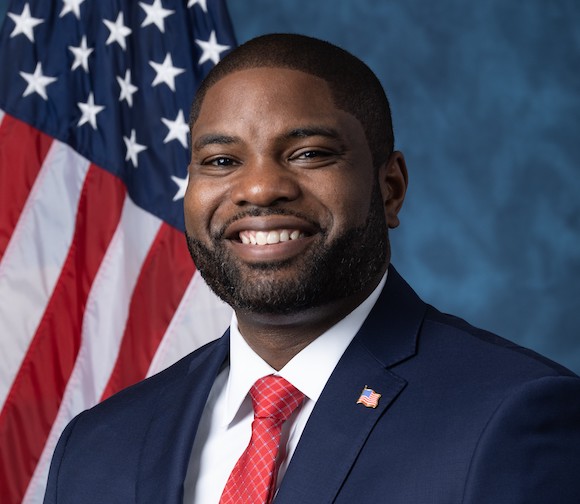
Understanding Florida’s Congressional Representation
Florida’s growth in population over the decades has directly translated into an increased number of seats in the U.S. House of Representatives. This expansion is a direct result of the decennial census and the subsequent reapportionment process, which allocates seats among the states based on their population changes. Consequently, the “House Representative for Florida” is not a single individual but a delegation of representatives, each responsible for a specific geographic area within the state known as a congressional district.
The Role of a House Representative
Each House Representative serves as a voting member of the U.S. House of Representatives, a body responsible for introducing and voting on federal legislation, co-equal with the U.S. Senate. Their duties extend beyond the legislative chamber. They are tasked with:
- Legislative Duties: Proposing, debating, and voting on bills that become federal law. This includes matters ranging from appropriations and national security to healthcare and environmental regulations.
- Constituent Services: Acting as a liaison between their constituents and federal agencies. This involves helping individuals navigate complex federal bureaucracies, resolve issues with government programs, and address concerns regarding federal policies.
- Oversight: Conducting investigations and holding hearings to ensure that federal agencies are operating efficiently and in accordance with the law.
- Casework: Assisting constituents with specific problems they may encounter with federal agencies, such as Social Security benefits, Veterans Affairs issues, or passport applications.
Congressional Districts in Florida
The state of Florida is currently divided into 28 congressional districts, following the latest reapportionment based on the 2020 census. Each district is designed to encompass a roughly equal population, ensuring that each representative serves a comparable number of citizens. The specific boundaries of these districts are drawn by the state legislature following census data, a process that can sometimes be a subject of political debate and litigation. These districts vary geographically, ranging from densely populated urban centers to more rural and suburban areas.
Current House Representatives for Florida
As of the most recent elections and through the current legislative session, Florida is represented by a diverse group of individuals serving in the U.S. House of Representatives. The specific representatives and the districts they serve can change following each election cycle. To identify the current representative for a particular area of Florida, one would typically consult official government resources or reputable news organizations that track congressional representation.
For instance, the delegation includes individuals representing major metropolitan areas such as Miami, Orlando, and Tampa, as well as representatives for the more expansive regions of central and northern Florida. Each representative brings their own unique background, policy priorities, and political affiliations to their role.
Key Representatives and Their Districts (Illustrative Examples)
While specific representatives and their district numbers can shift, it is illustrative to consider the types of representation found across the state:
- Urban Centers: Districts encompassing major cities often focus on issues pertinent to urban development, public transportation, social services, and diverse economic sectors. Representatives from these areas may champion policies related to affordable housing, job creation in technology and service industries, and public safety initiatives.
- Suburban and Exurban Areas: These districts frequently address concerns related to education, family services, infrastructure development, and local business growth. Representatives might focus on school funding, road improvements, and support for small to medium-sized enterprises.
- Rural and Agricultural Regions: Representatives for these areas often prioritize agricultural policy, land conservation, water management, and economic development strategies tailored to rural communities. Issues like farm subsidies, rural broadband access, and the preservation of natural resources are typically at the forefront.
- Coastal Districts: Given Florida’s extensive coastline, many districts have a significant coastal component. Representatives from these areas often focus on issues related to environmental protection, coastal management, tourism, and the impacts of climate change, such as sea-level rise and hurricane preparedness. They may also address the needs of the fishing and maritime industries.

How to Identify Your Representative
For any individual residing in Florida, determining their specific U.S. House Representative is a straightforward process. The most reliable method is to utilize the official website of the U.S. House of Representatives or the Clerk of the House. These platforms typically offer tools where one can enter a zip code or full address to identify their congressional district and its corresponding representative. Additionally, many state government websites and local election offices provide similar resources.
The Impact of Florida’s Representatives on National Policy
The collective voice of Florida’s congressional delegation plays a significant role in shaping national policy. With a large population and a diverse economy, the issues championed by these representatives can have a substantial impact on federal legislation and its implementation across the country.
Key Policy Areas Influenced by Florida’s Delegation
- Economy and Business: Florida is a major economic powerhouse, with significant contributions from tourism, agriculture, aerospace, and increasingly, technology. Representatives from the state often advocate for policies that support these sectors, including tax incentives, trade agreements, and investments in infrastructure. The burgeoning space industry, particularly around Cape Canaveral, receives considerable attention.
- Environment and Natural Resources: The state’s unique ecosystems, from the Everglades to its vast coastlines, are central to its identity and economy. Representatives frequently engage in debates over environmental regulations, conservation efforts, water management, and the impacts of climate change. Funding for agencies like the Environmental Protection Agency and specific conservation projects are often subjects of their legislative focus.
- Immigration and Border Security: Given Florida’s proximity to the Caribbean and Latin America, immigration policy is a consistently important issue. Representatives often participate in discussions and legislative efforts related to border security, pathways to citizenship, and the management of immigration flows.
- Healthcare and Social Services: Like all states, Florida grapples with healthcare access, affordability, and the provision of social services. Representatives engage in debates surrounding the Affordable Care Act, Medicare, Medicaid, and funding for programs that support vulnerable populations.
- Defense and Veterans Affairs: With a significant military presence and a large population of veterans, representatives from Florida are often deeply involved in defense spending, military base support, and veterans’ healthcare and benefits.
The Power of Committee Assignments
The influence of individual representatives is often amplified through their committee assignments. Representatives serving on key committees such as Appropriations, Ways and Means, Energy and Commerce, or Natural Resources have a direct hand in shaping legislation within their respective jurisdictions. For Florida’s delegation, assignments on committees dealing with agriculture, fisheries, tourism, environmental issues, and military affairs are particularly consequential.
Engaging with Your Florida House Representative
Effective representation thrives on active engagement between constituents and their elected officials. Understanding who your representative is provides the foundational knowledge for participating in the democratic process.
How to Contact Your Representative
Once you have identified your U.S. House Representative for Florida, there are several avenues for communication:
- Official Websites: Most representatives maintain official websites that provide contact information, press releases, voting records, and updates on their work. These sites often include contact forms for submitting messages.
- District Offices: Each representative maintains at least one district office within their constituency. These offices are crucial for providing constituent services and can be contacted via phone or in person.
- Washington D.C. Office: Representatives also have an office in Washington D.C., which focuses on legislative matters and constituent concerns related to federal policy.
- Social Media: Many representatives utilize social media platforms to communicate with constituents and share their activities.
The Importance of Constituent Input
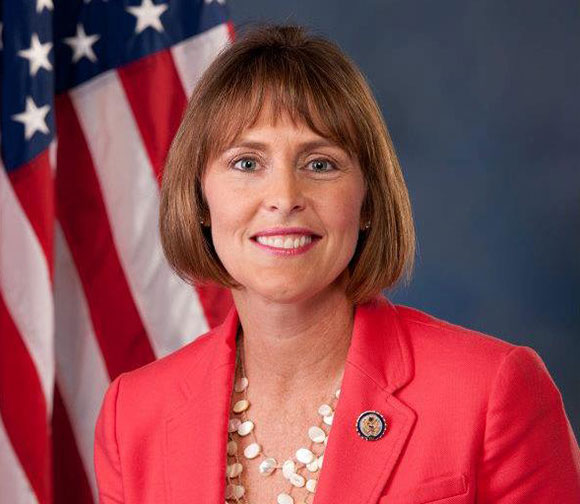
Active engagement from constituents is vital for a representative to understand the needs and concerns of their district. Whether it is through emails, phone calls, letters, or attending town hall meetings, providing feedback helps shape the representative’s agenda and voting decisions. Issues ranging from local infrastructure needs to national policy debates can be effectively communicated through these channels. For example, a constituent concerned about the impact of federal regulations on a local business, or advocating for increased funding for a state park like Biscayne National Park, can make their voice heard through direct communication with their representative’s office.
In conclusion, the “House Representative for Florida” is not a singular entity but a collective of individuals representing distinct congressional districts. Their work in the U.S. House of Representatives profoundly impacts the state and the nation, covering a broad spectrum of critical policy areas. Understanding who these representatives are and how to engage with them is a fundamental aspect of civic participation in the Sunshine State.
LifeOutOfTheBox is a participant in the Amazon Services LLC Associates Program, an affiliate advertising program designed to provide a means for sites to earn advertising fees by advertising and linking to Amazon.com. Amazon, the Amazon logo, AmazonSupply, and the AmazonSupply logo are trademarks of Amazon.com, Inc. or its affiliates. As an Amazon Associate we earn affiliate commissions from qualifying purchases.