
Chicago, often affectionately known as the “Windy City,” is a global metropolis, a vibrant hub of culture, commerce, and innovation located in the heart of the Midwest region of the United States. When considering a visit to this iconic city, one might naturally wonder about the scale of its population. The number of people who call Chicago home is not just a statistic; it’s a fundamental aspect that shapes its character, its economy, its cultural tapestry, and crucially, its appeal as a world-class travel destination. As of the most recent estimates (e.g., from the U.S. Census Bureau for 2023), the population of Chicago within its city limits hovers around 2.67 million people. However, this figure only tells part of the story. The broader Chicago metropolitan area, officially known as Chicagoland, is significantly larger, encompassing numerous suburbs and reaching well into neighboring Indiana and Wisconsin. This vast urban expanse is home to approximately 9.5 million residents, making it the third-largest metropolitan area in the United States.
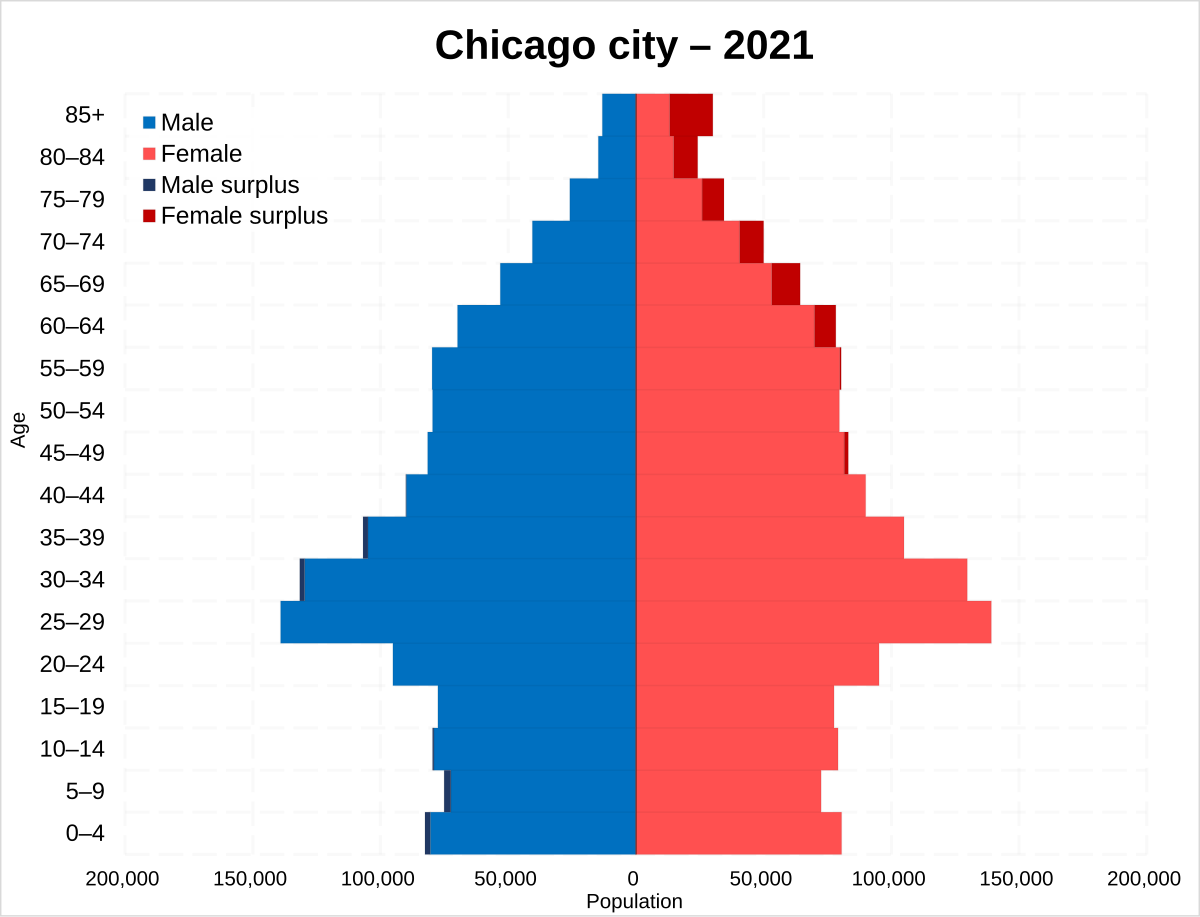
Understanding these numbers is key to grasping the city’s dynamic energy. A dense population within the city proper means bustling streets, diverse neighborhoods, and a never-ending array of activities, from world-class dining to cutting-edge art. The sprawling metropolitan area, on the other hand, signifies a massive economic engine, a diverse workforce, and a wide variety of experiences extending beyond the downtown core. For travelers, this translates into an abundance of choices in accommodation, a rich tapestry of local cultures to explore, and an infrastructure capable of handling millions of daily commutes and countless visitors. This article delves into the demographic realities of Chicago, exploring how its population defines its essence and enriches the experience for every visitor, whether they are here for a luxury retreat, a budget-friendly adventure, a family trip, or a business stay.
The Vibrant Heart of the Midwest: Understanding Chicago’s Population
Chicago’s population isn’t merely a count; it’s a reflection of centuries of migration, economic evolution, and a testament to its enduring appeal. From its early days as a trading post to its rapid growth as a railway hub and industrial powerhouse, the city has always been a magnet for people seeking opportunity and a new beginning. This continuous influx has sculpted a metropolitan area that is as diverse as it is dynamic, influencing everything from the culinary landscape to the architectural marvels that define its skyline.
A Demographic Overview
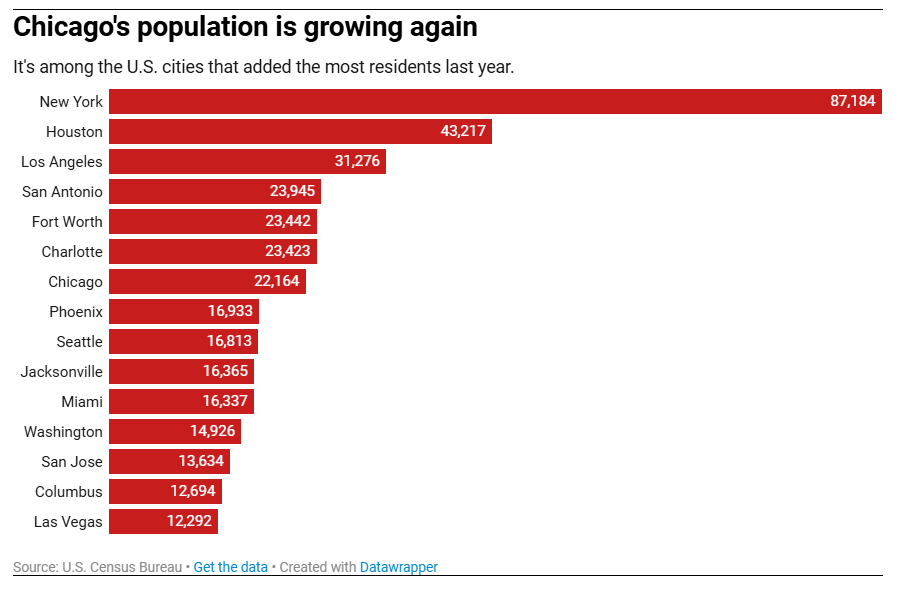
The current population of roughly 2.67 million residents within the city limits makes Chicago the third-most populous city in the United States, following New York City and Los Angeles. This figure has seen fluctuations over the decades, with peaks in the mid-20th century followed by periods of urban decline and more recent revitalization and stabilization. The demographic profile of Chicago is incredibly rich and varied, a true melting pot of cultures, ethnicities, and backgrounds.
Historically, Chicago has been a destination for immigrants from Europe, particularly from Ireland, Germany, and Poland, and later from Mexico and other Latin American countries, as well as Asia. The city also played a pivotal role in the Great Migration, attracting African Americans from the Southern United States in search of better economic prospects and an escape from racial discrimination. Today, this legacy is evident in the diverse neighborhoods that dot the cityscape. For example, Pilsen is renowned for its vibrant Mexican-American community and colorful murals, while Chinatown boasts rich East Asian heritage. Neighborhoods like Bronzeville are steeped in African American history and culture, and Andersonville maintains its strong Swedish roots. This demographic richness contributes significantly to Chicago’s reputation as a cultural capital, offering a bewildering array of authentic international cuisines, festivals, and artistic expressions that visitors can explore.

What Makes Chicago a Magnet?
The enduring allure of Chicago can be attributed to a confluence of factors that attract both residents and visitors. Economically, Chicago is a powerhouse. It serves as a major global financial center, a hub for technology and innovation, a leader in manufacturing, and a critical transportation and logistics nexus. These diverse industries provide robust job opportunities, drawing professionals and families from across the globe. The presence of numerous Fortune 500 companies and a thriving startup ecosystem ensures a steady flow of business travelers and offers unique opportunities for residents.
Beyond economics, Chicago boasts an exceptional educational landscape. Home to world-renowned institutions like the University of Chicago, Northwestern University, DePaul University, and Loyola University Chicago, the city attracts a substantial student population, which in turn fuels a vibrant youth culture, diverse entertainment options, and a continuous injection of fresh ideas. This academic prowess also contributes to the city’s intellectual and artistic vibrancy, fostering a dynamic environment for museums, galleries, and performance venues.
Culturally, Chicago is second to none. Its world-class museums, such as the Art Institute of Chicago, the Field Museum, the Museum of Science and Industry, and the Shedd Aquarium, attract millions of visitors annually and provide enriching experiences for residents. The city’s legendary music scene, from jazz and blues clubs to massive festivals like Lollapalooza, its thriving theater community, and its iconic sports teams—the Chicago Cubs at Wrigley Field, the Chicago White Sox at Guaranteed Rate Field, the Chicago Bears at Soldier Field, and the Chicago Bulls and Chicago Blackhawks at the United Center—all contribute to a quality of life that is both stimulating and deeply engaging. This rich cultural fabric means that visitors, regardless of their interests, will find an abundance of activities that reflect the diverse passions of its inhabitants.
Population Dynamics and Their Impact on Travel & Tourism
The significant population of Chicago and its metropolitan area is not just a backdrop; it’s an active ingredient that profoundly shapes the city’s travel and tourism landscape. From the unique local experiences available to the sheer scale of its infrastructure, the human element is central to understanding Chicago’s appeal as a destination.
The Local Pulse: How Residents Shape the Tourist Experience
The city’s diverse resident population directly fuels its world-renowned culinary scene. With influences from every corner of the globe, Chicago’s food offerings range from Michelin-starred fine dining establishments to beloved neighborhood eateries specializing in authentic ethnic cuisines. Tourists can explore the vibrant restaurant scene in areas like Fulton Market, known for its trendy spots, or delve into the historic flavors of Little Italy or Greektown. This diversity means that whether a visitor is seeking a luxurious dining experience at Alinea or a budget-friendly deep-dish pizza, the options are virtually endless, a direct result of a populace with varied tastes and a demand for authentic flavors.
Beyond food, the residents of Chicago are the lifeblood of its cultural events and local activities. Community festivals celebrate different ethnic heritages throughout the year, offering visitors a chance to experience the city’s multicultural vibrancy firsthand. The widespread support for the arts—from small independent galleries in Wicker Park to grand performances in the Theatre District—is sustained by its population, ensuring a lively and engaging environment for tourists. The everyday interactions with friendly Chicagoans can also enhance a trip, offering insights into local life and creating memorable experiences beyond the typical tourist traps.
Demand and Infrastructure: Accommodation & Transport
A city with millions of residents, coupled with a constant flow of business and leisure travelers, necessitates a robust and efficient infrastructure. Chicago’s hotel industry is expansive, offering a spectrum of accommodation options to suit every preference and budget. From ultra-luxury properties like The Peninsula Chicago and Four Seasons Hotel Chicago on the Magnificent Mile to boutique hotels in trendy neighborhoods such as Thompson Chicago in Gold Coast or Ace Hotel Chicago in Fulton Market, the city provides a diverse array of choices. Large convention hotels like Hyatt Regency Chicago and historic landmarks such as the Palmer House Hilton cater to business travelers and large groups, while more budget-friendly options and extended-stay apartments are readily available for longer visits or family trips. This vast selection is a direct response to the consistent demand generated by both residents (for staycations or accommodating visiting friends and family) and the millions of tourists who flock to the city each year.
The efficient movement of such a large population and its visitors relies heavily on Chicago’s extensive public transportation network. The Chicago Transit Authority (CTA) operates the “L” train system, with its iconic elevated tracks, and a comprehensive bus network, making it easy for travelers to navigate the city without a car. This well-developed infrastructure is not only essential for daily commuters but also a significant convenience for tourists looking to explore various districts, from the bustling Loop to the residential charm of Lincoln Park.
Major Events and Seasonal Swings
The sheer number of people living in and around Chicago plays a crucial role in the success and scale of its major events and festivals. Events like Taste of Chicago, the Chicago Marathon, and various music festivals draw not only international tourists but also significant participation and attendance from the local population. This massive local engagement ensures these events are vibrant and economically viable, further cementing Chicago’s reputation as a prime destination for entertainment and culture.
The seasonal ebb and flow of Chicago’s population, particularly the influx of summer tourists and convention-goers, also impact the city’s dynamic. During peak season, hotels and attractions are bustling, and the city takes on an even more energetic atmosphere. Conversely, the local population sustains many businesses during quieter periods, maintaining the city’s vitality year-round. This balance ensures that Chicago remains a compelling destination, adapting its offerings to the demands of its permanent residents and its temporary guests.
Navigating the Urban Landscape: Landmarks, Lifestyle, and Visitor Experience
The blend of a dense urban population and a commitment to civic beauty has given Chicago a unique landscape, where world-renowned landmarks stand proudly amidst vibrant residential and commercial districts. This fusion defines the city’s lifestyle and shapes the visitor experience.
Iconic Landmarks Amidst a Bustling City
Chicago’s population has significantly contributed to the creation and preservation of its iconic landmarks. These architectural marvels and public spaces are not just tourist attractions; they are integral parts of daily life for millions of residents. The imposing Willis Tower (formerly Sears Tower), once the tallest building in the world, remains a bustling office complex and a popular observation deck for both locals and visitors. Millennium Park, with its famous Cloud Gate sculpture (colloquially known as “The Bean”), outdoor concert venue, and stunning gardens, serves as a major public gathering place. It’s where tourists snap photos and locals enjoy their lunch breaks or evening strolls. Similarly, Grant Park, often called “Chicago’s front yard,” hosts major festivals and offers vast green spaces for recreation, demonstrating how large urban populations benefit from accessible, well-maintained public areas.
The Chicago Riverwalk is another prime example of how the city’s dense population has spurred development that caters to both residents and visitors. What was once an industrial waterway has been transformed into a beautiful pedestrian promenade lined with cafes, public art, and boat tours. It’s a favorite spot for locals to unwind after work and for tourists to experience Chicago’s stunning architecture from a unique perspective. Even Navy Pier, a popular entertainment complex, serves as a recreational hub for families and a venue for events year-round, sustained by the constant flow of people living in and visiting Chicago. These landmarks are more than static attractions; they are dynamic spaces where the city’s pulse is felt most keenly, shaped by the interactions of millions.
Embracing the Chicago Lifestyle
The lifestyle in Chicago is as diverse as its population. The city offers something for every type of traveler, from those seeking ultimate luxury to those on a tight budget, and caters brilliantly to family trips and business stays alike. For luxury travelers, neighborhoods like River North and the Gold Coast boast high-end shopping, upscale dining, and luxurious hotels such as The Langham Chicago or Godfrey Hotel Chicago. The city’s affluent population ensures a consistent demand for these premium experiences.
Conversely, for budget travelers or those looking for a more authentic, local experience, Chicago’s diverse neighborhoods offer countless affordable eateries, independent shops, and free attractions like Lincoln Park Zoo or simply wandering through the historic streets. Hostels, budget hotels like Virgin Hotels Chicago, and vacation rentals provide economical accommodation options, driven by the city’s large student population and the demand from younger, more adventurous travelers.
Family trips are particularly well-catered for, with attractions ranging from the aforementioned museums and parks to interactive experiences and child-friendly dining options. The city’s strong sense of community, fostered by its resident population, makes it a welcoming place for families to explore. Business stays benefit from Chicago’s status as a major convention city and corporate hub. Its extensive network of business-friendly hotels, transportation, and dining options, all supported by its large resident workforce and frequent business visitors, ensures a seamless experience for professionals. The underlying constant is the robust and diverse population that drives this lifestyle, creating a city that is simultaneously grand and intimate, cosmopolitan and deeply rooted in its local communities.
In conclusion, the question of “How Many People Live In Chicago?” opens a window into the very soul of this magnificent city. With approximately 2.67 million residents within its limits and over 9.5 million in its metropolitan area, Chicago is a powerhouse of human activity. This vast and diverse population is not merely a number; it is the animating force behind Chicago’s vibrant culture, its booming economy, its world-class attractions, and its welcoming lifestyle. For any traveler, understanding this demographic reality enhances the appreciation of Chicago’s dynamic energy, ensuring a richer, more engaging visit to one of the United States’ most extraordinary cities.
LifeOutOfTheBox is a participant in the Amazon Services LLC Associates Program, an affiliate advertising program designed to provide a means for sites to earn advertising fees by advertising and linking to Amazon.com. Amazon, the Amazon logo, AmazonSupply, and the AmazonSupply logo are trademarks of Amazon.com, Inc. or its affiliates. As an Amazon Associate we earn affiliate commissions from qualifying purchases.