
Colorado, often hailed as the “Centennial State,” is a captivating tapestry of rugged Rocky Mountains, vibrant cities, and a thriving cultural scene. From the bustling streets of Denver to the serene slopes of Aspen and Vail, this state offers an unparalleled array of experiences for every type of traveler. Whether you’re planning a thrilling ski adventure, a serene nature retreat, or an urban exploration, understanding the economic landscape of Colorado is key to a smooth and enjoyable visit. One fundamental aspect of this landscape, particularly relevant to anyone engaging with local businesses, hospitality services, or even considering a long-term stay, is the minimum wage.
The minimum wage in Colorado plays a significant role in shaping the cost of services, the quality of local hospitality, and the overall economic vitality of the regions you’ll explore. It directly impacts the employees who staff our hotels, serve our meals, and guide our adventures, subtly influencing everything from hotel room rates to the vibrancy of local attractions. For travelers, understanding these figures can help in budgeting, appreciating local economic dynamics, and even making more informed decisions about supporting local enterprises. For those interested in accommodation or evaluating lifestyle costs, it’s an essential piece of the puzzle. This comprehensive guide delves into Colorado’s minimum wage, its historical trajectory, current rates, future projections, and its profound implications for travel and tourism throughout the state.
The Foundation of Colorado’s Economy: Understanding the Minimum Wage
Colorado’s approach to the minimum wage is designed to adapt to the state’s unique economic conditions, reflecting both a statewide standard and acknowledging the varied cost of living in different regions. This dual approach ensures a baseline for all workers while allowing more expensive areas to set higher local wages, which in turn influences pricing for tourism and hospitality services.
A Brief History of Wage Standards in the Centennial State
The journey of minimum wage in Colorado is a testament to the state’s commitment to fair labor practices. While federal minimum wage laws, governed by the Fair Labor Standards Act (FLSA), set a national floor, states like Colorado have the autonomy to establish higher rates. For decades, Colorado’s minimum wage hovered around the federal standard, with incremental increases. However, a significant turning point arrived with the passage of Amendment 70 in 2016. This ballot initiative mandated annual increases to the state minimum wage, tied to the Consumer Price Index (CPI) for Denver-Aurora-Greeley, to account for the rising cost of living. This progressive step recognized the need for wages to keep pace with inflation, especially in a state experiencing rapid growth and increasing expenses.
The implementation of Amendment 70 effectively created a predictable schedule for wage adjustments, providing stability for both employers and employees. This history underscores Colorado’s dedication to fostering an environment where workers can earn a living wage, which indirectly supports a more robust and equitable tourism sector. When workers in hospitality and service industries earn a fairer wage, it can lead to higher job satisfaction, reduced turnover, and ultimately, better service for visitors.
Current Minimum Wage Rates Across Colorado
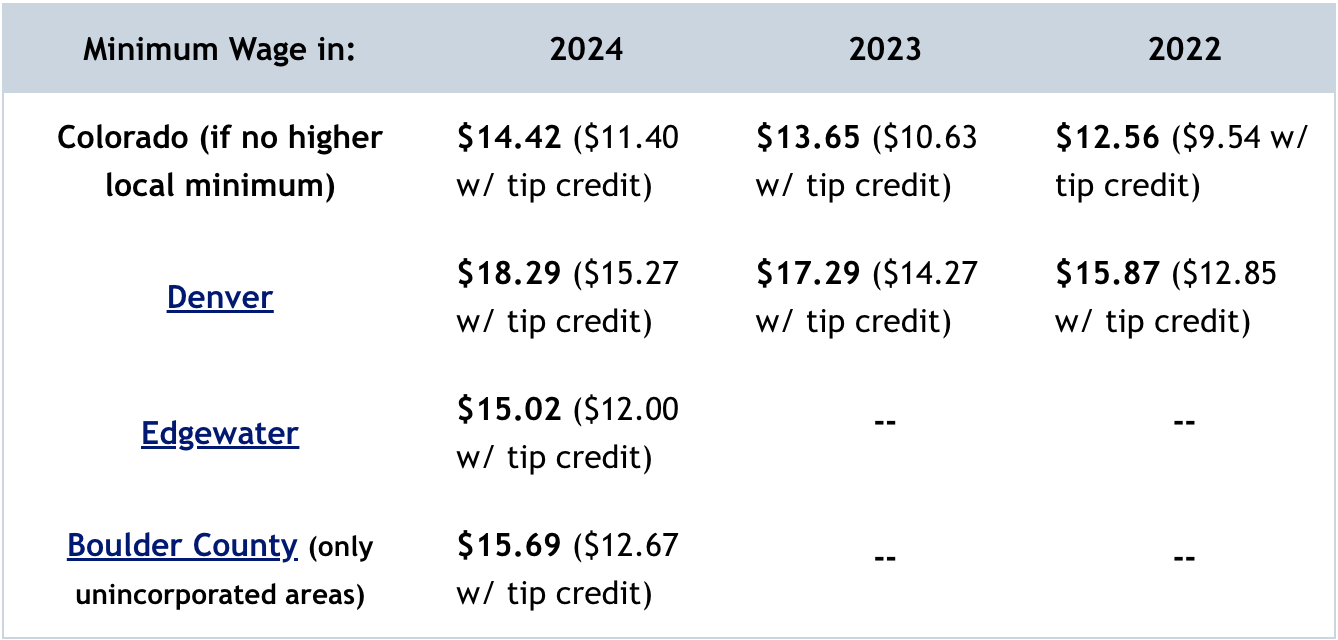
As of January 1, 2024, the statewide minimum wage in Colorado stands at $14.42 per hour. For tipped employees, the minimum cash wage is $11.40 per hour, provided that their tips bring their total earnings up to at least the full minimum wage of $14.42 per hour. Employers are required to make up the difference if tips do not reach this threshold. This is crucial for understanding the economics of dining out and tipping in Colorado.
However, it’s vital to recognize that several cities and counties within Colorado have established their own minimum wage ordinances that exceed the state rate. This is particularly true for popular tourist destinations and urban centers where the cost of living is significantly higher. For example:

- In Denver, the minimum wage is $18.29 per hour, with a tipped minimum wage of $15.27 per hour.
- Boulder has set its minimum wage at $17.30 per hour, and $14.28 per hour for tipped employees.
- Other jurisdictions, like the City and County of Broomfield, also have their own rates.
These local variations are critical for travelers to note, as they directly influence the pricing of everything from a cup of coffee in Larimer Square to the cost of a ski lesson in Vail. It also means that staff in these areas are likely to earn more, which can impact the availability and quality of service. For those considering a business stay or relocating, these figures are central to calculating operational costs or personal expenses. The Colorado Department of Labor and Employment publishes detailed information on these rates, often summarized in the Colorado Minimum Wage Order.
The Future Outlook: What to Expect for Wage Adjustments
The automatic annual adjustment mechanism established by Amendment 70 ensures that Colorado’s minimum wage will continue to increase each year, typically on January 1st, based on the previous year’s inflation rate. This predictability is a cornerstone of the state’s economic policy. For travelers and businesses alike, this means that while prices for services and accommodations may see minor annual adjustments, the overall economic environment remains relatively stable and transparent.
Looking ahead, we can anticipate continued gradual increases in both statewide and local minimum wage rates. This trend aligns with a broader movement in the United States to ensure that wages keep pace with the cost of living, especially in dynamic economies like Colorado’s. For the tourism sector, this implies an ongoing need for businesses to factor these rising labor costs into their operational budgets, which can in turn influence everything from hotel room pricing to the cost of attractions and activities. However, it also promises a workforce that is more financially secure, potentially leading to higher morale and enhanced service quality for visitors to iconic landmarks and lesser-known gems across the state.
Minimum Wage and the Colorado Travel Experience
The minimum wage in Colorado isn’t just a number; it’s a fundamental economic factor that subtly yet significantly shapes every aspect of your travel experience in the state. From the moment you book your hotel to the last bite of a local delicacy, these wage standards are at play.
Impact on Hospitality and Tourism Services
The hospitality and tourism sectors are among the largest employers of minimum wage earners in Colorado. This includes hotel staff, restaurant servers, tour guides, retail workers, and employees at various attractions. When the minimum wage increases, these businesses face higher labor costs. This can manifest in several ways for travelers:
- Pricing Adjustments: Expect to see slight increases in the cost of hotel suites, meals at restaurants, tickets for activities like skiing or museum entry, and even guided tours. These adjustments are often necessary for businesses to maintain profitability while compensating their employees fairly.
- Service Quality: A living wage can significantly boost employee morale and job satisfaction. This often translates into better customer service, more engaged staff, and a higher quality overall experience for visitors. Imagine a more attentive concierge at your resort in Breckenridge, or a more knowledgeable server at a farm-to-table restaurant in Boulder.
- Availability of Staff: In areas with competitive wages, tourism businesses may find it easier to attract and retain skilled employees, leading to more consistent service and operational efficiency, especially during peak seasons. This is particularly relevant for maintaining the high standards expected at luxury villas or full-service resorts.
Understanding this dynamic allows travelers to appreciate the value they receive and understand the economics behind the prices they pay, fostering a sense of responsible tourism.
Budgeting for Your Colorado Adventure
For those planning a budget travel adventure in Colorado, factoring in the state’s minimum wage rates is essential. Higher wages in popular destinations like Denver, Boulder, Aspen, or Telluride mean that the cost of living, and consequently the cost of services and amenities, will be higher than in other regions.
- Accommodation Costs: Whether you’re opting for a cozy apartment, a boutique hotel, or a luxury suite, labor costs are embedded in the price. Using comparison tools for booking and reading reviews can help identify good value, but generally, expect higher rates in cities with higher minimum wages.
- Dining Expenses: The cost of a meal will vary significantly. Casual eateries in cities like Colorado Springs might offer more affordable options compared to fine dining establishments in Denver or ski resorts. Remember to also factor in generous tipping, especially for good service, as tipped employees rely on this income to supplement their cash wages.
- Activity and Attraction Fees: While many of Colorado’s natural landmarks like the Great Sand Dunes National Park or Mesa Verde National Park offer affordable entry, privately run attractions or specialized experiences may reflect higher operational costs.
For family trips or those managing a strict travel fund, researching the specific minimum wage rates for your chosen destinations within Colorado can provide invaluable insights for accurate budgeting.
Exploring Local Cuisine and Culture: A Fair Wage Perspective
Colorado’s vibrant local culture and diverse food scene are integral to the travel experience. From farm-to-table restaurants in the Front Range to craft breweries in Denver and mountain-town diners, the state offers a culinary journey as diverse as its landscapes. The minimum wage directly impacts the livelihoods of those who prepare and serve this food, as well as the artists and performers who enrich the cultural scene.
Supporting local businesses that pay fair wages contributes to the overall economic well-being of the communities you visit. This can lead to a more authentic and high-quality experience. When employees are paid well, they are more likely to stay in their jobs, develop expertise, and take pride in their work, whether it’s crafting an artisanal meal or sharing the history of a famous place like the Garden of the Gods.
Moreover, a stable local economy, bolstered by fair wages, allows for continued investment in local culture, arts, and community events. This means more vibrant festivals, accessible museums like the Denver Art Museum, and thriving local shops, all of which enhance the rich tapestry of Colorado’s appeal for visitors interested in more than just scenic beauty. By engaging with these aspects, travelers not only enjoy fantastic food and rich culture but also contribute to a sustainable and equitable tourism ecosystem.

Accommodation and Lifestyle: How Wages Shape Your Stay
Beyond the immediate costs, the minimum wage in Colorado fundamentally influences the wider context of accommodation and the lifestyle available to both residents and visitors. It touches upon everything from the quality of services at your chosen hotel to the broader economic health of tourist destinations.
Hotel Staff Wages and Service Quality
The people who make your hotel stay comfortable—from housekeepers and front desk agents to concierges and maintenance staff—are often paid at or near the minimum wage. In Colorado, particularly in higher-wage cities like Denver or Boulder, these wages are significantly higher than the federal minimum. This investment in human capital has a direct bearing on the quality of service you receive.
- Employee Retention: When hotel staff earn a living wage, they are more likely to stay with their employers, leading to lower turnover. Experienced staff understand the hotel’s amenities, internal processes, and guest preferences better, resulting in more seamless and personalized service. Imagine a front desk agent who remembers your name or a housekeeper who consistently tidies your suite just as you like it.
- Motivation and Morale: Fair compensation can lead to increased employee motivation and morale. Staff who feel valued are generally more engaged and willing to go the extra mile to ensure guest satisfaction. This might mean quicker responses to requests, more thorough cleaning in your apartment-style accommodation, or a more welcoming atmosphere throughout the resort.
- Luxury Travel and Expectations: For those indulging in luxury travel, the expectation of impeccable service is paramount. The ability of high-end hotels and villas in places like Aspen or Telluride to attract and retain top talent is often linked to competitive wage structures that exceed minimum requirements, but are still influenced by the broader minimum wage floor.
Ultimately, a robust minimum wage helps cultivate a professional and dedicated hospitality workforce, which elevates the overall accommodation experience across Colorado, from budget-friendly motels to opulent resorts.
The Cost of Living in Popular Tourist Destinations
Colorado’s popular tourist destinations are often characterized by a high cost of living, which is both a cause and effect of higher local minimum wages. Cities like Denver, Boulder, and ski towns such as Vail and Breckenridge boast not only stunning scenery and world-class attractions but also elevated expenses for housing, transportation, and everyday goods and services.
For visitors, this translates into higher prices for everything from gas to groceries if you’re self-catering in an apartment. For those considering a long-term stay or even relocation, understanding these dynamics is crucial. The higher minimum wage in these areas is an attempt to mitigate the impact of the elevated cost of living on local workers. This creates a balanced, albeit more expensive, economic environment.
The cost of living also impacts the viability of local businesses and the availability of certain amenities. In areas where it’s challenging for service workers to afford to live, there can be labor shortages, which might affect opening hours of shops or restaurants, or the availability of certain tourism services during peak times. Travelers seeking vibrant and fully-staffed destinations can take comfort in the fact that higher wages aim to support the workforce that makes these places so appealing.
Sustainable Tourism and Fair Labor Practices
The concept of minimum wage is intrinsically linked to sustainable tourism. Responsible travel increasingly emphasizes supporting local economies and ensuring that the benefits of tourism are shared equitably. Paying fair wages is a cornerstone of this philosophy.
When tourism businesses adhere to and exceed minimum wage standards, they contribute to a healthier local economy. This means that more of the money spent by visitors stays within the community, supporting the families of local workers and fostering a stronger local infrastructure. From the staff who maintain the historic architecture of Union Station to the guides leading hikes through the Rocky Mountains, fair compensation helps build resilient communities.
For the conscious traveler, choosing accommodations and services from companies known for their ethical labor practices (which often include paying above minimum wage) can be a way to contribute positively to the local economy. It transforms a simple vacation into an act of responsible engagement, enhancing the lifestyle for both visitors and residents. Colorado’s progressive stance on minimum wage makes it an appealing destination for those who value ethical considerations in their travel choices.
Beyond the Numbers: The Broader Economic Landscape
The minimum wage in Colorado is more than just a regulatory figure; it’s a dynamic element that profoundly influences the state’s entire economic landscape, especially within its vibrant tourism and hospitality sectors. Its impact ripples through local businesses, shapes employment trends, and ultimately contributes to the overall visitor experience.
Economic Ripple Effects on Local Businesses
Every increase in the minimum wage sends a ripple effect through Colorado’s economy. For small to medium-sized businesses, particularly those heavily reliant on service staff such as independent restaurants, boutique hotels, and local tour operators, higher labor costs necessitate strategic adjustments.
- Operational Adjustments: Businesses may explore efficiencies in operations, invest in technology to streamline tasks, or adjust staffing levels. While these can initially be challenging, they often lead to more innovative and resilient business models.
- Consumer Pricing: As discussed, some of these increased costs are passed on to consumers through slightly higher prices for goods and services. However, this is often balanced by the potential for increased consumer spending from workers earning higher wages, creating a positive feedback loop within the local economy.
- Local Economic Growth: When workers earn a higher wage, they have more disposable income, which they often spend locally. This boosts demand for goods and services, supporting other local businesses and fostering overall economic growth. This is particularly noticeable in thriving tourist towns like Glenwood Springs or Telluride, where a healthy local economy enhances the appeal for visitors seeking authentic local experiences.
For travelers, supporting businesses that navigate these changes effectively means contributing to a robust and dynamic local economy, ensuring that the charm and quality of Colorado’s offerings endure.
Attracting and Retaining Talent in Colorado’s Tourism Sector
Colorado’s tourism sector is highly competitive, constantly striving to deliver exceptional experiences to millions of visitors annually. A key component of this success lies in attracting and retaining a skilled, dedicated workforce. The state’s progressive minimum wage policies play a crucial role here.
- Competitive Edge: By offering wages that are often higher than the federal minimum and, in many areas, higher than neighboring states, Colorado businesses can be more competitive in the labor market. This is especially vital in demanding seasonal industries like ski resorts, where attracting temporary and permanent staff is critical.
- Reduced Turnover: Higher wages contribute to reduced employee turnover. When employees feel adequately compensated, they are more likely to stay in their positions, gaining valuable experience and expertise. This continuity is invaluable for tourism businesses, as it means less time and resources spent on recruiting and training, and more focus on delivering quality service.
- Professional Development: A stable, well-compensated workforce is also more likely to invest in professional development and skill enhancement. This elevates the overall professionalism of the tourism sector, from expert tour guides leading expeditions through national parks to highly skilled chefs preparing exquisite cuisine at luxury resorts.
Ultimately, the commitment to fair wages helps Colorado maintain its reputation as a premier travel destination that offers high-quality services and memorable experiences. It’s an investment not just in its workers, but in the enduring appeal and vibrancy of the Centennial State for visitors from around the globe.
In conclusion, the minimum wage in Colorado is a dynamic and evolving aspect of its economic fabric, deeply intertwined with the state’s thriving travel, tourism, and hospitality industries. For anyone planning a visit, seeking accommodation, or simply observing the lifestyle within this magnificent state, understanding these wage standards offers valuable context. It provides insight into pricing structures, service quality, and the broader economic health of the communities that welcome millions of visitors each year. By consciously engaging with Colorado’s offerings, informed by an understanding of its fair labor practices, travelers can enjoy a richer, more responsible, and truly unforgettable experience in the heart of the Rocky Mountains.
LifeOutOfTheBox is a participant in the Amazon Services LLC Associates Program, an affiliate advertising program designed to provide a means for sites to earn advertising fees by advertising and linking to Amazon.com. Amazon, the Amazon logo, AmazonSupply, and the AmazonSupply logo are trademarks of Amazon.com, Inc. or its affiliates. As an Amazon Associate we earn affiliate commissions from qualifying purchases.