
Florida, often affectionately known as the “Sunshine State,” is much more than just a popular tourist destination; it’s a vibrant, ever-growing nexus of diverse communities, rich history, and dynamic economic activity. Understanding its population is not merely about reciting a number, but about grasping the very essence of what makes Florida tick, influencing everything from its bustling travel industry to its varied lifestyles and the vast array of accommodation options available. For anyone planning a visit, considering a move, or simply curious about this iconic American state, delving into its demographic landscape offers invaluable insights.
At the heart of its allure are the millions who call it home, alongside the tens of millions more who visit annually. This constant influx of residents and tourists shapes Florida’s infrastructure, fosters its unique local culture, and drives innovation across its cities and towns. From the pristine beaches of the Gulf Coast to the lively streets of Miami and the magical realms of Orlando, the sheer volume of people – both permanent and transient – defines the very experience of being in Florida. Let’s explore the multifaceted impact of its population, intricately weaving in themes of travel, tourism, hotels, landmarks, and the diverse lifestyles it supports.
Florida’s Demographic Landscape: A Magnet for Growth
Florida consistently ranks among the fastest-growing states in the United States, a testament to its enduring appeal. This continuous expansion is not just a statistic; it’s a living force that transforms its urban centers and coastal communities, influencing everything from traffic patterns to the types of restaurants that thrive and the sheer demand for housing and visitor accommodations.
The Latest Population Snapshot: Sustained Expansion
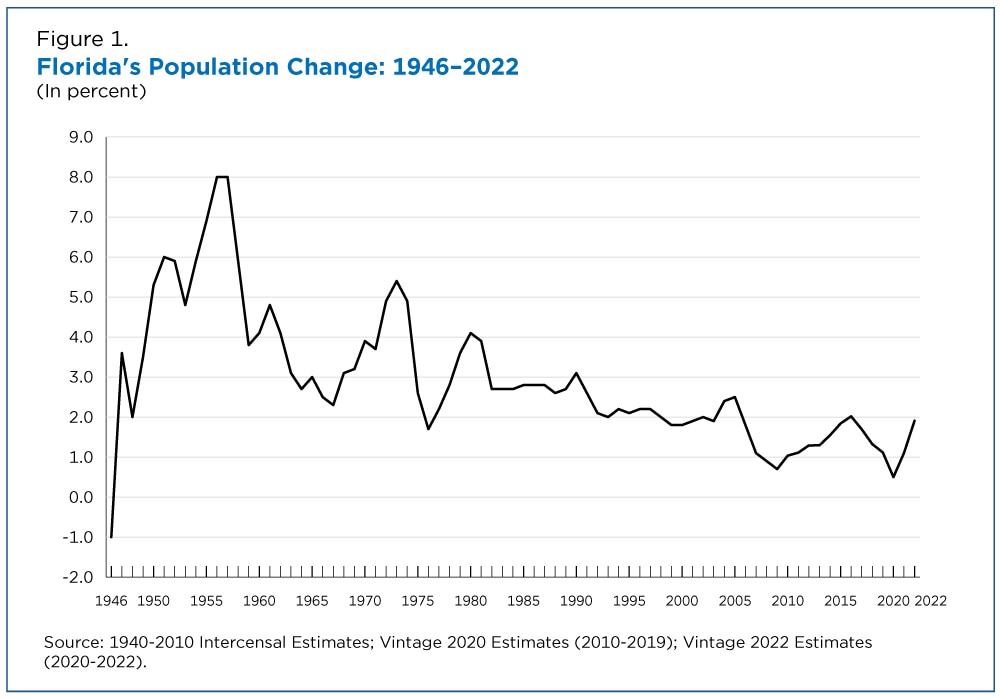
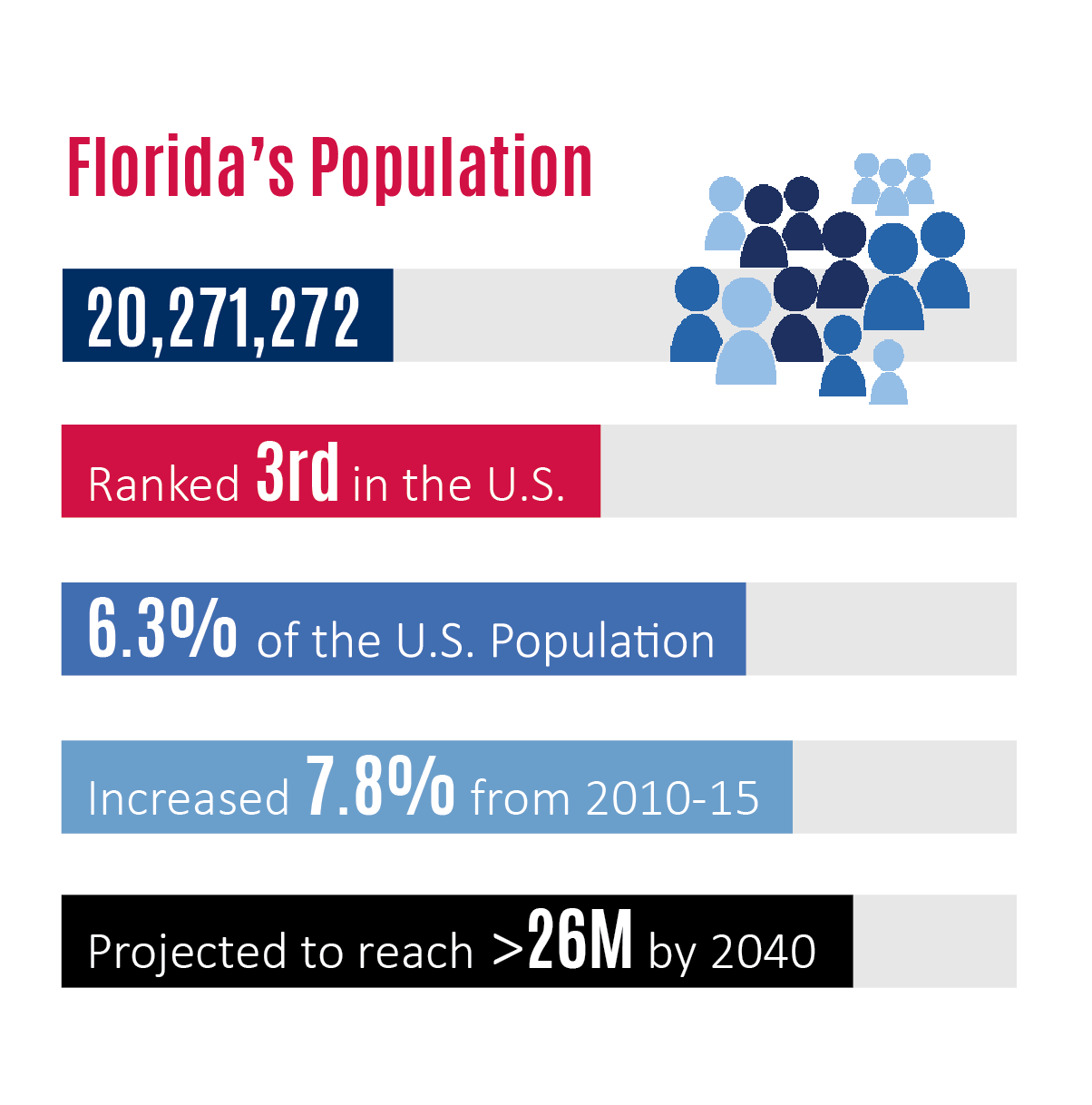
While exact figures fluctuate daily, the population of Florida is well over 22 million residents as of recent estimates. This places it as the third-most populous state in the USA, just behind California and Texas. What makes this number particularly compelling is its trajectory: Florida’s population has seen sustained growth for decades, driven by both domestic migration from other U.S. states and international immigration. This constant influx brings new perspectives, new demands, and a perpetually evolving cultural mosaic to the Sunshine State. Cities like Jacksonville, Tampa, and especially Orlando and Miami are at the forefront of this growth, experiencing rapid development in infrastructure, residential areas, and, crucially for visitors, an ever-expanding tourism and hospitality sector.
Why Florida Attracts People: A Blend of Lifestyle and Opportunity
The reasons behind Florida’s magnetic pull are multifaceted. For many, it’s the unparalleled weather, offering year-round sunshine and warmth that escapes the harsh winters of northern climates. This makes it a prime destination for retirees seeking a comfortable and active post-career lifestyle, contributing significantly to its demographic profile. However, Florida’s appeal extends far beyond retirement. The state’s robust economy, particularly in sectors like tourism, aerospace, healthcare, and finance, draws a younger, working-age population. Families are attracted by the promise of world-class theme parks and abundant outdoor activities, while entrepreneurs find fertile ground for new businesses.
The absence of a state income tax is another powerful incentive, making Florida an attractive financial haven for individuals and companies alike. This blend of economic opportunity, pleasant climate, and diverse lifestyles creates a powerful draw, ensuring that Florida’s population continues to swell. For visitors, this translates into a rich tapestry of experiences: from the bustling urban energy of Miami and Fort Lauderdale to the relaxed beach towns of Sarasota and Naples, there’s a place for every preference, shaped by the people who live there.
Population and the Sunshine State’s Tourism Industry
The symbiotic relationship between Florida’s population and its colossal tourism industry is undeniable. A large resident base provides the workforce, infrastructure, and local consumer demand that supports a thriving visitor economy, while the millions of tourists inject capital and cultural exchange that further enrich the state.
Impact on Destinations and Attractions
Florida’s resident population, along with its constant stream of visitors, directly influences the development and evolution of its destinations and attractions. The sheer volume of people creates a continuous demand for new experiences, leading to constant innovation and expansion within the tourism sector. For instance, Orlando, the theme park capital of the world, wouldn’t be able to sustain giants like Walt Disney World Resort and Universal Orlando Resort without a massive local workforce and a steady flow of both domestic and international tourists. These attractions are not just for visitors; they are also major employers for Florida residents, creating a dynamic feedback loop.
Beyond the theme parks, cities like Miami leverage their diverse populations to cultivate unique cultural attractions such as the Art Deco Historic District on South Beach and the vibrant Little Havana, offering visitors a taste of its rich Cuban culture. Similarly, the historic charm of St. Augustine, the nation’s oldest continuously inhabited European-established settlement, is preserved and promoted for both residents and tourists, showcasing its deep history. The consistent growth in population across the state ensures that there’s always a market for these destinations, leading to continuous investment in upgrades, new rides, and enhanced visitor experiences.
Diverse Lifestyles Fueling Travel Trends
Florida’s diverse population naturally leads to a wide range of lifestyles, which in turn fuels varied travel trends. From luxury travelers seeking exclusive resorts and fine dining in Palm Beach or Naples, to budget-conscious families exploring affordable beach getaways or campgrounds in state parks, there’s a segment for everyone. The significant retirement community, for example, often gravitates towards serene coastal towns and golf communities, creating a demand for specific types of accommodation and leisure activities. Young professionals and families, on the other hand, might prefer the bustling city life of St. Petersburg or the family-friendly attractions of Orlando.
This mosaic of residents, each with their own needs and preferences, inadvertently creates a dynamic environment for visitors. It means that when you travel to Florida, you’re not just visiting a monolithic tourist trap; you’re immersing yourself in communities that cater to a wide spectrum of tastes. Whether it’s seeking out authentic local cuisine, enjoying eco-tourism in the Everglades, or indulging in high-end shopping, the diverse lifestyles of Florida’s inhabitants ensure that there’s always something new and authentic to discover, far beyond the well-trodden tourist paths.
Navigating Accommodation in a Densely Populated State
With a population of over 22 million and welcoming countless millions more in tourists each year, the demand for accommodation in Florida is exceptionally high. This makes the state a hub for various lodging options, from opulent five-star resorts to charming boutique hotels and sprawling vacation rental communities.
Hotels, Resorts, and Beyond: A Spectrum of Choices
Florida’s hospitality sector is as diverse as its population. In major tourist hubs like Orlando, you’ll find an astonishing concentration of hotels and resorts catering to every budget and preference. From value-oriented motels ideal for family trips to the luxurious offerings of properties such as The Ritz-Carlton, Orlando, Grande Lakes or the iconic Walt Disney World Swan and Dolphin Resort, options abound. Many resorts feature extensive amenities, including multiple pools, golf courses, spas, and diverse dining options, designed to provide a complete experience without ever leaving the property.
Outside of Orlando, coastal cities and towns offer their own unique flavor of accommodation. In South Beach, Miami, trendy boutique hotels and high-rise condo-hotels dominate the scene, reflecting the city’s vibrant nightlife and fashion-forward culture. Up the Atlantic Coast, historic properties like The Breakers Palm Beach offer a glimpse into Florida’s Gilded Age luxury. For those seeking more privacy or a home-away-from-home experience, vacation rentals – from beachfront villas in the Florida Keys to spacious apartments in metropolitan areas – are incredibly popular, offering flexibility and comfort, especially for long-term stays or larger groups. The sheer volume of people means that early booking is often advisable, particularly during peak seasons.

Choosing Your Stay: Tips for Every Traveler
Selecting the right accommodation in Florida largely depends on your travel goals, budget, and the composition of your group. For family trips centered around theme parks, staying at an on-site resort in Orlando offers convenience and exclusive perks. If luxury travel is your preference, consider five-star hotels in Miami, Palm Beach, or Naples that boast world-class amenities and impeccable service. Budget travelers can find excellent value in the numerous mid-range hotels or utilize vacation rental platforms to find apartments or villas that offer more space and self-catering options.
For those interested in local culture and a more authentic experience, consider boutique hotels in historic districts like St. Augustine or Key West, which often reflect the unique charm and history of their surroundings. Business stays are well-catered for in metropolitan areas like Tampa and Jacksonville, with a plethora of business-friendly hotels offering conference facilities and convenient access to commercial centers. Regardless of your choice, reading reviews and comparing options is crucial, especially given the high volume of visitors that makes Florida a competitive market for accommodation providers.
Iconic Landmarks and Cultural Hotspots Shaped by Florida’s Growth
Florida’s burgeoning population has not only fueled the expansion of its tourism infrastructure but has also played a pivotal role in shaping and preserving its most iconic landmarks and fostering vibrant cultural hotspots. These sites are magnets for both residents and visitors, showcasing the state’s natural beauty, technological prowess, and diverse heritage.
Major Attractions and Their Visitor Numbers
The sheer scale of Florida’s population, coupled with its global appeal as a tourist destination, ensures that its major attractions remain bustling year-round. Walt Disney World Resort, encompassing Magic Kingdom Park, Epcot, Disney’s Hollywood Studios, and Disney’s Animal Kingdom Theme Park, consistently ranks among the most visited places on Earth. Similarly, Universal Orlando Resort, with its Universal Studios Florida and Islands of Adventure, draws millions, showcasing the state’s capacity to host massive numbers of people efficiently. SeaWorld Orlando and Busch Gardens Tampa Bay round out the major theme park offerings, each contributing significantly to Florida’s allure.
Beyond the fantasy worlds, natural wonders also see immense foot traffic. Everglades National Park, a UNESCO World Heritage Site, protects a vast ecosystem that draws nature enthusiasts and provides a crucial natural resource for the state’s millions of residents. The Kennedy Space Center Visitor Complex stands as a monument to human ingenuity, offering a captivating glimpse into America’s space exploration history, attracting both scientifically curious tourists and locals alike. These landmarks not only serve as tourist magnets but also educate and entertain the diverse population that calls Florida home, fostering a sense of shared identity and pride.
Local Culture and Community Experiences
While the major attractions grab headlines, it’s the rich tapestry of local culture and community experiences that truly defines Florida, heavily influenced by its diverse population. From the bustling Latin quarters of Miami to the quaint charm of Amelia Island and the unique vibe of Key West, each region offers distinct cultural flavors. The strong presence of various immigrant communities has enriched the state with a vibrant culinary scene, diverse festivals, and unique artistic expressions.
The high population density in urban areas has also spurred the growth of dynamic arts districts, foodie scenes, and local markets that appeal to both residents and savvy travelers looking for authentic encounters. Consider the vibrant street art in Wynwood Walls, Miami, or the jazz clubs of Ybor City, Tampa. These grassroots movements and established cultural institutions thrive on the support of a large and diverse community, offering experiences that provide a deeper understanding of Florida beyond its glossy brochures. Engaging with these local facets, whether it’s through a food tour, a visit to a historical museum, or simply people-watching in a bustling square, offers a genuine connection to the state’s heart, a heart that beats with the rhythm of its millions of residents and visitors.
In conclusion, the question “What is the population of Florida?” leads to an answer far more profound than a mere statistical figure. It opens a window into the dynamic interplay between people, places, and prosperity. Over 22 million residents, coupled with an astronomical number of annual tourists, create a complex ecosystem where every aspect of travel, accommodation, tourism, landmarks, and lifestyle is constantly evolving. Florida’s population is its greatest asset, driving its economy, shaping its culture, and ensuring that the Sunshine State remains an endlessly fascinating and inviting destination for all. Whether you’re planning a thrilling family adventure, a tranquil beach escape, or contemplating a new place to call home, understanding the vibrant demographic tapestry of Florida is key to appreciating its unique charm and boundless opportunities.
LifeOutOfTheBox is a participant in the Amazon Services LLC Associates Program, an affiliate advertising program designed to provide a means for sites to earn advertising fees by advertising and linking to Amazon.com. Amazon, the Amazon logo, AmazonSupply, and the AmazonSupply logo are trademarks of Amazon.com, Inc. or its affiliates. As an Amazon Associate we earn affiliate commissions from qualifying purchases.