
Florida, often affectionately known as the Sunshine State, is a vibrant tapestry of pristine beaches, bustling metropolises, enchanting natural wonders, and world-renowned theme parks. From the historic streets of St. Augustine to the vibrant nightlife of Miami, and from the family-friendly magic of Orlando to the tranquil beauty of the Florida Keys, this diverse destination beckons travelers from every corner of the globe. But as you plan your dream getaway or consider a longer stay, one crucial, yet often overlooked, detail can significantly impact your experience: understanding the time. “What is the time now in Florida?” isn’t always a straightforward question, as the state straddles two distinct time zones, presenting a unique set of considerations for visitors and residents alike.
For those venturing into Florida, whether for a quick weekend trip, an extended vacation, or even a business engagement, a grasp of the local time is more than just a matter of punctuality; it’s a foundational element of seamless travel planning and maximizing every precious moment. Imagine missing a pre-booked Universal Orlando Resort experience because of a time zone miscalculation, or arriving late for a flight out of Pensacola International Airport while still operating on Eastern Time. This article delves deep into Florida’s time intricacies, offering a comprehensive guide to ensure your journey through the Sunshine State is perfectly timed and utterly unforgettable, touching upon everything from booking accommodation to exploring famous landmarks and embracing the local lifestyle.
Navigating Florida’s Time Zones: A Traveler’s Essential Guide
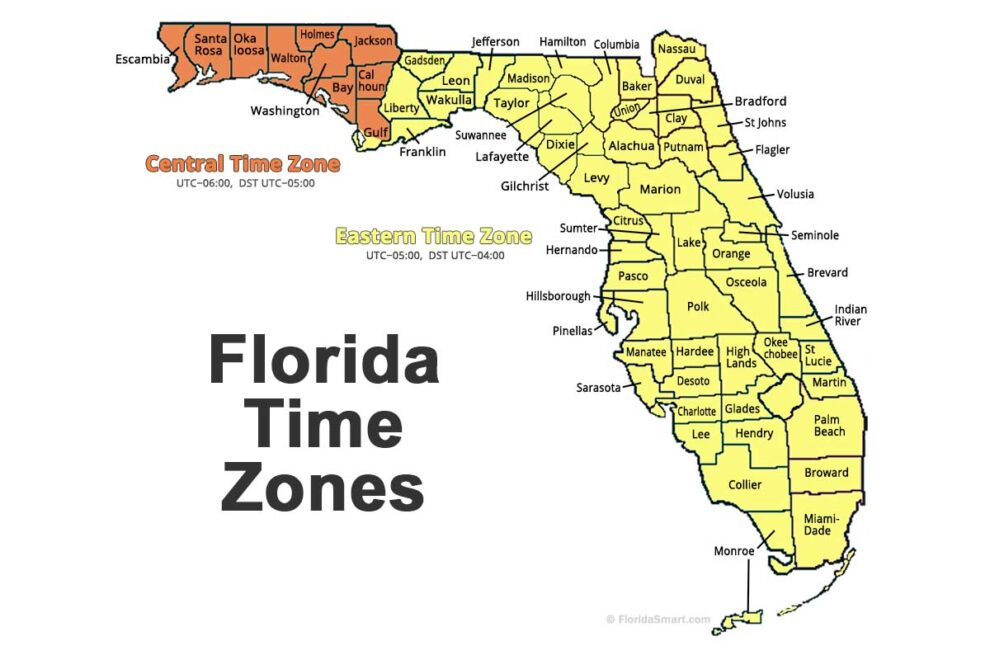
Understanding the geographical distribution of time zones is paramount for anyone planning to traverse the expansive landscapes of Florida. While much of the state observes Eastern Time, a significant portion of its westernmost region, particularly the Florida Panhandle, operates on Central Time. This distinction is a critical piece of information for itinerary planning, ensuring you never miss a beat during your Florida adventure.
Eastern vs. Central: Understanding the Divide
The majority of Florida falls within the Eastern Time Zone. This includes all of South Florida, Central Florida, and most of North Florida. Cities like Miami, Orlando, Tampa, Jacksonville, Sarasota, Fort Lauderdale, Naples, and the entire chain of the Florida Keys operate on Eastern Standard Time (EST) during winter months and Eastern Daylight Time (EDT) during Daylight Saving Time. When it’s noon in New York City, it’s noon in Miami. This uniformity across the peninsula simplifies travel within these popular tourist corridors.
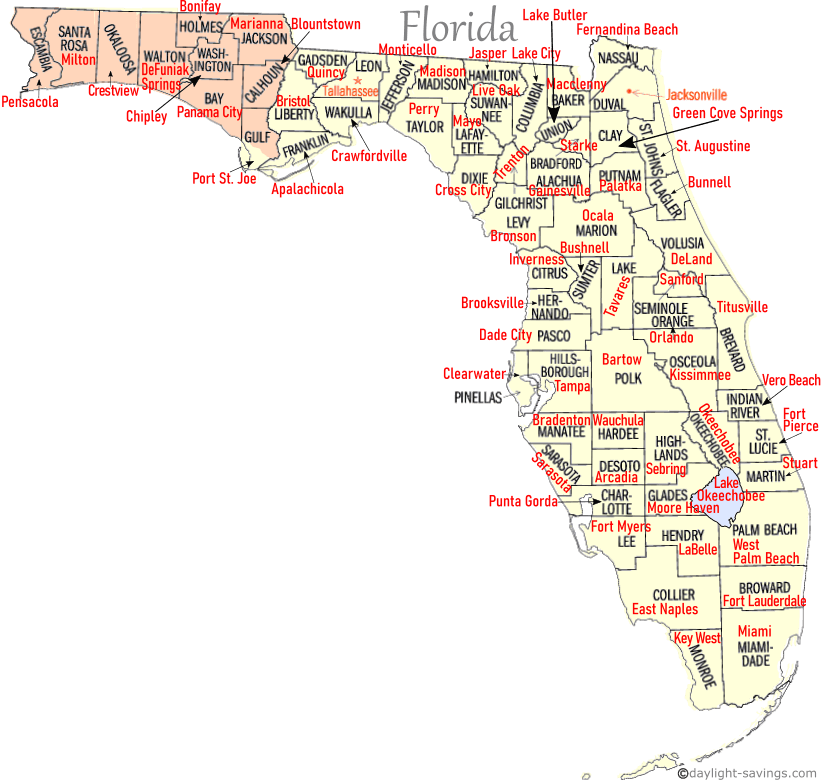
However, the western edge of the Florida Panhandle observes the Central Time Zone. The dividing line generally runs along the Apalachicola River. This means that counties west of the river, including Bay, Calhoun, Escambia, Holmes, Jackson, Okaloosa, Santa Rosa, Walton, and Washington counties, are one hour behind the rest of the state. Prominent cities and areas such as Pensacola, Panama City, Destin, and Fort Walton Beach are all on Central Time. If it’s noon in Orlando, it’s 11 AM in Pensacola.
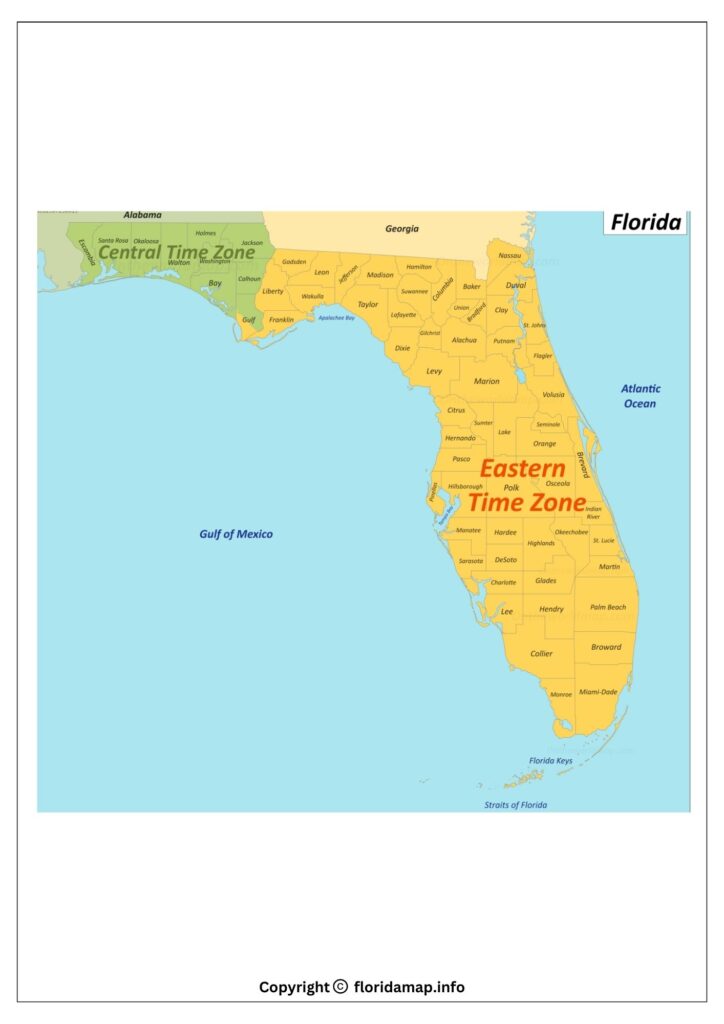
This seemingly small difference can have significant implications. For instance, if you’re driving from Tallahassee (Eastern Time) to Panama City (Central Time), you’ll gain an hour upon crossing the time zone boundary. Conversely, traveling eastward means losing an hour. This shift is crucial for catching flights, making hotel check-in times, or arriving for timed entry to attractions. Many online booking platforms and GPS systems automatically adjust for time zones, but it’s always wise to double-check and be aware, especially when dealing with flights that might originate or terminate in different time zones.
Daylight Saving Time in Florida
Like most of the United States, Florida observes Daylight Saving Time. On the second Sunday in March, clocks “spring forward” an hour, transitioning from EST to Eastern Daylight Time (EDT) and from CST to Central Daylight Time (CDT). Clocks then “fall back” an hour on the first Sunday in November, returning to standard time.
While there have been discussions and even legislative attempts in Florida to make Daylight Saving Time permanent, thus eliminating the biannual clock changes, this change would require Congressional approval and has not yet been implemented. Therefore, travelers should always account for the spring forward and fall back dates when planning their trips. This adjustment primarily impacts the number of daylight hours available in the evening, which can be a boon for tourists looking to enjoy extended beach days or theme park visits after work or school hours. For instance, during EDT, Orlando’s attractions stay open later into the brighter evenings, enhancing the tourism experience.
Time-Sensitive Travel: Maximizing Your Florida Experience
Beyond simply knowing the current time, understanding how time zones and time management impact your travel plans is key to unlocking the full potential of your Florida adventure. From strategic itinerary planning to mitigating the effects of jet lag, every minute counts in the Sunshine State.
Planning Your Itinerary: From Sunrise to Sunset
Effective itinerary planning in Florida hinges on a clear understanding of time. When booking flights, particularly those with connections or arrivals in the Panhandle, ensure you’re aware of the local arrival time. A flight departing from Atlanta (Eastern Time) to Pensacola (Central Time) might show a shorter flight duration if you don’t account for the hour gained. Conversely, departing Pensacola for Orlando means you’ll lose an hour, making a 9 AM flight effectively a 10 AM arrival.
For accommodations, check-in and check-out times are almost universally based on the local time zone of the hotel or resort. If you’re staying at a luxury resort in Naples (Eastern Time) and planning to visit family in Destin (Central Time), be mindful of the one-hour difference when coordinating arrival and departure. Many hotels, from boutique stays in Key West to sprawling suites in Orlando, offer amenities like early check-in or late check-out, often for a fee, which can be invaluable when dealing with time zone shifts or odd flight schedules. Booking these in advance, especially during peak season, can save considerable stress.
When it comes to tourism and attractions, time is of the essence. Theme parks like Walt Disney World Resort and Busch Gardens Tampa Bay have strict opening and closing hours, and many popular shows or parades are scheduled at specific times. The Kennedy Space Center Visitor Complex offers specific launch viewing times, which are, of course, absolutely time-critical. Restaurant reservations, especially for popular dining spots in South Beach Miami or the fine dining establishments of Sarasota, also adhere strictly to local time. Even self-guided tours of landmarks like the Castillo de San Marcos in St. Augustine or airboat rides through Everglades National Park have operating hours that must be respected. By meticulously planning your day, leveraging early park entry if offered, and making reservations well in advance, you can optimize your time and avoid unnecessary queues, maximizing your enjoyment of Florida’s countless attractions.
Jet Lag and Transition Tips
For international travelers or those coming from distant parts of North America, jet lag can be a real concern. Arriving in Florida from, say, Europe or the Pacific Northwest often means adjusting to a 3- to 6-hour time difference. While Florida’s laid-back atmosphere helps, mitigating jet lag is crucial for an energetic start to your vacation.
- Adjust Before You Arrive: Try to shift your sleep schedule by an hour or two each day in the days leading up to your trip.
- Stay Hydrated: Drink plenty of water during your flight and upon arrival.
- Embrace the Sun: Natural light helps reset your body clock. Spend time outdoors, especially in the morning, to help your body adjust to the local time. Florida’s abundant sunshine is perfect for this.
- Strategic Napping: If you must nap, keep it short (20-30 minutes) and avoid napping too late in the afternoon.
- Limit Caffeine and Alcohol: These can disrupt sleep patterns.
- Prioritize Sleep: Try to go to bed at a reasonable local hour on your first night, even if you don’t feel tired.
- Use Your Devices Wisely: Set your phone and watch to Florida time as soon as you board your flight. This mental shift can make a difference.
For those traveling between Florida’s own time zones, the transition is less severe but still warrants attention. A one-hour shift isn’t usually enough to cause full-blown jet lag, but it can subtly affect your internal clock. Be particularly mindful if you have early morning commitments or need to catch an early flight after crossing the time zone line. Double-check all appointments, flight times, and reservation confirmations, always clarifying whether they are listed in Eastern or Central Time.
Florida’s Diverse Lifestyle: Where Time Meets Leisure and Business
Florida’s allure isn’t just in its attractions; it’s in the diverse lifestyles it offers, each influenced by the rhythm of the day and, inevitably, by its time zones. From the vibrant pulse of its urban centers to the serene pace of its coastal towns, understanding these temporal nuances enriches the entire Florida experience, catering to both the leisure traveler and the business professional.
The Rhythms of Urban and Coastal Life
The Lifestyle of Florida is incredibly varied, and time plays a significant role in shaping it. In cities like Miami, the day often starts later and extends into the late hours, with renowned restaurants, bars, and clubs thriving well past midnight. The concept of “Miami time” often implies a more relaxed approach to punctuality, though this is changing with its growing international business presence. Conversely, destinations popular with families, such as Orlando, operate on a more structured schedule, with theme parks opening early, bustling with activity all day, and closing after evening spectaculars. Early mornings are common for securing a prime spot for character greetings or popular rides.
Along the stunning coasts, whether on the Atlantic Ocean or the Gulf of Mexico, life often revolves around the sun and tides. Surfers in Cocoa Beach rise with the dawn, while sunset cruises in Key West are meticulously timed for the most picturesque views. For many, the unhurried pace of the Florida Keys or the tranquil beaches of Amelia Island is precisely the appeal, allowing a complete departure from the strictures of a schedule.
Landmarks and Attractions also dictate their own temporal rhythm. The Everglades National Park is best explored in the cooler morning or late afternoon to avoid the midday heat and to spot wildlife when they are most active. Historical sites like the Castillo de San Marcos in St. Augustine or the Vizcaya Museum & Gardens in Miami have specific opening hours, and guided tours operate on schedules. For nature enthusiasts, timing is crucial for witnessing phenomena like sea turtle nesting season (late spring to early fall, primarily at night) or manatee gatherings in warmer waters during winter. Even within the two time zones, these local rhythms add another layer of temporal awareness to the Florida experience.
Business and Connectivity Across Time Zones
Florida’s strategic location makes it a hub for business and international trade, especially with Latin America and the Caribbean. For business travelers, entrepreneurs, or digital nomads choosing Florida as their base, understanding time zones is not just convenient but critical for maintaining connectivity.
Conferencing with colleagues on the West Coast of the United States means a 3-hour difference from Eastern Time, while those in Europe could be 5 or 6 hours ahead. Remote workers enjoying the beaches of Sarasota need to coordinate their schedules to align with their teams’ working hours, often meaning early starts or late finishes. Even within Florida itself, a business meeting scheduled for 10 AM in Tallahassee (Eastern Time) means a 9 AM start for participants joining from Pensacola (Central Time).
This also extends to global communication with family and friends. Keeping track of time differences ensures you don’t call loved ones in the middle of the night or during their busiest work hours. Many modern communication tools offer built-in time zone converters, but a manual check is always a good practice, particularly when scheduling video calls or important virtual meetings. The ability to seamlessly integrate personal lifestyle choices with professional obligations, all while respecting the clock, is a hallmark of successful travel and living in a diverse state like Florida.
Making the Most of Every Moment: A Florida Time-Saver’s Guide
Ultimately, mastering the temporal landscape of Florida is about optimizing your visit, ensuring that every minute contributes to a rich and rewarding experience. From strategic planning to leveraging technology, a proactive approach to time management will elevate your Sunshine State journey.
Strategic Booking and Reservations
Given Florida’s immense popularity, especially during peak seasons like spring break, holidays, and the winter months, strategic booking and reservations are non-negotiable. This is where your understanding of time zones becomes a powerful tool.
- Accommodation: When searching for hotels, resorts, or apartment rentals via platforms like Booking.com or directly through hotel websites (e.g., Hyatt Regency Orlando, The Breakers Palm Beach), confirm the time zone for check-in/check-out. Some long-term stay accommodations might have more flexible hours, but it’s always best to clarify. Booking popular options, especially villas or suites in high-demand areas, months in advance is often necessary, and being aware of booking window opening times (which are often in local time) can give you an edge.
- Flights and Transport: Pay close attention to departure and arrival times, especially when flying into or out of airports in the Panhandle. If you’re renting a car, ensure your pick-up and drop-off times align with your flight schedule, accounting for any time zone changes if applicable.
- Attractions and Dining: For theme parks, guided tours, and popular restaurants, making reservations or purchasing tickets well in advance is critical. Many attractions, like Walt Disney World and Universal Orlando, use timed entry systems or virtual queues, all operating on local time. Missing your slot due to a time zone oversight can lead to disappointment. For exclusive experiences, such as a private yacht charter in Miami or a fishing charter in the Gulf of Mexico, being punctual is not just courteous but often a requirement, as these operations run on tight schedules.
Local Insights and Time-Saving Apps
Embrace modern technology and local knowledge to navigate Florida’s temporal landscape with ease.
- Smartphone Settings: Ensure your smartphone automatically updates its time zone. Most modern devices do this flawlessly, but a quick check in settings can prevent mishaps.
- Time Zone Converter Apps: If you’re frequently communicating with people in different time zones or planning a complex multi-zone itinerary, a dedicated time zone converter app can be incredibly useful.
- Local Event Calendars: Many Florida cities and tourism boards publish online calendars of events, festivals, and activities. Always cross-reference these with your current time zone to avoid missing out on a local fair, a concert in Tampa, or a sporting event in Jacksonville.
- Traffic and Weather Apps: Time can significantly impact traffic conditions, especially around major urban areas and theme parks during rush hour or peak tourist times. Using real-time traffic apps can help you adjust your departure times to avoid delays. Similarly, weather patterns, particularly afternoon thunderstorms, can affect outdoor activities and often have a predictable timing, which local weather apps can help you plan around.
- Theme Park Apps: For those visiting Orlando’s theme parks, official apps provide real-time wait times, show schedules, and dining reservations, all in the park’s local Eastern Time. These are indispensable tools for maximizing your day.
In conclusion, “What is the time now in Florida?” is a question with more depth than meets the eye. From the practicalities of navigating its dual time zones and the observance of Daylight Saving Time to the strategic planning of your itinerary, every temporal detail contributes to the richness of your journey. By understanding the rhythms of its diverse cities, coastal retreats, and natural wonders, and by leveraging smart travel practices, you can ensure that your Florida experience is not just on time, but perfectly unforgettable, allowing you to immerse yourself fully in the endless sunshine and vibrant culture of this captivating state.
LifeOutOfTheBox is a participant in the Amazon Services LLC Associates Program, an affiliate advertising program designed to provide a means for sites to earn advertising fees by advertising and linking to Amazon.com. Amazon, the Amazon logo, AmazonSupply, and the AmazonSupply logo are trademarks of Amazon.com, Inc. or its affiliates. As an Amazon Associate we earn affiliate commissions from qualifying purchases.