
When planning a trip to the Sunshine State, one of the seemingly simple yet crucial details often overlooked is understanding the local time. While the question “What time is it in Florida, America now?” might seem straightforward, Florida’s unique geographical spread means it encompasses not one, but two different time zones. This seemingly minor detail can significantly impact everything from flight schedules and hotel check-ins to dining reservations, attraction visits, and even business communications. For travelers, understanding these nuances is key to a seamless and stress-free experience, whether you’re embarking on a luxurious getaway, a budget-friendly adventure, a family vacation, or a crucial business trip. From the bustling theme parks of Orlando to the serene beaches of the Panhandle, aligning your internal clock with the local time ensures you make the most of every precious moment in this vibrant destination.
Navigating Florida’s Time Zones: A Traveler’s Guide
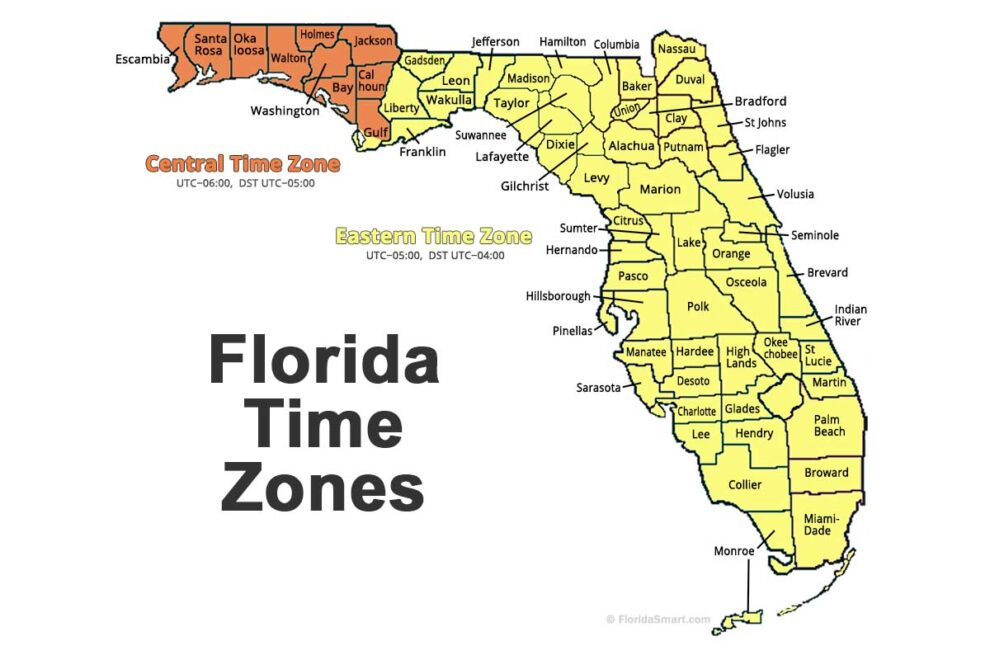
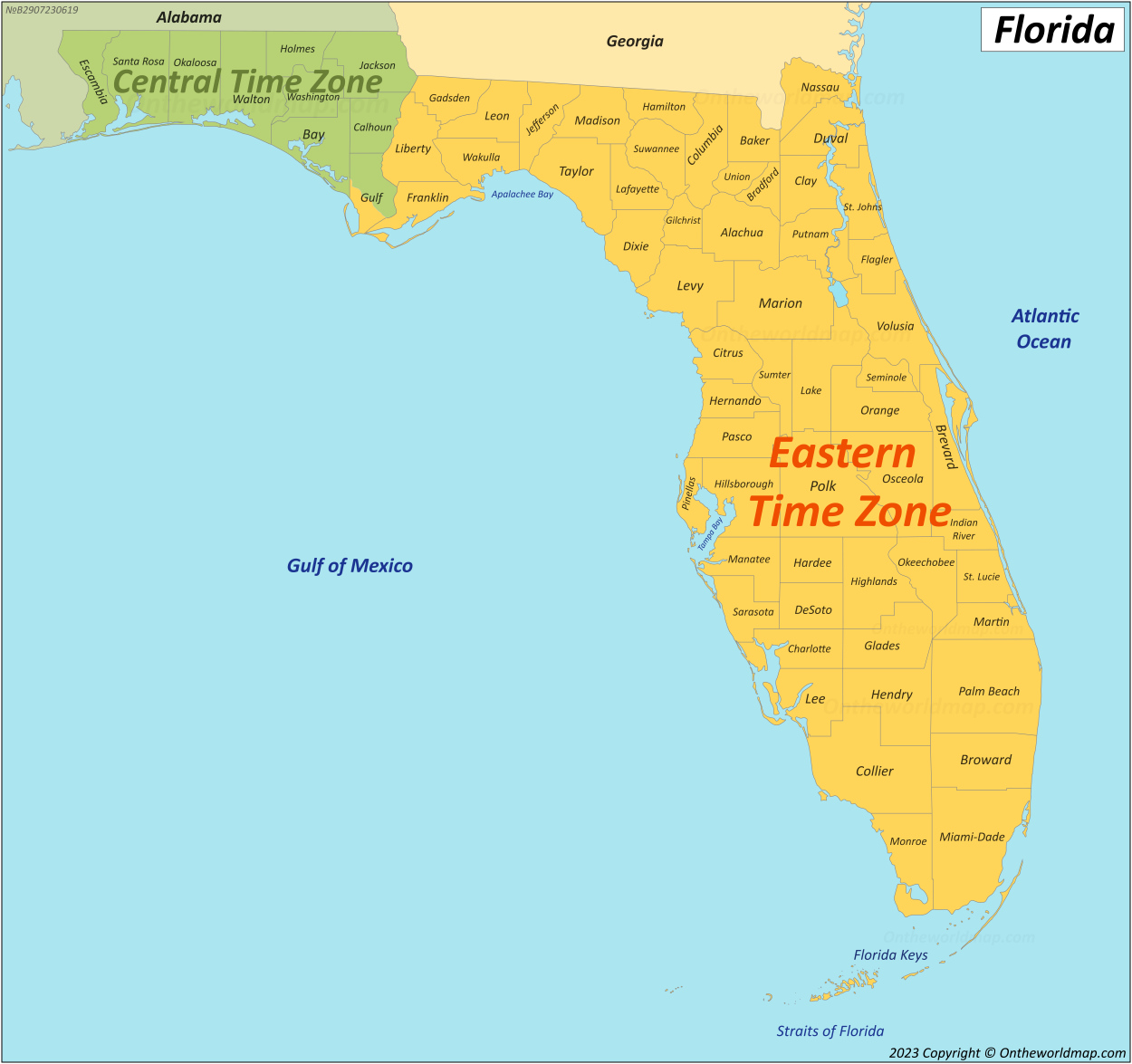
Florida’s position on the southeastern tip of the United States means that the vast majority of the state observes the Eastern Time Zone. However, a distinct western portion of the Panhandle operates on Central Time, creating a fascinating and sometimes challenging temporal divide. Being aware of these distinct zones is fundamental for anyone looking to travel within or to Florida, influencing everything from public transport schedules to the opening hours of landmarks and local businesses.
The Eastern Time Zone Dominance
The dominant time zone across most of Florida is the Eastern Time Zone (ET), which switches to Eastern Daylight Time (EDT) during Daylight Saving Time. This covers the vast majority of the peninsula, including its most famous and heavily visited areas. Cities like Miami, Orlando, Jacksonville, Tampa, and Key West all fall within this zone. This means that if you’re planning to explore the vibrant nightlife of South Beach, experience the magic of Walt Disney World Resort or Universal Orlando Resort, or soak up the sun on Daytona Beach, you’ll be operating on Eastern Time Zone.
For international travelers or those coming from the western United States, this often means adjusting to a significant time difference. During standard time, Eastern Time Zone is UTC-5, shifting to UTC-4 during Daylight Saving Time (EDT). This period, typically from the second Sunday in March to the first Sunday in November, means that the sun sets later in the day, extending the time available for outdoor activities and evening entertainment. Understanding this shift is particularly important for planning outdoor excursions or making dinner reservations, as many establishments adjust their hours to accommodate the longer daylight hours. Whether you’re interested in the historical charm of St. Augustine or the space exploration wonders at Kennedy Space Center, all your schedules will adhere to the Eastern Time Zone.

The Panhandle’s Central Time Zone Boundary
The notable exception to Florida’s Eastern Time Zone rule lies within its western Panhandle region. Here, five counties, namely Escambia County, Santa Rosa County, Okaloosa County, Walton County, and the western portions of Bay County and Gulf County, observe the Central Time Zone (CT), transitioning to Central Daylight Time (CDT) during Daylight Saving Time. This means these areas are one hour behind the rest of the state.
For travelers driving across the Panhandle, particularly along Interstate 10, crossing this time zone boundary can be a surprise if unprepared. Imagine driving from Tallahassee, which is in the Eastern Time Zone, towards Pensacola, located in the Central Time Zone. You would effectively “gain” an hour as you cross the county line, which is fantastic news for reaching a sunset destination, but could be problematic if you have a scheduled appointment, flight, or hotel check-in. Conversely, driving eastward through the Panhandle means losing an hour. This distinction is vital for those exploring the beautiful Gulf Coast beaches of Destin or Panama City Beach, both of which are within the Central Time Zone. Always double-check your itinerary, especially when booking tours or making reservations in these specific counties, to avoid any time-related mishaps.
Time and Travel Planning: Optimizing Your Florida Experience
Understanding Florida’s time zones isn’t just a matter of curiosity; it’s a fundamental aspect of efficient travel planning that affects everything from your initial booking to your daily activities. Integrating this knowledge into your planning process can prevent missteps and ensure a smoother, more enjoyable trip, aligning with the core principles of effective tourism and accommodation management.
Booking Accommodation and Flights
When arranging your trip to Florida, the local time zones directly influence your travel logistics. For flights, arrival and departure times are always listed in the local time of the airport. This means a flight departing Miami International Airport (ET) at 3:00 PM and arriving in Pensacola International Airport (CT) at 4:00 PM would actually be a two-hour flight, not one, due to the time zone difference. Overlooking this detail could lead to missed connections, late arrivals, or simply unnecessary stress. It’s crucial to confirm that all flight segments, especially connecting flights, account for these time changes.
Similarly, booking accommodation requires attention to the local time. Check-in and check-out times for hotels, resorts, apartments, and villas are strictly enforced in the local time of the property. Arriving an hour early or late for check-in because of a time zone miscalculation in the Panhandle could lead to delays or extra charges. When comparing accommodation options and making your booking, always verify the specific time zone of your chosen location. This is especially pertinent for those booking long-term stays or vacation rentals, where precise timing for key exchanges or service appointments can be critical. Utilizing online booking platforms often helps, as they usually display times in local context, but a quick cross-reference with a world clock app can offer peace of mind.
Scheduling Attractions and Activities
Florida is world-renowned for its diverse range of attractions, from thrilling theme parks to serene natural parks and bustling city landmarks. Every single one of these operates on local time. Imagine planning a magical day at Magic Kingdom, only to miss a key parade or a coveted dining reservation at Epcot because you were operating on the wrong time zone. This scenario is particularly relevant for attractions with timed entry, show schedules, or pre-booked experiences like character dining or special events at Hollywood Studios or Animal Kingdom.
Outside of the theme parks, other activities also demand adherence to local time. A guided tour of The Everglades, a sunset cruise on Biscayne Bay, a deep-sea fishing charter departing from Fort Lauderdale, or a reservation at a top restaurant in Sarasota or Naples will all strictly follow the Eastern Time Zone. Similarly, if you’re exploring the historic downtown of Pensacola, remember that museums, shops, and restaurants there operate on Central Time Zone. For business travelers, meeting schedules, conference start times, and deadlines must be rigorously confirmed against the local time to maintain professionalism and avoid disruptions. Always confirm opening hours and reservation times directly with the venue, noting their specific location and corresponding time zone to ensure a flawless experience.
Lifestyle and Leisure: Embracing Florida Time
Beyond the practicalities of booking and scheduling, understanding Florida’s time zones is integral to fully immersing oneself in the local lifestyle and maximizing leisure opportunities. Whether you’re seeking luxury travel experiences or planning a budget travel adventure, adapting to the local rhythm can significantly enhance your perception and enjoyment of the trip.
Daily Rhythms and Local Culture
The daily rhythm in Florida can vary significantly depending on which time zone you’re in, and how you adjust to it. In the Eastern Time Zone metropolis of Miami, for instance, the vibrant nightlife often extends into the early hours, while mornings might start a little later. Conversely, the Central Time Zone parts of the Panhandle might have a slightly more relaxed pace, with earlier sunsets influencing evening activities. For long-term visitors or those considering relocation, aligning with these local rhythms is key to fitting in and experiencing the true local culture. Meal times, shopping hours, and even peak traffic times are all dictated by the local clock.
Furthermore, if you’re connecting with friends or family outside Florida, especially those in different time zones, always factor in the difference. A casual morning call to a friend in California might mean waking them up in the middle of the night. For remote workers or business professionals on an extended stay, managing virtual meetings across multiple time zones demands careful planning to avoid late-night calls or early-morning rushes. Embracing the local time means more than just setting your watch; it means subtly adjusting your daily patterns to match those around you, leading to a more authentic and enjoyable interaction with your surroundings.
Maximizing Your Vacation: Budget vs. Luxury Travel
Regardless of your travel style—be it luxury travel or budget travel—understanding the time zones helps in optimizing your vacation. For budget travelers, maximizing daylight hours means more opportunities for free or low-cost activities like beach visits, park exploration, or simply strolling through local neighborhoods. Knowing when the sun rises and sets, especially with Daylight Saving Time shifts, allows for strategic planning of outdoor adventures without incurring extra costs for evening entertainment. Taking advantage of off-peak hours at certain attractions, which might be dictated by time-based crowds, can also be a significant cost-saver.
For those indulging in luxury travel, precision timing ensures that every exclusive experience unfolds seamlessly. Private yacht charters, bespoke dining experiences, spa appointments, and VIP tours are often meticulously scheduled. A miscalculation in time zones could throw off a perfectly curated itinerary, potentially leading to missed opportunities or additional charges. Even for family trips, especially with young children, managing jet lag (if arriving from a distant time zone) and scheduling naps or early bedtimes around local time can prevent meltdowns and ensure everyone enjoys their vacation. Whether you’re chasing the best sunrise photo op or arranging a late-night reservation at an exclusive Miami Beach restaurant, an awareness of Florida time is your ultimate guide.
Practical Tips for a Seamless Florida Trip
Armed with the knowledge of Florida’s time zones, you’re well on your way to a perfectly planned trip. However, a few practical tips can help solidify your understanding and ensure that you remain effortlessly aligned with local time throughout your stay, enhancing your overall travel and tourism experience.
Technology and Tools
Modern technology is your best friend when navigating time zones. Most smartphones automatically update to the local time zone when you arrive at a new location, provided location services are enabled. However, it’s always a good practice to manually verify this upon arrival. Dedicated world clock applications can be incredibly useful, allowing you to easily track the time in multiple cities simultaneously, including your home city and various points within Florida. These apps are particularly helpful for managing communications with people in different time zones or coordinating intricate multi-city itineraries. Before your trip, download one of these reliable applications and familiarize yourself with its features. Additionally, official websites for hotels, airlines, and attractions typically display their operating hours in local time, which should always be your primary reference point.
Always Double-Check
The golden rule for any traveler in a dual-time zone region like Florida is to always double-check. Confirm all your reservations—be it for accommodation, flights, car rentals, or tours—against the local time zone of that specific location. Don’t assume. A reservation for 7:00 PM could mean 7:00 PM ET or 7:00 PM CT, and the distinction can be significant. If you’re driving across the Panhandle, be especially mindful of the Central Time Zone boundary. Keep an eye on road signs that might indicate a time zone change or set a reminder on your phone to adjust your watch as you cross into the new zone. Taking a few extra moments to verify timing can save you from missed appointments, frustrating delays, or the disappointment of missing out on a planned activity. A well-informed traveler is a happy traveler, and in Florida, being time-aware is a key ingredient to a perfect vacation.
In conclusion, knowing what time it is in Florida is more complex than a simple glance at a clock. The state’s division between the Eastern Time Zone and the Central Time Zone in its Panhandle creates a unique dynamic that savvy travelers must understand. From meticulously planning your flight arrivals and hotel check-ins to perfectly timing your visits to Walt Disney World Resort or a quiet beach in Pensacola, an awareness of local time is paramount. By utilizing technology, double-checking all your schedules, and adapting to the rhythm of your chosen destination, you can ensure a flawless and truly unforgettable experience in the diverse and beautiful landscape of Florida, America.
LifeOutOfTheBox is a participant in the Amazon Services LLC Associates Program, an affiliate advertising program designed to provide a means for sites to earn advertising fees by advertising and linking to Amazon.com. Amazon, the Amazon logo, AmazonSupply, and the AmazonSupply logo are trademarks of Amazon.com, Inc. or its affiliates. As an Amazon Associate we earn affiliate commissions from qualifying purchases.