
Florida, often dubbed the Sunshine State, beckons millions of travelers each year with its pristine beaches, vibrant cities, and world-class attractions. From the magical theme parks of Orlando to the lively shores of Miami, and the historic charm of St. Augustine, this diverse USA destination offers an unparalleled array of experiences. However, for both prospective visitors and those planning local excursions, a fundamental question often arises: “What time is it now in Florida?” While seemingly straightforward, understanding Florida’s time zones is crucial for seamless travel planning, maximizing your enjoyment, and ensuring you’re always in sync with your itinerary.
The answer to this question isn’t a singular one, as the state spans two distinct time zones, further complicated by the observance of Daylight Saving Time. This comprehensive guide will delve into the intricacies of Florida’s time zones, explore their profound impact on travel, accommodation, tourism, and local lifestyle, and provide practical tips for navigating them like a seasoned traveler. Whether you’re booking a flight, reserving a suite at a luxury resort, planning a family trip to Walt Disney World Resort, or considering a long-term stay, being time-aware is your first step towards an unforgettable Florida adventure.
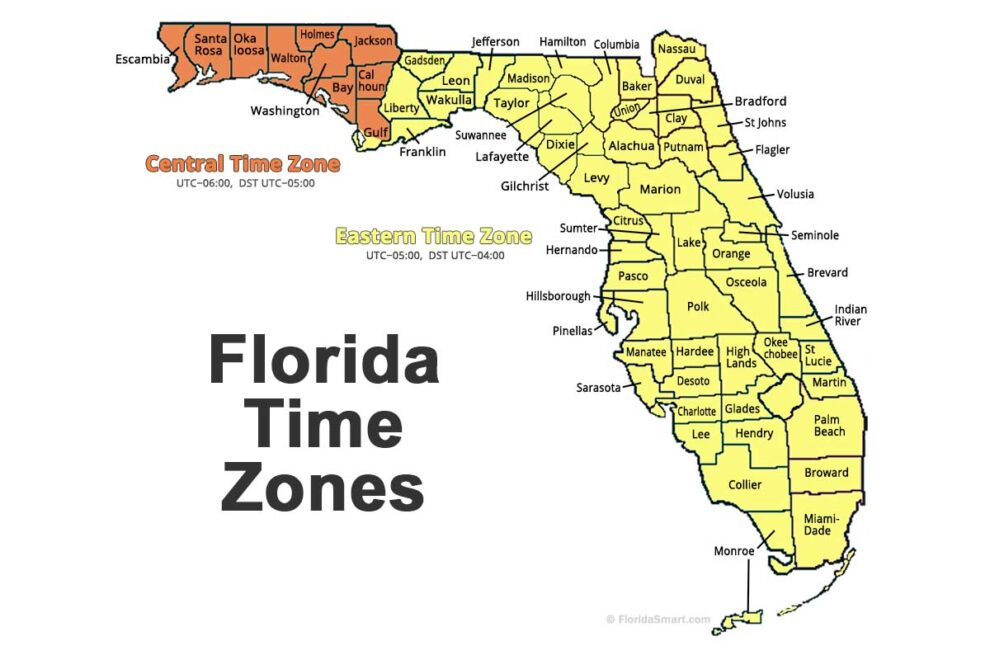
Understanding Florida’s Time Zones: A Traveler’s Essential Guide
To fully appreciate the dynamic rhythm of Florida, it’s imperative to grasp its geographical relationship with standard time. The vast majority of the state operates under one primary time zone, while a significant portion of its western edge observes another. This duality requires careful consideration, especially for those venturing across the state.
Eastern Time Zone Dominance
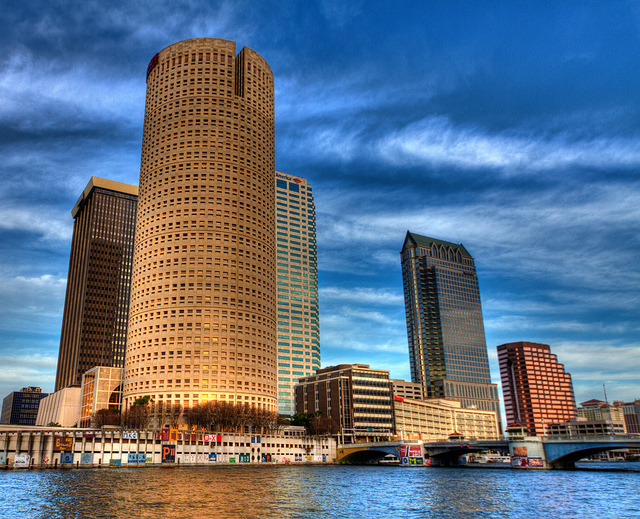
The overwhelming majority of Florida observes the Eastern Time Zone (ET). This includes all the major tourist hubs and metropolitan areas that draw international crowds. Cities like Orlando, home to enchanting theme parks such as Universal Studios Florida and the aforementioned Walt Disney World Resort, operate on Eastern Time. Similarly, the vibrant cultural tapestry of Miami, the historic allure of St. Augustine, the bustling port of Fort Lauderdale, the Gulf Coast charm of Tampa, and the southernmost paradise of Key West all align with ET.
During Standard Time, the Eastern Time Zone is Eastern Standard Time (EST), which is UTC-5 (Coordinated Universal Time minus five hours). When Daylight Saving Time is in effect, it shifts to Eastern Daylight Time (EDT), becoming UTC-4. This change typically occurs on the second Sunday in March when clocks “spring forward” one hour, and reverts on the first Sunday in November when they “fall back.” For anyone arriving from outside this zone, especially international visitors, understanding this offset is critical for avoiding missed connections or late arrivals to pre-booked activities.
The Panhandle’s Central Time Zone Exception
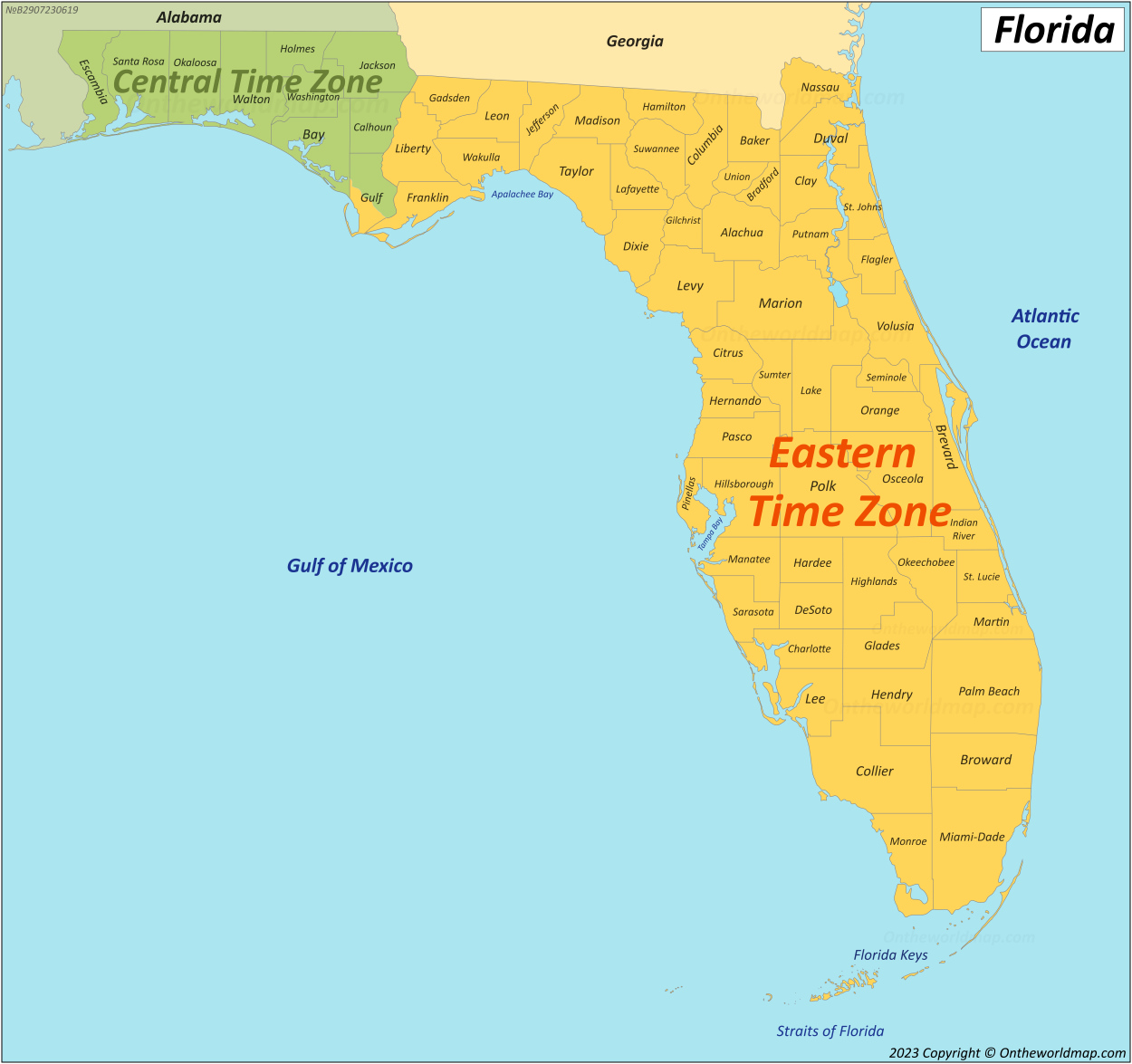
While most of Florida is in ET, a notable exception exists in the western part of the Florida Panhandle. Several counties in this region observe the Central Time Zone (CT). These include Escambia, Santa Rosa, Okaloosa, and Walton counties, as well as portions of Bay and Gulf counties. Key cities in this Central Time portion include Pensacola and Destin. Panama City, another popular destination in the Panhandle, however, largely falls within the Eastern Time Zone, with only a small portion near the western county line adhering to Central Time. This geographical split can be a source of confusion for travelers driving across the Panhandle.
During Standard Time, the Central Time Zone is Central Standard Time (CST), which is UTC-6. When Daylight Saving Time is in effect, it becomes Central Daylight Time (CDT), or UTC-5. This means that at any given moment, the Central Time Zone in Florida is always one hour behind the Eastern Time Zone. For example, if it’s 3:00 PM in Orlando (ET), it will be 2:00 PM in Pensacola (CT). This one-hour difference can significantly impact travel plans, especially if you have tightly scheduled connections or cross-state appointments.
Navigating Daylight Saving Time
Both the Eastern and Central Time Zones in Florida observe Daylight Saving Time (DST). This annual adjustment means that clocks move forward one hour in the spring and back one hour in the fall. While the dates are standardized across the USA, the transition can still catch travelers off guard. The impact of DST extends beyond just knowing the correct time; it affects everything from flight departure and arrival times to the operating hours of attractions and the availability of amenities at your chosen accommodation.
For instance, if you book a tour or a dinner reservation weeks in advance, always double-check the time in relation to the DST transition dates. A booking for 7:00 PM might suddenly feel like 8:00 PM after the “spring forward,” potentially disrupting your sleep schedule or pre-dinner plans. Conversely, gaining an hour in the fall can provide a welcome extra hour of sleep or an extended morning to explore. Modern smartphones and digital devices typically update automatically, but it’s always wise to confirm, especially with non-digital clocks or when dealing with businesses that might not perfectly synchronize.
Planning Your Florida Journey: Time’s Influence on Travel & Accommodation
Understanding Florida’s time zones is more than just academic knowledge; it’s a practical tool that shapes every aspect of your travel experience. From the moment you begin planning your trip to the final farewell, time considerations are paramount.
Flight Schedules and Airport Logistics
Air travel to and within Florida is directly influenced by time zones. When booking flights, particularly those with connections, pay close attention to the local times listed for departures and arrivals. A flight departing Pensacola (CT) at 9:00 AM and arriving in Orlando (ET) at 11:00 AM might only be a one-hour flight, despite the two-hour apparent difference, due to crossing the time zone boundary. Miscalculating this can lead to missed connections, undue stress, or an unexpected wait at the airport. Major international airports like Orlando International Airport (MCO), Miami International Airport (MIA), and Tampa International Airport (TPA) all operate on Eastern Time. For those flying into or out of Northwest Florida Beaches International Airport (ECP) near Panama City, it’s essential to remember that while the airport is officially in ET, nearby regions might be in CT, necessitating careful planning for ground transportation.
Hotel Check-ins and Resort Stays
Accommodation logistics, whether you’re staying at a sprawling resort like The Breakers Palm Beach or a boutique hotel in Sarasota, are tightly linked to local time. Standard check-in times (often 3:00 PM or 4:00 PM) and check-out times (typically 11:00 AM or 12:00 PM) are always based on the hotel’s local time zone. If you’re arriving from a different time zone, especially if you’ve crossed multiple zones, consider how this will affect your arrival. An early morning flight from the West Coast USA to Miami means you’ve likely lost three hours, making an 8:00 AM arrival feel like 5:00 AM to your body, and potentially leaving you with several hours to wait before your room is ready.
Many establishments, from budget-friendly apartments to luxurious villas, offer amenities like 24-hour reception, early check-in, or late check-out options, often for an additional fee. Communicating your expected arrival time and time zone adjustments with your accommodation provider in advance can significantly enhance your experience. For long-term stays, establishing a routine quickly aligned with local time is paramount for comfort and productivity.
Optimizing Attraction Visits and Tour Bookings
Florida’s fame is largely built on its incredible array of attractions and activities. Theme parks, museums, historical landmarks like the Art Deco Historic District in Miami Beach, and natural wonders such as Everglades National Park all operate on strict schedules. A missed time slot for a character dining experience at Walt Disney World Resort or a boat tour in Key West can mean significant disappointment.
When booking tickets or making reservations for guided tours, always confirm the operating hours and showtimes in the local time zone. This is especially pertinent for timed entry attractions or specific event schedules. For example, if you’re visiting Busch Gardens Tampa Bay, all showtimes and ride schedules will be in Eastern Time. If you plan to visit a landmark in Pensacola from a base in Orlando, remember that the attraction in Pensacola will open and close one hour earlier by your Orlando clock. For guided tours, ensure you know the designated meeting time and location, accounting for any time zone changes if traveling from a different part of the state.
Local Lifestyle and Tourism: Experiencing Florida by the Clock
Beyond travel logistics, time zones intricately weave into the fabric of daily life and the vibrant tourism scene across Florida. Understanding this rhythm allows for a deeper, more authentic immersion into the local culture.
Dining, Nightlife, and Cultural Events
Florida’s culinary scene, dynamic nightlife, and rich cultural events are all time-sensitive. Dinner reservations, happy hour specials, concert start times, and theater curtains all adhere to local clocks. In Miami, the renowned South Beach nightlife often kicks off later than in other cities, with peak activity well into the early morning hours, reflecting the local preference for late dining and entertainment. Similarly, cultural festivals and local markets in Jacksonville or Gainesville will have specific start and end times that define your day.
If you are crossing time zones within Florida, for instance, driving from Tallahassee (ET) to Destin (CT), remember to adjust your internal clock and reservations accordingly. A 7:00 PM dinner reservation in Destin will feel like 8:00 PM if your body is still on Eastern Time, potentially impacting your appetite or energy levels.
Business Travel and Productivity Across Zones
For business travelers, time zone management in Florida can be particularly critical. Meetings, conferences, and deadlines are non-negotiable. Whether attending a convention at the Orange County Convention Center in Orlando or engaging in coastal development projects near Naples, punctuality is paramount. Business operations across the state, even within the same company, must account for the Eastern and Central Time split. Communication between offices in Miami and Pensacola always involves a one-hour difference, requiring careful scheduling of calls and virtual meetings.
Beyond internal coordination, businesses often interact with clients and partners across the USA and internationally. Being based in ET or CT means specific offsets to Mountain Time, Pacific Time, or European time zones, impacting work-life balance and the window for effective communication. Understanding these nuances helps business travelers maintain productivity and meet their objectives efficiently.
Family Fun and Leisure Activities
Florida is a premier destination for family trips and leisure activities. From exploring Dry Tortugas National Park to enjoying the racing heritage of Daytona Beach, timing plays a pivotal role in the enjoyment of these experiences. Families often operate on tight schedules, especially with young children, where meal times, nap times, and bedtimes are crucial. A sudden time zone change or the impact of Daylight Saving Time can disrupt these routines, leading to overtired children and stressed parents.
When planning activities like visiting the Kennedy Space Center Visitor Complex or spending a day at the beach, consider the best times to avoid crowds or the hottest parts of the day. Early mornings are often ideal for theme park entry, while sunsets over the Gulf Coast offer breathtaking evening views. Synchronizing family watches and devices to local time immediately upon arrival can help everyone adjust more quickly and seamlessly.
Practical Tips for Time Zone Management
Navigating time zones in Florida doesn’t have to be a source of stress. With a few smart strategies, you can ensure your trip runs smoothly and that you maximize every precious moment of your Sunshine State getaway.
Tools and Apps for Seamless Transitions
Modern technology is your best friend when it comes to managing time zones. Most smartphones automatically update to the local time based on your device’s location services. However, it’s always prudent to double-check this feature is enabled, especially when crossing the ET/CT boundary in the Panhandle. World clock apps can display multiple time zones simultaneously, allowing you to easily compare current times in Orlando, Pensacola, and your home city. This is invaluable for coordinating with family or colleagues not traveling with you. Setting alarms for specific local times, rather than trying to calculate the difference from your home time, also reduces the chance of errors.
For those traveling long distances, wearable technology like smartwatches can also be set to automatically update, providing a quick glance at the correct local time without needing to pull out your phone. Before you depart, a quick online search for “current time in Miami” or “time in Panama City” will give you the precise local time, including any Daylight Saving adjustments.
Adjusting to Jet Lag and Maximizing Your Stay
For travelers arriving from distant time zones, particularly those crossing multiple ones, jet lag can be a significant hurdle. Florida‘s time zones, being GMT-4/5 and GMT-5/6 (during DST/Standard), mean that travelers from the West Coast USA will typically “lose” three hours, while those from Europe will experience a five to six-hour difference. To mitigate jet lag:
- Adjust Before You Go: A few days before your trip, try to shift your sleep schedule closer to Florida’s time zone.
- Hydrate: Drink plenty of water and avoid excessive alcohol or caffeine, which can exacerbate jet lag symptoms.
- Embrace Local Time: As soon as you arrive, try to live by the local clock. If it’s daytime, seek sunlight; if it’s nighttime, try to sleep, even if your body feels otherwise.
- Strategic Naps: If you must nap, keep it short (20-30 minutes) to avoid deeper sleep cycles that can worsen disorientation.
- Morning Light Exposure: Sunlight helps reset your body’s circadian rhythm. Spend time outdoors in the morning to signal to your body that it’s daytime.
By proactively managing time zones and addressing potential jet lag, you ensure that you are alert, energized, and ready to fully immerse yourself in the boundless experiences Florida has to offer. From booking the perfect suite at a Hyatt Regency Orlando to exploring the historic depths of St. Petersburg, every moment counts, and being on time means being in the moment. So, when someone asks, “What time is it now in USA Florida?” you can confidently explain the nuances and enjoy your travels knowing you’re perfectly synchronized.
LifeOutOfTheBox is a participant in the Amazon Services LLC Associates Program, an affiliate advertising program designed to provide a means for sites to earn advertising fees by advertising and linking to Amazon.com. Amazon, the Amazon logo, AmazonSupply, and the AmazonSupply logo are trademarks of Amazon.com, Inc. or its affiliates. As an Amazon Associate we earn affiliate commissions from qualifying purchases.