
For anyone planning a trip to the Sunshine State, whether it’s for a magical family vacation, an exciting business conference, or a tranquil escape, understanding the local time zone is a fundamental aspect of seamless travel. Orlando, Florida, a world-renowned hub for tourism and entertainment in the United States, operates on a specific time standard that impacts everything from flight schedules to theme park visits and dinner reservations. Knowing this crucial detail ensures you arrive prepared and can make the most of every precious moment in this vibrant city.
Understanding Orlando’s Time Zone: Eastern Time
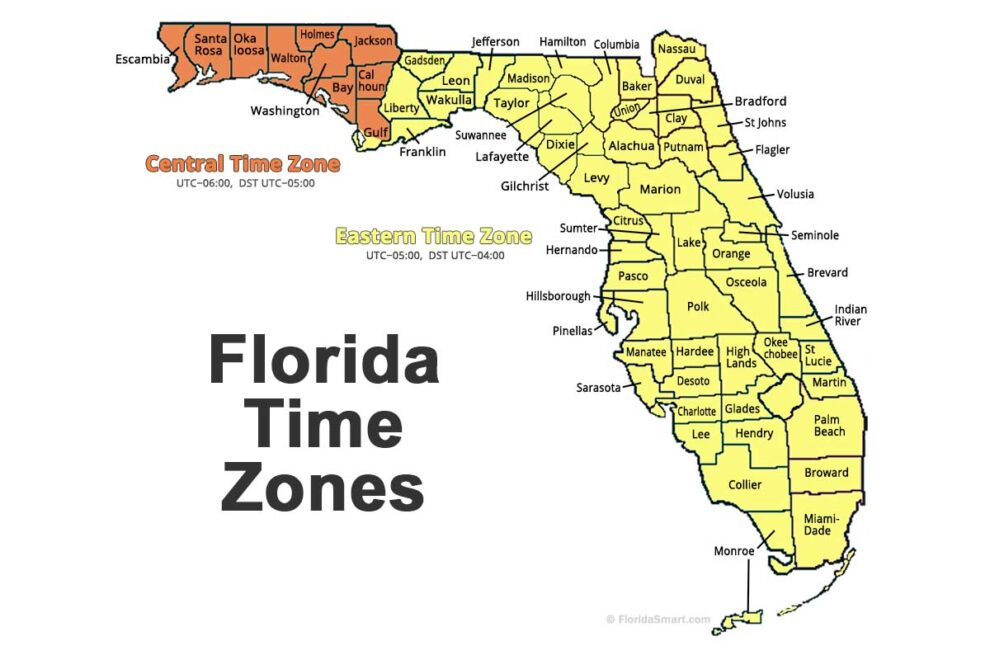
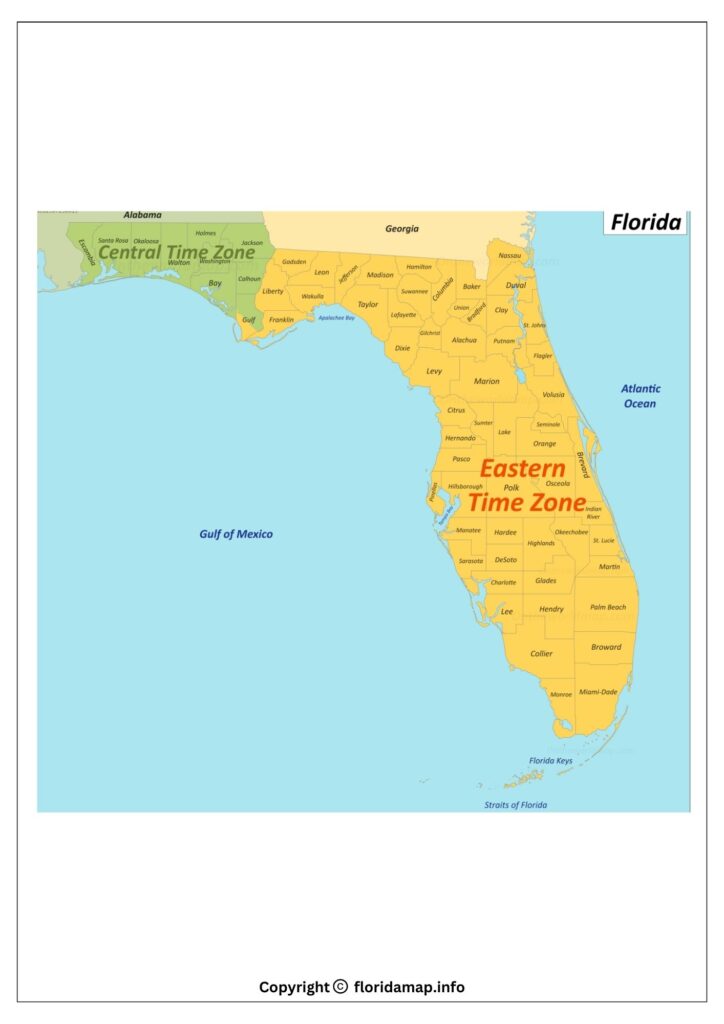
Orlando proudly operates within the Eastern Time (ET) zone. This designation is shared by many states along the East Coast of the United States and parts of Canada and the Caribbean. For travelers coming from regions like Europe, Asia, or even the western United States, this means a potential time difference that needs to be factored into their itinerary. The Eastern Time zone is generally five hours behind Coordinated Universal Time (UTC-5) during standard time and four hours behind during daylight saving time (UTC-4). This positioning means that when the sun rises over the Atlantic Ocean on Florida’s eastern coast, it is still the early hours of the morning for those residing on the west coast, near the Gulf of Mexico, which falls within the Central Time zone. The consistency of the Eastern Time zone across the majority of the state, including major cities like Miami and Jacksonville, simplifies planning for travelers exploring multiple destinations within Florida.
Eastern Standard Time (EST) and Eastern Daylight Time (EDT)
The concept of a time zone isn’t static throughout the year, especially in regions that observe Daylight Saving Time. In Orlando, as in most of Florida, the local time alternates between Eastern Standard Time (EST) and Eastern Daylight Time (EDT).
- Eastern Standard Time (EST): This is the default setting for the Eastern Time zone during the colder months, typically from early November to mid-March. During this period, Orlando is five hours behind Coordinated Universal Time (UTC-5). This means that if it’s 12:00 PM UTC, it’s 7:00 AM in Orlando.
- Eastern Daylight Time (EDT): From mid-March to early November, Orlando observes Eastern Daylight Time. This involves “springing forward” one hour, effectively moving the clock forward to UTC-4. During EDT, if it’s 12:00 PM UTC, it’s 8:00 AM in Orlando. This shift provides an extra hour of daylight in the evenings, which is particularly beneficial for tourism, allowing visitors more time to enjoy outdoor attractions, theme parks, and evening entertainment.
The transition between EST and EDT is a routine occurrence, but it’s crucial for visitors to be aware of the exact dates of these changes, especially if their trip overlaps with them. Modern smartphones and smartwatches typically adjust automatically, but it’s always wise to double-check, particularly for travelers relying on older devices or making precise plans.
The Impact of Daylight Saving Time in Orlando
Daylight Saving Time has a significant, largely positive, impact on the lifestyle and tourism experience in Orlando. The primary benefit is the extended daylight hours in the evening. For a city built on attractions and outdoor activities, this extra hour allows theme parks like Walt Disney World Resort and Universal Orlando Resort to operate longer into the evening, offering more time for rides, shows, and fireworks spectaculars. Families can enjoy dinner later and still have ample daylight for a leisurely stroll or perhaps a final ride before heading back to their accommodation.
Beyond theme parks, the longer daylight hours enhance the overall visitor experience by allowing for more comfortable exploration of outdoor landmarks and natural attractions. Imagine enjoying a sunset over Lake Eola Park or exploring the shops and restaurants along International Drive with the benefit of natural light. For those interested in local culture and food, the extended evenings facilitate longer food festivals, outdoor markets, and community events that thrive in the pleasant Florida evenings.
However, the “spring forward” adjustment can sometimes lead to minor disruptions, particularly for those arriving on the day of the change. It’s a subtle shift, but it can affect early morning flight departures or meticulously planned park entry times. Conversely, the “fall back” transition, when clocks gain an hour, can offer a welcome extra hour of sleep or an early start to the day, though it does mean earlier sunsets. Being aware of these changes ensures travelers can adjust their schedules accordingly and avoid any unexpected delays or missed opportunities.
Why Knowing Orlando’s Time Zone is Crucial for Travelers
Understanding Orlando’s time zone is not merely a trivial detail; it’s a cornerstone of effective travel planning and a key factor in maximizing the enjoyment of your trip. From the moment you book your flights to the minute you depart, the local time impacts countless logistical and experiential elements of your vacation or business stay. This awareness helps in combating jet lag, coordinating with friends and family, and ensuring you don’t miss out on any of the incredible experiences Orlando has to offer. For a city that prides itself on precision in its entertainment schedules and efficient guest services, aligning with the local clock is paramount for any visitor.

Planning Your Arrival and Departure
The most immediate impact of Orlando’s time zone will be felt upon your arrival and departure. Flight schedules are always presented in local time for both origin and destination. If you’re flying from a different time zone, especially one several hours away, accurately calculating your arrival time can be tricky without a clear understanding of the difference. For instance, a flight from Los Angeles (Pacific Time, three hours behind ET) departing at 8:00 AM PST might arrive in Orlando (ET) at 4:00 PM ET, making it an eight-hour journey. Miscalculation could lead to issues with airport transfers, rental car pickups, or checking into your accommodation.
Similarly, when departing, it’s essential to confirm your flight time in Orlando’s Eastern Time. Missing a flight because you misjudged the time difference can turn a fantastic trip into a logistical nightmare. For travelers using Orlando International Airport (MCO) or the smaller Sanford International Airport (SFB), punctuality is key, and the local time dictates everything from check-in deadlines to security screening schedules. Hotels often have strict check-in and check-out times, which are also based on local time. Coordinating your arrival time with your accommodation’s policies is vital to avoid waiting for your room or incurring extra charges.
Maximizing Your Theme Park Experience
Orlando is synonymous with world-class theme parks, and these attractions operate on incredibly precise schedules. From the opening gates of Magic Kingdom to the last fireworks at Epcot, every showtime, parade, and ride queue operates strictly on Eastern Time. Missing a specific show or a coveted dining reservation inside a park can be a major disappointment, especially if you’ve been planning it for months.
Many visitors utilize digital tools or apps to plan their day at Walt Disney World Resort, Universal Orlando Resort, or SeaWorld Orlando. These apps display real-time wait times, show schedules, and character meet-and-greet opportunities, all in local Orlando time. Being off by even an hour can disrupt your carefully crafted itinerary. For example, if you’ve booked a virtual queue return time for an attraction at Disney’s Hollywood Studios or a Universal Express Pass for Universal Studios Florida, adherence to the specified time is critical to guarantee your spot. Knowing the exact local time helps you strategize your park entry, popular ride priorities, and when to grab lunch or dinner to avoid peak crowds, ensuring a smoother and more enjoyable visit to these iconic landmarks of fun.
Dining Reservations and Entertainment Schedules
Orlando’s culinary scene is as diverse as its attractions, offering everything from fine dining experiences to casual themed restaurants. Securing reservations at popular eateries, especially during peak season or for character dining experiences, often requires advance booking. These reservation times are always in local Eastern Time. Arriving late due to a time zone miscalculation could result in losing your table or having to wait for a significant period. The same applies to booking tickets for shows at venues like the Dr. Phillips Center for the Performing Arts or sporting events at the Amway Center. The curtain rises and the game starts precisely on local Orlando time. For travelers looking to immerse themselves in local culture, attending these events is a wonderful experience, but it hinges on accurate time management.
Even simpler activities, such as arranging a shuttle service from your hotel to an attraction, planning a round of golf, or scheduling a spa treatment, will all rely on precise adherence to the local clock. Every service provider in Orlando, from tour guides for the Kennedy Space Center Visitor Complex to hotel concierge services, operates on the local time zone, making it an indispensable piece of information for all visitors.
Business Travel and Communication
For individuals traveling to Orlando for business, understanding the local time zone is even more critical. Meetings, conferences, and presentations are meticulously scheduled, and punctuality is paramount. A misstep in time calculation could lead to missed appointments, professional embarrassment, or even financial implications. Orlando hosts numerous conventions and trade shows throughout the year, attracting professionals from around the globe. Coordinating schedules with colleagues, clients, and partners who may be in different time zones requires careful attention to detail.
Beyond internal meetings, communication with colleagues or family back home also necessitates an awareness of time differences. If you’re calling a family member in London (five hours ahead of ET during EST, six hours during EDT) or a colleague in Tokyo (13 hours ahead of ET during EST, 14 hours during EDT), knowing the time difference prevents making calls at inconvenient hours. This careful consideration supports a healthy work-life balance even when traveling for business, allowing you to stay connected without disrupting others. Managing these communications effectively is part of the broader lifestyle of a modern traveler, ensuring personal and professional obligations are met efficiently regardless of geographical distance.
Navigating Time Differences: Tips for a Seamless Orlando Trip
Traveling across time zones can be taxing, leading to the dreaded jet lag and potential scheduling mishaps. However, with a few proactive strategies, you can minimize the impact of time differences and ensure your Orlando vacation or business trip is as smooth and enjoyable as possible. The key lies in preparation and mindful adjustment, allowing your body and your plans to synchronize with the rhythm of Florida’s Eastern Time. Embracing these tips can significantly enhance your travel experience, transforming potential stressors into minor adjustments, and leaving you more energy to explore the magical world that awaits in Orlando.
Adjusting to a New Time Zone
One of the biggest challenges when traveling to a different time zone is adjusting your body clock. Jet lag can manifest as fatigue, difficulty sleeping, irritability, and reduced concentration. Here are some tips to help you acclimate to Orlando’s Eastern Time:
- Start Adjusting Before You Fly: If possible, try to shift your sleep schedule by an hour or two each day in the days leading up to your trip. If traveling east to Orlando, go to bed and wake up earlier. If traveling west, try to stay up later.
- Hydrate and Avoid Alcohol/Caffeine on Flights: Dehydration can exacerbate jet lag symptoms. Drink plenty of water during your flight and limit alcohol and caffeine, which can disrupt sleep patterns.
- Adjust Your Watch Immediately: As soon as you board the plane, or even before, change your watch and electronic devices to Orlando’s local time. This psychological shift can help your brain start the adjustment process.
- Embrace the Daylight: Upon arrival, try to spend time outdoors in natural light, especially in the morning. Sunlight helps regulate your circadian rhythm and signals to your body that it’s daytime. For a city like Orlando, full of outdoor attractions like Epcot and Disney’s Animal Kingdom, this is an enjoyable way to reset your clock.
- Stick to the Local Schedule: Even if you’re tired, try to eat meals and go to bed according to Orlando’s local time. Napping can be tempting, but short naps (20-30 minutes) are better than long ones that might throw off your nighttime sleep.
- Plan a Relaxed First Day: Don’t schedule demanding activities for your first day. Instead, opt for lighter exploration or enjoy the amenities at your hotel or resort. This allows your body some grace period to adapt to the new time.
Utilizing Technology for Time Management
In today’s interconnected world, technology is your best friend when it comes to managing time zones. Modern devices and applications can simplify the complexities of international or cross-country travel.
- Smartphone Auto-Update: Most smartphones automatically detect your location and adjust the time, including factoring in Daylight Saving Time. Ensure this feature is enabled before your trip.
- World Clock Apps: Utilize the world clock feature on your phone or a dedicated app to keep track of the time in your home city and other relevant locations, like where your family or business contacts are situated. This is especially helpful for coordinating communication.
- Digital Itineraries: Store all your bookings – flight times, hotel check-ins, theme park reservations, dining reservations – in a digital format (e.g., Google Calendar, TripIt, or a note-taking app). These often automatically adjust to the local time zone when viewed on your smart device.
- Alarms and Reminders: Set alarms for critical events in Orlando’s local time. This could include wake-up calls, park opening times, showtimes at Universal’s Islands of Adventure, or dinner reservations. For major theme park visits, many official park apps offer personalized itineraries and alerts.
- Wearable Technology: Smartwatches often provide quick access to world clocks and can vibrate with reminders, making it easy to stay on schedule without constantly pulling out your phone.
By combining personal adjustment techniques with the power of technology, you can effectively manage the time difference and ensure your Orlando adventure runs like clockwork.
Beyond the Clock: Experiencing Orlando
While understanding Orlando’s time zone is foundational for planning, the true magic lies in the experiences that await. Orlando is a city designed for memorable moments, whether you’re seeking thrills, relaxation, or cultural enrichment. The time zone is merely the framework within which these experiences unfold. From the incredible themed hotels that transport you to another world to the diverse array of attractions ranging from rollercoasters to serene botanical gardens, Orlando caters to every lifestyle.
Families will find endless entertainment, couples can discover romantic getaways, and business travelers can seamlessly blend work with leisure. The city’s commitment to tourism ensures a plethora of accommodation options, from luxury resorts to budget-friendly apartments, each offering unique amenities. The local culture, while often overshadowed by the major parks, offers its own charm through vibrant communities, local festivals, and a burgeoning food scene that extends beyond the tourist corridors. Orlando’s landmarks aren’t just the famous castles; they include beautiful natural preserves and bustling downtown areas like the one surrounding the Amway Center.
Embrace the rhythm of Eastern Time and dive into the boundless opportunities that Orlando presents. Whether you’re flying across continents or driving a few hours, arriving prepared with an understanding of the local time zone sets the stage for a stress-free and truly unforgettable journey in one of the world’s most beloved destinations.
In conclusion, Orlando, Florida, operates on Eastern Time, shifting between Eastern Standard Time (UTC-5) and Eastern Daylight Time (UTC-4) with the observance of Daylight Saving Time. This seemingly simple fact holds immense importance for travelers, affecting everything from logistics and scheduling to personal well-being and overall trip enjoyment. By understanding and accounting for Orlando’s time zone, visitors can optimize their travel plans, mitigate the effects of jet lag, and fully immerse themselves in the magic and excitement that define this extraordinary Florida city. Plan wisely, adjust your clock, and get ready for an unforgettable adventure where every moment counts.
LifeOutOfTheBox is a participant in the Amazon Services LLC Associates Program, an affiliate advertising program designed to provide a means for sites to earn advertising fees by advertising and linking to Amazon.com. Amazon, the Amazon logo, AmazonSupply, and the AmazonSupply logo are trademarks of Amazon.com, Inc. or its affiliates. As an Amazon Associate we earn affiliate commissions from qualifying purchases.