
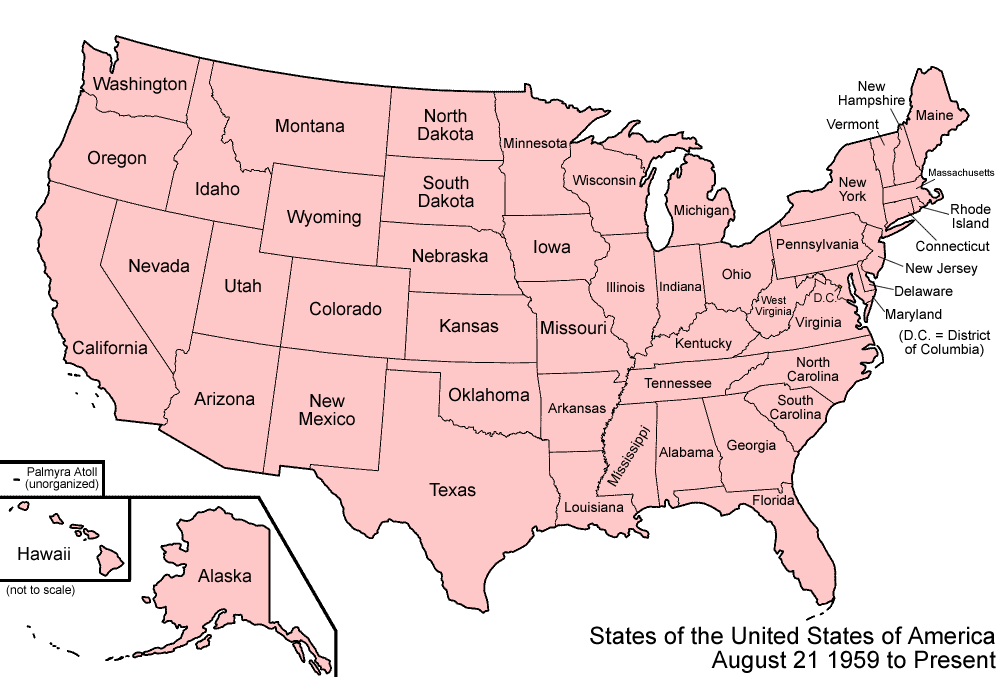
The question “Is Hawaii part of the United States?” might seem straightforward to many, yet it frequently arises, often fueled by Hawaii’s extraordinary geographical isolation, distinct cultural heritage, and exotic allure. Nestled far from the North American mainland, surrounded by the vast Pacific Ocean, Hawaii embodies a vibrant fusion of Polynesian traditions and modern American influences. This unique blend contributes to the perception that it might exist as a separate entity, distinct from the other 49 states. However, the unequivocal answer is yes: Hawaii is indeed the 50th and most recent state to join the United States of America, achieving statehood on August 21, 1959.
Beyond the simple affirmation, understanding Hawaii’s place within the United States involves delving into its rich history, exploring its vibrant cultural landscape, and recognizing its profound significance as a global travel destination. For travelers planning their next escape, recognizing Hawaii’s status as a US state simplifies many logistical aspects, from currency and language to legal frameworks, while still promising an adventure that feels wonderfully world away. This article will unravel the historical journey that led Hawaii to statehood, examine why the question persists, and highlight what its American identity means for visitors and residents alike, all while celebrating the islands’ breathtaking beauty and unique local Hawaiian culture.
Unpacking the Question: Hawaii’s Unique Identity and History
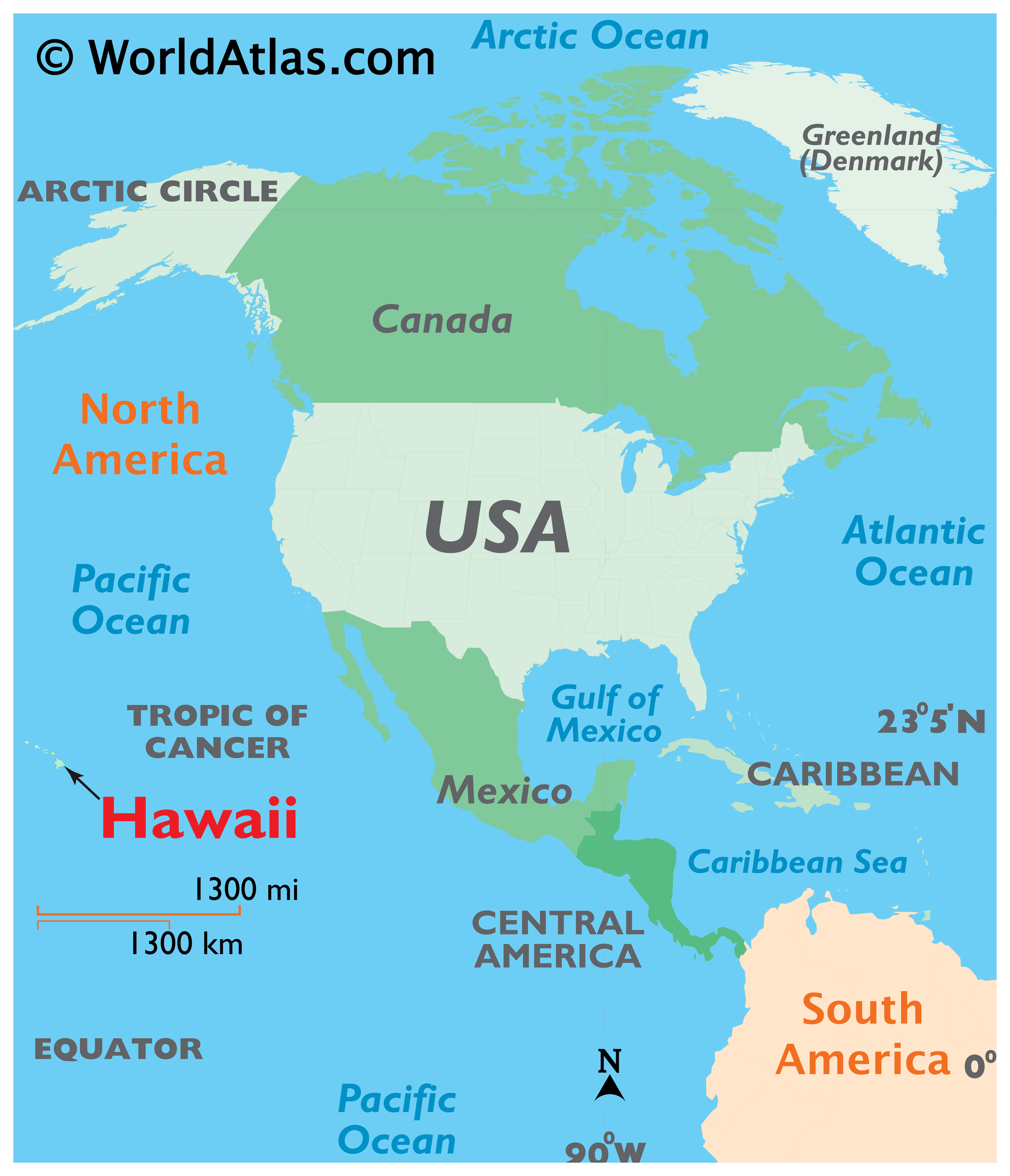
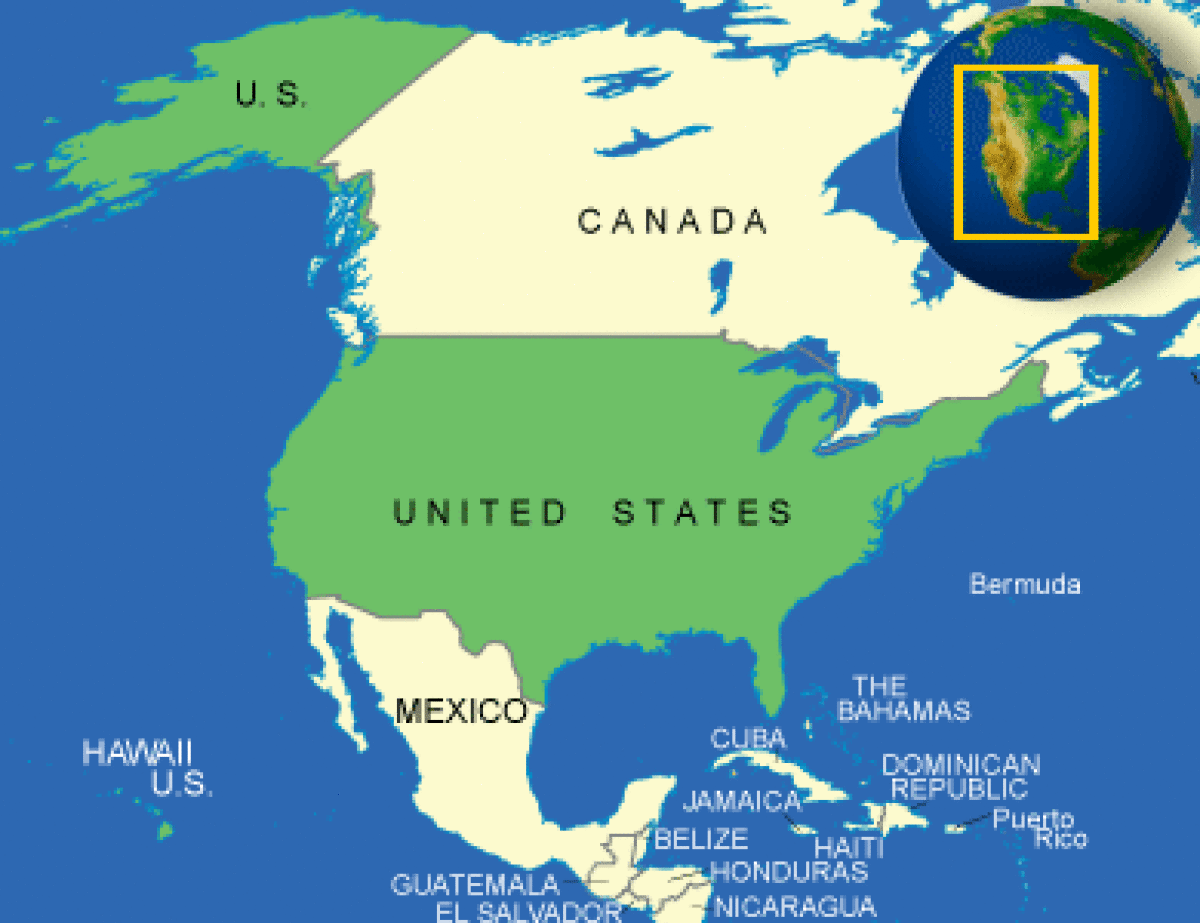
The enduring question about Hawaii’s affiliation stems from a fascinating interplay of geography, history, and culture that sets it apart from its continental counterparts. Unlike Alaska, which shares a land border with Canada and is geographically closer to the contiguous United States in some ways, Hawaii is an archipelago situated roughly 2,400 miles southwest of California. This vast distance contributes significantly to its exotic mystique and fuels the idea that it might be an independent nation or a territory rather than a full-fledged state.
A Brief Journey Through History: From Kingdom to Statehood
The history of Hawaii is a compelling narrative of indigenous royalty, foreign influence, and eventual annexation. Before European contact, the Hawaiian Islands were an independent kingdom with a sophisticated social and political structure, unified under King Kamehameha I in 1810. The arrival of Captain James Cook in 1778 marked the beginning of increased Western contact, bringing missionaries, traders, and eventually, American business interests.
Throughout the 19th century, the kingdom faced growing pressure from foreign powers. American businessmen, particularly those in the sugar industry, gained significant influence. This culminated in the overthrow of the Hawaiian monarchy, led by Queen Liliʻuokalani, in 1893 by a group of American and European residents. Following a brief period as the Republic of Hawaii, the islands were annexed by the United States in 1898, becoming a U.S. territory. For over half a century, Hawaii remained a territory, playing a crucial strategic role, especially during World War II with the attack on Pearl Harbor in Honolulu. The decades following the war saw increased calls for statehood, culminating in its admission to the Union in 1959. This historical trajectory, from a sovereign kingdom to a U.S. territory and finally to a state, is complex and distinct, contributing to the perceived “otherness” that often sparks the initial question about its status.
Why the Confusion? Geography, Culture, and Perception
Beyond its unique history, several factors contribute to the lingering confusion about Hawaii’s American identity. Its location, thousands of miles from the mainland, makes it feel more like an international destination than a domestic one. The vibrant Polynesian culture, with its distinct language (ʻŌlelo Hawaiʻi), traditions, music, and cuisine, stands in stark contrast to the predominantly Euro-American culture found in most other states. Visitors often experience a profound sense of stepping into a different world, far removed from the familiar landscapes of the continental United States.
This cultural richness, combined with its stunning natural beauty and unique ecosystem, creates a perception that Hawaii is somehow separate. Marketing campaigns often emphasize its exotic appeal, highlighting aspects that differentiate it from other American travel destinations rather than integrating it seamlessly into the broader U.S. narrative. While this promotes tourism and celebrates its distinctiveness, it inadvertently reinforces the idea for some that Hawaii might operate under a different national flag. However, despite these unique attributes, Hawaii fully operates as a U.S. state, enjoying all the rights, responsibilities, and protections afforded to every other state in the Union.
Hawaii’s Status as the 50th State: Integration and Impact
As the 50th state, Hawaii is fully integrated into the political, economic, and social fabric of the United States. This integration has profound implications, not just for its residents but also for the millions of travelers who visit its shores annually. Understanding this status is key to appreciating the seamlessness of travel and the benefits of its inclusion in the American system, while still recognizing and celebrating its unique cultural contributions.
Political Integration and Governance
Upon achieving statehood in 1959, Hawaii gained full representation in the U.S. Congress, sending two senators and two representatives to Washington D.C. Its citizens vote in presidential elections, and the state operates under the U.S. Constitution, with its own state constitution and governmental structure mirroring that of other states. The legal system, currency (U.S. dollar), and official language (English, alongside Hawaiian as a co-official language) are all consistent with the rest of the United States. This means that for U.S. citizens, traveling to Hawaii is a domestic trip, requiring no passport, no visa, and no foreign currency exchange, simplifying travel logistics immensely. Federal laws and regulations apply, encompassing everything from environmental protections to consumer rights, providing a familiar framework for both residents and visitors.
Economic Ties and Travel Benefits
Hawaii’s economy is deeply intertwined with that of the United States. Tourism is its largest industry, heavily reliant on both domestic American travelers and international visitors who often enter through US immigration channels. The stability of being part of a major global economy, coupled with strong federal support and infrastructure, has allowed Hawaii to develop a robust tourism sector. U.S. airlines operate numerous direct flights to major Hawaiian islands like Oahu, Maui, Kauai, and the Big Island, making it easily accessible for millions.
For travelers, Hawaii’s statehood translates into unparalleled convenience. Cellular service operates as it would anywhere else in the United States, and credit cards are universally accepted. There’s no need to navigate complex international travel procedures or worry about foreign travel insurance in the same way one might for an overseas trip. This domestic status has profoundly shaped Hawaii’s development as a premier travel destination, allowing it to blend its captivating natural beauty and unique cultural offerings with the ease and familiarity of traveling within the United States. The state benefits from federal funding for infrastructure, education, and defense, while also contributing to the national economy through its vibrant tourism, agriculture, and military sectors.
Experiencing the Aloha State: A US Travel Gem
While politically and economically part of the United States, Hawaii truly shines as a distinctive and beloved US travel destination. It offers an experience that feels simultaneously American and profoundly unique, making it a dream for diverse types of travelers. Whether seeking adventure, relaxation, cultural immersion, or family fun, the Hawaiian Islands deliver an unparalleled escape.
Diverse Landscapes and Iconic Attractions
Each of Hawaii’s main islands—Oahu, Maui, Kauai, and the Big Island (also known as Hawaii Island)—boasts its own personality and an array of iconic attractions. On Oahu, visitors can explore the bustling urban charm of Honolulu, relax on the world-famous sands of Waikiki Beach, hike to the summit of Diamond Head for panoramic views, or pay solemn respects at the USS Arizona Memorial at Pearl Harbor.
Maui beckons with its romantic beaches, lush Road to Hana scenic drive, and the majestic sunrise views from Haleakala National Park. Kauai, the “Garden Isle,” is renowned for its dramatic Na Pali Coast, often explored by boat or helicopter, and the breathtaking grandeur of Waimea Canyon, sometimes called the “Grand Canyon of the Pacific.” The Big Island is a land of extremes, home to Hawaii Volcanoes National Park, where active volcanoes reshape the landscape, alongside snow-capped peaks and black sand beaches. These Hawaiian landmarks are not just points of interest; they are integral to the global appeal of the islands, drawing millions who seek adventure, natural beauty, and historical reflection.
Accommodation and Lifestyle Choices for Every Traveler
As a premier travel destination, Hawaii offers a vast spectrum of accommodation options to suit every taste and budget. From opulent luxury resorts like the Four Seasons Resort Maui at Wailea or the Disney Aulani Resort on Oahu to cozy boutique hotels, charming vacation rentals, and budget-friendly hostels, there’s a place for everyone. Families can find spacious suites or villas, while honeymooners might opt for secluded, romantic bungalows. Many resorts feature world-class amenities, including spas, golf courses, and exquisite dining, catering to a sophisticated lifestyle.
The “lifestyle” aspect of visiting Hawaii extends beyond just where you sleep. It encompasses the relaxed pace, the emphasis on outdoor activities like surfing, snorkeling, hiking, and golf, and the opportunity to immerse oneself in wellness practices. Whether it’s a luxury travel experience with private tours and gourmet meals, a budget-friendly adventure exploring local eateries and free beaches, a family trip designed around kid-friendly attractions, or a business stay combining work with leisure, Hawaii’s infrastructure as a U.S. state supports all these travel styles with ease and efficiency.
Embracing Local Culture and Cuisine
One of the most enriching aspects of a Hawaiian visit is the opportunity to engage with the vibrant local culture. The Aloha Spirit, a philosophy of kindness, hospitality, and mutual respect, permeates daily life. Visitors can experience authentic luaus, where traditional music, hula dancing, and delicious Hawaiian food like kalua pig and poi are shared. The Polynesian Cultural Center on Oahu offers an immersive journey through the diverse cultures of Polynesia, with Hawaii as its central focus.
Hawaiian cuisine is a delicious melting pot of influences, combining indigenous traditions with flavors from Asia, Portugal, and the Americas. From fresh poke bowls and plate lunches to gourmet farm-to-table dining, the food scene is as diverse as the islands themselves. Engaging with local communities, supporting local businesses, and taking the time to learn about the history and customs of the land are invaluable travel tips for any visitor, deepening their appreciation for this unique American state.
Planning Your Hawaiian Escape: What You Need to Know
Given Hawaii’s status as part of the United States, planning a trip offers the best of both worlds: the ease of domestic travel with the excitement of an exotic getaway. However, a few considerations specific to the islands can enhance your experience and ensure a responsible, enjoyable journey.
Travel Logistics and Practicalities
For U.S. citizens, traveling to Hawaii is remarkably straightforward. As mentioned, no passport is required, and domestic flights are plentiful from major U.S. cities, landing at international airports like Honolulu International Airport (HNL) on Oahu, Kahului Airport (OGG) on Maui, Kona International Airport (KOA) on the Big Island, and Lihue Airport (LIH) on Kauai. Inter-island travel is usually via short flights, offering breathtaking aerial views.
Accommodation booking can be done through standard U.S. travel platforms, with a wide range of hotels, resorts, and vacation rentals available for comparison. Rental cars are highly recommended for exploring most islands, though public transportation is available in denser areas like Honolulu. Given Hawaii’s popularity, especially during peak seasons, it’s advisable to book flights and accommodation well in advance. While U.S. currency is used, the cost of living and tourism can be higher than on the mainland due to the necessity of importing many goods. Smart budgeting and planning can help manage expenses, whether you’re aiming for a luxury travel experience or a more budget-conscious trip.
Respecting the Land and Its People
One of the most important aspects of visiting Hawaii is to travel with respect for its fragile environment and rich cultural heritage. The Hawaiian concept of “malama ʻāina” (to care for the land) encourages visitors to be mindful of their impact. This includes adhering to trail regulations when hiking, like on the Kalalau Trail, respecting marine life while snorkeling or diving, using reef-safe sunscreen, and leaving no trace. Learning a few basic Hawaiian phrases like “Aloha” (hello, goodbye, love) and “Mahalo” (thank you) can go a long way in showing appreciation for the local culture.
Supporting local businesses, engaging with cultural experiences offered by native Hawaiians, and understanding the historical context of the islands enrich the travel experience and contribute positively to the community. Hawaii’s status within the United States doesn’t diminish its unique identity; rather, it provides a stable framework within which its distinct culture and breathtaking natural beauty can thrive and be shared with the world.
Conclusion: More Than Just a State, a World of Its Own
So, is Hawaii part of the United States? Absolutely. As the 50th state, it enjoys full political, economic, and social integration into the American Union. Yet, the question persists because Hawaii is undeniably unique—a breathtaking archipelago with a vibrant Polynesian soul, an intricate history, and a geographical remoteness that makes it feel like an escape to another world.
For travelers, this dual identity is its greatest strength. It offers the convenience and familiarity of a domestic U.S. travel destination—no passports for U.S. citizens, consistent currency, and reliable infrastructure—combined with the profound cultural immersion and stunning natural beauty of an exotic paradise. From the historic shores of Pearl Harbor to the active volcanoes of the Big Island, the serene beaches of Maui to the dramatic cliffs of Kauai, Hawaii provides a travel experience unlike any other. It is a testament to the diverse fabric of the United States, a tropical jewel that embodies the spirit of Aloha while proudly waving the American flag. Planning a trip to Hawaii means preparing for an adventure where American ease meets island enchantment, promising memories that will last a lifetime.
LifeOutOfTheBox is a participant in the Amazon Services LLC Associates Program, an affiliate advertising program designed to provide a means for sites to earn advertising fees by advertising and linking to Amazon.com. Amazon, the Amazon logo, AmazonSupply, and the AmazonSupply logo are trademarks of Amazon.com, Inc. or its affiliates. As an Amazon Associate we earn affiliate commissions from qualifying purchases.