
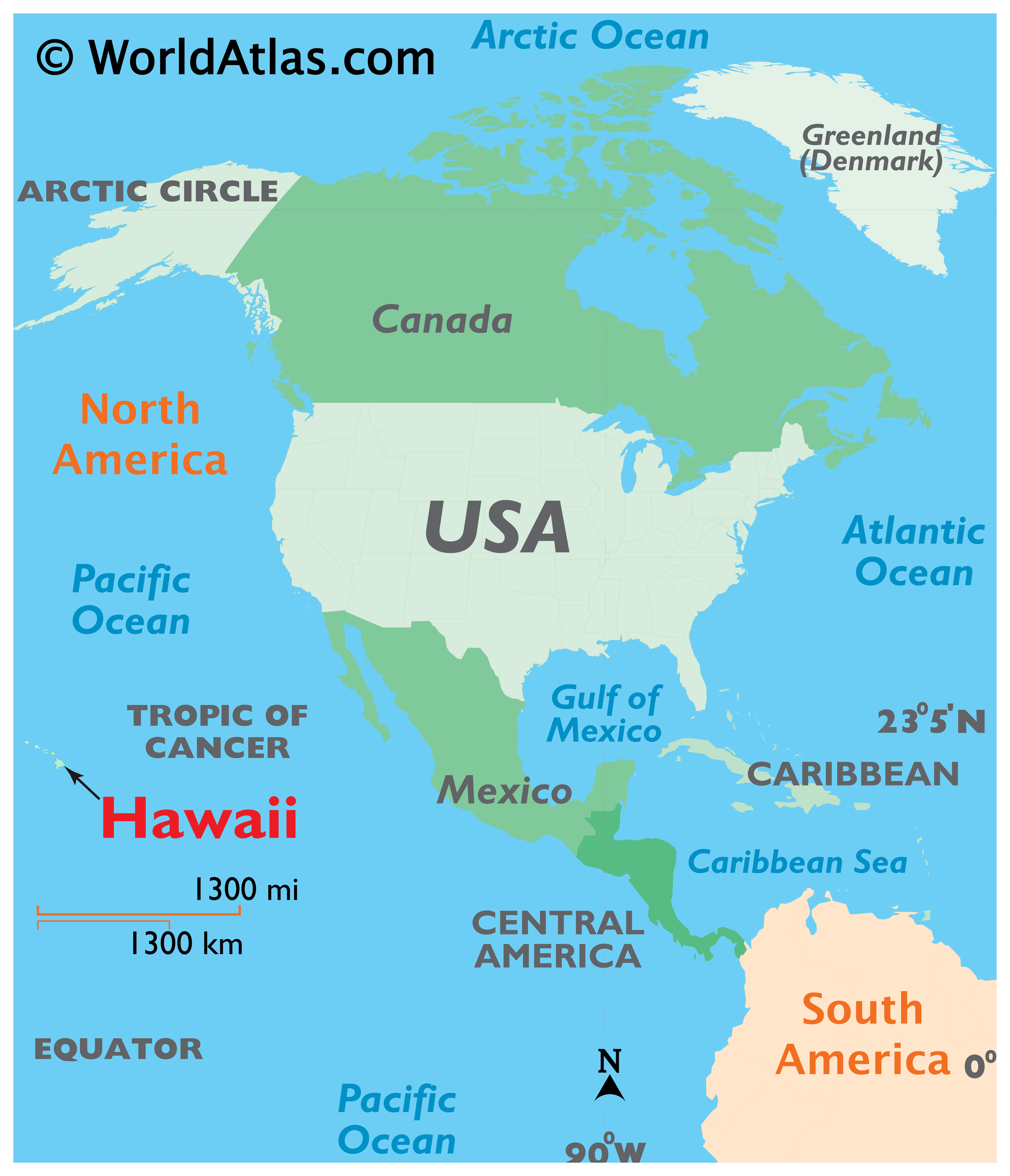
The question “Is Hawaii State Of America?” is one often posed by curious travelers and those interested in geography and history alike. The unequivocal answer is a resounding yes. Hawaii proudly stands as the 50th state of the United States, a status it achieved on August 21, 1959. Far from being an independent nation or simply a U.S. territory, Hawaii is an integral part of the American fabric, albeit one with a uniquely distinct culture, history, and geographical allure. Its inclusion as a state brought with it full representation in the U.S. Congress, the right for its citizens to vote in presidential elections, and all the responsibilities and privileges that come with statehood.
This profound connection to the United States is fundamental to understanding Hawaii’s appeal as a premier travel destination, its robust tourism industry, and the vibrant lifestyle it offers. From its sun-drenched beaches and active volcanoes to its world-class resorts and deeply rooted traditions, Hawaii presents a captivating blend of American convenience and exotic charm. For anyone planning a trip, seeking luxurious accommodation, or simply wanting to delve into a rich cultural tapestry, understanding Hawaii’s statehood is the first step to appreciating its many facets.
A Definitive Yes: Hawaii’s Journey to Statehood
The journey of Hawaii from an isolated kingdom in the Pacific Ocean to a full-fledged U.S. state is a compelling narrative of geopolitical shifts, cultural preservation, and the pursuit of political representation. This historical backdrop not only clarifies its current status but also enriches the experience of every visitor, offering deeper insights into the islands’ identity.
From Kingdom to Territory
For centuries, the Hawaiian Islands flourished as an independent kingdom, ruled by a succession of monarchs who united the islands and established a sophisticated society. The arrival of Western explorers in the late 18th century marked the beginning of significant changes, leading to increased foreign influence, particularly from American missionaries and businessmen. The strategic location of Hawaii in the central Pacific made it a focal point for maritime trade and military interests, especially for the United States.
The monarchy, led by figures like King Kamehameha I and later Queen Liliʻuokalani, struggled to maintain sovereignty amidst growing pressure. In 1893, a group of American and European businessmen, supported by the U.S. military, overthrew the Hawaiian monarchy. This event led to the establishment of the Republic of Hawaii, with Sanford B. Dole serving as its first president. Five years later, in 1898, the United States formally annexed Hawaii, transforming it into a U.S. territory. This period was marked by significant economic development, particularly in sugar and pineapple plantations, drawing a diverse workforce from Asia and Europe, which profoundly shaped the islands’ demographic and cultural landscape.
The Road to the 50th Star
The path from territory to statehood was protracted, spanning over six decades. Throughout this period, Hawaii’s residents, despite being U.S. citizens, lacked full voting rights in national elections and had limited representation in Congress. The desire for statehood was strong among many Hawaiians, driven by a wish for equal rights and increased political autonomy.
The attack on Pearl Harbor in 1941, which plunged the United States into World War II, paradoxically strengthened the case for Hawaiian statehood. The loyalty and sacrifices of Hawaiian soldiers and civilians during the war demonstrated their unwavering commitment to the nation. Following years of debate and legislative efforts, the Hawaii Admission Act was passed by Congress and signed into law by President Dwight D. Eisenhower in March 1959. A plebiscite held in Hawaii in June of that year saw an overwhelming majority vote in favor of statehood. On August 21, 1959, Hawaii officially became the 50th state, forever changing its political status and solidifying its place within the United States.
The Aloha State: A Glimpse into its Unique Identity
Beyond its political status, Hawaii captivates with an identity unlike any other American state. Its unique blend of geography and culture creates an environment that is both distinctly tropical and profoundly American, making it an irresistible destination for travelers seeking diverse experiences.
Geographical Marvels and Natural Beauty
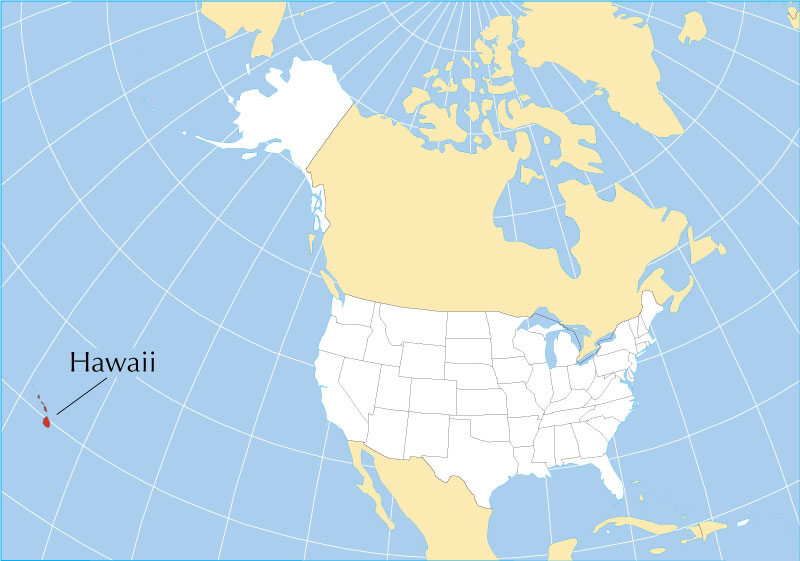
The Hawaiian Islands are an archipelago of eight major islands and numerous smaller islets, stretching over 1,500 miles across the Pacific Ocean. Formed by volcanic activity over millions of years, these islands boast some of the most dramatic and varied landscapes on Earth. From the towering peaks of Mauna Kea and Mauna Loa on the Big Island – the tallest sea mountain in the world and the largest volcano on Earth, respectively – to the lush, emerald cliffs of the Na Pali Coast on Kauai, the natural beauty is simply breathtaking.
Visitors can explore active volcanoes in Hawaii Volcanoes National Park on the Big Island, witness stunning sunrises above the clouds at Haleakala National Park on Maui, or relax on the iconic white sands of Waikiki Beach on Oahu. The islands are a paradise for outdoor enthusiasts, offering opportunities for surfing, snorkeling, hiking through verdant rainforests, and whale watching in crystal-clear waters. This incredible biodiversity and geological dynamism are major draws for global tourism, making Hawaii a landmark in natural wonders.
A Melting Pot of Culture and Traditions
What truly sets Hawaii apart is its rich tapestry of cultures, woven together from indigenous Polynesian roots and influences from Asia, Europe, and the American mainland. The cornerstone of this cultural identity is the “aloha spirit”—a philosophy of love, peace, compassion, and mutual respect that permeates daily life.
The Hawaiian language (ʻŌlelo Hawaii), though not commonly spoken as a first language, is undergoing a strong revival, and its words are deeply embedded in local nomenclature and expressions. Traditions such as the hula, ancient chants, and vibrant luaus offer windows into the islands’ pre-contact history and vibrant living heritage. The diverse population, comprising descendants of native Hawaiians, Chinese, Japanese, Filipino, Portuguese, and various European immigrants, has created a unique fusion cuisine, dynamic festivals, and a genuinely welcoming atmosphere. This cultural richness is a major draw for tourists, who come not just for the scenery but to immerse themselves in a lifestyle that values community, history, and a deep connection to the land and sea.
Hawaii as a Premier Travel Destination
As a U.S. state, Hawaii benefits from the infrastructure and accessibility that makes travel seamless for American citizens, while retaining the exotic appeal of an international getaway. This combination makes it a top choice for travelers seeking both adventure and relaxation.
Iconic Islands and Unforgettable Experiences
Each of Hawaii’s major islands offers a distinct flavor of the Aloha State, catering to different preferences and travel styles.
- Oahu: Known as “The Gathering Place,” Oahu is home to the bustling capital city of Honolulu and the world-famous Waikiki Beach. Here, visitors can surf legendary waves, hike to the summit of Diamond Head for panoramic views, or pay respects at the solemn Pearl Harbor National Memorial. Oahu offers a dynamic mix of urban sophistication, historical landmarks, and stunning natural landscapes, including the legendary North Shore surfing beaches.
- Maui: “The Valley Isle” is renowned for its romantic ambiance and diverse geography. Travelers flock to Maui to drive the scenic Road to Hana, witness awe-inspiring sunrises from the volcanic crater of Haleakala, and explore charming towns like Lahaina. Its pristine beaches, like those in Kaanapali and Wailea, are perfect for swimming, snorkeling, and whale watching during winter months.
- Kauai: “The Garden Isle” lives up to its name with lush rainforests, dramatic cliffs, and cascading waterfalls. Kauai is a haven for nature lovers and adventurers, offering helicopter tours over the breathtaking Na Pali Coast, challenging hikes on the Kalalau Trail, and serene moments in idyllic beach towns like Poipu and Princeville.
- Big Island (Hawaii Island): The youngest and largest of the islands, the Big Island is a land of extremes, featuring active volcanoes like Kilauea, snow-capped mountains, black sand beaches, and expansive coffee plantations in Kona. Its diverse climate zones allow visitors to explore everything from barren lava fields to lush tropical rainforests in areas like Hilo. The Hawaii Volcanoes National Park is a UNESCO World Heritage site and one of the most visited landmarks in the state.
World-Class Accommodation and Amenities
As a leading travel destination, Hawaii boasts an impressive array of accommodation options to suit every taste and budget. From ultra-luxury resorts to charming boutique hotels and family-friendly vacation rentals, the islands are equipped to provide an unparalleled stay.
- Luxury Resorts: Iconic names like The Ritz-Carlton, Kapalua on Maui, Four Seasons Resort Lanai, or Grand Hyatt Kauai Resort & Spa offer opulent suites, private villas, world-class spas, gourmet dining, and direct beach access. These establishments are designed for those seeking an indulgent lifestyle, providing impeccable service and a full suite of amenities from championship golf courses to infinity pools.
- Boutique Hotels and Apartments: For a more intimate and personalized experience, numerous boutique hotels provide unique charm and local character. Vacation apartments and villas are also popular, especially for families or longer stays, offering more space and the convenience of kitchen facilities. Websites dedicated to accommodation reviews and comparison tools make it easy for travelers to find the perfect fit, whether it’s a budget-conscious stay or a lavish retreat.
- Long-Term Stays: With the rise of digital nomadism and extended vacations, Hawaii offers increasing options for long-term stays, from serviced apartments to rental homes, allowing visitors to truly immerse themselves in the local culture and pace of life.
Embracing Local Flavors and Adventures
Hawaii’s appeal extends far beyond its stunning scenery and comfortable accommodations. The local culture, food, and activities offer a wealth of immersive experiences.
- Culinary Delights: Hawaiian cuisine is a delicious fusion of Polynesian, Asian, and American influences. Must-try dishes include poke bowls, kalua pig, fresh seafood, tropical fruits like pineapple (perhaps even a Maui Pineapple Tour), and locally grown coffee. Farm-to-table dining is a growing trend, highlighting the islands’ agricultural bounty. Food tours and cooking classes offer deeper insights into this vibrant culinary scene.
- Activities and Tips: Adventure abounds, from learning to surf on Waikiki‘s gentle waves to snorkeling in vibrant coral reefs or embarking on challenging hikes like the Kalalau Trail. Cultural activities, such as attending a traditional luau with hula dancing and feast, or visiting the Polynesian Cultural Center on Oahu, provide meaningful connections to the islands’ heritage. For tips on navigating the islands, renting a car is often recommended, especially on Maui and the Big Island, while inter-island flights are the most common way to hop between destinations.
Planning Your Hawaiian Escape
Experiencing Hawaii is more than just a vacation; it’s an immersion into a unique lifestyle and environment. Thoughtful planning can enhance this experience, ensuring both enjoyment and respect for the islands.
Navigating the Islands: Transportation and Logistics
Given that Hawaii is an archipelago, understanding inter-island travel is crucial. Major airlines offer frequent flights between the main islands, typically taking 30-45 minutes. Booking these flights in advance is advisable, especially during peak seasons. On each island, renting a car provides the most flexibility for exploring at your own pace, from driving the scenic Road to Hana to discovering hidden beaches. Public transportation is available in more populated areas like Honolulu but can be limited elsewhere. For those interested in the finer details of travel logistics, guides outlining various transportation options, from rental cars to shuttle services, are readily available.
Lifestyle and Etiquette: Respecting the Culture
The “aloha spirit” is not just a greeting; it’s a way of life in Hawaii. Visitors are encouraged to embrace and respect local customs, the natural environment, and the community. This includes practicing responsible tourism, such as reef-safe sunscreen, minimizing waste, and supporting local businesses. Learning a few Hawaiian phrases like “mahalo” (thank you) and “e komo mai” (welcome) can go a long way in showing respect. Whether it’s a luxury travel experience or a budget-friendly adventure, integrating seamlessly into the local flow enhances the trip. Understanding the nuances of local culture and etiquette is paramount for a truly enriching stay.
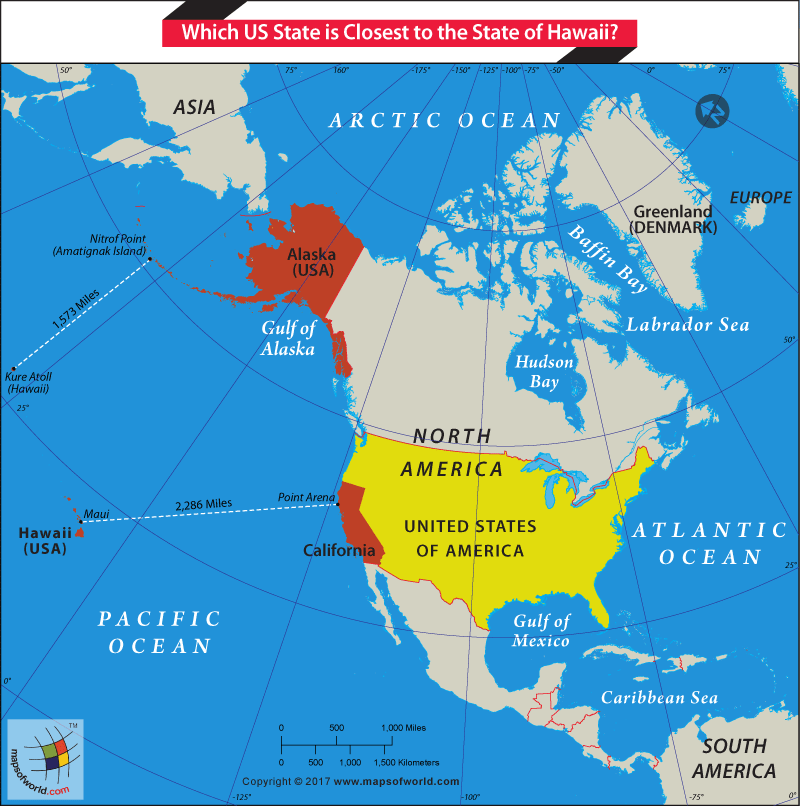
In conclusion, Hawaii is unequivocally a state of the United States, a vibrant and unique part of the nation that offers an unparalleled blend of natural beauty, rich history, and diverse culture. For travelers, it represents a dream destination where the conveniences of American infrastructure meet the exotic allure of the Pacific. Its statehood means that visiting Hawaii is as straightforward as traveling to California or Alaska, yet the experience feels worlds away. From planning your accommodation and activities to immersing yourself in the local lifestyle, Hawaii promises an unforgettable journey into the heart of the Aloha State.
LifeOutOfTheBox is a participant in the Amazon Services LLC Associates Program, an affiliate advertising program designed to provide a means for sites to earn advertising fees by advertising and linking to Amazon.com. Amazon, the Amazon logo, AmazonSupply, and the AmazonSupply logo are trademarks of Amazon.com, Inc. or its affiliates. As an Amazon Associate we earn affiliate commissions from qualifying purchases.