
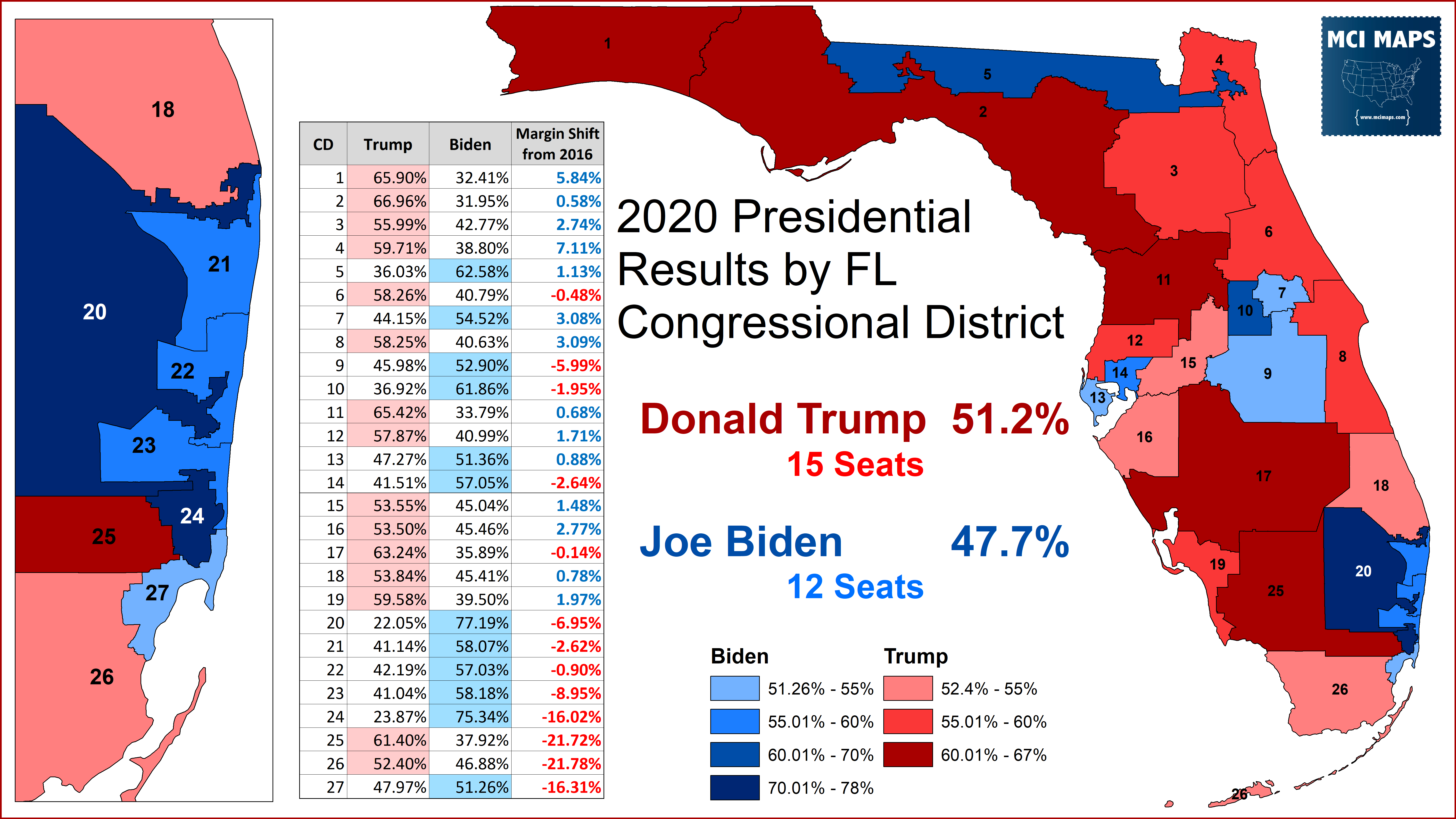
The year 2020 was a transformative period for the global travel industry, but few regions experienced as much of a paradigm shift as Florida. While international borders remained largely closed and urban centers across the United States saw a decline in foot traffic, the Sunshine State became the ultimate laboratory for a new era of lifestyle-driven travel. When we ask the question, “Who won Florida 2020?”, we aren’t looking at a scoreboard of points, but rather at the destinations, accommodation styles, and lifestyle trends that emerged as the clear favorites for a weary public seeking refuge, space, and a return to nature.
From the quiet, crystalline shores of the Emerald Coast to the expansive wilderness of the south, 2020 redefined what it meant to vacation in the subtropics. This was the year that the “hidden gems” became the main attractions, and the concept of “luxury” shifted from crowded lobbies to secluded villas and private balconies overlooking the Gulf of Mexico.
The Great Outdoors: Why Nature-Centric Destinations Topped the Charts
In a year defined by the need for social distancing and fresh air, the biggest winners in Florida were the destinations that offered sprawling natural landscapes. Travelers who had previously spent their holidays in bustling metropolitan areas suddenly found themselves drawn to the raw beauty of the state’s national parks and coastal preserves.
The Rise of Everglades National Park
The Everglades National Park emerged as a premier destination for those seeking to escape the confines of indoor life. This massive subtropical wilderness, the largest of its kind in the country, provided the perfect backdrop for kayaking, birdwatching, and airboat tours. Lifestyle travelers shifted their focus toward “slow travel,” spending days exploring the Shark Valley observation tower or paddling through the mangrove forests of the Ten Thousand Islands. The park “won” by proving that adventure and safety could coexist, offering a profound sense of scale that dwarfed the anxieties of the era.
Coastal Escapes in Destin and Panama City Beach
While the southern tip of the state often commands the spotlight, 2020 saw a massive surge in interest for the Florida Panhandle. Cities like Destin and Panama City Beach became the go-to choices for road-tripping families from across the Southeastern United States. The appeal was simple: white quartz sand, emerald-green waters, and a lifestyle that prioritized beachfront lounging over organized excursions. Destin, in particular, cemented its reputation as a “winner” by offering high-end vacation rentals that allowed families to maintain their own private bubble while still enjoying a world-class beach experience.
The Serenity of the Florida Keys
Further south, the Florida Keys provided an “international” feel without the need for a passport. The drive down Overseas Highway became a pilgrimage for many. Key Largo and Islamorada saw a spike in interest for water-based lifestyle activities like snorkeling at John Pennekamp Coral Reef State Park. Meanwhile, Key West maintained its status as a cultural haven, though the lifestyle there shifted toward quiet sunset sails and private bike tours through the Old Town district.
The Evolution of Luxury: How High-End Hospitality Pivoted
The luxury travel sector in Florida faced a unique challenge in 2020, but the “winners” were those who leaned into exclusivity and personalized service. Wealthy travelers didn’t stop traveling; they simply changed how they stayed.
The Dominance of Palm Beach
Palm Beach has always been a bastion of high-end living, but in 2020, it became a sanctuary. Iconic institutions like The Breakers adapted quickly, emphasizing their massive outdoor footprints and private beach clubs. The lifestyle in Palm Beach shifted toward long-term stays, with affluent travelers trading their penthouses in New York City for historic estates along Worth Avenue. The town won by offering a sense of normalcy and refined elegance during a time of global uncertainty.
Seclusion and Style in Miami Beach
In Miami Beach, the narrative changed from nightlife and crowded pool parties to boutique luxury and architectural appreciation. Hotels like the Faena Hotel Miami Beach and The Setai Miami Beach pivoted to offer “in-suite” dining experiences and private wellness sessions. The “winner” in the Miami area was the traveler who discovered the quieter side of South Beach, focusing on the Art Deco Historic District and the lush gardens of Vizcaya Museum and Gardens.
The Sophistication of Naples

On the west coast, Naples emerged as a major lifestyle winner. Known for its golf courses and high-end shopping on Fifth Avenue South, Naples provided a sophisticated yet relaxed environment. The Ritz-Carlton Naples remained a focal point for luxury, but the real winner was the rise of private villa rentals in neighborhoods like Port Royal. The lifestyle here was about curated comfort—sunset dinners on private piers and morning walks through the Naples Botanical Garden.
Family Travel Reimagined: The Resilience of Central Florida
Central Florida is the theme park capital of the world, and while the major parks faced temporary closures, the region “won” 2020 by innovating the guest experience and diversifying its appeal.
Orlando and the Adaptive Magic
Orlando is a city built on imagination, and in 2020, it had to imagine a new way to host millions. Walt Disney World Resort and Universal Orlando Resort became global leaders in health and safety protocols, allowing families to return to the magic with confidence. However, the lifestyle “win” for Orlando went beyond the gates. Travelers began exploring the Winter Park area, enjoying boat tours on the Chain of Lakes and dining along Park Avenue. The diversification of the Orlando experience was a significant victory for the local tourism economy.
Space Coast Adventures in Cape Canaveral
Just east of the theme park hub, the Space Coast saw a massive resurgence in interest. Cape Canaveral and Cocoa Beach became hotspots for families looking to combine education with recreation. The Kennedy Space Center offered an inspiring look at human achievement, while the nearby beaches provided the perfect spot to watch rocket launches—a socially distanced activity that felt tailor-made for 2020. This region won by tapping into the zeitgeist of exploration and looking toward the future.
The Cultural Winners: Small Towns with Big Appeal
Perhaps the most surprising “winners” of 2020 were the smaller, culturally rich towns that offered a slower pace of life and a deeper connection to Florida history.
St. Augustine and Historical Charm
As the oldest city in the United States, St Augustine has survived centuries of change. In 2020, its walkable streets and historical landmarks like the Castillo de San Marcos became a magnet for domestic tourists. The lifestyle here was about European-style charm without the long-haul flight. Visitors flocked to St George Street for outdoor dining and spent afternoons at Anastasia State Park. St Augustine won by proving that heritage and history are timeless draws for the modern traveler.
The Artistic Vibe of Sarasota
On the Gulf Coast, Sarasota became a major lifestyle destination for those who appreciate the arts. While theaters were limited, the outdoor beauty of The Ringling museum grounds and the Marie Selby Botanical Gardens remained accessible. The nearby Siesta Key beach, frequently cited as one of the best in the country, offered the perfect lifestyle balance of relaxation and aesthetic inspiration. Sarasota won by attracting a demographic that sought “intellectual luxury”—a mix of high culture and coastal leisure.
The Hidden Gems of the Nature Coast
Further north, the Nature Coast saw an influx of visitors to towns like Crystal River. This area won the hearts of wildlife enthusiasts who came to swim with manatees in the springs of Three Sisters Springs. The lifestyle here is unpretentious and deeply rooted in the environment, offering a stark and refreshing contrast to the neon lights of Miami or the frantic energy of the theme parks.

The Future of Florida Travel: Lessons from a Transformative Year
When we look back at who won Florida in 2020, the answer is clear: the traveler who embraced flexibility and the destinations that prioritized the outdoors and private luxury. This year taught the travel industry that the “Florida Lifestyle” is not a monolith. It is a diverse tapestry of experiences ranging from the rugged trails of Ocala National Forest to the refined sands of Boca Raton.
The shift toward “workcations” and “schoolcations” also saw Florida emerge as a leader. With the rise of remote work, many travelers chose to “win” their year by moving their home offices to Fort Lauderdale or Tampa. The ability to take a morning conference call and spend the afternoon at Las Olas Boulevard or exploring the Tampa Riverwalk redefined the boundaries between life and travel.
Ultimately, 2020 was the year Florida proved its resilience. By leaning into its natural assets, adapting its luxury offerings, and showcasing its diverse small towns, the state didn’t just survive the year—it set the blueprint for the future of domestic travel. Whether it was the quiet solitude of Sanibel Island or the high-tech safety of Universal Studios Florida, the “winners” were those who found a way to make the Sunshine State feel like a safe, rejuvenating, and endlessly exciting home away from home.
LifeOutOfTheBox is a participant in the Amazon Services LLC Associates Program, an affiliate advertising program designed to provide a means for sites to earn advertising fees by advertising and linking to Amazon.com. Amazon, the Amazon logo, AmazonSupply, and the AmazonSupply logo are trademarks of Amazon.com, Inc. or its affiliates. As an Amazon Associate we earn affiliate commissions from qualifying purchases.