
When traveling through the diverse landscapes of Florida, from the bustling streets of Miami to the historic corridors of St. Augustine, visitors often notice the silent but powerful movement of the American and state flags. Seeing a flag flying at half-staff—often colloquially referred to as half-mast—is a poignant moment that stops travelers in their tracks. In the context of Florida landmarks, this visual signal is more than just a protocol; it is a historical and cultural dialogue between the government and the public. Understanding why the flags are lowered today requires an exploration of the state’s architectural heritage, its legislative heart in Tallahassee, and the specific traditions that define the United States flag etiquette.
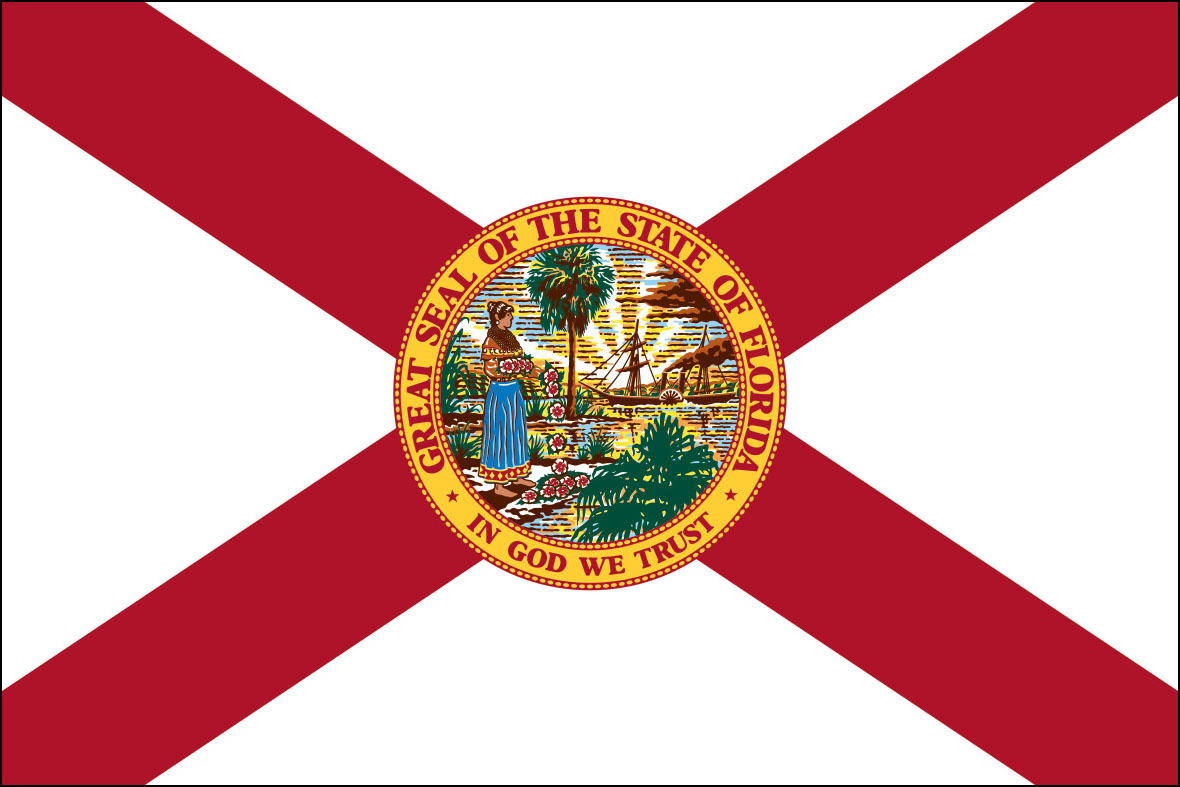
The Protocol of Mourning at Florida’s Architectural Icons
The act of lowering a flag is a deeply respected tradition across all major Florida landmarks. Whether it is a government building, a national park, or a historic monument, the height of the flag tells a story of collective memory or recent loss.
The Florida State Capitol and the Heart of Tallahassee
The most prominent location for flag observance is the Florida State Capitol complex in Tallahassee. This architectural marvel, which combines the historic charm of the older structure with the towering modernity of the new office building, serves as the central hub for state protocol. When the Governor of Florida, currently Ron DeSantis, issues an executive order to lower the flags, the Florida State Capitol is the first to respond.
Architecturally, the capitol represents the growth of the state. The towering 22-story building provides a clear vantage point for the flags, making them visible for miles across the Tallahassee skyline. When these flags are at half-staff, it often signifies the passing of a former governor, a member of the Florida Cabinet, or a state legislator. It can also be a tribute to fallen soldiers or first responders who served the Sunshine State with distinction.
The Old Capitol Museum: A Witness to History
Standing directly in front of the modern tower is the Old Capitol Museum. This restored 1902 building, with its iconic candy-striped awnings and stained-glass dome, is a landmark that bridges the gap between Florida’s past and present. The flagpoles here are treated with the same reverence as those at the new capitol. Visitors to this site often learn about the history of the United States Flag Code, which dictates that the flag should be hoisted to the peak for an instant and then lowered to the half-staff position. At the end of the day, it is again raised to the peak before being lowered for the night.
Legislative Landmarks: The Power to Lower the Flag
The decision to lower flags is not a random occurrence but a strictly regulated process. In Florida, this authority is shared between state and federal leaders, impacting landmarks from the Everglades National Park to the Kennedy Space Center.
Executive Orders from the Governor’s Mansion
The Governor’s Mansion in Tallahassee is another critical landmark where the flag’s position is a key indicator of state sentiment. As the official residence of the governor, its flagpoles are subject to direct executive orders. The Governor has the authority to lower the flags of the United States and the State of Florida for various reasons, including the death of a prominent citizen, the anniversary of a tragic event, or to honor a state hero.
The Department of Management Services is responsible for distributing these flag alerts to all state-owned buildings and facilities. For a traveler visiting landmarks like the Castillo de San Marcos or the University of Florida, seeing the flag at half-staff is a sign that a specific state-wide or local event is being commemorated.
Presidential Proclamations and National Monuments
While the Governor controls state-level mourning, the President of the United States, currently Joe Biden, can issue national proclamations. When the President orders flags to half-staff, it applies to all federal buildings and grounds throughout the nation and its territories. This includes federally managed landmarks in Florida, such as Biscayne National Park and the Gulf Islands National Seashore.
National tragedies, the death of a former President, or significant international events are common reasons for these federal orders. For example, the flags may be lowered across Florida to honor victims of a national disaster, a practice that highlights the state’s connection to the broader United States identity.
Historic Sites and the Commemorative Calendar
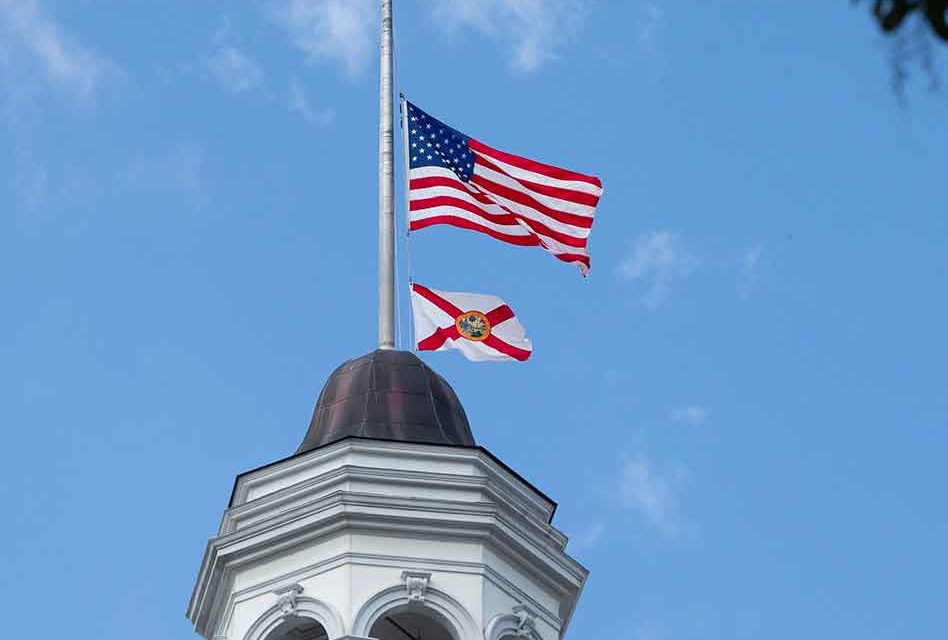
Many instances of flags at half-staff in Florida are pre-determined by the calendar. These dates are tied to landmarks and historical events that have shaped the state’s culture and heritage.
St. Augustine and the Castillo de San Marcos
In St. Augustine, the oldest continuously inhabited European-established settlement in the United States, the flags at the Castillo de San Marcos are an essential part of the skyline. This 17th-century masonry fort is a massive landmark made of coquina, and its flag protocols are strictly observed by the National Park Service.
On Memorial Day, flags at the Castillo de San Marcos and other sites like Fort Zachary Taylor Historic State Park in Key West are flown at half-staff from sunrise until noon. At noon, they are raised to the peak of the staff until sunset, symbolizing the nation’s resolve to rise above the sacrifice of its fallen heroes. Other standard dates include Peace Officers Memorial Day on May 15th, Patriot Day on September 11th, and Pearl Harbor Remembrance Day on December 7th.
Kennedy Space Center: Honoring the Pioneers of the Skies
At Cape Canaveral, the Kennedy Space Center serves as a landmark of human achievement and technological prowess. However, it is also a site of deep remembrance. The flags at the Kennedy Space Center Visitor Complex are often lowered to honor astronauts who lost their lives in the pursuit of space exploration. On the Space Mirror Memorial, the names of these pioneers are etched in granite, and the half-staff flags nearby serve as a visual echo of that tribute. These moments are frequent during the “Day of Remembrance” held every January to honor the crews of Apollo 1, Challenger, and Columbia.
Symbolism in the Sunshine State’s Public Spaces
The lowering of flags extends beyond major monuments to the public spaces that define daily life in Florida. These sites, while perhaps smaller in scale, carry equal weight in their symbolic duties.
National Parks and Preserves
Florida is home to some of the most significant natural landmarks in North America. At Everglades National Park, the flag flying over the Ernest F. Coe Visitor Center acts as a bridge between nature and national sentiment. Similarly, at Dry Tortugas National Park, located 70 miles west of Key West, the flag atop Fort Jefferson serves as a beacon for passing vessels. When these flags are at half-staff, they signal to the maritime community and park visitors alike that the state or nation is in a period of mourning.
Regional Landmarks and City Halls
In major urban centers like Miami, Orlando, Jacksonville, and Tampa, city halls and municipal buildings are vital landmarks. When a local tragedy occurs or a city leader passes away, these flags may be lowered independently of state or federal orders, provided the flag is the municipal or state flag. However, according to the United States Flag Code, the American flag should only be lowered at the direction of the President or Governor.
In Miami, the historic Freedom Tower often serves as a backdrop for these moments of respect. As a landmark representing the Cuban-American experience and the search for liberty, the position of the flag here carries a profound weight for the local community.
Understanding the Impact of Commemoration on Florida’s Heritage
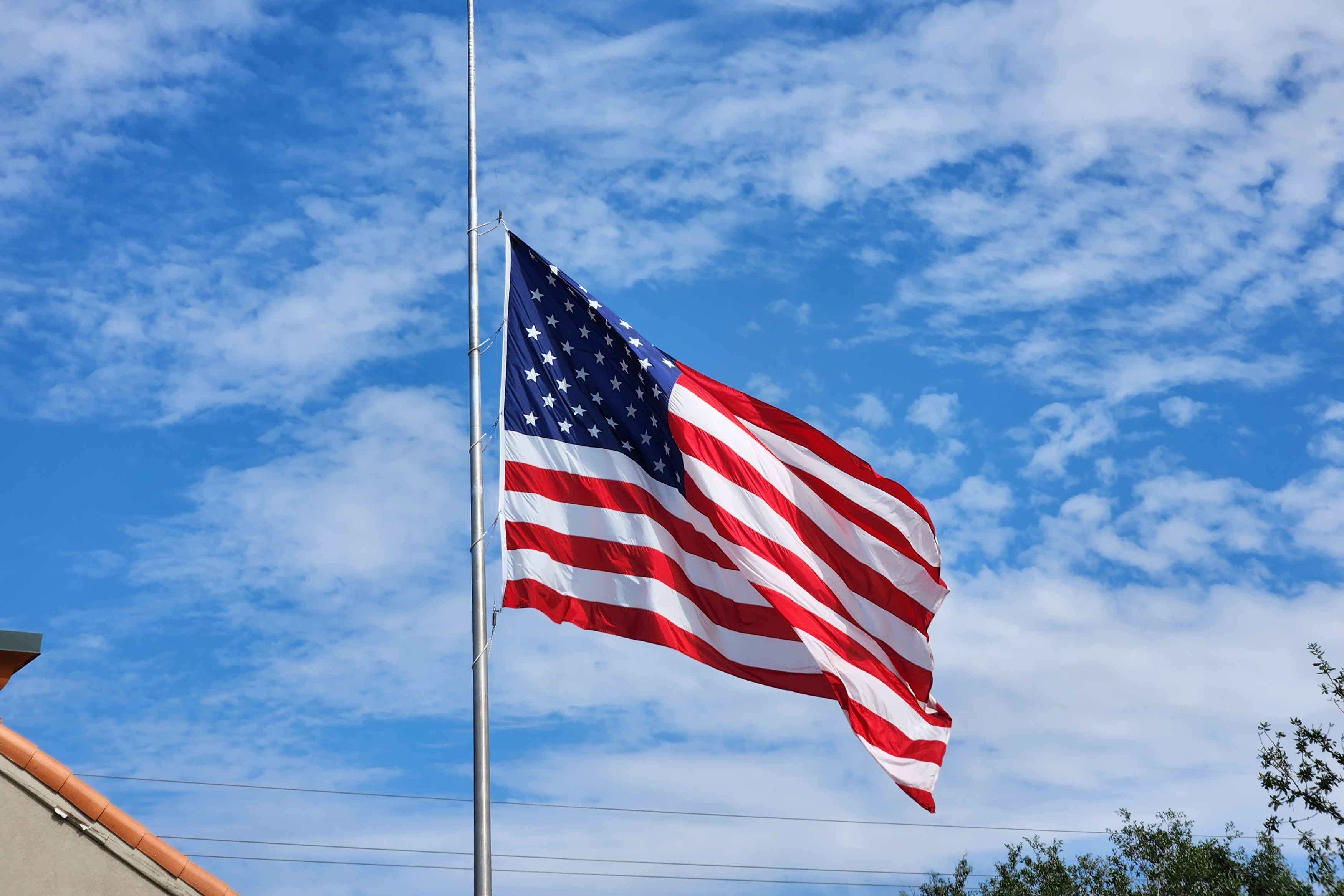
The frequency with which Florida residents and tourists see flags at half-staff is a testament to the state’s active engagement with its history and the people who have shaped it. Landmarks across the state serve as the physical stage for these acts of honor.
Educational landmarks, such as Florida State University in Tallahassee or the University of South Florida in Tampa, also participate in these observances. When a prominent faculty member or a student who served in the military passes away, the campus landmarks—often historic halls or central plazas—lower their flags to unite the student body in a moment of reflection.
For those traveling through Pensacola, the National Naval Aviation Museum is a landmark where military tradition is at the forefront. Here, the half-staff flag is a frequent sight, honoring the service and sacrifice of aviators. This connection between landmark and legend is what makes the sight of a lowered flag so impactful for those exploring Florida.
Ultimately, if the flags are at half-mast today in Florida, it is because a decision was made at the highest levels of the Florida or United States government to pause and acknowledge a significant loss or a momentous anniversary. From the coquina walls of St. Augustine to the modern glass of Miami, these landmarks stand as silent sentinels, ensuring that the reasons for today’s mourning are remembered by every traveler who passes beneath the lowered colors. Whether honoring the National Fallen Firefighters Memorial Service or a local hero in Stephen C. Foster State Park, the flags of Florida remain a vital part of the state’s living history and architectural identity.
LifeOutOfTheBox is a participant in the Amazon Services LLC Associates Program, an affiliate advertising program designed to provide a means for sites to earn advertising fees by advertising and linking to Amazon.com. Amazon, the Amazon logo, AmazonSupply, and the AmazonSupply logo are trademarks of Amazon.com, Inc. or its affiliates. As an Amazon Associate we earn affiliate commissions from qualifying purchases.