
Florida is a land of striking environmental paradoxes. Known globally as the Sunshine State, it is equally famous for its sudden, dramatic downpours that can transform a bright afternoon into a torrential event within minutes. To understand why it rains so much in this corner of North America, one must look beyond the simple forecast and delve into the unique geographical and meteorological factors that define the peninsula. The state’s weather is not merely a product of chance; it is a sophisticated interaction between heat, water, and geography that sustains some of the most famous natural landmarks in the United States.

The Geographical Nature of the Sunshine State
The primary reason for the high volume of precipitation in Florida is its unique position as a peninsula. Surrounded by warm bodies of water, the state is essentially a narrow strip of land protruding between the Atlantic Ocean to the east and the Gulf of Mexico to the west. This positioning ensures that no part of the state is far from a massive source of moisture.
The Peninsular Advantage
Unlike landlocked states, Florida is subject to the influence of marine air masses from three sides. This geographic isolation means that the air is almost always saturated with moisture. When the intense subtropical sun beats down on the land, it warms up much faster than the surrounding waters. This temperature differential creates a low-pressure zone over the land, drawing in the cooler, moist air from the Atlantic Ocean and the Gulf of Mexico. This process is the foundation for the state’s famous daily thunderstorms.
Proximity to the Gulf Stream
The Gulf Stream, a powerful and warm ocean current that flows from the Gulf of Mexico and up the eastern coast of Florida, plays a critical role in the state’s humidity. By keeping the coastal waters exceptionally warm, it facilitates high rates of evaporation. This warm, moist air is then carried inland by prevailing winds, providing the “fuel” necessary for heavy rainfall. Places like Miami and Fort Lauderdale benefit directly from this moisture, which contributes to their lush, tropical landscapes.
Understanding the Convective Rainfall Cycle
The most common type of rain in Florida is convective rain. This occurs when the Earth’s surface is heated by the sun, causing the air above it to rise. As this air rises, it cools and the water vapor it carries condenses into clouds, eventually leading to precipitation. In Florida, this process is amplified by the “sea breeze front.”
The Role of the Sea Breeze Front
During a typical summer day in Orlando or Tampa, two distinct sea breezes develop: one from the Atlantic Ocean and one from the Gulf of Mexico. These breezes move inland toward the center of the peninsula. When these two opposing fronts collide—usually in the late afternoon—they force the moist air upward with incredible speed and force. This collision is known as convergence. The resulting updrafts create massive cumulonimbus clouds, leading to the intense, localized thunderstorms that Florida is known for.
Summer Thunderstorms: A Daily Ritual
For residents and visitors in cities like Jacksonville or Tallahassee, the afternoon thunderstorm is a predictable ritual. These storms are often brief, lasting anywhere from thirty minutes to two hours, but they can be incredibly intense, featuring heavy lightning and high rainfall rates. This cycle is what keeps the state’s aquifers refilled and its famous natural landmarks, such as the Everglades, hydrated throughout the grueling summer heat.
Tropical Systems and the Hurricane Season
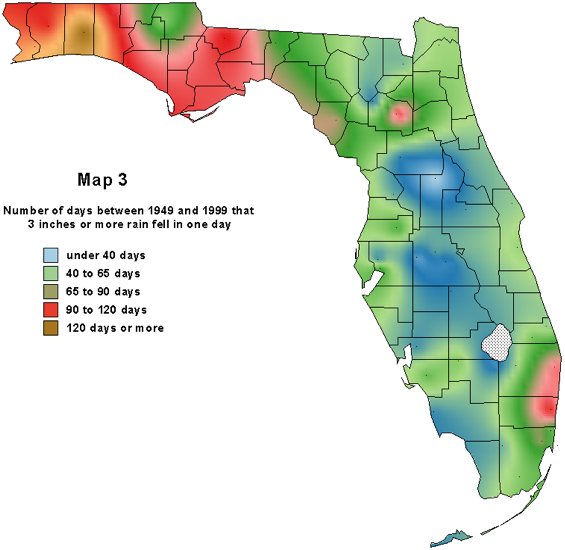
Beyond the daily convective cycles, Florida is also a primary target for tropical weather systems. The state’s “wet season” officially runs from May through October, which closely aligns with the Atlantic hurricane season. These systems contribute a significant portion of the annual rainfall, particularly in the southern regions of the state and the Florida Keys.
Moisture Influx from the Caribbean
Many of the largest rain events in Florida originate in the Caribbean or the Bahamas. Tropical waves—troughs of low pressure that move from east to west—often pass over the peninsula. While these waves may not always develop into named storms or hurricanes, they bring deep tropical moisture that can result in several days of overcast skies and persistent rain. For areas like West Palm Beach, these tropical waves are essential for maintaining the local water table.
Historical Weather Patterns and the Everglades
The Everglades National Park is perhaps the most famous landmark shaped by Florida’s rainfall. Historically known as the “River of Grass,” this ecosystem relies on the seasonal deluge to maintain its unique sheet flow of water. The rain that falls in central Florida, near Lake Okeechobee, slowly moves southward, hydrating the sawgrass prairies and mangrove forests. Without the heavy seasonal rains, this UNESCO World Heritage Site would collapse, as the delicate balance between fresh and salt water would be disrupted.
Impact on Natural Landmarks and Ecosystems
The abundance of rain in Florida has created a landscape unlike any other in the United States. From the springs of the north to the coral reefs of the south, water is the architect of the state’s natural beauty.
The Survival of the Florida Keys
In the Florida Keys, rainfall is a precious commodity. While the islands are surrounded by salt water, the terrestrial life depends on the rain that falls during the wet season. Landmarks like Key West and the Dry Tortugas National Park have historically used cisterns to capture rainwater. The rain also helps to regulate the salinity of the waters in Biscayne National Park, which is vital for the health of the local coral reefs and seagrass beds.
Lush Landscapes of Central and North Florida
In the northern part of the state, near St. Augustine and Gainesville, the rain feeds the vast underground Floridan Aquifer. This massive reservoir of fresh water emerges in the form of crystal-clear springs, such as those found in Ocala National Forest. The consistent rainfall ensures that these springs continue to flow, providing a habitat for manatees and a recreational haven for visitors.
The Space Coast and Cape Canaveral
Even the technological landmarks of the state are influenced by the rain. Cape Canaveral, home to the Kennedy Space Center, must contend with the highest frequency of lightning strikes in the country due to the convective rainfall patterns. The rain and storms here are so frequent that they have shaped the very schedules of space exploration, with launch windows often dictated by the movement of the sea breeze front.
Navigating Florida’s Nature and Weather
Understanding the timing and nature of Florida’s rain is essential for anyone exploring its landmarks. While the rain can be intense, it is also what makes the state’s environment so vibrant and diverse.
Planning Around the Rain
Because most of Florida’s rain occurs in the afternoon, many of the state’s most popular outdoor landmarks, like Walt Disney World or Busch Gardens Tampa Bay, see a shift in crowds during the midday hours. Experienced travelers often plan their outdoor activities for the morning and seek indoor attractions or rest during the peak storm window between 2:00 PM and 5:00 PM.

The Beauty of the Rain
There is a certain beauty to the rain in the Sunshine State. It brings a dramatic cooling effect to the humid air and provides a necessary respite for the local flora and fauna. In places like Sarasota or Naples, the post-storm sunsets are often the most spectacular, as the clearing clouds catch the light of the setting sun over the Gulf of Mexico.
The heavy rainfall in Florida is a fundamental part of its identity. It is the result of the state’s peninsular geography, its proximity to warm tropical waters, and the powerful convective forces of the subtropical sun. This moisture sustains the Everglades, replenishes the Floridan Aquifer, and maintains the lush, green canopy that defines the state’s aesthetic. Without its rain, Florida would not be the vibrant, biological treasure trove that it is today. While the downpours may occasionally interrupt a day at the beach or a visit to a landmark, they are the very lifeblood of the Sunshine State.
LifeOutOfTheBox is a participant in the Amazon Services LLC Associates Program, an affiliate advertising program designed to provide a means for sites to earn advertising fees by advertising and linking to Amazon.com. Amazon, the Amazon logo, AmazonSupply, and the AmazonSupply logo are trademarks of Amazon.com, Inc. or its affiliates. As an Amazon Associate we earn affiliate commissions from qualifying purchases.