
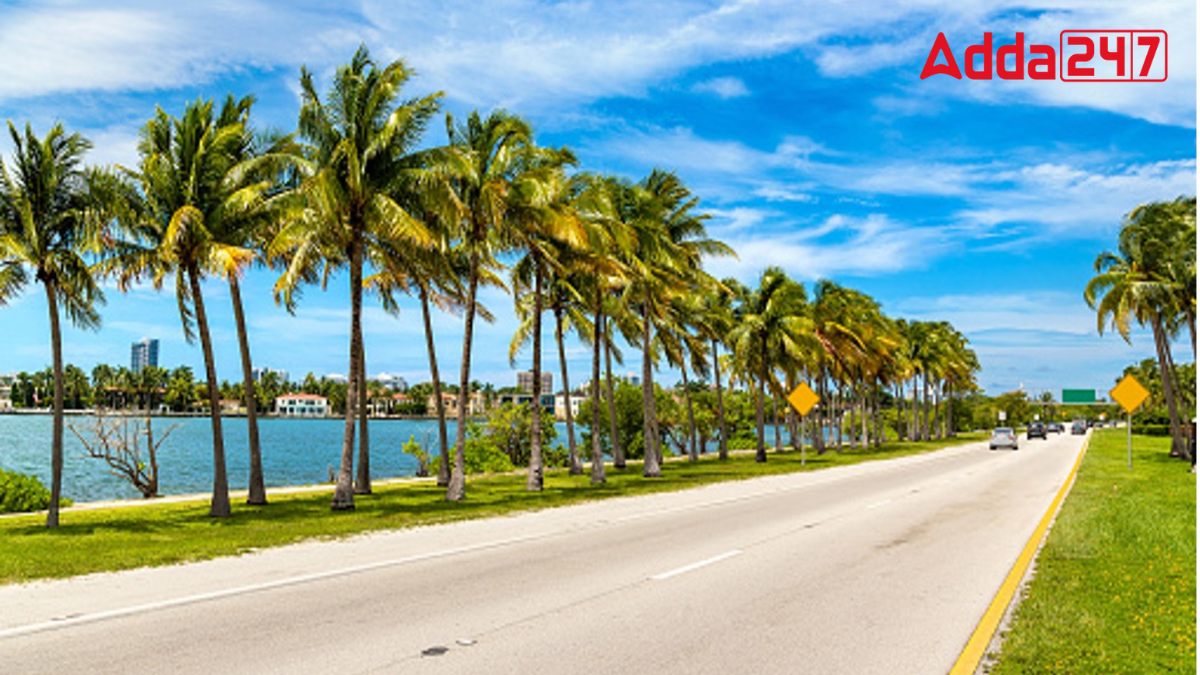
The identity of Florida is inextricably linked to the warmth of the sun. From the shimmering waters of the Gulf of Mexico to the rhythmic tides of the Atlantic Ocean, the nickname “The Sunshine State” serves as both a literal description of its climate and a powerful brand that has shaped its history, architecture, and natural landmarks. While many regions in the United States experience seasonal warmth, this southern peninsula has cultivated a global reputation for perpetual brightness, making it a cornerstone of American identity and a beacon for those seeking the restorative power of light.

The Historical and Legislative Roots of the Nickname
The moniker “The Sunshine State” was not merely a casual observation but a strategic and official designation. In 1970, the Florida Legislature formally adopted the title as the state’s official nickname, replacing others that had been used informally throughout the centuries. Before the sun took center stage, the region was often associated with its lush flora—hence the name given by Juan Ponce de Leon in 1513: “La Florida,” or the land of flowers.
The Evolution of a Brand
In the early 20th century, as the United States began to modernize and travel became more accessible, local leaders in cities like Jacksonville and Miami realized that the climate was their greatest asset. Agricultural booms in the Citrus Belt further cemented this association. The orange, which requires significant sunlight to reach its peak sweetness, became a symbol of the state’s natural bounty. By the time the nickname was codified in Tallahassee, the state had already spent decades marketing its “liquid sunshine” to the rest of the world.
Competitive Identity
Interestingly, Florida had to defend its claim to the title. For a brief period, South Dakota also used “The Sunshine State” on its license plates. However, the sheer geographic reality of the Subtropical Zone and the dominance of Florida in the national consciousness as a winter escape allowed it to secure the nickname permanently. Today, the phrase appears on every standard license plate issued by the Florida Department of Highway Safety and Motor Vehicles, reinforcing the state’s sun-drenched image to millions of travelers annually.
Natural Landmarks Defined by Light
The geography of Florida provides a canvas where sunlight interacts with water and limestone to create some of the most unique natural landmarks in the world. These locations are not only beautiful but are ecologically dependent on the high solar radiation characteristic of the region.
The Everglades National Park
Perhaps no landmark captures the essence of the state better than Everglades National Park. Often described as a “River of Grass,” this vast wetland is a complex ecosystem where the sun drives the photosynthesis of sawgrass and the warmth of the shallow waters supports an incredible diversity of life. Visitors to the Shark Valley observation tower can see for miles across a landscape that literally glows under the midday sun. The interplay of light and water here is a primary reason why Florida remains a focal point for environmental conservation.
The Florida Keys and the Coral Reefs
Traveling south from the mainland leads to the Florida Keys, an archipelago that stretches toward the Caribbean Sea. Landmarks like Key Largo and Key West are famous for their “Green Flash” sunsets, a phenomenon where the sun appears to change color just as it dips below the horizon. Below the surface, the John Pennekamp Coral Reef State Park relies on clear, sunlit waters to sustain the only living coral barrier reef in the continental United States. Without the consistent solar energy of the Sunshine State, these fragile marine landmarks would cease to exist.
Gulf Coast Wonders
On the western side of the state, the Gulf of Mexico offers a different aesthetic. Landmarks such as Siesta Key are world-renowned for their white quartz sand, which remains cool to the touch even under the intense heat of the Florida sun. The “Sunshine State” moniker is felt most viscerally here, where the high reflectivity of the sand and the calm, turquoise waters create a brightness that is nearly unparalleled on the North American continent.
Architectural Landmarks and the Influence of Climate
The architectural heritage of Florida is a direct response to its sunny environment. Architects throughout history have had to design structures that either celebrate the light or provide much-needed shade from its intensity.
St. Augustine and Spanish Colonial Influence
In St. Augustine, the oldest continuously inhabited European-established settlement in the United States, the Castillo de San Marcos stands as a monument to resilience. Built from coquina, a limestone composed of tiny shells, the fortress absorbs the sun’s rays differently than granite or brick. The bright, reflective quality of the coquina walls allowed the structure to withstand both sieges and the humid coastal climate. Walking through the Old City Gates, one can see how the narrow streets were designed to create corridors of shade, a traditional Spanish approach to living in a sunny climate.
Miami’s Art Deco District
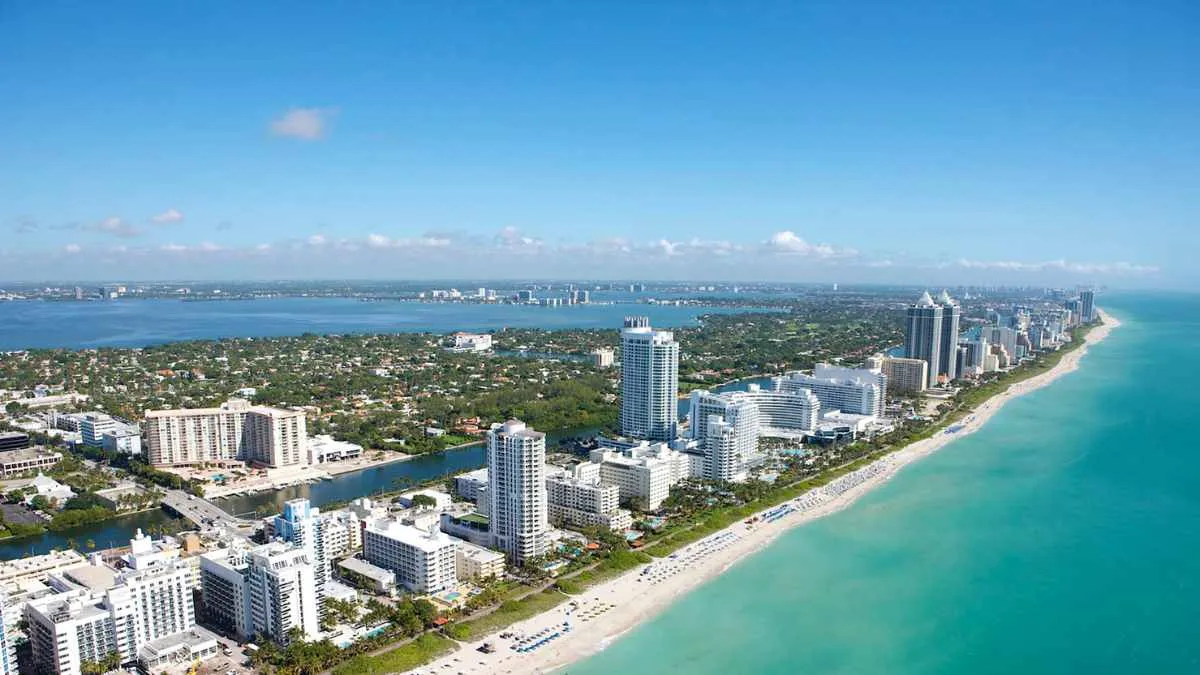
Moving south to Miami Beach, the Art Deco Historic District showcases a different relationship with the sun. The buildings, featuring pastel pinks, baby blues, and soft yellows, were designed to pop against the brilliant blue sky. The use of “eyebrows”—concrete ledges over windows—was a functional architectural feature meant to provide shade for the interiors before the advent of modern air conditioning. These landmarks, including the famous Ocean Drive, are iconic representations of how the “Sunshine State” identity was translated into a visual and structural style.
Vizcaya Museum and Gardens
In Coconut Grove, the Vizcaya Museum and Gardens serves as a landmark that blends European opulence with Florida nature. The estate was built to maximize the views of Biscayne Bay, with open loggias and expansive gardens that utilize the year-round sunlight to maintain exotic plant species. The house itself is a testament to the lifestyle of the wealthy “snowbirds” who first established the state as a winter retreat, fleeing the grey skies of the Northeast for the golden light of the south.
Scientific and Modern Landmarks: The Space Coast
The “Sunshine State” is not just a place for relaxation; its clear skies and southern latitude have made it a global landmark for science and exploration. The clear visibility provided by the weather was a significant factor in selecting the region for aerospace development.
Kennedy Space Center
Located at Cape Canaveral, the Kennedy Space Center is one of the most famous landmarks in the world. The massive Vehicle Assembly Building stands as a titan on the flat marshland, visible for miles under the bright Florida sun. The state’s climate allows for a higher frequency of launch windows compared to more cloud-prone regions. For decades, the image of a space shuttle or a SpaceX rocket ascending through a cloudless blue sky has been a defining visual of the Space Coast.
Solar Power and Innovation
In recent years, the “Sunshine State” nickname has taken on a literal technological meaning. Landmarks like the Babcock Ranch town development represent the future of the state. As the first solar-powered town in the United States, it utilizes vast “solar farms” to harvest the energy that defines the state’s identity. This shift from using the sun as a marketing tool to using it as a primary energy source is transforming the landscape and creating a new type of modern landmark.
Cultural Landmarks and the Sun’s Legacy
The cultural fabric of Florida is woven with landmarks that celebrate the sun through art, religion, and recreation. These sites have become pilgrimage points for people from all over the globe.
Bok Tower Gardens
High atop Iron Mountain in Lake Wales, the Bok Tower Gardens features a “Singing Tower” carillon. This National Historic Landmark was designed by Edward W. Bok as a sanctuary of beauty. The reflection of the tower in the surrounding pool, aided by the brilliant zenith of the sun, creates a meditative atmosphere. It remains one of the most serene landmarks in the state, emphasizing the spiritual and restorative connection people have with the Florida landscape.
The Dali Museum
In St. Petersburg, a city that once held a world record for the most consecutive days of sunshine (768 days), The Dali Museum stands as a landmark of surrealism. The building’s “Enigma”—a geodesic glass bubble—allows sunlight to flood the interior, illuminating the works of Salvador Dali. The choice of location for this museum was influenced by the city’s reputation for brightness, ensuring that the art is seen in the most vibrant light possible.
Theme Park Capitals
No discussion of Florida landmarks is complete without Orlando. Destinations like Walt Disney World and Universal Studios Florida were built here specifically because the weather allowed for year-round operation. The Cinderella Castle and the Spaceship Earth geosphere at EPCOT are landmarks that have become synonymous with the “Sunshine State” dream. They represent the culmination of a century of growth, where the sun’s warmth was the primary catalyst for turning a land of swamps and citrus groves into a global center for tourism and imagination.
Whether it is through the historic walls of the Castillo de San Marcos or the high-tech pads of Cape Canaveral, the reason Florida is called the Sunshine State is visible in every landmark. The name is a tribute to a geographic reality that has dictated the state’s past and continues to illuminate its future. From the deep greens of the Everglades National Park to the neon lights of Miami, the sun remains the central protagonist in the story of Florida.
LifeOutOfTheBox is a participant in the Amazon Services LLC Associates Program, an affiliate advertising program designed to provide a means for sites to earn advertising fees by advertising and linking to Amazon.com. Amazon, the Amazon logo, AmazonSupply, and the AmazonSupply logo are trademarks of Amazon.com, Inc. or its affiliates. As an Amazon Associate we earn affiliate commissions from qualifying purchases.