
The identity of a region is often distilled into a single phrase, a moniker that captures its essence, its climate, and its history. For Florida, that identifier is “The Sunshine State.” While it may seem like a simple reference to the abundant solar radiation that bathes the peninsula, the history of this nickname is a complex tapestry woven from legislative action, marketing ingenuity, and a unique geographical profile that defines the southeastern corner of the United States. This title is more than a slogan; it is a landmark of cultural and natural identity that has influenced everything from the state’s architecture to its global perception.

The Historical and Legislative Roots of the Nickname
The official adoption of the nickname is a relatively modern development in the state’s long history. Although Florida had been associated with warmth and light since its naming by Spanish explorers—who called it “La Florida” in honor of the “Pascua Florida” (Feast of Flowers)—the specific title of “The Sunshine State” was not officially sanctioned by the state legislature until 1970.
The Battle for the Sun
Interestingly, Florida was not the only state to claim this title. In the mid-20th century, a friendly but persistent rivalry existed with South Dakota, which also used the nickname on its license plates. The northern state argued that its clear, sunny days during the winter months justified the claim. However, Florida successfully lobbied for the exclusive right to the brand, arguing that its year-round sub-tropical climate and status as a winter haven for the rest of the country made it the true home of American sunshine. In 1970, the legislature in Tallahassee officially claimed the name, and it has since become synonymous with the state’s tourism and real estate industries.
Marketing the Tropical Dream
The nickname played a pivotal role in the land booms of the 1920s and 1950s. Developers in cities like Miami and Jacksonville used the promise of eternal sun to lure residents from the freezing winters of the Northeast and Midwest. This marketing effort transformed Florida from a sparsely populated marshland into a burgeoning hub of commerce and leisure. The nickname served as a landmark in American psychological geography, representing a place where the hardships of winter were non-existent, and the environment was perpetually vibrant.
Natural Landmarks and Geographical Influence
The nickname is scientifically grounded in the state’s unique position on the globe. As a peninsula jutting out between the Atlantic Ocean and the Gulf of Mexico, Florida benefits from a maritime climate that provides a high number of sunshine hours annually. This geographical reality has created some of the most iconic natural landmarks in the world.
The Everglades: A Sun-Drenched Wilderness
Perhaps no natural landmark exemplifies the power of the sun more than Everglades National Park. Known as the “River of Grass,” this massive ecosystem relies on the sun to fuel the photosynthesis of its vast sawgrass prairies. The interplay of sunlight and water creates a unique habitat that supports thousands of species, from the American alligator to the elusive Florida panther. The sun is the primary driver of this ecosystem, evaporating water to create the afternoon thunderstorms that define the local weather patterns, which in turn sustain the lush greenery of the region.
The Florida Keys and the Overseas Highway
Traveling south from the mainland, the Florida Keys represent a geographical landmark where the “Sunshine State” moniker is most felt. This archipelago is defined by its turquoise waters and coral reefs, both of which require high levels of solar penetration to maintain their health. The Seven Mile Bridge, an engineering marvel, provides a vantage point where the sun reflects off the water in a way that feels unique to this latitude. At the end of this chain lies Key West, a landmark city famous for its “Sunset Celebration” at Mallory Square, where the setting of the sun is a daily communal ritual, reinforcing the state’s solar identity.
Coastal Barriers and Marine Reserves
The state’s coastline is dotted with landmarks like Sanibel Island, famous for its shell-strewn beaches, and Biscayne National Park, where the sun illuminates underwater shipwrecks and vibrant marine life. These areas are protected landmarks that showcase the environmental legacy of the sunshine. The clarity of the water and the abundance of white sand—often composed of quartz or coral—act as natural reflectors, amplifying the brightness of the region and making the nickname a lived reality for anyone standing on the shore.
Architectural Landmarks Shaped by Light
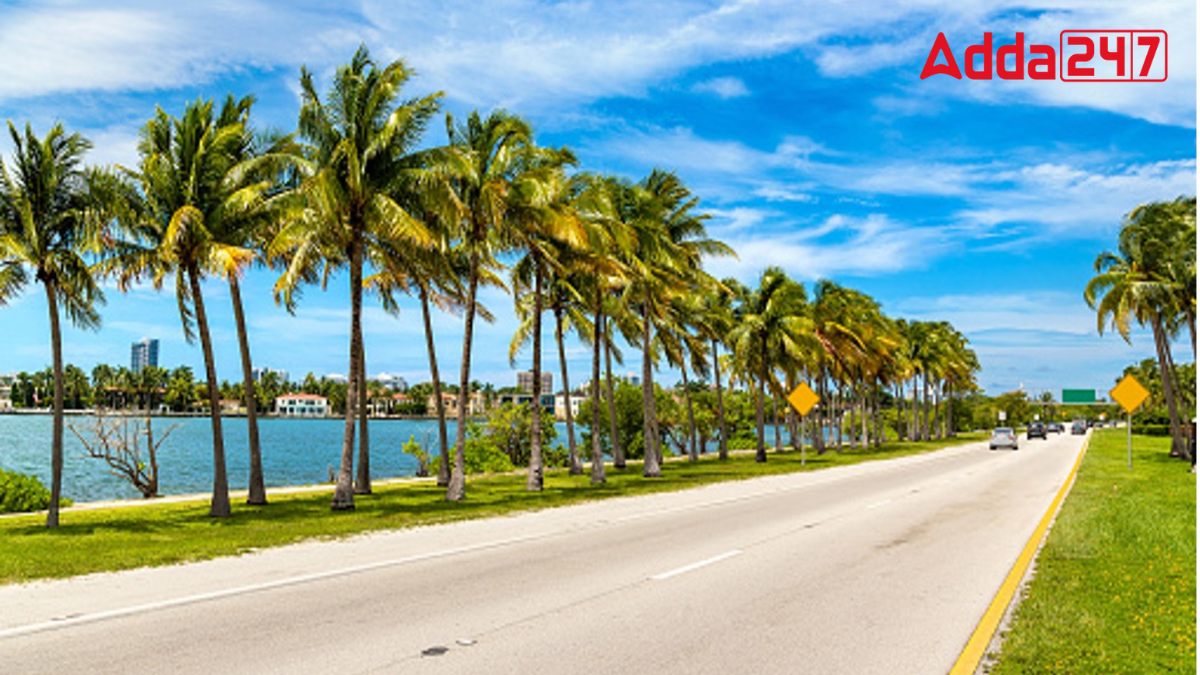
The abundance of sunshine has not only shaped the natural world but has also heavily influenced the built environment. Florida architecture is designed specifically to harmonize with, or mitigate the intensity of, the sun. These structures serve as cultural landmarks that explain why the state carries its famous nickname.
St. Augustine and the Castillo de San Marcos
In St. Augustine, the oldest continuously inhabited European-established settlement in the contiguous United States, the architecture reflects an early understanding of the local climate. The Castillo de San Marcos is a fortress made of coquina, a sedimentary rock composed of seashells. This material was not only resistant to cannon fire but also provided thermal mass that helped keep the interior cool under the relentless sun. The narrow streets and courtyards of the historic district were designed to create shade, a direct architectural response to the heat of the “Sunshine State.”
Art Deco and the Neon Glow of Miami Beach
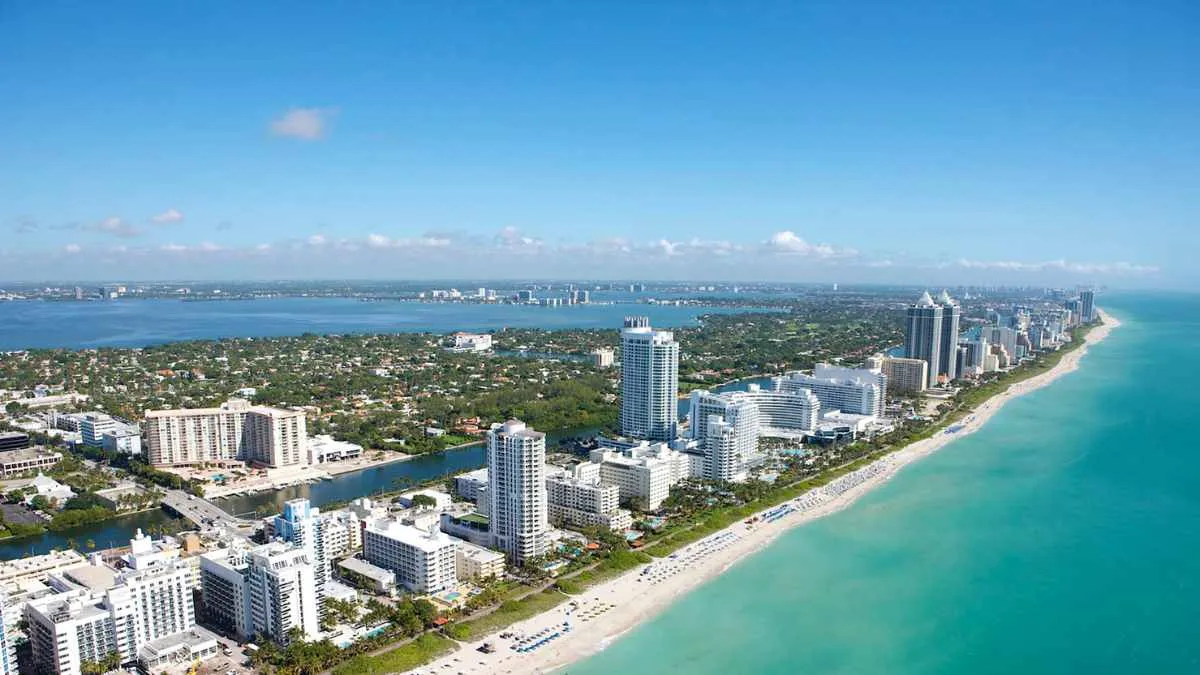
Moving further south to Miami Beach, the Art Deco Historic District stands as a landmark of 20th-century design. The buildings here are characterized by pastel colors—pinks, blues, and yellows—that were chosen specifically because they look vibrant under the intense tropical sun. The use of “eyebrows” (concrete overhangs above windows) provides shade to the building interiors, a functional design element that has become a stylistic hallmark. This area demonstrates how the nickname influenced a specific aesthetic, where the play of light and shadow on geometric facades defines the visual identity of the city.
Mediterranean Revival and the Estates of Coral Gables
In Coral Gables, the Mediterranean Revival style took hold in the 1920s. Landmarks like the Biltmore Hotel and the Venetian Pool utilize terracotta roof tiles and stucco walls. These materials are excellent for reflecting heat and withstanding the UV radiation prevalent in Florida. The Vizcaya Museum and Gardens in Miami is another landmark that utilizes open-air loggias and expansive gardens to celebrate the relationship between the sun and the landscape, modeled after Italian Renaissance villas but adapted for the Floridian climate.
Scientific and Modern Landmarks of the Sun
Beyond the historical and architectural, the nickname is represented in the state’s contributions to science and modern infrastructure. The sun is not just a source of heat; it is a source of exploration and energy.
The Space Coast and Kennedy Space Center
The Kennedy Space Center in Cape Canaveral is a global landmark for space exploration. The choice of this location was partly due to the weather and its proximity to the equator, which provides a boost for rockets launching into orbit. While the “sunshine” sometimes brings the challenge of afternoon storms that can delay launches, the clear skies of the Space Coast are essential for tracking and visibility. This landmark connects the “Sunshine State” to the stars, using the region’s clear atmosphere as a gateway to the cosmos.
Solar Innovation and Lake Okeechobee
In the center of the state, Lake Okeechobee stands as a massive freshwater landmark. The surrounding areas are increasingly becoming hubs for solar energy farms. As the “Sunshine State,” Florida is a natural leader in renewable energy. Modern landmarks are no longer just old forts or hotels; they are the vast arrays of solar panels that harvest the state’s namesake resource. From the residential streets of Boca Raton to the industrial sectors of Tampa, the transition to solar power is a modern interpretation of why the nickname remains relevant in the 21st century.
Preserving the Light: Dry Tortugas National Park
Far out in the Gulf of Mexico, Dry Tortugas National Park and the massive Fort Jefferson represent the final frontier of the state’s sun-drenched territory. This remote landmark is one of the most pristine environments in North America. The intensity of the sun here is unmatched, creating a crystal-clear marine environment where the sun reaches deep into the sea. The preservation of such landmarks ensures that the natural beauty associated with the nickname is protected for future generations.
The Enduring Legacy of a Name
The nickname “The Sunshine State” is more than just a marketing success story or a line on a license plate. It is a reflection of the state’s geographical destiny and its historical evolution. From the early Spanish explorers who marveled at the floral light of the peninsula to the modern engineers at Cape Canaveral who look through the clear sky toward the moon, the sun has been the defining landmark of the Florida experience.
Whether seen through the lens of the historic Castillo de San Marcos, the pastel streets of Miami Beach, or the wild expanses of Everglades National Park, the nickname captures the essence of a land defined by light. It has shaped how the world views this peninsula and how the people who live there interact with their environment. Florida remains the “Sunshine State” because its landmarks—both natural and man-made—continue to stand as a testament to the power and beauty of the sun. From Pensacola in the panhandle to Fort Lauderdale on the coast and Sarasota on the Gulf, the identity of the region is inextricably linked to the warmth that has drawn people to its shores for centuries.
LifeOutOfTheBox is a participant in the Amazon Services LLC Associates Program, an affiliate advertising program designed to provide a means for sites to earn advertising fees by advertising and linking to Amazon.com. Amazon, the Amazon logo, AmazonSupply, and the AmazonSupply logo are trademarks of Amazon.com, Inc. or its affiliates. As an Amazon Associate we earn affiliate commissions from qualifying purchases.