
For many travelers, the allure of Florida lies in its promise of eternal sunshine, swaying palm trees, and balmy temperatures that offer a reprieve from the harsh winters of the northern United States. However, every few seasons, a phenomenon occurs that leaves visitors reaching for parkas instead of bathing suits. The “Sunshine State” is currently experiencing a significant dip in temperature, leading many to ask: why is it so cold in Florida right now? Understanding the intersection of meteorological shifts and local tourism is essential for anyone planning a visit during these rare but impactful cold snaps.
Understanding the Meteorological Shifts and Cold Fronts
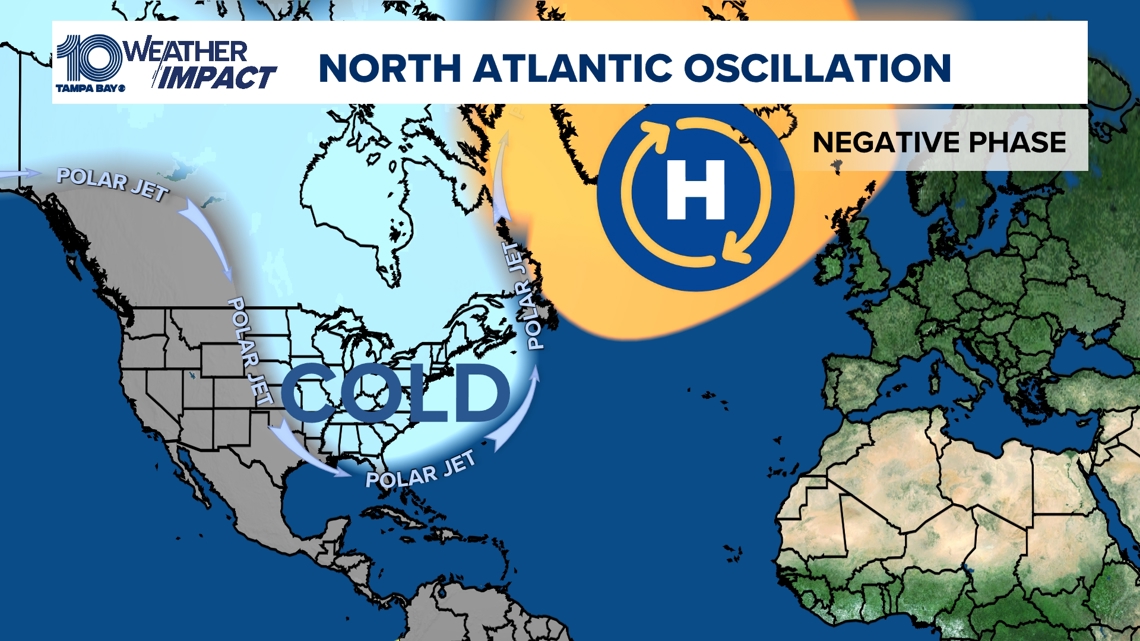
The primary reason for the current chill across the peninsula is a combination of global weather patterns and the state’s unique geography. While Florida is physically closer to the tropics, it is not immune to the movements of the polar vortex—a large area of low pressure and cold air surrounding the Earth’s poles. When this vortex weakens or shifts, it can send surges of Arctic air plummeting southward.
The Role of the Jet Stream
The jet stream acts as a boundary between cold northern air and warm southern air. When this high-altitude “river” of wind dips south, it allows cold fronts to sweep across the Gulf of Mexico and the Atlantic Ocean, blanketing Tallahassee, Jacksonville, and even Orlando in uncharacteristic frost. Because Florida is a flat peninsula, there are no mountain ranges to block these winds, allowing the cold to travel quickly from the northern panhandle all the way down to Miami.
Influence of El Niño and La Niña
Climate cycles like El Niño often play a role in Florida winters. During certain years, these cycles can lead to increased cloud cover and moisture, which prevents the sun from warming the land during the day. While the Gulf Stream usually helps regulate coastal temperatures, a particularly strong continental cold front can overpower the maritime influence, resulting in temperatures that can drop below freezing in northern and central regions.
The Impact on Florida’s Iconic Attractions and Activities
When the temperature drops, the tourism landscape in Florida shifts dramatically. Visitors who expected to spend their days at the beach or by the pool must pivot to alternative activities. This transition affects everything from theme park operations to local dining culture.
Theme Parks and Outdoor Entertainment
In Central Florida, major destinations like Walt Disney World Resort and Universal Orlando Resort remain open during cold snaps, but the experience changes. Water parks, such as Disney’s Typhoon Lagoon or Universal’s Volcano Bay, often close temporarily when temperatures fall below a certain threshold for the safety and comfort of guests.
However, there is a silver lining for tourists. Cold weather often results in shorter lines at major attractions. Walking through The Wizarding World of Harry Potter or Star Wars: Galaxy’s Edge is much more comfortable in 50-degree weather than in the sweltering 90-degree humidity of July. Local tourism boards often recommend that visitors take advantage of these “cool” days to explore the parks without the physical exhaustion of the summer heat.
The Coastal Experience
On the coast, the “cold” takes on a different form. In Miami and Fort Lauderdale, a temperature of 60 degrees Fahrenheit is considered a major event. While South Beach may see fewer sunbathers, the vibrant outdoor cafe culture remains active, often supplemented by portable heaters and cozy blankets provided by restaurants. In Key West, the southernmost point of the continental United States, temperatures rarely stay low for long, but the breezy winds can make sunset cruises on the Atlantic Ocean feel significantly chillier than expected.
Unique Winter Wildlife and Cultural Experiences
While the cold might discourage swimming, it opens the door to unique tourism experiences that are only available during these periods. Many of Florida’s natural wonders are actually enhanced by the drop in temperature.
Manatee Watching
One of the most spectacular sights in Florida during a cold snap is the gathering of West Indian manatees. These gentle giants cannot survive in water colder than 68 degrees Fahrenheit. When the Gulf of Mexico cools down, they flock to the constant 72-degree temperatures of natural springs. Blue Spring State Park and the waters of Crystal River become hubs for wildlife enthusiasts. This is peak season for eco-tourism, where visitors can view hundreds of manatees huddled together from the safety of boardwalks.
Indoor Cultural Gems
When the weather isn’t Cooperating for outdoor adventures, it is the perfect time to explore Florida’s rich museum scene. In St. Petersburg, The Dali Museum offers a world-class collection of surrealist art that can occupy an entire afternoon. Further north, the Kennedy Space Center in Merritt Island provides an expansive indoor educational experience that is perfect for families. These institutions provide a climate-controlled environment where visitors can engage with Florida’s history and contributions to science and art.
Seasonal Agriculture
Winter is also the height of the strawberry season in Plant City. While farmers may worry about frost damaging the crops, for tourists, the cool weather is ideal for visiting “u-pick” farms. The local food culture shifts toward seasonal harvests, with farmers’ markets in Tampa and Sarasota showcasing fresh produce that thrives in the milder winter sun, such as citrus, greens, and root vegetables.
Pro-Tips for Navigating the Florida Chill as a Tourist
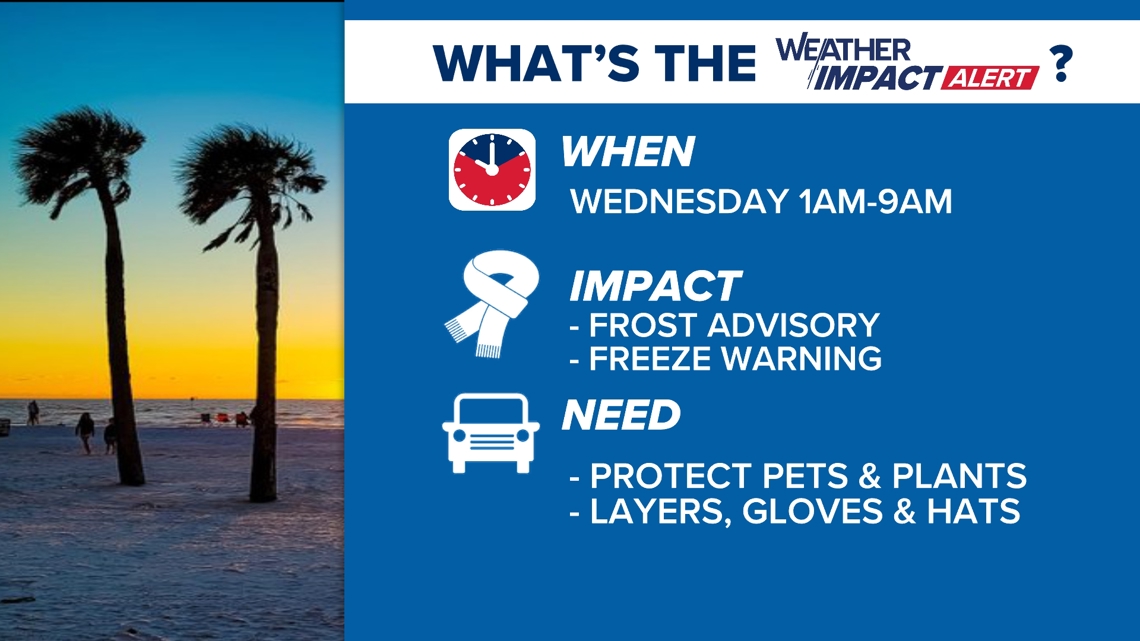
Traveling to Florida during a cold snap requires a different mindset and strategy. The “Florida cold” is often a “wet cold” due to the high humidity, which can make 50 degrees feel much sharper than it does in a dry climate.
Mastering the Layered Look
The most important tip for tourists is to pack layers. A typical winter day in Orlando might start at 40 degrees in the morning, climb to 70 degrees by 2:00 PM, and drop back down to 45 degrees by dinner. A light jacket, a scarf, and comfortable walking shoes are essentials. Avoid packing only heavy winter coats; instead, focus on versatile pieces that can be easily removed and stored in a backpack while exploring Everglades National Park or walking the historic streets of St. Augustine.
Shifting the Itinerary
If your heart was set on a beach day in Naples or Clearwater Beach, consider trading the sand for a stroll through local botanical gardens. Many plants in Florida remain green year-round, and the cooler air makes long walks through places like Fairchild Tropical Botanic Garden in Coral Gables much more pleasant.
Additionally, this is the best time for “festival tourism.” From the EPCOT International Festival of the Arts to various seafood festivals along the coast, the winter months are packed with events that celebrate local culture, music, and food. These events are designed for outdoor enjoyment without the risk of heat exhaustion.
Embracing the Local Vibe
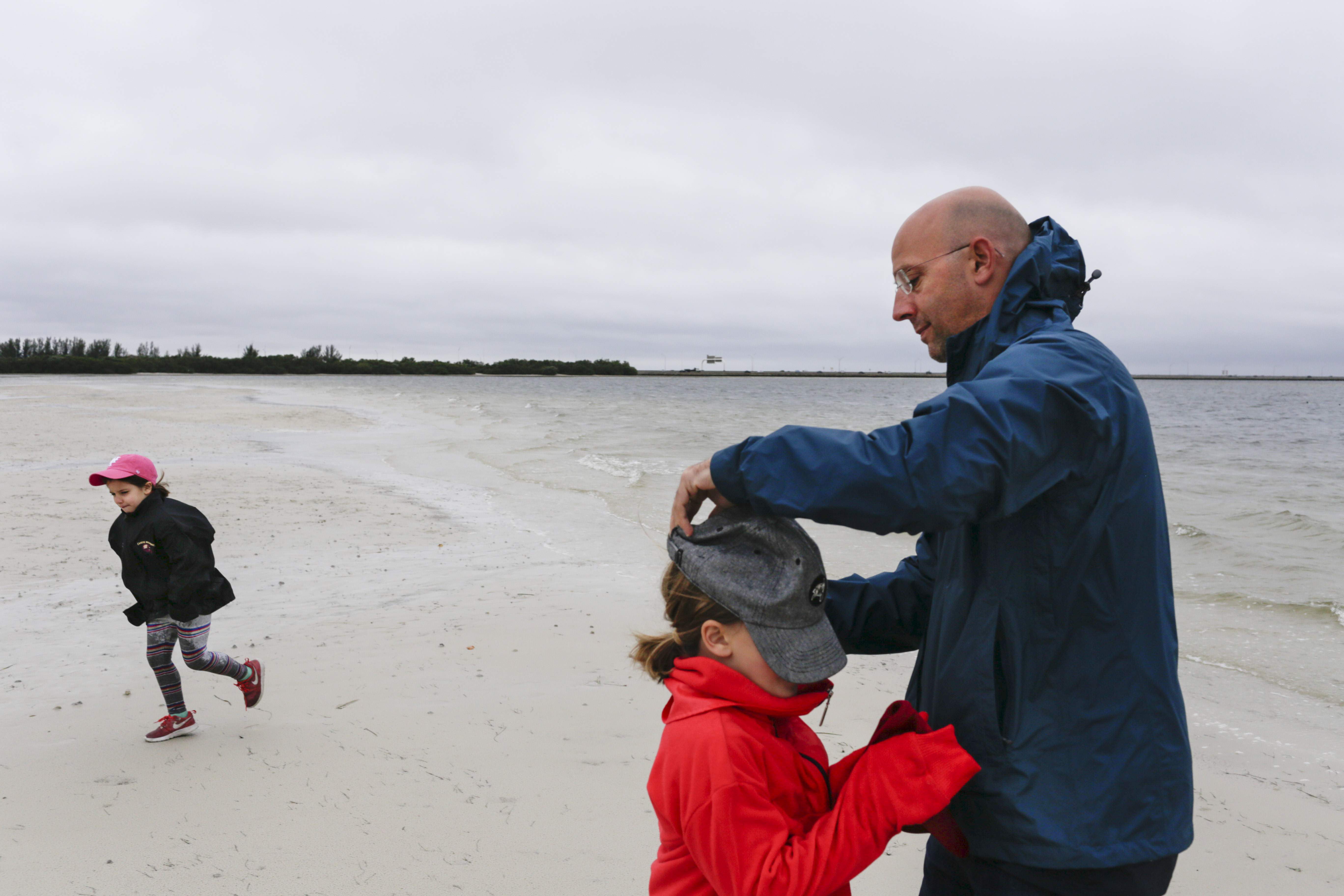
The local culture in Florida changes during these brief cold periods. You will see locals donning boots and sweaters at the first sign of a breeze, and a sense of cozy community emerges. Coffee shops in downtown Jacksonville or the Wynwood district of Miami become popular hubs. Engaging with local business owners during this time can provide a more authentic look at Florida life beyond the stereotypical “beach vacation” image.
In conclusion, while the answer to “why is it so cold in Florida right now” is rooted in the complex movements of the jet stream and Arctic air, the impact on tourism is far from negative. By embracing the cooler temperatures, visitors can discover a different side of the state—one filled with manatee sightings, vibrant indoor cultural exhibits, and comfortable theme park adventures. Florida remains a premier destination regardless of the thermometer, offering a unique blend of tropical beauty and refreshing winter variety. Whether you are exploring the historic architecture of Tallahassee or the glitz of South Beach, a little bit of cold can actually make for a much more memorable and diverse travel experience.
LifeOutOfTheBox is a participant in the Amazon Services LLC Associates Program, an affiliate advertising program designed to provide a means for sites to earn advertising fees by advertising and linking to Amazon.com. Amazon, the Amazon logo, AmazonSupply, and the AmazonSupply logo are trademarks of Amazon.com, Inc. or its affiliates. As an Amazon Associate we earn affiliate commissions from qualifying purchases.