
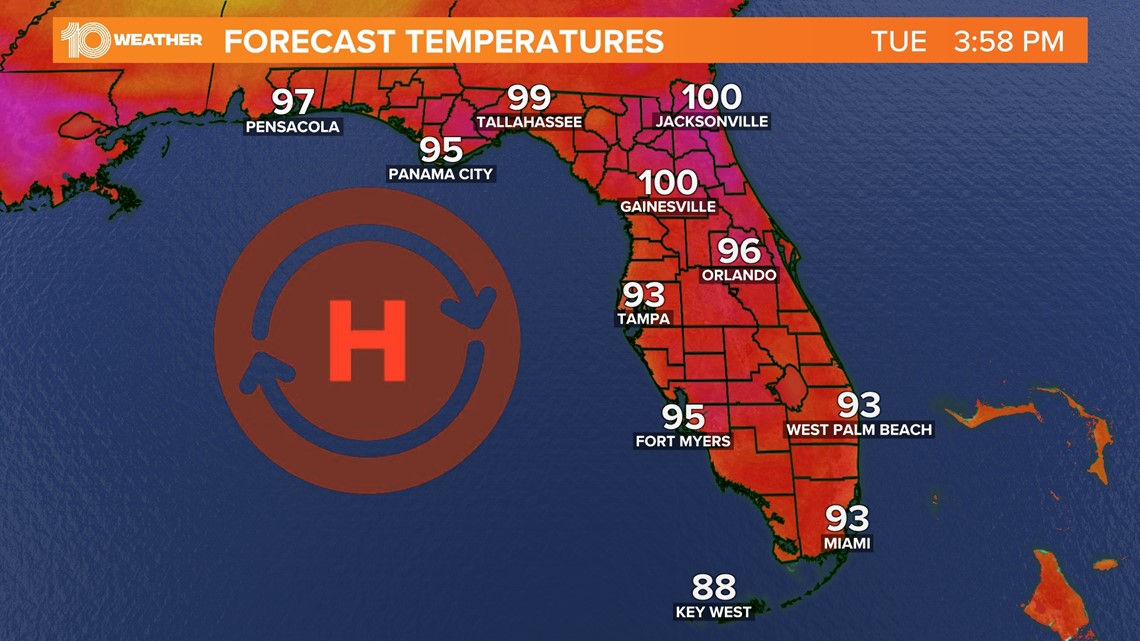
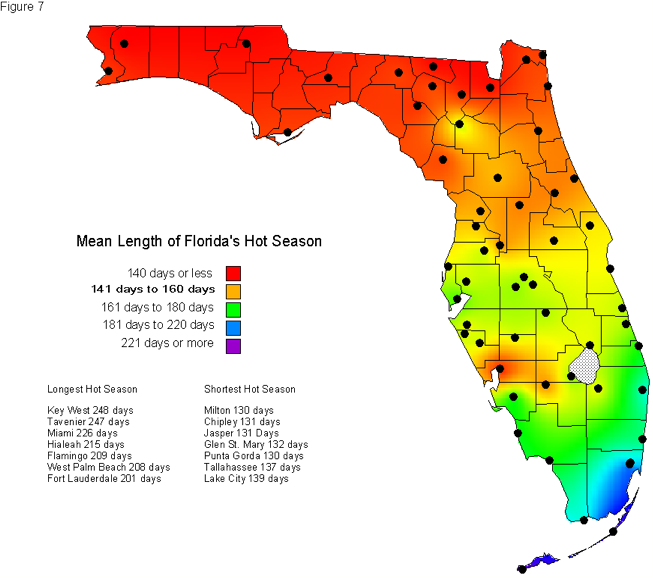
To understand why it is so hot in Florida, one must look at the unique confluence of geography, ocean currents, and atmospheric pressure that defines the Sunshine State. For the millions of tourists who flock to Orlando or the golden sands of Miami each year, the heat is more than just a weather report; it is a tangible, heavy presence that dictates the rhythm of daily life. This intense thermal environment is primarily a result of the state’s proximity to the equator and its position as a narrow peninsula surrounded by the warm waters of the Gulf of Mexico and the Atlantic Ocean. Because Florida is essentially a giant finger of land jutting into tropical seas, it remains perpetually bathed in moisture, which traps heat and creates the legendary humidity that characterizes the region.
The Science and Geography of the Florida Heat
The primary reason for the persistent warmth is latitude. Most of Florida lies in a subtropical zone, while the southern tip, including Key West and Miami Beach, is technically tropical. During the summer months, the sun’s rays hit the state at a nearly direct angle, transferring maximum solar energy to the ground. Unlike the arid heat of Arizona or Nevada, the Florida heat is “wet.” The surrounding bodies of water, which stay warm year-round, constantly evaporate into the atmosphere. This moisture acts like a thermal blanket, preventing the heat from escaping back into space at night.
The Role of Humidity and the Heat Index
For visitors, the “Heat Index” is often a more important metric than the actual temperature. If the thermometer reads 95 degrees Fahrenheit in Jacksonville, the high humidity can make it feel like 110 degrees. Humidity interferes with the body’s natural cooling mechanism—sweating. In a dry climate, sweat evaporates quickly, cooling the skin. In the thick air of Tampa or Tallahassee, moisture stays on the skin, leading to that “sticky” feeling that is synonymous with a Florida summer.
The Bermuda High
Another factor is a semi-permanent high-pressure system known as the Bermuda High. This system often sits over the Atlantic Ocean, pumping warm, moist air from the Caribbean Sea directly into the peninsula. This prevents cool fronts from the north from reaching the state during the summer, effectively locking Florida into a cycle of intense heat and afternoon thunderstorms.
Cultural Rhythms: How Locals Embrace the Heat
The heat has fundamentally shaped the local culture and social norms of Florida. To the uninitiated, the state might seem quiet during the middle of the day, but that is simply a survival tactic. Tourism in the state has evolved to accommodate this reality, emphasizing early morning explorations and late-night festivities.
The Indoor-Outdoor Lifestyle
In cities like Fort Lauderdale and Coral Gables, architecture and urban planning often revolve around shaded walkways and high-powered climate control. The “AC culture” is real; locals often carry light sweaters even in July because the transition from the 100-degree outdoor heat to a 68-degree indoor mall or restaurant can be jarring. This reliance on air conditioning has allowed Florida to grow into a year-round destination, whereas historically, it was largely a winter retreat for “Snowbirds” from the north.
Evening Socialization and Night Markets
As the sun dips below the horizon, the state truly comes alive. In Little Havana, the click-clack of dominoes in Maximo Gomez Park echoes through the cooler evening air. Night markets in Orlando and street festivals in St. Petersburg are strategically timed to begin as the “feels like” temperature drops into a comfortable range. Understanding this cultural shift is key for any tourist; the most authentic Florida experiences often happen under the glow of neon lights and the stars, rather than the midday sun.
Cooling Down: Florida’s Natural and Cultural Refuges
When the heat becomes overwhelming, the tourism industry offers a variety of ways to seek relief. Beyond the obvious choice of a hotel swimming pool, the state is home to some of the most unique cooling experiences in North America.
The Natural Springs Network
Central Florida is dotted with a network of freshwater springs that remain a constant 72 degrees Fahrenheit year-round. Ichetucknee Springs State Park and Silver Springs State Park are iconic destinations where visitors can tube down crystal-clear rivers or take glass-bottom boat tours. These springs are the state’s original “water parks,” providing a refreshing escape that feels miles away from the humid urban centers.
Indoor Attractions and Museums
For those who prefer a more curated experience, Florida boasts world-class museums that offer both cultural enrichment and high-end air conditioning. The Salvador Dali Museum in St. Petersburg and the Vizcaya Museum and Gardens in Coconut Grove offer respite from the sun. In Cape Canaveral, the Kennedy Space Center Visitor Complex provides sprawling indoor exhibits that allow tourists to spend an entire day learning about space exploration without ever breaking a sweat.
The Water Park Capital
It is no coincidence that Orlando is home to some of the best water parks in the world. From Disney’s Typhoon Lagoon to Universal’s Volcano Bay, these attractions are engineered specifically to combat the Florida heat. They utilize misting stations, shaded queues, and massive wave pools to keep guests comfortable while they navigate the high-energy environment of the major theme parks.
A Taste of the Tropics: Heat-Inspired Flavors
Tourism and food are inextricably linked, and in Florida, the culinary landscape is heavily influenced by the need to stay cool. The local diet is a reflection of the tropical environment, emphasizing lightness, acidity, and hydration.
Citrus and Key Lime Traditions
The Florida citrus industry is world-famous, and there is nothing more iconic than a glass of fresh-squeezed orange juice from a roadside stand in Lakeland. However, the ultimate cooling dessert is the Key Lime Pie. Originating in Key West, this tart, creamy treat uses the acidity of local limes to provide a refreshing finish to a meal. Many local shops even serve “frozen Key Lime Pie on a stick,” dipped in dark chocolate—a portable solution for the mid-afternoon heat.
Fresh Seafood and Ceviche
In coastal areas like Sarasota and Destin, the local food scene focuses on the “catch of the day.” Cold seafood dishes, such as shrimp cocktail or snapper ceviche, are staples of the Florida tourism experience. These dishes are designed to satisfy without being heavy, making them the perfect choice for a beachfront lunch at South Beach or Clearwater Beach.
The Cuban Coffee Influence
While it might seem counterintuitive to drink hot coffee in the heat, the Cafe Cubano found in Ybor City and Miami is a cultural pillar. The intense sweetness and caffeine kick provide a necessary energy boost to power through the lethargy that heat can cause. For those who can’t handle the heat of the beverage, the “iced” versions and tropical fruit shakes, known as batidos, are popular alternatives found throughout the state’s many Latin American eateries.
Essential Tips for Navigating the Florida Sun
Successfully navigating a trip to Florida requires more than just sunscreen; it requires a strategic approach to the environment. The heat can be punishing for those who are unprepared, but with a few local tips, it becomes a manageable and even enjoyable part of the tropical experience.
The “3 PM Rule”
Experienced visitors to Walt Disney World or Universal Studios Florida swear by the “3 PM Rule.” This is the peak hour for heat and the most likely time for a sudden tropical downpour. Many savvy tourists return to their accommodation in the early afternoon for a nap or a swim, then head back out to the parks or the beach at 5 PM or 6 PM when the sun’s intensity begins to wane and the crowds thin out.
Hydration and Gear
In Florida, hydration is a safety issue. Electrolyte-heavy drinks are recommended over soda or alcohol during the hottest parts of the day. Furthermore, the local “uniform” of linen shirts, wide-brimmed hats, and polarized sunglasses is not just a fashion statement in Palm Beach—it is functional gear. Specialized cooling towels, which stay chilled for hours after being soaked in water, have become a must-have accessory for families trekking through Everglades National Park.
Understanding the Afternoon Rain
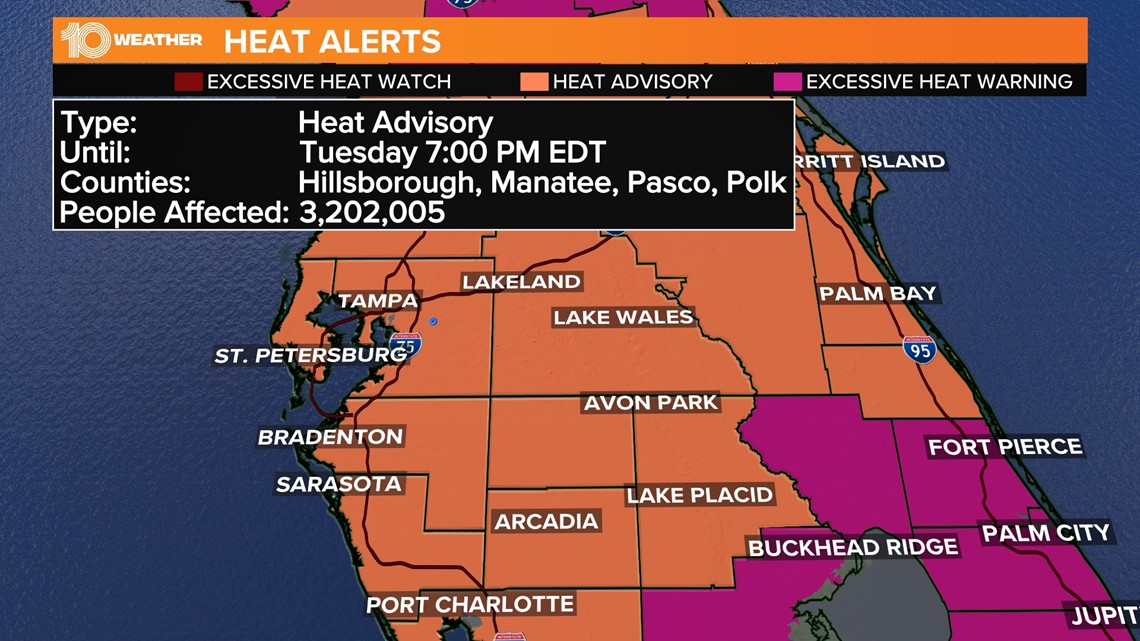
The heat in Florida creates a predictable meteorological pattern: the afternoon thunderstorm. As the land heats up, it draws in moisture from the oceans, leading to brief but intense rain showers almost every day between 2 PM and 4 PM. Instead of letting these storms ruin a day at Busch Gardens, locals view them as a “nature’s AC.” These storms temporarily drop the temperature by ten or fifteen degrees, providing a much-needed cooling effect for the evening ahead.
While the question “Why so hot in Florida?” can be answered with science, the reality of the heat is best understood through the state’s vibrant tourism and local culture. By leaning into the tropical lifestyle—choosing the right activities, eating the right foods, and respecting the power of the sun—visitors can discover that the heat is exactly what makes the Sunshine State such a compelling and exotic destination. Whether you are exploring the historic streets of St. Augustine or looking for manatees in Crystal River, the warmth of the climate is matched only by the warmth of the local hospitality.
LifeOutOfTheBox is a participant in the Amazon Services LLC Associates Program, an affiliate advertising program designed to provide a means for sites to earn advertising fees by advertising and linking to Amazon.com. Amazon, the Amazon logo, AmazonSupply, and the AmazonSupply logo are trademarks of Amazon.com, Inc. or its affiliates. As an Amazon Associate we earn affiliate commissions from qualifying purchases.