
The dream of walking beneath a canopy of soft pink and white blossoms is often associated with the spring landscapes of Washington DC or the ancient groves of Japan. For those residing in or visiting the Sunshine State, the question of whether a cherry tree can thrive in such a distinctively subtropical climate is a common inquiry. Florida is a land of ecological contrasts, where the sandy soils and humid breezes of the Atlantic Ocean and the Gulf of Mexico dictate the rhythm of the natural world. While the iconic Yoshino Cherry may find the heat of Miami overwhelming, the state’s diverse geography allows for a surprising variety of flowering trees that capture that same ephemeral beauty.
The Botanical Landscape of the Sunshine State
Understanding the botanical potential of Florida requires a deep dive into the specific environmental conditions that define the region. The state is divided into several USDA Hardiness Zones, ranging from the temperate reaches of North Florida to the truly tropical climate of the Florida Keys. This diversity means that a plant that flourishes in Tallahassee might struggle to survive in Orlando or Fort Lauderdale.
Understanding Chill Hours and Dormancy
The primary obstacle for traditional cherry trees in Florida is the concept of “chill hours.” Most stone fruits, belonging to the genus Prunus, require a specific number of hours where the temperature remains between 32 and 45 degrees Fahrenheit during the winter. These chill hours signal to the tree that it is time to break dormancy and begin the flowering process. In much of Central Florida and South Florida, the winters are simply too mild to meet these requirements.
When a tree does not receive sufficient chill hours, its bloom cycle becomes erratic, or it may fail to leaf out entirely, eventually weakening the tree until it succumbs to the heat of the summer. However, researchers at the University of Florida and the IFAS extension have spent decades identifying low-chill varieties that can adapt to the unique thermal profile of the region.
The Humidity Factor and Soil Composition
Beyond temperature, the high humidity levels found near the Everglades and along the coastlines create a breeding ground for fungal pathogens. Traditional cherry varieties are often susceptible to root rot and leaf spot in these conditions. Furthermore, the alkaline nature of the soil in areas like Sarasota or West Palm Beach can lead to nutrient deficiencies. To successfully grow a flowering tree that mimics the cherry aesthetic, one must look toward species that have evolved to handle the Florida sun and its accompanying moisture.
Florida-Friendly Cherry Varieties and Tropical Alternatives
While the traditional cherries of the northern states may be out of reach for many, several species and cultivars have become landmarks of Florida horticulture. These trees provide the visual interest and biological diversity that nature enthusiasts crave.
The Taiwan Cherry: A North Florida Landmark
The Taiwan Cherry, or Prunus campanulata, is perhaps the most successful “true” cherry for the Florida landscape. Known for its vibrant, deep pink, bell-shaped flowers, this variety requires significantly fewer chill hours than its cousins. It is a common sight in Gainesville and surrounding areas during the late winter months. Because it blooms before it leaves out, the Taiwan Cherry offers a dramatic display that rivals the spring festivals of more temperate climates.
The Okame Cherry and Low-Chill Cultivars
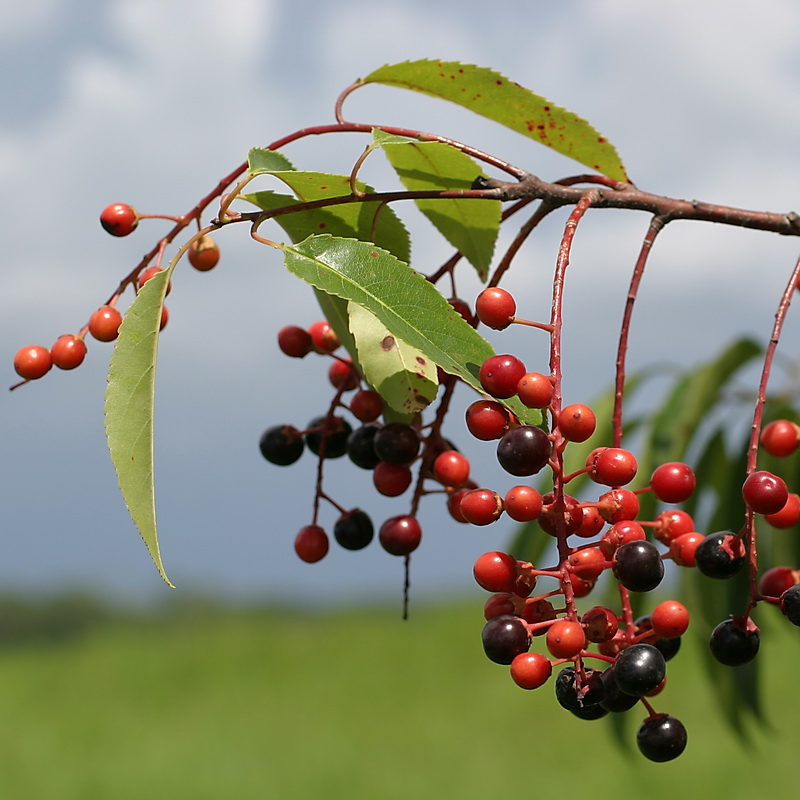
The Okame Cherry is another hybrid that has found a home in the northern third of the state. It is prized for its early bloom time and its ability to withstand the fluctuating temperatures of a North Florida winter. For gardeners in Central Florida, the search for a cherry-like experience often leads to the Black Cherry, specifically the Prunus serotina. While its flowers are smaller and arranged in racemes rather than the iconic clusters of the Kwanzan Cherry, it is a native species that provides vital support to local pollinators and wildlife.
Tropical “Cherries” of South Florida
In the tropical zones of the state, gardeners often turn to species that are cherries in name only but offer delicious fruit and beautiful foliage. The Surinam Cherry, or Eugenia uniflora, is a popular choice for hedges and ornamental planting. Its ribbed, red fruits are a hallmark of many South Florida gardens. Similarly, the Barbados Cherry, also known as the Acerola or Malpighia emarginata, is celebrated for its high vitamin C content and its delicate pink flowers that bloom intermittently throughout the year.

Iconic Botanical Landmarks Featuring Flowering Trees
For those who wish to experience the beauty of flowering trees without the labor of cultivation, Florida is home to world-class botanical landmarks that showcase the best of the state’s natural and introduced flora.
Morikami Museum and Japanese Gardens
Located in Delray Beach, the Morikami Museum and Japanese Gardens is a premier destination for experiencing the intersection of Japanese culture and Florida nature. The gardens are designed to represent different eras of Japanese garden design. While maintaining traditional cherry trees in the heat of Palm Beach County is a challenge, the curators have masterfully integrated the Taiwan Cherry and other flowering species to create an atmosphere of “hanami” (flower viewing) that feels authentic to the Japanese spirit.
Harry P. Leu Gardens
In the heart of Orlando, the Harry P. Leu Gardens span 50 acres of curated landscapes. This landmark is famous for its extensive camellia collection, but it also serves as a living laboratory for flowering trees. Visitors can observe how different species of the Prunus genus fare in the Central Florida climate. The gardens provide an insightful look at how native oaks and pines can provide the necessary shade and microclimates to help more sensitive flowering trees survive the intense summer sun.
Bok Tower Gardens
Situated on one of the highest points of the Florida peninsula in Lake Wales, Bok Tower Gardens is a masterpiece of landscape architecture. Designed by Frederick Law Olmsted Jr, the gardens are a sanctuary for both birds and humans. The rolling hills and ancient citrus groves provide a backdrop for a variety of flowering trees. While the “Singing Tower” is the architectural centerpiece, the winding paths through the “Gardens of the Sun” reveal the subtle beauty of Florida’s native flowering plums and cherries, which bloom in a quiet symphony of white and pale pink.
Fairchild Tropical Botanic Garden
For a look at the more exotic side of the cherry family, the Fairchild Tropical Botanic Garden in Coral Gables is unparalleled. This landmark focuses on the preservation of tropical plants from around the world. Here, one can find the Barbados Cherry and other members of the Malpighiaceae family, which thrive in the frost-free environment. The garden’s commitment to education and conservation makes it an essential stop for anyone interested in the future of tropical biodiversity.
Cultivating Natural Beauty in the Florida Landscape
Growing a cherry tree, or a suitable alternative, in Florida is an exercise in patience and selection. It requires a departure from the traditional gardening rules of the north and an embrace of the state’s unique ecological identity.
Site Selection and Soil Amendment
For those determined to plant a Taiwan Cherry or an Okame Cherry in North Florida, site selection is critical. These trees prefer well-drained soil and benefit from being planted in an area that receives morning sun but is protected from the harshest afternoon rays. Because Florida soil is often sandy and lacking in organic matter, amending the planting hole with compost and peat moss is essential for providing the nutrients the tree needs to establish a strong root system.
The Role of Native Flora in History and Nature
The Black Cherry has played a significant role in the history of the American South. Its wood has long been prized by craftsmen for its deep color and fine grain, while its fruit was a staple for indigenous populations and early settlers. By choosing to plant native varieties, Florida residents contribute to a historical lineage of land stewardship. These trees are naturally resistant to the pests and diseases that plague imported species, making them a sustainable choice for the modern landscape.

Future Horizons in Florida Horticulture
As climate patterns continue to shift, the work of botanical gardens and agricultural scientists becomes even more vital. New hybrids are constantly being developed to push the boundaries of where certain species can grow. The dream of a cherry-blossom-filled spring in Florida is closer than ever, thanks to the careful selection of low-chill varieties and the celebration of tropical look-alikes. Whether you are wandering through the Kanapaha Botanical Gardens in Gainesville or admiring the lakeside beauty of Marie Selby Botanical Gardens in Sarasota, the spirit of the cherry tree—one of renewal, beauty, and resilience—is alive and well in the Florida landscape.
LifeOutOfTheBox is a participant in the Amazon Services LLC Associates Program, an affiliate advertising program designed to provide a means for sites to earn advertising fees by advertising and linking to Amazon.com. Amazon, the Amazon logo, AmazonSupply, and the AmazonSupply logo are trademarks of Amazon.com, Inc. or its affiliates. As an Amazon Associate we earn affiliate commissions from qualifying purchases.