
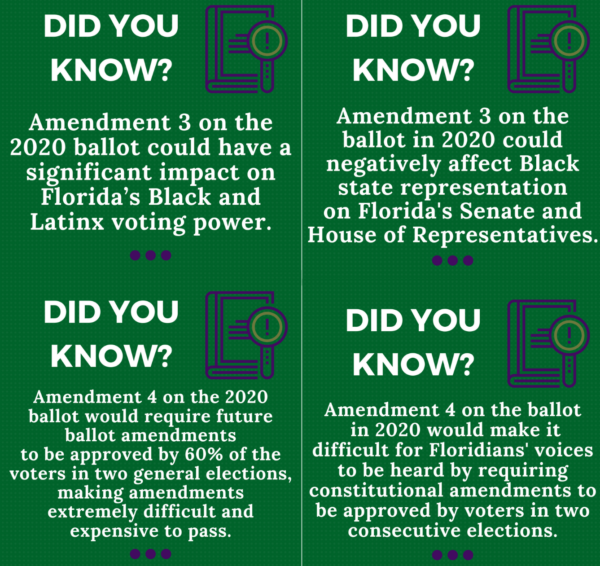
The recent election cycle in the United States brought significant attention to the Sunshine State, specifically regarding a high-profile ballot measure known as Amendment 3. For travelers, digital nomads, and families planning their next getaway to Florida, the outcome of this vote is more than just a political footnote; it directly influences the local culture, the social atmosphere of vacation hotspots, and the legal expectations for visitors. Despite a majority of voters supporting the initiative, Amendment 3 did not pass, as it failed to reach the rigorous 60% supermajority threshold required for constitutional amendments in the state.
For the tourism industry, this means the status quo remains. The proposal sought to legalize the recreational use of marijuana for adults aged 21 and older, a move that would have mirrored the shifts seen in states like California and Colorado. As the dust settles on the election, tourists arriving in Miami or Orlando must continue to navigate the existing legal framework. Understanding these nuances is essential for anyone looking to enjoy the diverse offerings of this subtropical paradise without unintended legal complications.
Understanding the Outcome and Its Impact on Florida Tourism
The failure of Amendment 3 to cross the finish line has significant implications for how Florida positions itself as a global travel destination. While many expected the state to join the growing list of regions embracing a more liberal approach to adult-use substances, the current environment remains conservative regarding recreational possession and consumption. For the millions of tourists who flock to Fort Lauderdale or Tampa annually, this means that the familiar family-friendly and traditional leisure-oriented atmosphere will persist.
The Legal Landscape for Travelers
From a tourism perspective, the primary takeaway is that recreational marijuana remains illegal under state law. Visitors should be aware that even if they are traveling from a state where recreational use is permitted, such as New York or Illinois, those laws do not apply once they cross the border into the Everglades State. This is particularly important for international travelers arriving at Miami International Airport or Orlando International Airport, where federal and state regulations are strictly enforced.
The medical marijuana program, however, remains active. Florida has a robust medical infrastructure, but it is generally restricted to residents with qualifying conditions and specific state-issued identification. For the average tourist, this means that the “dispensary culture” seen in Las Vegas is not part of the Florida experience for now. Navigating the state’s vibrant nightlife in South Beach or the dining scenes in Downtown West Palm Beach requires an understanding that public consumption of non-permitted substances can lead to fines or legal intervention.
How the Vote Shapes the Vacation Environment
The decision not to pass Amendment 3 preserves a certain “vibe” that many travelers associate with the state. Many luxury resorts in Naples and family-centric areas near Walt Disney World Resort have historically preferred a controlled environment. By maintaining the current restrictions, the state continues to cater heavily to the demographic that seeks a traditional, substance-free public atmosphere.
However, the tourism board and local businesses in cities like Tallahassee and Jacksonville are also aware of the evolving social climate. The conversation surrounding the amendment has highlighted a growing cultural shift, even if the legal change didn’t manifest this time. Visitors will find that while the law remains the same, the social dialogue is active, and many urban centers are increasingly progressive in their local ordinances, even if they must still adhere to state-wide mandates.
Navigating Florida’s Current Social Regulations as a Visitor
For those planning a trip, it is vital to distinguish between state law and local enforcement. In some jurisdictions, such as Miami-Dade County and Key West, local authorities have historically taken a more lenient approach to minor infractions, sometimes opting for civil citations rather than criminal charges. However, these local “decriminalization” efforts do not override state law, and the failure of Amendment 3 reinforces the state’s ability to enforce stricter standards if it chooses.
Recreational vs. Medical Rules in Major Hubs
Travelers should note that Orlando, as the world’s theme park capital, maintains a very strict policy within its major attractions. Universal Orlando Resort and SeaWorld Orlando have clear zero-tolerance policies for illegal substances on their premises. This is a critical tip for visitors: even if social norms seem relaxed in a nearby neighborhood like Winter Park, the private property rules of major tourist landmarks are absolute.
In the northern part of the state, including Pensacola and Panama City Beach, the social atmosphere tends to be more conservative. Visitors to the Florida Panhandle should expect standard enforcement of state laws. Understanding these regional differences is part of being a savvy traveler in a state as large and diverse as Florida.
The Influence of Local Ordinances in Miami Beach and Beyond
Miami Beach is a unique case study in Florida tourism. Known for its high-energy atmosphere and iconic Art Deco Historic District, the city frequently adjusts its local ordinances to manage the massive influx of tourists. In recent years, the city has implemented stricter “spring break” rules and public behavior guidelines. The failure of Amendment 3 likely simplifies things for local law enforcement in Miami Beach, as they do not have to integrate a new legal recreational framework into their already complex crowd-management strategies.

For tourists, this means that the focus remains on the incredible food, the beaches, and the cultural landmarks. Whether you are visiting the Vizcaya Museum and Gardens or enjoying the street art in Wynwood, the expectation is that visitors will respect the current legal boundaries.
Exploring the Sunshine State Beyond Legal Debates
While the legal status of Amendment 3 was a major headline, it represents only a small fraction of what makes Florida a world-class destination. The state’s true draw lies in its unparalleled natural beauty, its historical depth, and its innovative entertainment sectors. Regardless of the legislative landscape, the activities and attractions available to visitors remain as vibrant as ever.
The Appeal of Walt Disney World and Universal Studios
Orlando remains the primary engine of Florida tourism. The expansion of Epic Universe and the continuous updates to Magic Kingdom Park ensure that the city stays at the top of travel bucket lists. For many, the result of Amendment 3 is a non-factor compared to the thrill of Star Wars: Galaxy’s Edge or the immersive world of The Wizarding World of Harry Potter.
The tourism infrastructure here is designed for seamless experiences. From the transportation provided by the Brightline train, which connects Miami to Orlando, to the high-end hospitality at the Four Seasons Resort Orlando, the state continues to invest in luxury and convenience. The outcome of the vote ensures that the family-centric “bubble” of these theme parks remains undisturbed by changes in public consumption laws.
Coastal Gems from Key West to Destin
Beyond the theme parks, the coastal culture of Florida offers a different kind of escape. In Key West, the “One Human Family” philosophy creates a welcoming environment for all, where the focus is on sunsets at Mallory Square and exploring the Ernest Hemingway Home and Museum.
On the opposite end of the state, Destin and the Emerald Coast provide some of the clearest waters in the Gulf of Mexico. These areas are perfect for fishing, boating, and enjoying the “Old Florida” feel that persists in places like St. George Island. For nature lovers, Everglades National Park and Biscayne National Park offer eco-tours that highlight the state’s unique biodiversity, from manatees to roseate spoonbills.
Planning Your Trip: Tips for a Seamless Florida Experience
Traveling to Florida requires a bit of logistical planning, especially given the state’s vast size. Whether you are heading to the historic streets of St. Augustine—the oldest city in the United States—or the modern skyline of Brickell, being informed is your best travel tool.
Staying Informed on Local Laws
Because Amendment 3 did not pass, the most important tip for tourists is to avoid bringing any regulated substances into the state. This includes products purchased legally in other states or countries. The Transportation Security Administration operates under federal law, and Florida state troopers are diligent on interstate highways like I-95 and I-75.
If you are looking for relaxation, consider the world-class spas in Palm Beach or the wellness retreats in Sarasota. The state offers countless legal ways to unwind, from the quiet beaches of Sanibel Island to the luxury shopping at Bal Harbour Shops.

Respecting the Culture of Florida
Florida is a melting pot. In Miami, the influence of Cuba and Latin America is evident in the coffee culture of Little Havana. In Tampa, the historic Ybor City district tells the story of the cigar industry and immigrant communities. Respecting these local cultures means adhering to the community standards and laws that they have upheld.
The failure of Amendment 3 shows that while the state is evolving, it still values a specific legal structure. Tourists who visit with a spirit of adventure and a respect for the local lifestyle will find that Florida remains one of the most welcoming and diverse places in the world. From the space-age wonders of Kennedy Space Center on the Space Coast to the serene sunsets of Clearwater Beach, the state’s attractions are more than enough to provide a lifetime of memories.
When booking your stay, whether at the Biltmore Hotel Coral Gables or a beachside bungalow in Anna Maria Island, you can do so with the confidence that the Florida you know—vibrant, sunny, and strictly regulated—is exactly what you will find. The outcome of Amendment 3 ensures that for the foreseeable future, the tourism landscape remains focused on its traditional strengths, inviting visitors to explore its shores, parks, and cities under the same rules that have governed them for years.
LifeOutOfTheBox is a participant in the Amazon Services LLC Associates Program, an affiliate advertising program designed to provide a means for sites to earn advertising fees by advertising and linking to Amazon.com. Amazon, the Amazon logo, AmazonSupply, and the AmazonSupply logo are trademarks of Amazon.com, Inc. or its affiliates. As an Amazon Associate we earn affiliate commissions from qualifying purchases.