
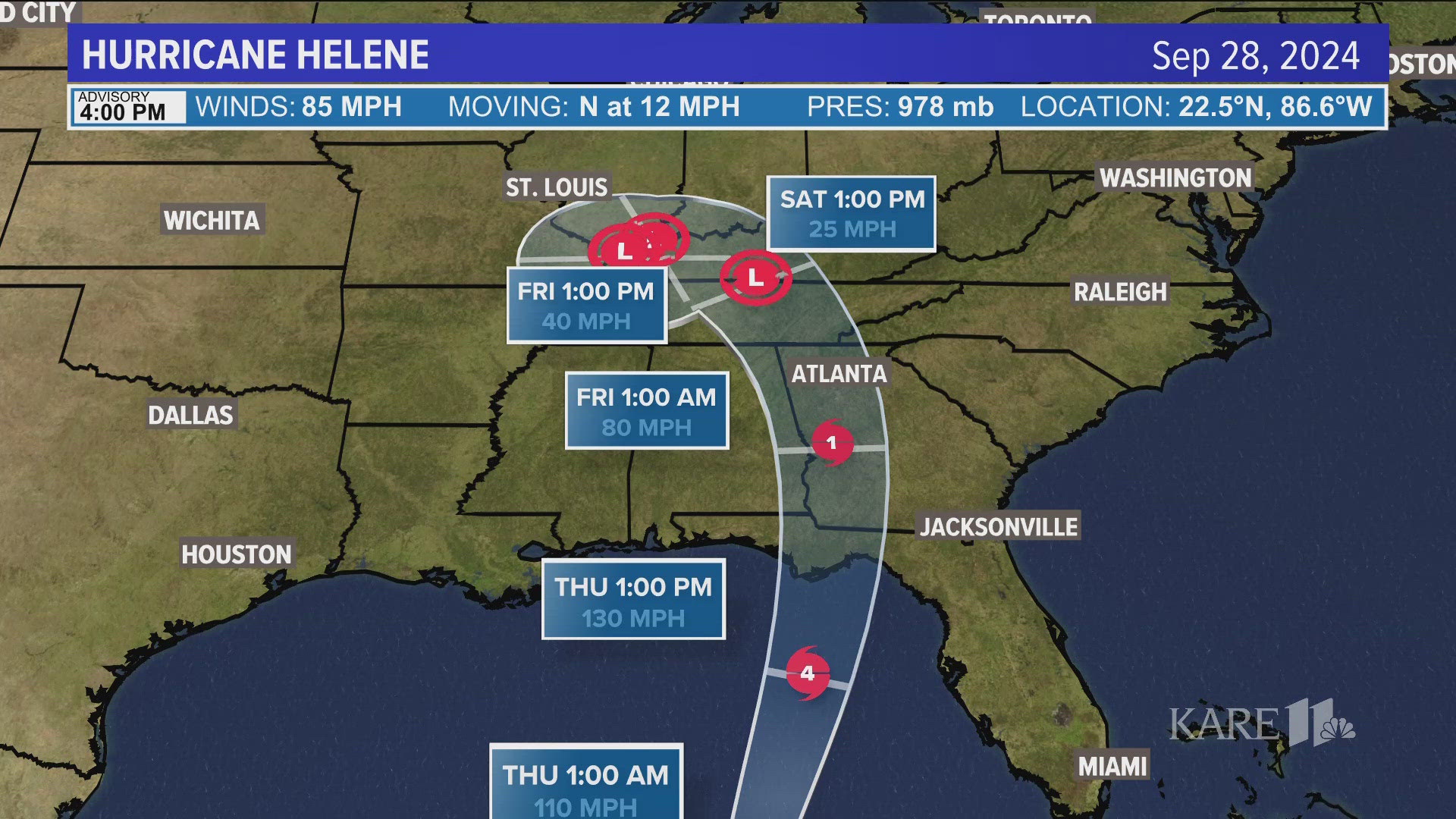
The short answer is a resounding yes. Hurricane Helene made a historic and devastating landfall in the Sunshine State, specifically striking the Big Bend region as a powerful Category 4 storm. For travelers, tourists, and those who cherish the unique coastal culture of Florida, the impact was profound. While the storm’s center moved through the northern part of the state, its massive size ensured that the effects—ranging from record-breaking storm surges to high winds—were felt from the Florida Keys all the way to the Panhandle.
Understanding the current state of tourism in Florida requires a nuanced look at which areas are open for business, which are in recovery, and how the local culture is proving its legendary resilience. For those planning a visit, it is essential to look beyond the headlines and understand the practicalities of navigating the state post-Helene.

The Geographic Reach of the Storm’s Impact on Tourism
When Hurricane Helene approached the coast, it brought with it a storm surge that many veteran residents had never witnessed. The tourism landscape of the Gulf Coast was altered in a matter of hours, particularly in communities that rely heavily on seasonal visitors and eco-tourism.
The Big Bend and Nature Coast
The eye of the storm crossed the coast near Perry, a region often referred to as the Nature Coast. This area is a hidden gem for tourists seeking “Old Florida”—vast marshlands, quiet fishing villages, and world-class scalloping. Destinations like Steinhatchee and Cedar Key bore the brunt of the landfall.
Cedar Key, a historic island town known for its artsy vibe and award-winning clam chowder, faced significant structural challenges. For tourists, this means that while the spirit of the island remains, the immediate availability of waterfront rentals and boutique shops has been temporarily curtailed. The recovery in Steinhatchee is also a priority, as the local marinas and fishing charters are the lifeblood of the town’s tourism economy. Travelers interested in these areas should monitor local tourism boards closely, as supporting these small businesses during their reopening phases is the best way to help the community.
The Tampa Bay Area and Barrier Islands
Further south, the Tampa Bay region experienced a surge that inundated many of its most famous beaches. Clearwater Beach and St. Pete Beach saw water levels rise into streets and ground-floor businesses. These areas are major hubs for international travelers, home to iconic landmarks like Pier 60 and the Don Cesar.
The barrier islands, including Treasure Island and Madeira Beach, faced significant sand displacement and flooding. For those who had planned trips to the Johns Pass Village and Boardwalk, the focus has shifted to cleanup and restoration. While the mainland cities of Tampa and St. Petersburg recovered relatively quickly, the beach communities are working diligently to restore the pristine conditions that tourists expect from the Gulf of Mexico.
Cultural Resilience: How Local Communities Rebound
One of the most remarkable aspects of Florida tourism is the resilience of its local culture. From the food scene to the arts, the “open for business” sign is a point of pride for Floridians. Even in the wake of Hurricane Helene, the cultural heartbeat of the state remains strong.
The Spirit of Ybor City and Sarasota
In Tampa, the historic district of Ybor City remained largely protected from the worst of the surge, allowing its vibrant nightlife and culinary scene to continue serving both locals and visitors. Tourists can still walk the brick streets, enjoy a hand-rolled cigar, and dine at the legendary Columbia Restaurant.
Further down the coast in Sarasota, the impact was felt heavily on the islands of St. Armands Circle and Siesta Key. Siesta Key, frequently voted the best beach in the United States, saw its famous quartz sand covered in debris. However, the local community in Sarasota is known for its dedication to the arts and tourism. The Ringling Museum of Art and other inland cultural sites remained accessible, providing alternative activities for tourists while the beaches underwent restoration.
Supporting Local Artisans and Eateries
The best way for a tourist to help after a storm like Hurricane Helene is through “conscious tourism.” This involves patronizing local eateries and shops rather than just sticking to large chains. In areas like Anna Maria Island, many small, family-owned restaurants faced flooding. As these establishments dry out and reopen, the influx of tourist dollars becomes a vital part of their recovery.
Local food culture, particularly the seafood industry, is a major draw for the state. While some commercial fishing docks in the Gulf of Mexico were damaged, the supply chains for Florida stone crab and grouper are robust. Visitors can still find fresh, local catches in most parts of the state, ensuring that the culinary experience of a Florida vacation remains intact.
Navigating Florida Post-Storm: Essential Travel Tips
Traveling to Florida after a major hurricane requires a bit more preparation than a standard trip. However, with the right information, visitors can still have a safe and enjoyable experience.
Real-Time Resources and Updates
Before heading to a specific destination, it is crucial to check the status of local infrastructure. Many roads and bridges, such as those leading to Sanibel Island or Captiva Island, may have restricted access immediately following a storm for safety inspections.
Tourism websites like Visit Florida provide up-to-date information on which regions are fully operational. Additionally, checking with the Florida Department of Transportation for road closures and the Florida State Parks website for park statuses is highly recommended. For instance, Everglades National Park or Honeymoon Island State Park may have limited hours or closed trails due to downed trees or high water levels.
Understanding Seasonal Weather Patterns
Hurricane Helene is a reminder that hurricane season in the Atlantic Ocean runs from June 1st to November 30th. Tourists visiting during this window should always opt for travel insurance that includes hurricane coverage. It is also wise to book accommodations with flexible cancellation policies.
While the weather immediately following a hurricane is often clear and beautiful—thanks to the dry air pulled in behind the storm—travelers should remain vigilant about the potential for localized flooding and the presence of debris. In the Florida Keys, for example, even a distant storm like Helene can cause “king tide” flooding that affects low-lying streets in Key West.
Iconic Landmarks and Their Current Status
Florida is home to some of the world’s most recognizable landmarks. The impact of Hurricane Helene on these sites varies greatly depending on their location and elevation.
The Status of Sanibel Island and Captiva Island
Sanibel Island and Captiva Island, which were still in the process of rebuilding from previous seasons, faced new challenges with Helene’s storm surge. These islands are world-renowned for shelling and the J.N. Ding Darling National Wildlife Refuge. While the islands are resilient, tourists should expect a more rugged experience in the short term. The lighthouse on Sanibel Island, a symbol of the island’s strength, remains a focal point for the community’s recovery efforts.
Inland Attractions and Theme Parks
Fortunately for many travelers, the major inland tourism hubs like Orlando and Kissimmee were not directly in the path of Hurricane Helene. World-famous attractions such as Walt Disney World, Universal Studios Florida, and SeaWorld Orlando remained largely operational, with only minor adjustments to outdoor performances or water park schedules during the peak of the wind.
For tourists who had their coastal plans disrupted, these inland destinations offer a reliable alternative. Similarly, cities on the east coast, such as Miami, Fort Lauderdale, and Palm Beach, experienced breezy conditions but remained open for business, welcoming those who diverted their travel plans away from the Gulf Coast.

The Path Forward for Florida Tourism
The impact of Hurricane Helene on Florida was significant, but it has not dampened the state’s appeal as a premier global destination. From the white sands of Destin in the Panhandle to the vibrant streets of Little Havana in Miami, the state continues to offer a diverse array of experiences.
As the Big Bend and Nature Coast begin their long road to recovery, the tourism industry plays a vital role. By choosing to visit the Sunshine State, staying in local hotels, dining in local cafes, and exploring both the well-known landmarks and the hidden gems, tourists contribute directly to the restoration of this beautiful region.
Florida has always been a place of transformation and endurance. Whether it’s the historic charm of St. Augustine, the natural wonders of Silver Springs State Park, or the high-energy excitement of Jacksonville, the state’s tourism landscape remains vast and inviting. Hurricane Helene hit Florida, but it could not wash away the enduring allure of the Gulf Coast and the spirit of its people.
LifeOutOfTheBox is a participant in the Amazon Services LLC Associates Program, an affiliate advertising program designed to provide a means for sites to earn advertising fees by advertising and linking to Amazon.com. Amazon, the Amazon logo, AmazonSupply, and the AmazonSupply logo are trademarks of Amazon.com, Inc. or its affiliates. As an Amazon Associate we earn affiliate commissions from qualifying purchases.