
The question of whether frozen precipitation graced the palm-fringed landscapes of Florida in 2025 has become a central topic for travelers planning their winter escapes. For many, The Sunshine State represents an eternal summer, a sanctuary from the biting winds of the northern United States. However, the winter of 2025 brought with it a series of unique weather patterns that sparked rumors of a “White Christmas” in the subtropics. While the vision of snowmen on Miami Beach remains largely a product of imagination, the actual meteorological events of the year offered a fascinating glimpse into the diversity of the Floridian climate and how it shapes the local tourism industry.

The Phenomenon of Florida Winter Tourism
Tourism in Florida is traditionally built on the promise of warmth, but the winter of 2025 highlighted a growing interest in “cool-weather tourism.” When temperatures dip, particularly in the northern reaches of the state, the local culture shifts from beach-centric activities to cozy, inland explorations. The northern cities, such as Tallahassee and Pensacola, experienced some of the sharpest temperature drops in early 2025. In these regions, the air turned crisp enough to require heavy coats, a rarity that locals and visitors alike treated as a seasonal novelty.
Chasing the Chill in the Panhandle
The Florida Panhandle is always the most likely candidate for wintry weather. In early January 2025, a strong cold front swept down from the Great Plains, bringing overnight frosts to Destin and Panama City Beach. While “snow” in the traditional sense—drifts deep enough to shovel—was absent, many residents in Jacksonville reported seeing “graupel” or soft hail, which often mimics the appearance of snow on windshields and lawns.
This cooler weather provides a different perspective for tourists. Instead of the high-intensity sun found in Key West, visitors to Gainesville and surrounding areas in 2025 enjoyed hiking through the Ocala National Forest without the humidity of August. The absence of heavy snow does not diminish the appeal; rather, it highlights the temperate nature of a Floridian winter, where one can experience a brisk morning and a sunny, mild afternoon all in the same day.
Why Snow is a Rarity
The science behind Florida’s lack of snow involves the state’s unique geography. Surrounded by the warm waters of the Gulf of Mexico and the Atlantic Ocean, the peninsula acts as a thermal heat sink. To get snow, you need a perfect alignment of freezing temperatures and moisture. In 2025, while the moisture was present, the freezing line rarely dipped far enough south to sustain snowflakes before they melted into rain. This “almost-snow” creates a specific type of tourism where visitors flock to the state just to see if the record will finally be broken, while still being guaranteed they won’t be trapped by a blizzard.
Exploring Winter Activities Beyond the Beaches
When the mercury drops, the activities in Florida pivot toward nature and wildlife. The winter of 2025 saw record numbers of visitors participating in seasonal wildlife viewing, which is often at its best when the weather is coolest.
Manatee Watching at Blue Spring State Park
One of the most profound effects of a cold snap in Florida is the movement of the West Indian Manatee. As the coastal waters cool, these gentle giants seek the constant 72-degree temperatures of the inland springs. Blue Spring State Park became a premier destination in early 2025, with hundreds of manatees huddling in the spring run. For tourists, this is a prime example of how “winter” in Florida is less about the snow and more about the biological rhythms of the environment.
Similar experiences were found in Crystal River, where the tourism board reported high engagement for manatee tours. The cooler the air, the more concentrated the manatees become in the springs, providing an educational and awe-inspiring experience that defines the winter season for travelers.
Festive Markets and Urban Winter Vibes
In the southern part of the state, cities like Miami and Fort Lauderdale leaned into the winter aesthetic through curated events. Even without real snow, Miami transformed parts of its downtown into “winter wonderlands” using artificial snow machines. This allows the local culture to embrace the holiday spirit while maintaining the tropical backdrop.
The 2025 season saw a rise in “European-style” Christmas markets in Orlando and St. Augustine. Visitors to St. Augustine were treated to the famous Nights of Lights, where millions of white bulbs illuminate the historic Spanish architecture. The cooler temperatures of 2025 made walking through the old city significantly more comfortable, proving that the lack of snow is often a blessing for those looking to explore the state’s rich history on foot.
Regional Experiences During the Cool Season
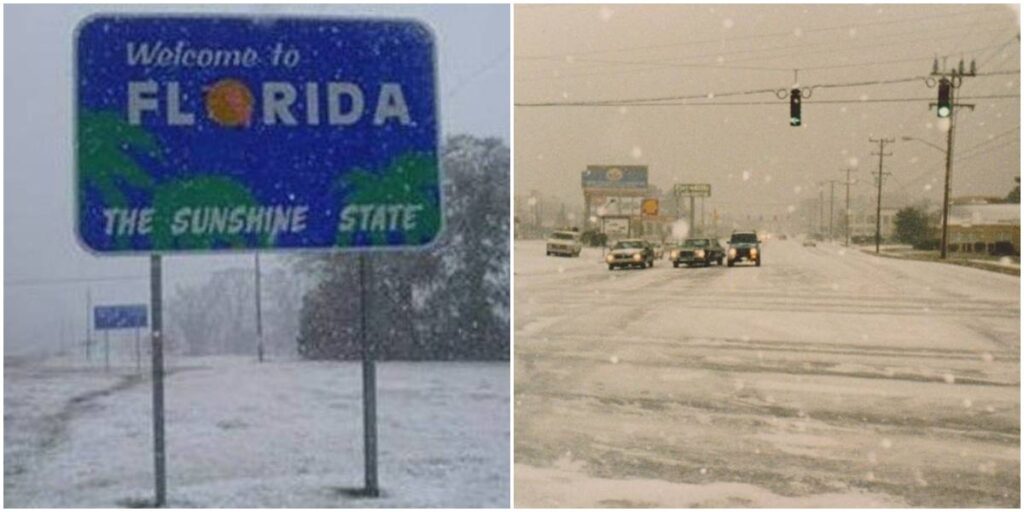
Florida is a large state with vastly different climates depending on whether you are in the north or the keys. The experience of 2025 was a tale of two different winters.
Central Florida’s Thematic Snowfall
For many families, the only “snow” they encountered in 2025 was at the major theme parks. Walt Disney World Resort and Universal Studios Florida have mastered the art of creating a wintry atmosphere regardless of the actual temperature. At Magic Kingdom Park, “snoap” (a soapy foam that looks like snow) falls on Main Street USA, providing the perfect photo opportunity for those who want the look of winter without the frostbite.
Beyond the theme parks, Orlando served as a hub for winter sports enthusiasts who preferred indoor environments. The growth of indoor ice skating rinks and snow-themed attractions allowed tourists to experience a “chilly” holiday before heading out for an afternoon at SeaWorld Orlando or Busch Gardens Tampa Bay.
The Tropical Escape of the Florida Keys
While the north was shivering by Florida standards, the Florida Keys remained a bastion of warmth. In Key West, the temperature in January 2025 rarely dropped below 70 degrees. This creates a fascinating dynamic where a traveler can drive from the frosty mornings of Tallahassee to the tropical sunsets of Sarasota or Naples in a single day. The tourism in South Florida remains focused on water sports, with Biscayne National Park and Everglades National Park offering boat tours that are much more pleasant in the mild winter air than in the sweltering heat of July.
Local Tips for a 2025 Winter Visit
If you are planning to visit Florida during the winter months, understanding the local nuances is key to a successful trip. The 2025 season taught travelers that “Florida Cold” is a very real phenomenon, characterized by damp, piercing winds that feel colder than the thermometer suggests.
Packing for Microclimates
The most common mistake tourists made in 2025 was packing only swimwear and shorts. Experienced travelers know that a trip to Tampa or Orlando in January requires layers. A light jacket, a scarf, and long pants are essential for those early morning departures to the Kennedy Space Center or for evening walks along the Palm Beach coastline.
Seasonal Dining and Local Flavors
The winter season in Florida coincides with some of the state’s best culinary offerings. While the rest of the country is eating preserved foods, Florida is in the height of Stone Crab season. Coastal restaurants from Jupiter to Clearwater serve these fresh delicacies, which are only available during the cooler months.
Furthermore, the winter of 2025 saw a trend in “seasonal citrus” tours. As oranges and grapefruits ripen, many groves in Central Florida open their doors to tourists for picking sessions. This agricultural tourism is a staple of the Florida winter experience, offering a wholesome, outdoor activity that celebrates the state’s heritage.
The Science and History of Snow in Florida
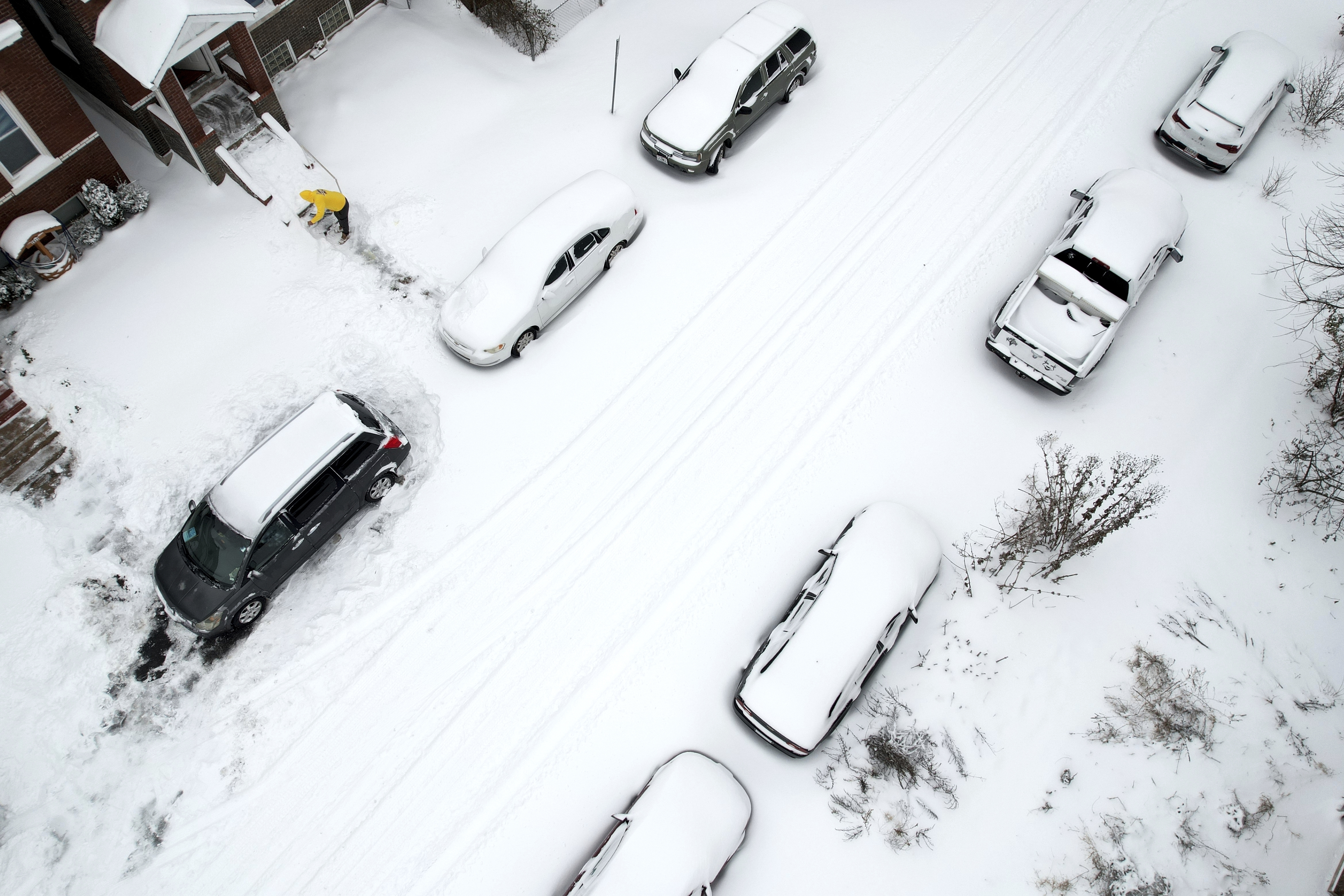
To answer the question “Did it snow in Florida 2025?” with precision, one must look at the official records. While some elevated areas in the far north of the state saw dustings on rooftops during an Arctic surge in late February, there was no measurable snowfall that disrupted travel or required snowplows. This is consistent with Florida’s historical record.
The most famous snow event in the state’s history remains the 1977 storm, which saw snow fall as far south as Homestead. Since then, occurrences have been rare and mostly confined to the region between Pensacola and Jacksonville. The 2025 season was a reminder that while the climate is changing, Florida remains the “Sun State” for a reason.
For the tourism industry, the threat or promise of snow serves as a marketing tool. It creates a sense of urgency and excitement. Whether it’s the “frozen” attractions at Walt Disney World Resort or the rare frost on the citrus groves, the cool air of 2025 provided a refreshing break from the heat. Travelers who came looking for snow may have been disappointed by the lack of drifts, but they were likely compensated by the perfect, mild weather that allowed for outdoor dining, wildlife spotting, and comfortable exploration of the state’s many landmarks.
In conclusion, the winter of 2025 did not turn Florida into a northern tundra, but it did provide enough of a chill to satisfy those looking for a seasonal shift. From the manatee-filled waters of Blue Spring State Park to the festive lights of St. Augustine, the state proved once again that it is the premier destination for those who want to experience winter on their own terms—without the shovel.
LifeOutOfTheBox is a participant in the Amazon Services LLC Associates Program, an affiliate advertising program designed to provide a means for sites to earn advertising fees by advertising and linking to Amazon.com. Amazon, the Amazon logo, AmazonSupply, and the AmazonSupply logo are trademarks of Amazon.com, Inc. or its affiliates. As an Amazon Associate we earn affiliate commissions from qualifying purchases.