
The question of whether Jacksonville ever sees snow is a common curiosity for travelers planning a winter escape to the Sunshine State. Located in the northeastern corner of Florida, this sprawling metropolis sits at a unique geographical crossroads. While much of the state enjoys a tropical or subtropical climate year-round, Jacksonville experiences a humid subtropical climate that occasionally flirts with freezing temperatures. For tourists, understanding the local weather patterns is essential for packing, scheduling activities, and setting expectations for a coastal getaway.
The Historical Perspective: When Jacksonville Turned White
While snow is an extreme rarity in Florida, it is not entirely unheard of in Jacksonville. The city’s history includes a few legendary moments where the palm trees were dusted with white, creating a surreal landscape that remains a topic of conversation among locals and a point of interest for visitors.
The Great Snow of 1989
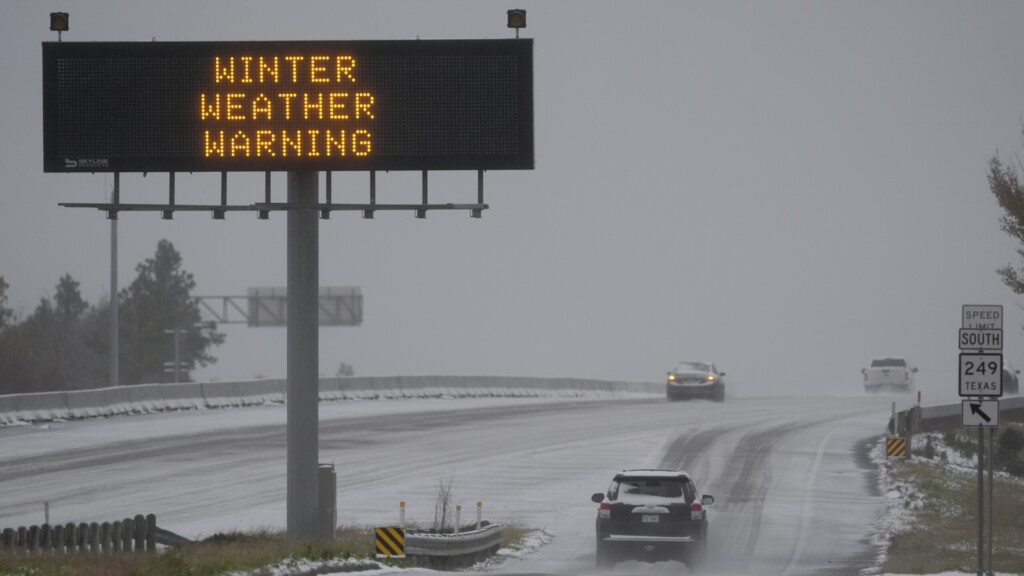
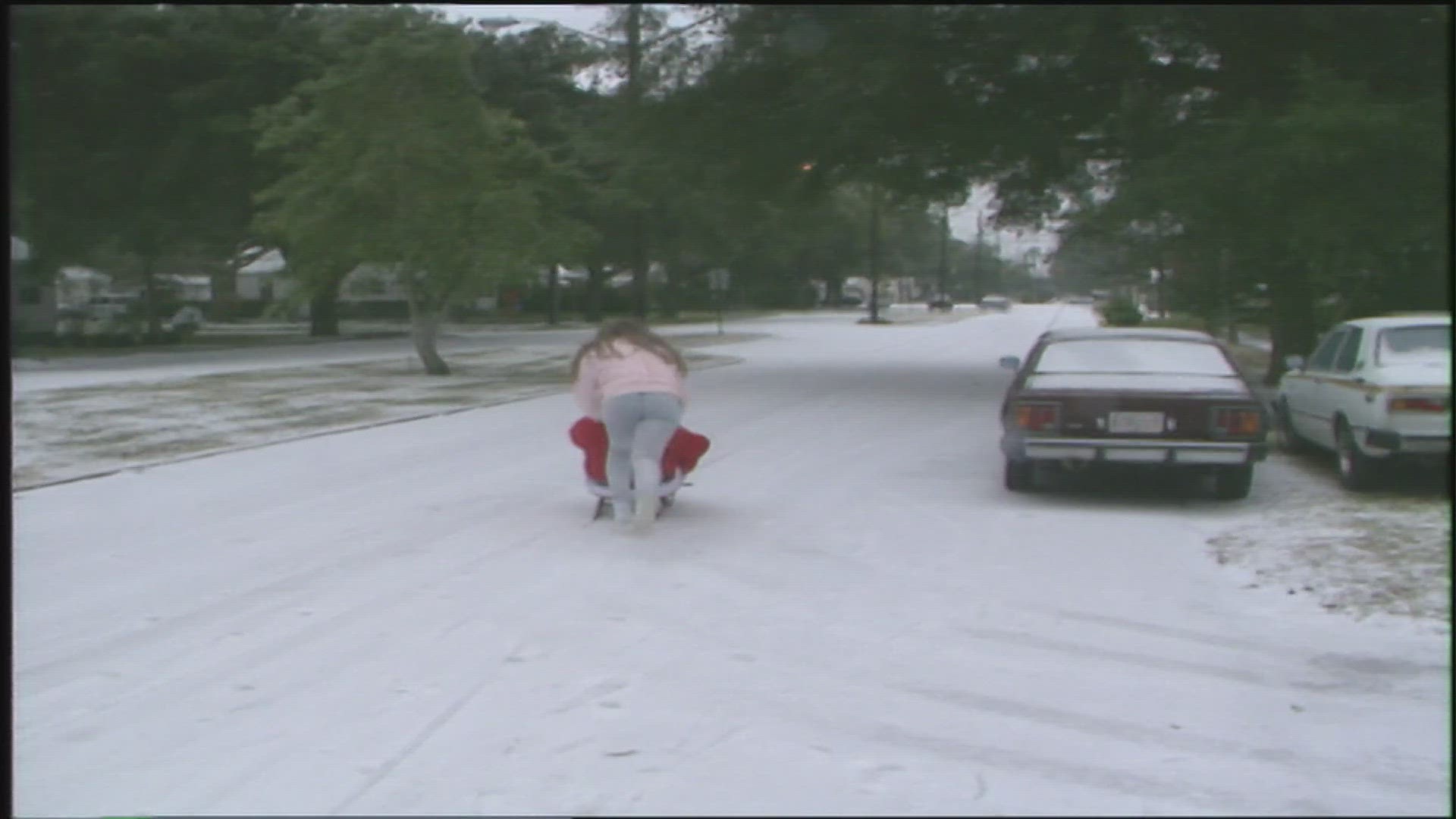
The most significant snowfall event in the city’s recorded history occurred in late December 1989. During what became known as the “Christmas Freeze,” a powerful arctic blast swept through the United States and reached deep into the Florida peninsula. On December 23rd and 24th, Jacksonville received approximately one inch of snow, with some surrounding areas in Duval County reporting even higher totals. This event effectively shut down the city, as Florida infrastructure is not designed to handle icy roads. For tourists visiting at the time, it was a once-in-a-lifetime experience to see the St. Johns River framed by snow-covered banks.
Trace Amounts and Recent Flurries
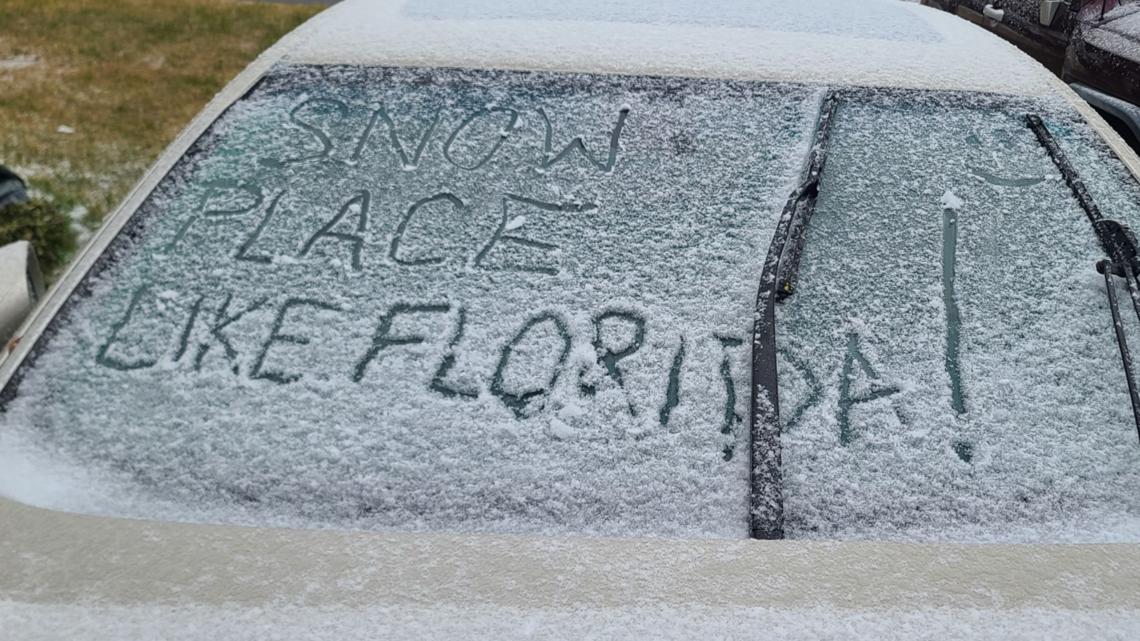
Since 1989, there have been several instances of “trace” snowfall or sleet. In January 2018, a winter storm brought a mixture of freezing rain and light snow flurries to North Florida, including Jacksonville. While it wasn’t enough to build a snowman, it was enough to close bridges like the Dames Point Bridge due to icing concerns. Typically, when the city does experience “winter weather,” it manifests as a hard freeze or a light frost rather than accumulating snow. For the average tourist, this means the city stays green and vibrant, even when temperatures dip into the 30s or 40s Fahrenheit.
Winter Tourism: Experiencing Jacksonville Without the Shovel
Traveling to Jacksonville during the winter months offers a different kind of charm compared to the humid heat of the summer. The lack of snow makes the city an ideal destination for those who want to escape the harsh northern winters without the high prices and crowds of Miami or Orlando.
Seasonal Events and the Local Vibe
The winter season in Jacksonville is defined by its festive atmosphere. One of the most popular activities for visitors is the “Deck the Chairs” event at Jacksonville Beach. This unique public art installation features iconic lifeguard chairs decorated with thousands of lights and creative themes. It perfectly encapsulates the local culture—celebrating the holidays while keeping the coastal lifestyle at the forefront.
Furthermore, the Light Boat Parade on the St. Johns River is a must-see. Spectators gather along the Southbank Riverwalk and the Northbank Riverwalk to watch vessels of all sizes glide past, adorned with elaborate light displays. The evening usually culminates in a massive fireworks show over the water, reflecting the city’s vibrant energy even in the cooler months.
Waterfront Wonders: The St. Johns River and the Coast
Winter is an excellent time for nature lovers to explore the city’s waterways. Without the intense summer sun, kayaking and paddleboarding become much more comfortable. Many tourists head to Little Talbot Island State Park or Big Talbot Island State Park to witness the stark, skeletal beauty of “Boneyard Beach,” where bleached cedar and oak trees line the shore.
For those interested in maritime history and local industry, a ferry ride on the St. Johns River Ferry provides a scenic connection between Mayport Village and Fort George Island. The crisp winter air off the Atlantic Ocean is invigorating, and you might even spot manatees or dolphins, which remain active in the area throughout the year.
Cultural Activities for the Cooler Months
When the temperatures drop, Jacksonville offers a wealth of indoor cultural experiences that allow visitors to soak in the local history and art scene without worrying about the weather.
Museums and Indoor Attractions
The Cummer Museum of Art and Gardens is a cornerstone of the city’s cultural landscape. While the gardens are beautiful in the spring, the winter light provides a serene backdrop for the museum’s extensive collection of European and American paintings. Located in the historic Riverside neighborhood, it offers a sophisticated afternoon for any traveler.
Another top-tier destination is the Museum of Science and History, commonly referred to as MOSH. It is particularly popular for families, featuring a planetarium and exhibits that detail the ecological history of Northeast Florida. For those interested in the city’s wild side, the Jacksonville Zoo and Gardens remains open year-round. Many animals are more active in the cooler weather than they are during the lethargic heat of August, making winter a prime time for a visit.
Exploring the Historic Neighborhoods
Walking through Jacksonville’s historic districts is a highlight of any trip. Avondale and Riverside are famous for their oak-lined streets and diverse architecture, ranging from Prairie School bungalows to Tudor-style mansions. The Riverside Arts Market, held every Saturday under the Fuller Warren Bridge, is a local staple. Even in January, you will find artisans, food trucks, and live music, providing a deep dive into the local community spirit.
The San Marco district is another gem, inspired by the Piazza San Marco in Venice, Italy. This area is home to upscale boutiques, independent bookstores, and some of the city’s best dining. Enjoying a craft cocktail or a locally brewed beer from Aardwolf Brewing Company is a great way to warm up after a day of sightseeing.
Practical Tips for Visiting Jacksonville in Winter
Planning a trip to Jacksonville between December and February requires a bit more strategic thinking than a mid-summer beach trip. Because snow is unlikely but cold snaps are possible, versatility is the key to a successful visit.
What to Wear and Expect
The most important tip for winter tourists is to dress in layers. A typical January day might start at 35 degrees Fahrenheit and reach a comfortable 65 degrees by the afternoon. A medium-weight jacket, comfortable walking shoes, and a scarf are usually sufficient. While you won’t need snow boots, you will want something water-resistant if you plan on exploring the marshes or the coast, as winter can bring occasional rain.
Expect shorter lines at major attractions. Unlike the peak summer season, winter is considered the “off-season” for coastal Florida. This means you can often secure reservations at popular restaurants like Orsay or Matthew’s Restaurant with much less lead time. It also means that hotel rates are generally more favorable, allowing for a luxury experience on a more modest budget.
Exploring Nearby Destinations
Jacksonville serves as a perfect hub for exploring other parts of the region that also rarely see snow. A short drive south takes you to St. Augustine, the oldest city in the United States. During the winter, the city hosts the Nights of Lights festival, where the entire historic district is draped in millions of white lights. It is widely considered one of the best holiday light displays in the world.
To the north, Amelia Island and the town of Fernandina Beach offer a Victorian-era charm. The winter weather is perfect for a horse-drawn carriage ride through the historic downtown or a visit to Fort Clinch State Park. Even without snow, the frost on the dunes at sunrise provides a breathtaking and “wintry” visual that most tourists find deeply satisfying.
In summary, while Jacksonville technically “got snow” in 1989 and occasionally sees a few flakes, it is far from a winter wonderland in the traditional sense. Instead, it offers a mild, manageable winter that emphasizes outdoor exploration, cultural enrichment, and festive local traditions. For the savvy traveler, the lack of snow is not a disappointment, but rather an invitation to experience the diverse beauty of North Florida in total comfort.
LifeOutOfTheBox is a participant in the Amazon Services LLC Associates Program, an affiliate advertising program designed to provide a means for sites to earn advertising fees by advertising and linking to Amazon.com. Amazon, the Amazon logo, AmazonSupply, and the AmazonSupply logo are trademarks of Amazon.com, Inc. or its affiliates. As an Amazon Associate we earn affiliate commissions from qualifying purchases.