
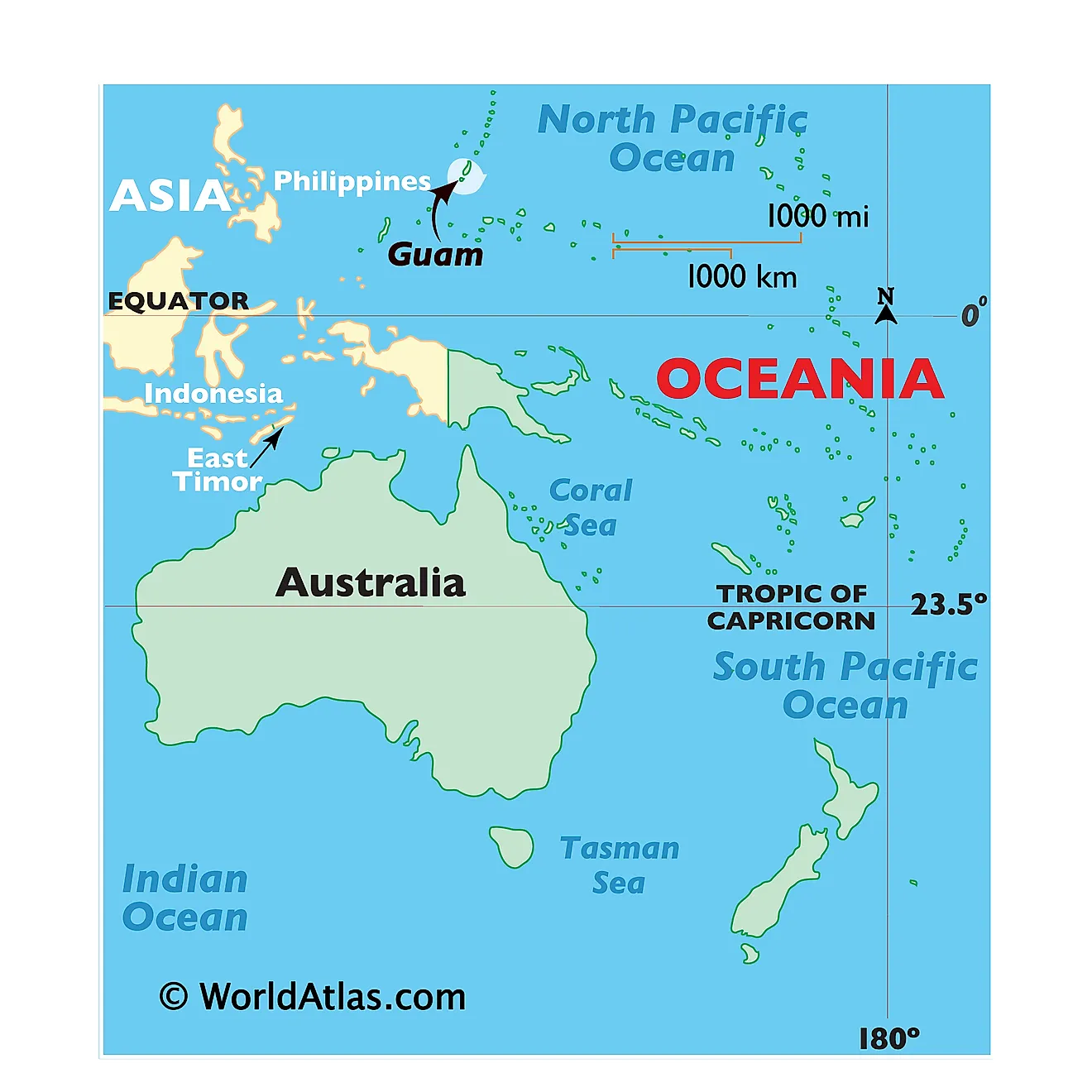
For many travelers navigating the vast blue expanse of the Pacific Ocean, the geographical relationship between Guam and the Philippines is a point of frequent curiosity. Though they are separated by a significant stretch of water, they are neighbors in a regional sense, acting as two of the most important hubs in the western Pacific. Understanding the distance between these two destinations involves more than just looking at a map; it requires an appreciation for the flight paths, the cultural bridges, and the logistical realities that connect the “Hub of Micronesia” with the diverse archipelago of the Philippines.

The Geographical and Chronological Distance
When measuring the physical distance between the Philippines and Guam, the most common reference point is the flight path between Manila and Tamuning, where the primary international gateway to Guam is located. The direct distance is approximately 1,595 miles (2,567 kilometers). In the context of trans-Pacific travel, this is a relatively short hop, often taking less time than a flight from Manila to certain parts of Japan or Indonesia.
Flight Times and Major Gateways
The most efficient way to bridge this gap is by air. A direct flight from Ninoy Aquino International Airport in Manila to Antonio B Won Pat International Airport in Guam typically takes between 3 hours and 45 minutes to 4 hours and 15 minutes. This duration can vary slightly depending on wind patterns and the specific aircraft being used.
Major carriers like Philippine Airlines and United Airlines operate regular schedules on this route, making it a popular choice for both tourists and business travelers. For those starting their journey in other Philippine cities like Cebu or Davao, a layover in Manila is usually required, adding several hours to the total travel time.
Time Zones and Jet Lag
One of the greatest advantages of traveling between the Philippines and Guam is the minimal time difference. Guam follows Chamorro Standard Time (ChST), which is two hours ahead of Philippine Standard Time (PST). This means that travelers rarely suffer from significant jet lag, allowing them to jump straight into their itineraries upon arrival. Whether you are heading to a morning meeting in Hagatna or a sunset dinner at Tumon Bay, the transition is remarkably smooth.
Navigating the Political and Cultural Landscape
While the physical distance is manageable, the political distance is more distinct. Guam is an organized, unincorporated territory of the United States. This means that traveling from the Philippines to Guam is technically an entry into America.
Visa Requirements and Border Protocols
For Philippine passport holders, this means a United States B1/B2 visa is generally required to enter Guam. The customs and immigration process at Antonio B Won Pat International Airport follows the same rigorous standards as any major mainland airport like Los Angeles or San Francisco. Conversely, American citizens living in Guam can enter the Philippines visa-free for up to 30 days, making the return trip or a weekend getaway to Manila quite effortless for residents of the island.
Historical Ties and Shared Heritage
Despite the current political differences, the historical “distance” between the two is incredibly narrow. Both the Philippines and Guam were part of the Spanish Empire for over 300 years. During the era of the Galleon Trade, ships traveling from Acapulco to Manila would frequently stop in Guam for supplies.
This shared history is evident in the local culture. Travelers will notice familiar surnames, religious traditions, and even linguistic similarities. The native Chamorro language shares many loanwords with Tagalog and other Philippine languages, such as “hayan” or “mesa.” Walking through the streets of Hagatna can sometimes feel like a more modern, Americanized version of walking through Intramuros.
A Comparison of Travel Experiences
While they share a tropical climate and a love for island hospitality, the travel experiences offered by Guam and the Philippines cater to different desires.
Guam: The Shopping and Adventure Hub

For travelers coming from the Philippines, Guam is often viewed as a premier shopping destination. Because the island enjoys duty-free status, many visitors flock to the Guam Premier Outlets, Micronesia Mall, and the high-end T Galleria by DFS in Tumon.
Beyond the retail therapy, Guam offers structured adventure. Two Lovers Point provides iconic views of the Philippine Sea, while Ritidian Point offers a glimpse into the island’s raw, natural beauty within a protected wildlife refuge. For history buffs, a visit to the War in the Pacific National Historical Park provides a sobering look at the island’s role in World War II.
The Philippines: A Vast Archipelago of Wonders
On the other hand, travelers moving from Guam to the Philippines are often looking for the sheer diversity that comes with over 7,000 islands. While Guam can be explored in a few days, the Philippines requires weeks or months.
From the world-famous white sands of Boracay to the limestone cliffs of El Nido in Palawan, the natural landscapes are vastly different from the volcanic and coral structures of Guam. Travelers might seek out the Chocolate Hills in Bohol, the surfing swells of Siargao, or the bustling urban energy of Makati.
Practical Itinerary Planning for the Trans-Pacific Traveler
Planning a trip across this 1,600-mile stretch requires some foresight, especially regarding the seasons and local logistics.
Best Time to Travel
Both destinations experience a tropical climate, meaning they are warm year-round but subject to a wet and dry season. The best time to visit both Guam and the Philippines is during the dry season, typically from December to May. This period offers the clearest waters for diving at places like Ypao Beach in Guam or the shipwrecks of Coron in the Philippines.
However, travelers should be aware of the typhoon season, which generally peaks between July and October. While infrastructure in Guam is built to withstand heavy storms, travel disruptions are common across the entire region during these months.
Currency and Budgeting
Budgeting for these two locations requires different strategies. Guam uses the United States Dollar, and the cost of living—and traveling—is significantly higher than in the Philippines. A meal at a mid-range restaurant in Tumon might cost three to four times more than a similar meal in Manila or Cebu.
The Philippines uses the Philippine Peso, and it remains one of the more affordable destinations in Asia. Travelers often find that their money goes much further when it comes to domestic flights, luxury accommodations, and private tours.
Getting Around Locally
In Guam, the most effective way to see the island is by renting a car. While there is a tourist bus system called the Guam Red Guahan Shuttle that connects major hotels and shopping centers, having your own vehicle allows you to visit southern landmarks like Fort Apugan or the Inarajan Pools at your own pace.
In contrast, the Philippines relies on a mix of air travel, ferries, and local transport like jeepneys and tricycles. Moving between major islands often requires booking flights with Cebu Pacific or AirAsia Philippines.
Why the Route Between Guam and the Philippines is Essential
The journey between Guam and the Philippines is more than just a flight; it is a vital artery for the region. For the large Filipino diaspora living in Guam—which makes up over 25% of the population—this 4-hour flight is a lifeline to family and heritage. For the adventurer, it is a gateway to two distinct versions of island life.
Whether you are looking to explore the historic ruins of Corregidor Island near Manila or hike the rugged trails of Mount Lamlam in Guam, the proximity of these two locations makes it possible to experience a high-contrast vacation in a single trip. The distance might be 1,595 miles, but the connection between the Philippines and Guam is as deep and enduring as the ocean that sits between them.
By understanding the logistics and the cultural nuances of this Pacific route, travelers can better appreciate the unique position these islands hold. From the bustling streets of Manila to the serene sunsets of Guam, the journey is a testament to the enduring allure of the Pacific travel experience.
LifeOutOfTheBox is a participant in the Amazon Services LLC Associates Program, an affiliate advertising program designed to provide a means for sites to earn advertising fees by advertising and linking to Amazon.com. Amazon, the Amazon logo, AmazonSupply, and the AmazonSupply logo are trademarks of Amazon.com, Inc. or its affiliates. As an Amazon Associate we earn affiliate commissions from qualifying purchases.