
Planning a dream vacation to the tropical paradise of Hawaii involves a significant amount of logistical preparation. From selecting the perfect beachfront resort on Oahu to mapping out a hiking route through the lush valleys of Kauai, every detail matters. However, one of the most persistent questions for travelers arriving from the mainland United States or international destinations like Canada and Japan is the status of cellular connectivity. Specifically, visitors want to know: “Are phone calls in Hawaii considered roaming?”
Understanding the nuances of mobile networks in the middle of the Pacific Ocean is essential for avoiding unexpected charges on your monthly bill. While the technology has advanced significantly over the last decade, the geographical isolation of the islands can still present unique challenges for the modern traveler. This guide explores everything you need to know about domestic and international roaming, carrier coverage across the archipelago, and tips for staying connected while exploring everything from Waikiki to the remote Big Island.

Understanding Connectivity for Domestic Travelers
For residents of the mainland United States, the short answer is generally no—phone calls in Hawaii are not considered roaming. Because Hawaii is the 50th state of the Union, major national carriers treat it as part of their domestic network. However, the “how” and “why” behind this can vary slightly depending on your specific service provider and the plan you have selected.
Major Carriers and the Domestic Framework
If you are a customer of Verizon, AT&T, or T-Mobile, your experience in Honolulu or Kahului will likely be identical to your experience in Los Angeles or New York City. These companies have invested heavily in infrastructure throughout the islands, ensuring that voice calls, text messages, and high-speed data are included in your standard domestic package.
When you land at Daniel K Inouye International Airport, your phone will typically connect to a local cell tower without any “roaming” indicator appearing on the screen. For most unlimited plans, this means no extra fees for calling your family back home or using navigation apps to find your way to Pearl Harbor.
The Nuances of Smaller MVNOs
While the big three carriers offer seamless transitions, users of Mobile Virtual Network Operators (MVNOs) like Mint Mobile or Boost Mobile should double-check their terms of service. These smaller providers lease bandwidth from the major networks. While they almost always include Hawaii as domestic territory, occasionally, older prepaid plans might have specific restrictions regarding data speeds when off the “primary” network. It is always wise to confirm that your specific tier of service extends to the islands without degradation of quality.
Geographic Dead Zones and Signal Challenges
Even though the billing isn’t “roaming,” the physical geography of the islands can make it feel like you are disconnected. The volcanic terrain of Maui and the dense rainforests of the Hamakua Coast can obstruct signals. If you are driving the Road to Hana, do not be surprised if your signal drops entirely. In these instances, your phone isn’t roaming; it is simply out of range of a tower. For safety, many travelers visiting Hawaii Volcanoes National Park or the Na Pali Coast are encouraged to download offline maps before heading out.
International Roaming for Global Visitors
For travelers visiting from outside the United States, such as those arriving from the United Kingdom, Australia, or Mexico, the situation is entirely different. In this context, calls made in Hawaii are absolutely considered international roaming, and the costs can be substantial if not managed correctly.
Navigating International Data Plans
Most global carriers offer “Travel Passes” or daily roaming add-ons. For a flat fee (often ranging from $5 to $15 per day), visitors from Germany or South Korea can use their existing data and minutes while exploring Diamond Head. Without these plans, pay-as-you-go rates for international roaming in Hawaii can be exorbitant, sometimes reaching several dollars per minute for voice calls.
The Rise of the eSIM
A popular modern solution for international visitors is the use of an eSIM. Instead of relying on their home carrier’s roaming agreements, a traveler from France can download a digital SIM card specifically for the United States. This allows them to access local data rates provided by T-Mobile or AT&T without the need to swap physical cards. This is particularly useful for those spending a week in Lihue or touring the historical sites of Kona.
Public Wi-Fi and VOIP Alternatives
For those looking to avoid roaming charges entirely, Hawaii offers ample opportunities to use Wi-Fi-based communication. Most major resorts in Wailea or Ko Olina provide high-speed internet. By using services like WhatsApp or FaceTime, international travelers can bypass the cellular voice network entirely. Just be aware that some smaller bed-and-breakfasts on Molokai or Lanai may have limited bandwidth due to their remote locations.
Optimizing Your Connectivity Across the Islands
Staying connected in Hawaii isn’t just about the cost—it’s about the quality of the experience. Depending on which island you are visiting and what activities you have planned, your connectivity needs will change.
Connectivity in Urban Centers vs. Rural Areas
In urban hubs like Honolulu or Hilo, 5G coverage is widespread. You can easily stream video, upload photos of your meal at a local eatery, or participate in a business call from your hotel balcony. However, once you venture toward the North Shore of Oahu to watch the big wave surfers, the signal may shift to 4G LTE or become intermittent.
If you are staying at a secluded villa in Hanalei, check with the property manager regarding cell reception. Some valleys on the older islands have “shadow zones” where the mountains block signals from the nearest towers. In these cases, “Wi-Fi Calling” features on modern smartphones are a lifesaver, allowing your phone to route traditional calls over the internet even when the cellular signal is non-existent.
The Importance of Battery Management
Searching for a signal in remote areas like Haleakala National Park can drain your battery rapidly. When your phone is in a low-signal area, it increases its power output to try and find a connection. Even if you aren’t “roaming” in a financial sense, your phone is working overtime. It is highly recommended to carry a portable power bank while exploring the natural wonders of Hawaii, especially if you are using your device for both navigation and photography.
Emergency Services and Safety
One critical thing to remember is that even if your specific carrier doesn’t have a great signal in a certain area, FCC regulations in the United States require all carriers to transmit 911 emergency calls if any network is available. If you are hiking in the Waimea Canyon State Park and need assistance, your phone will attempt to connect to any available tower, regardless of whether it belongs to your provider. This is a vital safety net for every traveler.
Practical Tips for Your Hawaiian Adventure
To ensure that your communication remains stress-free, follow these practical steps before you board your flight to the Aloha State.
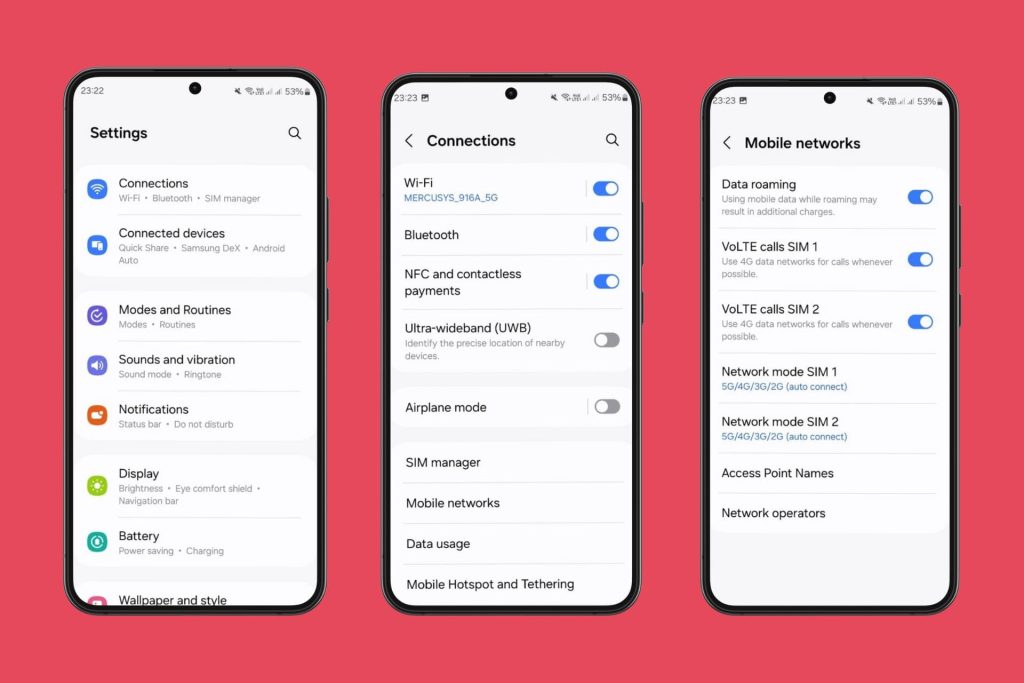
- Verify Your Plan: Call your service provider or check their app to confirm that “Domestic Roaming” is included at no extra charge. This is standard for most, but it’s better to be certain before you reach Maui.
- Download Offline Maps: Apps like Google Maps allow you to download entire regions. Download the maps for the Big Island or Kauai so you can navigate even when the signal disappears in the mountains.
- Check Hotel Amenities: If you are staying at a major resort like the Hilton Hawaiian Village or the Grand Hyatt Kauai, verify if Wi-Fi is included in the resort fee. This allows you to use data-heavy apps without tapping into your cellular limit.
- Update Your Software: Ensure your phone’s carrier settings are up to date. This helps your device recognize the most efficient towers and local partnerships, ensuring the best possible speed and reliability.
- International Preparation: If you are coming from Canada or elsewhere, set up your roaming plan or purchase an eSIM before you depart. Doing this while still on your home network is often much easier than trying to navigate a new setup while sitting at a terminal in Honolulu.
While the technical definition of “roaming” might vary based on your point of origin, the goal of every visitor to Hawaii is the same: to enjoy the breathtaking scenery and rich culture of the islands without worrying about the logistics of their mobile device. By understanding that Hawaii is a fully integrated part of the United States telecommunications network, mainland travelers can breathe a sigh of relief. Meanwhile, international guests can easily manage their connectivity with a little bit of foresight. Whether you are posting photos of the sunrise at Haleakala or calling home to describe the beauty of the Na Pali Coast, you can stay connected to the world while being worlds away.
LifeOutOfTheBox is a participant in the Amazon Services LLC Associates Program, an affiliate advertising program designed to provide a means for sites to earn advertising fees by advertising and linking to Amazon.com. Amazon, the Amazon logo, AmazonSupply, and the AmazonSupply logo are trademarks of Amazon.com, Inc. or its affiliates. As an Amazon Associate we earn affiliate commissions from qualifying purchases.