
For travelers planning a visit to the pristine shores of Hawaii, the local wildlife is often a major draw. From the majestic humpback whales that migrate through the Pacific Ocean to the rare Hawaiian monk seals sunning themselves on the sand, the archipelago offers a glimpse into a unique biological world. However, a common question among those familiar with tropical climates elsewhere—such as in Florida or Australia—is whether one needs to watch out for crocodiles in the local waters. To understand the answer, one must look deep into the natural history, geography, and the iconic landmarks that define this isolated chain of islands.
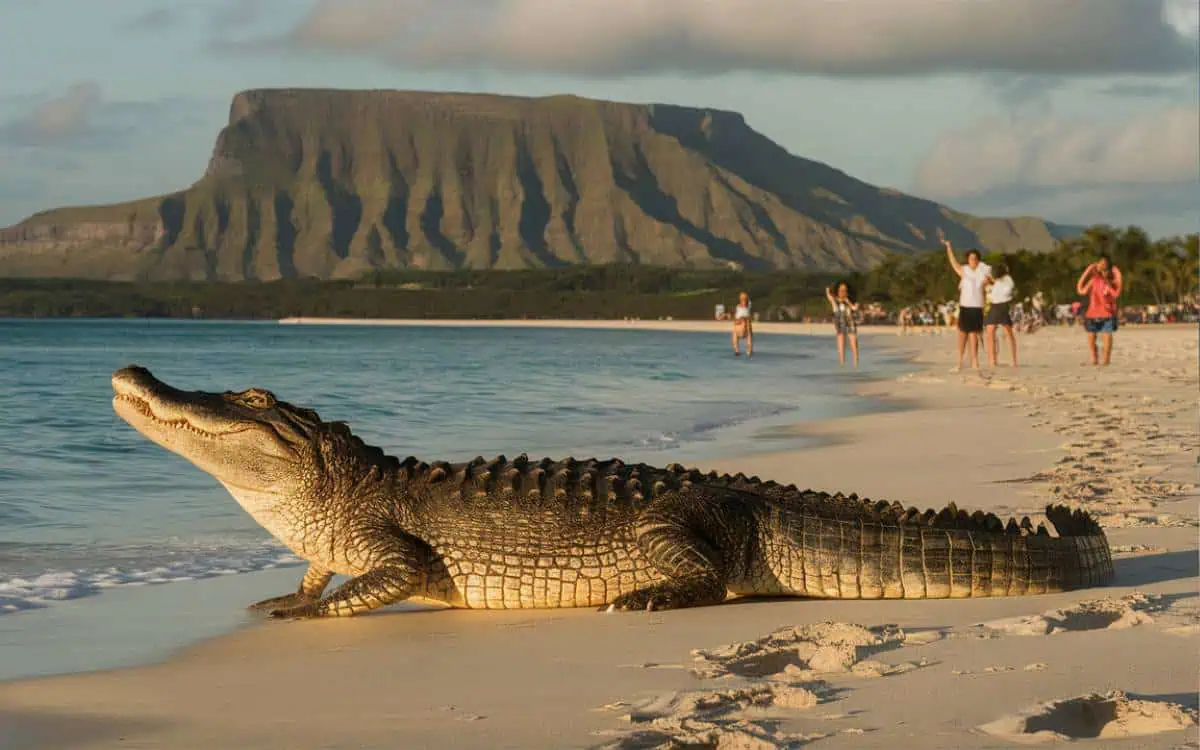
The Geographical Isolation of the Hawaiian Islands
To answer whether crocodiles exist in the wild in the United States’ 50th state, one must first appreciate the sheer geographic isolation of the region. Hawaii is the most isolated island chain on Earth. Located roughly 2,400 miles from California and over 4,000 miles from Japan, these islands emerged from the sea floor due to volcanic activity over millions of years.
The Volcanic Origins of a Pacific Oasis
Every island in the chain, from Oahu to Kauai, was formed by a volcanic “hotspot.” This process created a series of landmarks that are as biologically restrictive as they are beautiful. Because the islands were never part of a larger landmass like Asia or North America, every plant and animal that arrived here did so by flying, swimming, or being carried by the wind and waves.
Landmarks such as Mauna Kea and Mauna Loa on the Big Island stand as testaments to this violent but creative birth. This isolation acted as a natural filter. While birds and marine life could traverse the vast Pacific Ocean, large land-dwelling reptiles like crocodiles faced an impossible journey.
Evolutionary Biology in a Remote Archipelago
Because of this distance, the native fauna of Hawaii evolved in the absence of large terrestrial predators. There are no native snakes, and certainly no native crocodiles. The evolutionary history of the islands favored species that could adapt to the specific microclimates found at landmarks like the Waimea Canyon or the lush valleys of Molokai. The absence of crocodiles is not a matter of climate suitability—many parts of the islands provide the perfect warmth and moisture—but a matter of accessibility and evolutionary history.
Examining the Presence of Crocodilians in Hawaii
The short answer is no: there are no native crocodiles in Hawaii, nor is there a wild, breeding population of these reptiles in any of the islands’ freshwater or coastal systems. While species like the Saltwater Crocodile are known for their incredible ocean-faring abilities in Southeast Asia and Northern Australia, the distance to the Hawaiian Islands is simply too vast for them to survive the trek.
Natural Barriers to Migration
Crocodiles are ectothermic, meaning they rely on the external environment to regulate their body temperature. While they are hardy creatures, the thousands of miles of open ocean between Hawaii and the nearest crocodile habitats in the Solomon Islands or the Philippines represent a barrier that even the strongest swimmers cannot overcome.
Furthermore, crocodiles require specific nesting grounds and steady food sources during such a journey. The deep, nutrient-poor waters of the central Pacific Ocean do not support the life required to sustain a migrating crocodile. Unlike the Galapagos Islands, where marine iguanas found a niche, the Hawaiian Islands remained out of reach for the great reptilian giants of the Southern Hemisphere.
Comparisons with Florida and Central America
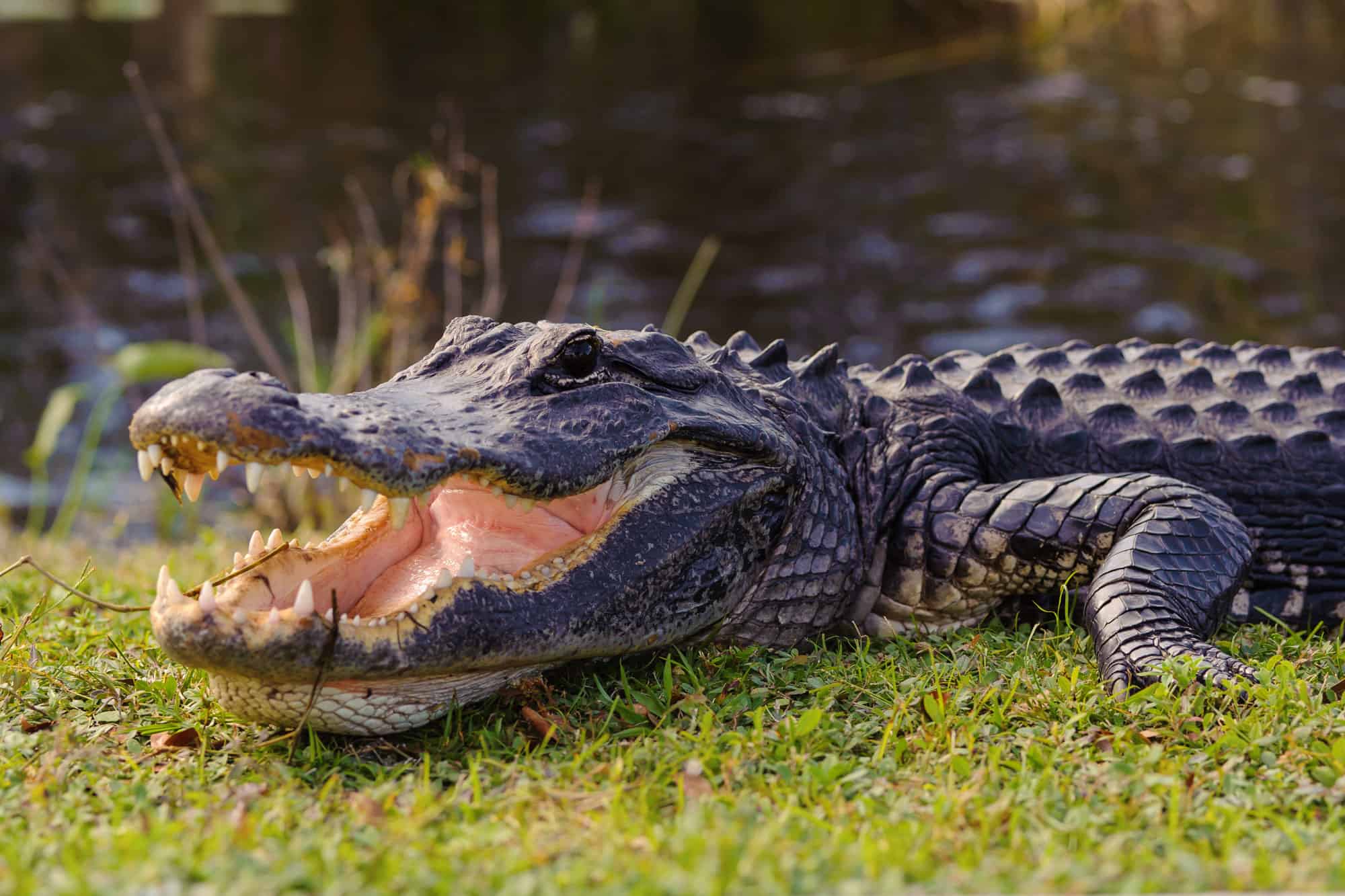
Travelers often confuse the Hawaiian environment with other tropical landmarks they may have visited. In Florida, for instance, both the American Alligator and the American Crocodile are staples of the Everglades National Park. Similarly, in Mexico and Central America, crocodiles are common sights in coastal estuaries.
However, Hawaii lacks the vast, slow-moving river systems and swampy interior plains that characterize these continental regions. Most Hawaiian rivers are short and steep, originating in high-altitude landmarks like the Alakai Swamp on Kauai and rushing quickly toward the sea. This topography is not conducive to the typical hunting and nesting behaviors of large crocodilians.
Iconic Landmarks and Hawaii’s Native Wildlife
While you won’t find crocodiles lurking in the shadows of the Na Pali Coast, Hawaii is home to an array of other fascinating creatures that inhabit its most famous landmarks. Exploring these sites offers a safer and equally thrilling experience for nature enthusiasts.
Marine Sanctuaries: Hanauma Bay and Beyond

Hanauma Bay Nature Preserve on the island of Oahu is perhaps the best place to see the actual “kings” of the Hawaiian waters. Instead of crocodiles, you will find the Humuhumunukunukuapua’a (the state fish) and green sea turtles, known locally as Honu. The bay itself is a volcanic crater flooded by the sea, a landmark that provides a protected environment for coral reefs to thrive. Because of the strict regulations maintained by the City and County of Honolulu, this ecosystem remains a safe haven for marine life.
Terrestrial Wonders: Exploring the Na Pali Coast
On Kauai, the Na Pali Coast State Wilderness Park offers some of the most dramatic scenery in the world. As you hike the Kalalau Trail, the only thing you might encounter on the cliffs are feral goats or the Nene (Hawaiian goose). The Nene is a remarkable example of island evolution—it is a descendant of the Canada goose that arrived in Hawaii long ago and adapted to life on the volcanic slopes of landmarks like Haleakala National Park.
Volcanic Landscapes: The Rugged Terrain of Hawaii Volcanoes National Park
At Hawaii Volcanoes National Park on the Big Island, the landscape is dominated by the activity of Kilauea. Here, the “wildlife” is often geological in nature. Visitors can witness the creation of new land, a process that has continued for hundreds of thousands of years. The lack of crocodiles in these areas is a relief to many hikers who explore the Thurston Lava Tube or the vast Ka’u Desert.
Rare Encounters and Legal Oversight
While crocodiles are not native and do not live in the wild in Hawaii, there are very rare instances where they may be found in highly controlled environments or as part of historical incidents involving illegal pets.
The Role of the Honolulu Zoo and State Regulation
The only place you are likely to see a crocodile in Hawaii is at the Honolulu Zoo or the Panaewa Rainforest Zoo in Hilo. These institutions play a vital role in education and conservation. The Hawaii Department of Agriculture enforces some of the strictest biosecurity laws in the world to ensure that non-native species do not enter the ecosystem.
Because Hawaii has no native predators to keep them in check, the introduction of an invasive species like a crocodile or even a large monitor lizard could be catastrophic for the local bird populations. Landmarks like the Kanaha Pond State Wildlife Sanctuary on Maui would be decimated if such predators were introduced.
Managing Non-Native Species Threats
In the past, there have been very few recorded instances of “escaped” reptiles being found in the wild. When this occurs, the State of Hawaii responds with immediate “search and capture” operations to prevent the animal from establishing a presence. This proactive stance is why Hawaii remains free of many of the dangerous pests found in other tropical destinations.
Safe Exploration of Hawaii’s Natural Landmarks
While crocodiles are off the list of concerns, visitors to Hawaii should still be mindful of the actual natural hazards present in the islands. Respecting the power of the landscape is a key part of the local culture, often referred to as “Malama ‘Aina” (caring for the land).
Ocean Hazards and Coastal Safety
The real dangers in Hawaii come from the ocean itself. Landmarks like the North Shore of Oahu are famous for massive winter swells that attract world-class surfers to Banzai Pipeline and Waimea Bay. For the average swimmer, these conditions are far more dangerous than any reptilian predator. Strong rip currents and sharp coral reefs are the primary safety concerns.
Navigating the Trails of Waimea Canyon and Haleakala
On land, the hazards are primarily related to the terrain. In Waimea Canyon State Park, the “Grand Canyon of the Pacific,” the trails can be slippery and steep. Similarly, the high altitude at the summit of Haleakala on Maui can cause altitude sickness for some visitors.
Whether you are exploring the historical landmarks of Pearl Harbor or the lush gardens of the Lyon Arboretum in Manoa Valley, you can walk with the peace of mind that the only thing snapping at your heels might be a curious local chicken.
In conclusion, the absence of crocodiles in Hawaii is a defining characteristic of its unique ecological status. The islands’ isolation, governed by the vastness of the Pacific Ocean, has created a sanctuary for rare birds and marine life that would otherwise be vulnerable. As you visit landmarks from Diamond Head to Koke’e State Park, you can enjoy the tropical splendor without the fear of prehistoric predators, knowing that the spirit of Polynesia has been preserved through millions of years of natural selection and careful modern-day stewardship.
LifeOutOfTheBox is a participant in the Amazon Services LLC Associates Program, an affiliate advertising program designed to provide a means for sites to earn advertising fees by advertising and linking to Amazon.com. Amazon, the Amazon logo, AmazonSupply, and the AmazonSupply logo are trademarks of Amazon.com, Inc. or its affiliates. As an Amazon Associate we earn affiliate commissions from qualifying purchases.