
When travelers imagine a trip to Hawaii, the imagery often includes lush tropical rainforests, pristine white-sand beaches, and a vibrant array of exotic wildlife. Given the abundance of Eucalyptus trees across the islands, a common question frequently arises: Are there koalas in Hawaii? While the habitat might seem appropriate to the casual observer, the answer is a definitive no. Koalas are not native to the Hawaiian Islands, nor are there any wild populations living within the state.
The misconception often stems from the visual similarities between parts of Hawaii and the coastal regions of Australia. To understand why these beloved marsupials aren’t found in the Central Pacific, one must look at the unique biological and geographical history of the islands, as well as the specific dietary needs of the koala itself. For travelers seeking wildlife experiences, Hawaii offers a different, though equally enchanting, roster of endemic and introduced species that are far more accessible than a fictional koala population.
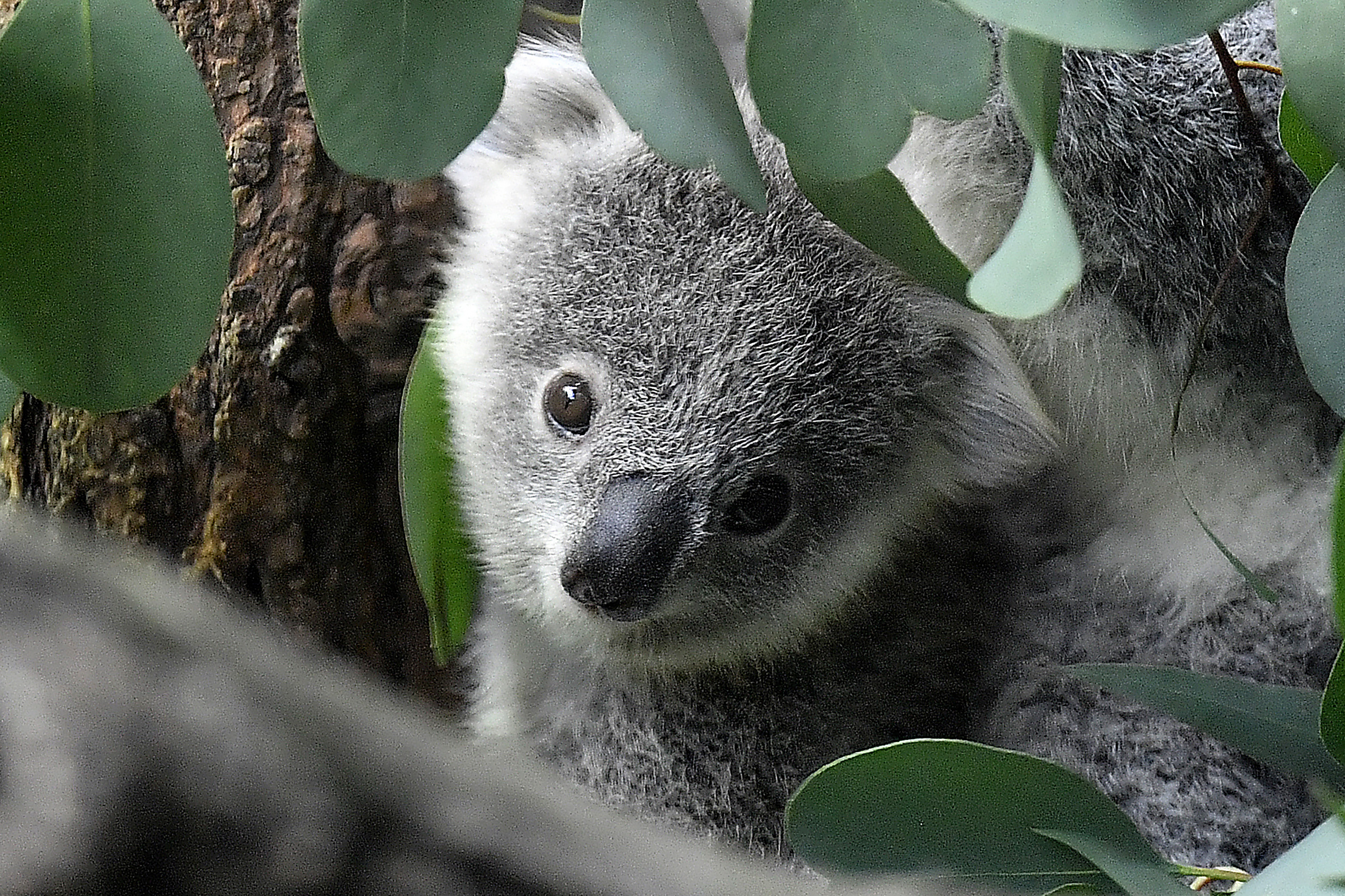
The Myth and Reality of Koalas in the Pacific
The primary reason travelers often associate Hawaii with koalas is the presence of the Eucalyptus tree. Originally brought to the islands for reforestation and timber purposes in the late 19th and early 20th centuries, these trees now dominate many landscapes on Oahu, Maui, and Kauai. Because koalas in Australia subsist almost exclusively on eucalyptus leaves, it is a logical leap for visitors to assume that the animals might have been introduced alongside their primary food source.
The Eucalyptus Connection
While Hawaii is home to over 90 species of eucalyptus, the most famous among them is the Rainbow Eucalyptus. These stunning trees, known for their multi-colored bark that peels away to reveal streaks of neon green, blue, purple, and orange, are a major draw for tourists on the Road to Hana. One of the best places to witness these giants is the Ke’anae Arboretum on Maui. Despite the abundance of foliage, koalas require very specific types of eucalyptus—only about 30 to 50 species out of the hundreds available in the world—and they are notoriously sensitive to their environment.
Why Koalas Never Made the Trip
Unlike the Mongoose or the Axis Deer, which were intentionally introduced to the islands, koalas were never brought to Hawaii to establish a wild population. The logistical challenges of transporting and maintaining a koala colony are immense. Furthermore, Hawaii has strict agricultural and wildlife laws managed by the Hawaii Department of Agriculture to protect its delicate ecosystem from invasive species. Introducing a non-native mammal like the koala could disrupt the balance of local flora and fauna.
Exploring the Unique Wildlife of the Hawaiian Islands
While you won’t find koalas tucked into the branches of a Rainbow Eucalyptus, Hawaii is home to some of the most unique and endangered animals on Earth. The islands are often referred to as the “Endangered Species Capital of the World” because so many of its native inhabitants are found nowhere else. For a traveler, the joy of Hawaiian wildlife comes from seeing species that evolved in total isolation for millions of years.
The Hawaiian Monk Seal and Honu
One of the most iconic sights for a visitor is the Hawaiian Monk Seal. These rare marine mammals are often found basking on the sands of Poipu Beach in Kauai or along the secluded shores of Molokai. Similarly, the Honu, or Green Sea Turtle, is a symbol of good luck and longevity in Hawaii. Travelers can frequently spot them at Laniakea Beach on the North Shore of Oahu. Watching these prehistoric creatures glide through the turquoise waters of the Pacific Ocean is a far more authentic Hawaiian experience than searching for an Australian marsupial.
The Surprising Case of the Oahu Wallabies
Interestingly, while there are no koalas, there is a small, feral population of another Australian native in Hawaii: the Wallaby. Specifically, a colony of Brush-tailed Rock-wallabies lives in the Kalihi Valley on the island of Oahu. This population originated from a pair that escaped from a private zoo in 1916. While they are reclusive and rarely seen by the average tourist, their presence is a quirky footnote in Hawaiian natural history. For hikers exploring the ridges of the Ko’olau Range, a glimpse of a wallaby is a rare and unexpected prize.
The Nene: Hawaii’s State Bird
Travelers heading to the higher elevations of the Big Island or the crater of Haleakala on Maui are likely to encounter the Nene, also known as the Hawaiian Goose. As the official state bird, the Nene is a remarkable example of evolution; it is believed to have descended from Canada Geese that flew to the islands half a million years ago. Over time, they adapted to the volcanic landscape by developing less webbing on their feet to navigate the rugged lava flows of Hawaii Volcanoes National Park.
Top Destinations for Animal Lovers in Hawaii

If your heart was set on seeing a koala, you might be disappointed to learn that even the major zoos in the state do not currently house them. However, Hawaii offers world-class facilities where you can learn about tropical conservation and see animals from across the Polynesian triangle and beyond.
Honolulu Zoo and Waikiki Aquarium
Located between the slopes of Diamond Head and the bustling streets of Waikiki, the Honolulu Zoo is the only zoo in the United States to be established by grants of sovereignty from a monarch. King Kalakaua originally set aside the land for the public. Today, the zoo focuses on tropical species. While you won’t see koalas, you can see Komodo Dragons, giraffes, and a variety of native Hawaiian birds. Just a short walk away is the Waikiki Aquarium, which showcases the incredible biodiversity of the Pacific reefs, including the colorful Humuhumunukunukuapua’a, the state fish.
Maui Ocean Center
On the island of Maui, the Maui Ocean Center offers one of the most immersive marine life experiences in the world. Often named one of the top aquariums in the country, it features a massive open-ocean tank with a walk-through tunnel where sharks and rays swim overhead. Their “Humpbacks of Hawaii” 3D film experience is a must-see for anyone visiting during the months when Humpback Whales are not in season. It provides a deep dive into the lives of these majestic giants that migrate from Alaska to the Auau Channel every winter.
Sea Life Park Hawaii
For those staying on the east side of Oahu near Makapu’u Point, Sea Life Park Hawaii provides a chance to see dolphins, sea lions, and the only known “wholphin” (a rare hybrid of a false killer whale and a bottlenose dolphin). The park is heavily involved in the conservation of the Honu, operating a nursery and release program that has helped bolster the local turtle population for decades.
Navigating Hawaii’s Ecosystem: Tips for Travelers
Understanding the wildlife of Hawaii requires a shift in perspective. Instead of looking for the “Big Five” of Africa or the marsupials of Australia, travelers should focus on the subtle beauty of the islands’ unique inhabitants. Being a responsible tourist means knowing how to interact—or more importantly, how not to interact—with the local fauna.
Responsible Viewing Practices
Whether you are snorkeling at Hanauma Bay or hiking the trails of Koke’e State Park, it is vital to keep a respectful distance from animals. Federal and state laws protect many of Hawaii’s species. For example, it is illegal to approach a Hawaiian Monk Seal or a Honu within 10 to 50 yards, depending on the island and specific guidelines. These animals need their rest on the beach to regulate their body temperature and recover from long foraging trips.
Whale Watching Season
If you are visiting between December and May, the most spectacular wildlife experience isn’t on land—it’s in the water. Thousands of Humpback Whales arrive in the warm Hawaiian waters to mate and give birth. The town of Lahaina on Maui is historically the hub for whale-watching tours. From the deck of a boat, you can witness 40-ton creatures breaching and tail-slapping, a sight that far surpasses any land-based animal encounter.
Bird Watching in the Clouds
For travelers who enjoy bird watching, the high-altitude rainforests of Hawaii Island and Kauai offer a glimpse into a disappearing world. The I’iwi, with its scarlet feathers and curved bill, can be found sipping nectar from Ohia Lehua blossoms. These birds are the true jewels of the Hawaiian canopy. Visiting sanctuaries like Hakakalau Forest National Wildlife Refuge allows travelers to see species that represent the incredible evolutionary journey of life in the Pacific.

Why the Landscape of Hawaii is Often Misunderstood
The absence of koalas in Hawaii highlights a larger truth about travel: every destination has its own specific biological story. While Hawaii and Australia share some botanical similarities and a certain “island vibe,” they are worlds apart in terms of natural history. Hawaii was formed by volcanic hotspots in the middle of the ocean, meaning every native plant and animal had to arrive by wing, wind, or wave. This filtered out large land mammals entirely until humans arrived.
The Polynesians brought pigs, dogs, and chickens, while later Western explorers and settlers brought cattle, goats, and the infamous Mongoose. The lack of native land mammals is actually what makes Hawaii so special for travelers. It is a place where birds and insects took over the ecological niches usually occupied by mammals elsewhere.
In conclusion, while you will find plenty of Eucalyptus to photograph on your way to Hana or while exploring the heights of Waimea Canyon, you should leave your koala-spotting binoculars at home. Instead, bring a snorkel mask for the Honu, a pair of sturdy hiking boots for the Nene, and a sense of wonder for the unique creatures that actually call these islands home. The wildlife of Hawaii is a testament to the resilience and creativity of nature, offering a travel experience that is distinct, precious, and entirely its own.
LifeOutOfTheBox is a participant in the Amazon Services LLC Associates Program, an affiliate advertising program designed to provide a means for sites to earn advertising fees by advertising and linking to Amazon.com. Amazon, the Amazon logo, AmazonSupply, and the AmazonSupply logo are trademarks of Amazon.com, Inc. or its affiliates. As an Amazon Associate we earn affiliate commissions from qualifying purchases.