
The volcanic archipelago of Hawaii, situated in the heart of the Pacific Ocean, is globally renowned for its unique biodiversity and dramatic natural landmarks. While many travelers associate these islands with tropical shorebirds, sea turtles, and the iconic Nene goose, a question frequently arises among nature enthusiasts and hikers exploring the misty highlands: Are there owls in Hawaii? The answer is a definitive yes. In fact, the presence of owls in the United States’ 50th state is a fascinating intersection of ancient natural history, cultural mythology, and modern ecological management.
There are two primary species of owls found throughout the islands: the native Pueo, or Hawaiian short-eared owl, and the introduced Barn Owl. Each represents a different facet of the islands’ biological story. The Pueo is a deeply respected cultural figure, often regarded as a physical manifestation of ancestral spirits, while the Barn Owl was brought to the islands in the mid-20th century to assist with agricultural challenges. Understanding these raptors requires a journey through the dense rainforests of Kauai, the high-altitude grasslands of the Big Island, and the sacred slopes of Maui.

The Pueo: Hawaii’s Endemic Cultural Landmark
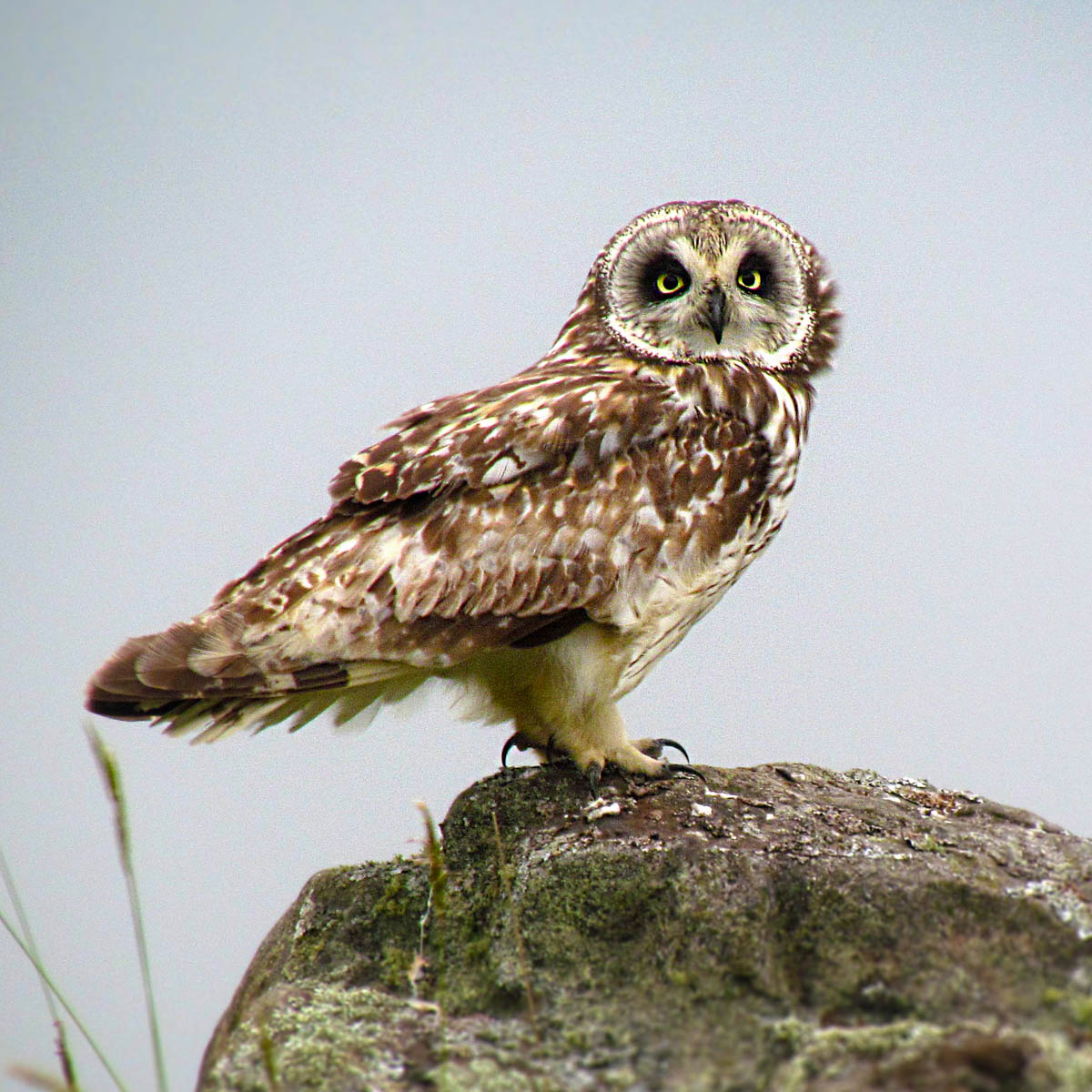
The Pueo is one of the most significant avian species in Hawaii. As a subspecies of the short-eared owl, the Pueo is endemic to the islands, meaning it is found nowhere else on Earth in this specific form. Unlike many other owls that are strictly nocturnal, the Pueo is diurnal, often seen hunting during the daylight hours, particularly at dawn and dusk. This visibility has made it a recognizable landmark of the Hawaiian skies for centuries.
Identifying the Hawaiian Short-Eared Owl
Physically, the Pueo is a medium-sized owl, measuring between 13 to 17 inches in length. Its plumage is a beautiful mosaic of brown and white streaks, which provides excellent camouflage against the dried grasses and volcanic rocks of its preferred habitats. One of its most striking features is its bright yellow eyes, set within a facial disk that helps funnel sound to its ears. Unlike its introduced counterpart, the Pueo has small, often indiscernible ear tufts that give it its “short-eared” name.
When flying over the open fields of North Kohala or the subalpine shrublands of Haleakala National Park, the Pueo exhibits a distinctive erratic, moth-like flight pattern. They are known to hover over potential prey before diving with precision. Their diet primarily consists of small rodents and insects, playing a vital role in the natural balance of the islands’ ecosystems.
The Pueo in Mythology and History
In Hawaiian culture, the Pueo is far more than just a bird; it is a sacred entity. It is frequently cited as an aumakua, an ancestral guardian spirit that takes physical form to protect, warn, or lead family members. Legends tell of Pueo leading lost travelers out of the dense forests of Oahu or appearing to warriors before significant battles.
One of the most famous sites associated with this bird is the Pueohulunui area, and various “owl leaps” or leina are scattered across the islands’ geography. Because of this spiritual connection, the sight of a Pueo is often met with deep reverence by locals. Protecting the Pueo is not just a matter of biological conservation but a preservation of Hawaiian heritage itself.
The Introduction of the Barn Owl to the Islands
While the Pueo has been in Hawaii for millennia, the Barn Owl is a relative newcomer. Its presence is the result of human intervention in the late 1950s and early 1960s. During this era, the sugar cane and pineapple industries were the backbones of the Hawaiian economy, but they faced a significant threat from exploding rodent populations.
A Strategic Biological Introduction
The Hawaii Board of Agriculture and Forestry decided to introduce the Barn Owl as a form of natural pest control. Predominantly sourced from California and other parts of North America, these owls were released across the islands, including Kauai, Oahu, and Molokai.
The experiment was largely successful in terms of the owls’ ability to adapt. The Barn Owl found the tropical climate and abundant prey to its liking, and its population quickly spread. Today, they are found on every major island, from the urban fringes of Honolulu to the remote valleys of Lanai. However, their introduction has not been without ecological controversy, as they sometimes compete with the native Pueo for territory and have been known to prey on native Hawaiian seabirds.
How to Distinguish the Two Species
For visitors exploring natural landmarks, distinguishing between the two can be a rewarding challenge. The Barn Owl is generally larger and has a very distinct white, heart-shaped facial disk. Its eyes are dark, almost black, contrasting sharply with the yellow eyes of the Pueo.
Behaviorally, the Barn Owl is strictly nocturnal. If you see an owl hunting in the bright afternoon sun over the Saddle Road on the Big Island, it is almost certainly a Pueo. If you spot a pale, ghostly figure crossing the road in your headlights near Lihue or Kona late at night, it is likely a Barn Owl.

Premier Natural Landmarks for Owl Sightings
For those hoping to catch a glimpse of these majestic raptors, Hawaii offers several stunning natural landmarks that serve as prime habitats. These locations are not only beautiful destinations in their own right but are critical strongholds for the islands’ avian life.
The High Elevations of Hawaii Island
The Big Island offers perhaps the best opportunities for Pueo sightings. The high-altitude grasslands and shrublands found along the slopes of Mauna Kea and Mauna Loa provide the open hunting grounds these owls prefer.
The Saddle Road, which connects Hilo and Kona, passes through the Pohakuloa Training Area. This vast, rugged landscape is a frequent haunt for the Pueo. Additionally, the Hakalau Forest National Wildlife Refuge on the windward slopes of Mauna Kea is a sanctuary for many endangered birds, and the Pueo can often be seen patrolling the forest edges here.
The Volcanic Slopes of Maui
On the island of Maui, the sprawling slopes of the Haleakala volcano are a top destination for nature lovers. As you drive up the winding roads toward the summit of Haleakala National Park, keep a close eye on the open pastures of Upcountry Maui.
The Polipoli Spring State Recreation Area, located within the Kula Forest Reserve, is another exceptional landmark. The mist-shrouded forests and open clearings at 6,000 feet provide a surreal backdrop for spotting owls. The Pueo here are known to nest on the ground, tucked away in thick clumps of vegetation, making the preservation of these lands vital.
The Ancient Forests of Kauai and Oahu
Kauai, the “Garden Isle,” is home to some of the most ancient and lush landscapes in the Pacific Ocean. Koke’e State Park, which sits adjacent to the “Grand Canyon of the Pacific,” Waimea Canyon State Park, is a fantastic location for birdwatching. The transition zones between the dense rainforest and the open canyon lookouts are ideal spots to see both the Pueo and the Barn Owl.
On Oahu, while more urbanized, the Pueo can still be found in the Waianae Mountains and the Ko’olau Range. Nature reserves like the Mount Ka’ala Natural Area Reserve protect the high-elevation bog habitats where these owls occasionally hunt. Even near the bustling city of Honolulu, the quiet valleys of Manoa sometimes host these silent flyers.
Protecting the Wings of the Islands
Despite their adaptability, owls in Hawaii face significant challenges. The Pueo, in particular, is listed as an endangered species on the island of Oahu by the State of Hawaii. Habitat loss due to urban development, the spread of invasive predators like mongooses and feral cats, and “light pollution” all threaten their survival.
Conservation Efforts in State Parks
Government agencies and non-profit organizations are working tirelessly to protect the landmarks that serve as owl habitats. Fencing projects in Hawaii Volcanoes National Park and the Pu’u Wa’awa’a Forest Reserve help keep ground-nesting Pueo safe from predators.
Restoration of native grasslands is also a priority. By removing invasive gorse and fountain grass and replanting native species like ‘a‘ali‘i and o’hia, conservationists are recreating the landscapes where the Pueo has thrived for centuries. These efforts ensure that future generations of both locals and visitors to the United States can continue to experience the wonder of these birds.
How Visitors Can Support Hawaiian Wildlife
Travelers can play a role in the protection of Hawaii’s owls. When visiting landmarks like Waimea Canyon or the Road to Hana, it is essential to stay on marked trails to avoid disturbing potential ground nests. Driving carefully at night, especially in rural areas like North Shore Oahu or the Hamakua Coast, can prevent collisions with Barn Owls who may be hunting near the roadside.
Furthermore, supporting local conservation groups and visiting state and national parks helps fund the vital work required to maintain these ecosystems. Whether you are a dedicated birder or a casual tourist, seeing an owl glide over a Hawaiian valley is a reminder of the islands’ wild, untamed spirit.
In conclusion, owls are a vibrant and essential part of the Hawaiian landscape. From the culturally revered Pueo to the ecologically complex Barn Owl, these birds inhabit the islands’ most iconic landmarks. To see one is to glimpse a different side of Hawaii—one that exists far above the surf, in the quiet, high-altitude reaches of the Pacific. As you plan your next journey to the Aloha State, remember to look up; you might just find a pair of yellow eyes watching you from the edge of a volcanic forest.
LifeOutOfTheBox is a participant in the Amazon Services LLC Associates Program, an affiliate advertising program designed to provide a means for sites to earn advertising fees by advertising and linking to Amazon.com. Amazon, the Amazon logo, AmazonSupply, and the AmazonSupply logo are trademarks of Amazon.com, Inc. or its affiliates. As an Amazon Associate we earn affiliate commissions from qualifying purchases.